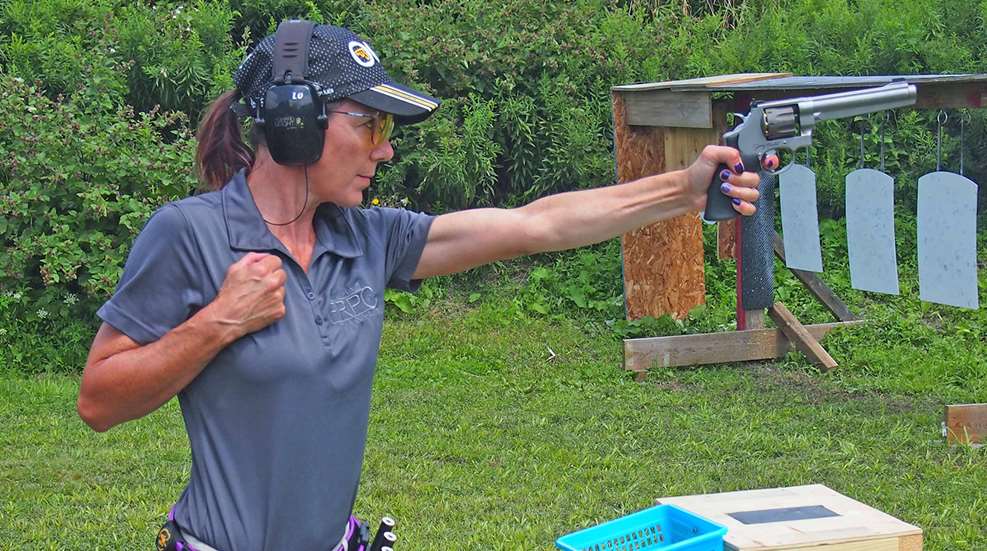
Revolvers are allowed in all action pistol games. But not many wheelgunners expect to see their name near the top of the leaderboard, when they’re also competing against semi-autos that hold a lot more rounds. This is because round gunners spend a lot more time reloading, while eating up precious scoring seconds on the clock.
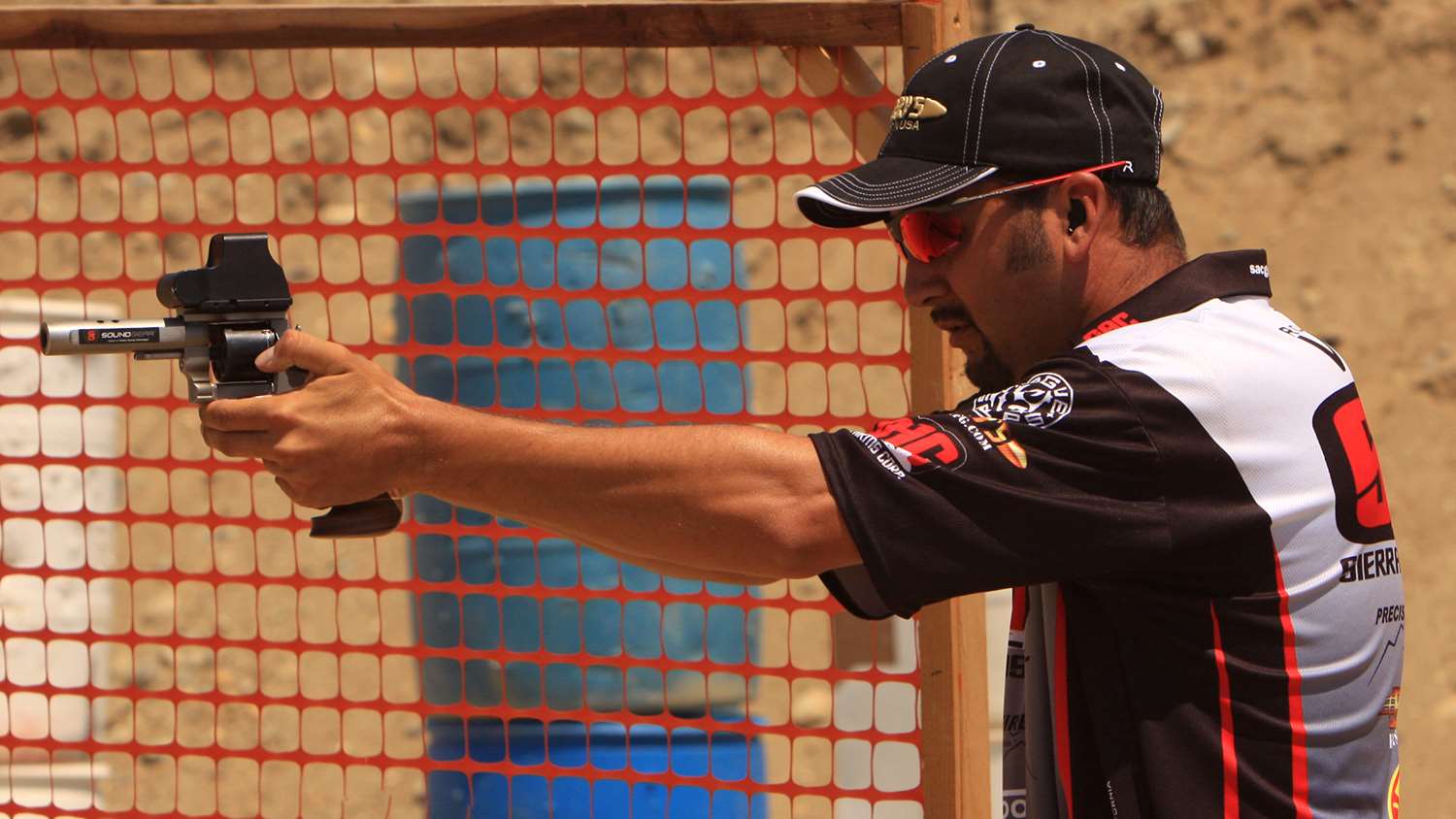
Revolver shooters accept the fact that they’re at a definite disadvantage in action pistol games―unless that game happens to be the International Confederation of Revolver Enthusiasts (ICORE).
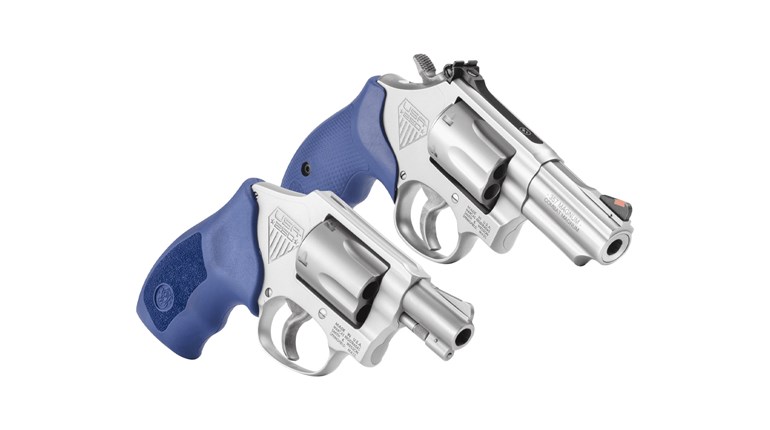
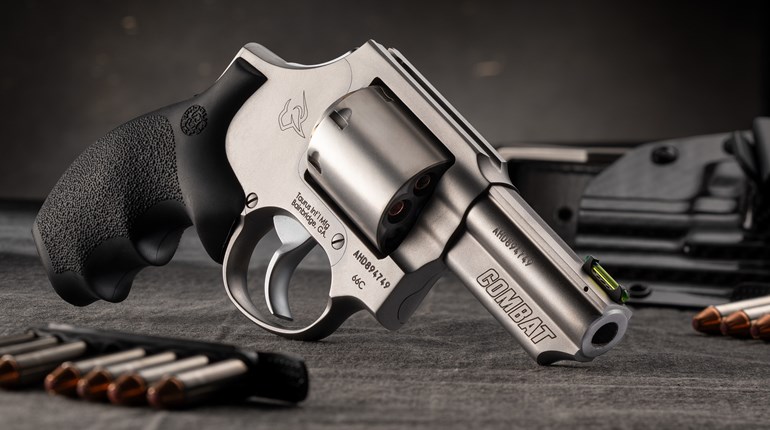
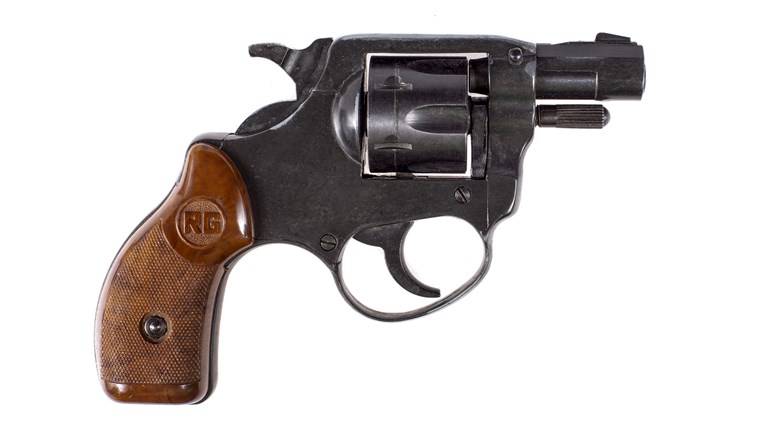
ICORE is an action pistol game open only to revolvers. And, just about any revolver can participate.
The minimum caliber allowed is .32 Magnum. There is no maximum caliber. Regardless of caliber the minimum Power Factor is 120. There are no restrictions on barrel length, gun weight, capacity, or add-on features like compensators, barrel porting, and optical sights. In addition, ICORE has provisions for rimfire revolvers to be used, either as a separate match or in conjunction with a regular match. All revolvers must be in a safe operating condition and are subject to inspection.
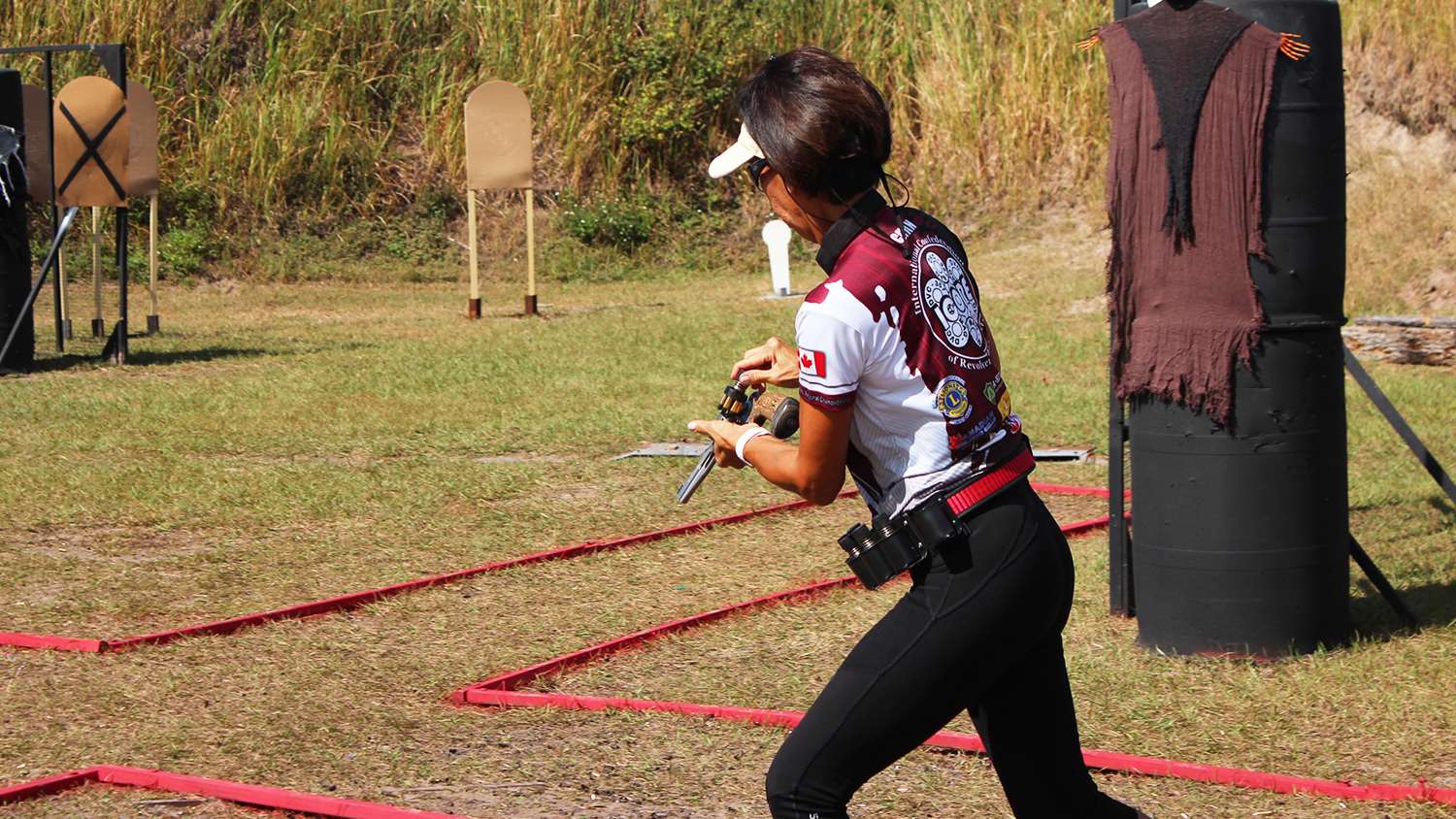
Holsters are required (except for rimfires in some cases). They must be strong side only. The butt of the gun may not be located below the belt (there are exceptions for LE duty rigs) and the Match Director may require a “hop test” to assure it holds the gun securely. All ammunition used during the COF must be carried on the belt, although competitors may do the initial “Make Ready” load from a pocket. Experienced ICORE competitors often carry six or more moon clip or speedloader holders.
The wide variety of revolvers allowed can create an uneven playing field. That is addressed by placing revolvers in one of four different divisions to assure that “like guns shoot against like guns.”
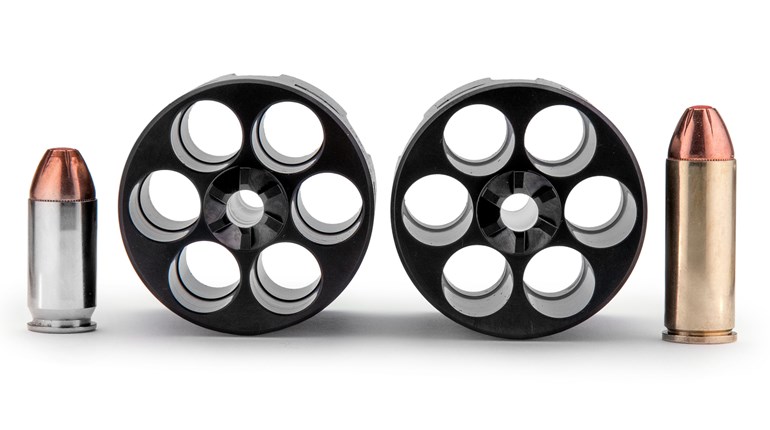
Open Division: A gun must compete in this division if it has optical sights. Compensated or ported barrels are allowed, but not required. The most popular choices are eight-shot moon-clip-fed guns in 9mm or .38 Special (with many .38 shooters handloading Short Colt or Long Colt cases).
Limited Division: The same as Open, but with iron sights only, instead of optical sights.
Limited 6: The same as Limited, but with a gun having only six chambers. It creates a home for the numerous six-shot S&W 625 .45 ACPs (that lost “Top Revo” status when USPSA allowed eight-shot Minor caliber revolvers) as well as the guns that currently compete in IDPA Enhanced Revolver division.
Classic Division: This is where the “classic” six-shot, iron-sight revolver that is fed by speedloaders (moon clips are prohibited) gets to play. The .38 Special is the most popular cartridge, but I choose to use .38 Long Colt cases because the ejector stroke on my GP-100 would clear them completely from the chamber, while .38 Special cases lacked ⅛-inch of dropping free. The Long Colt was faster to clear, as quick to reload, and just as accurate and the .38 Special.
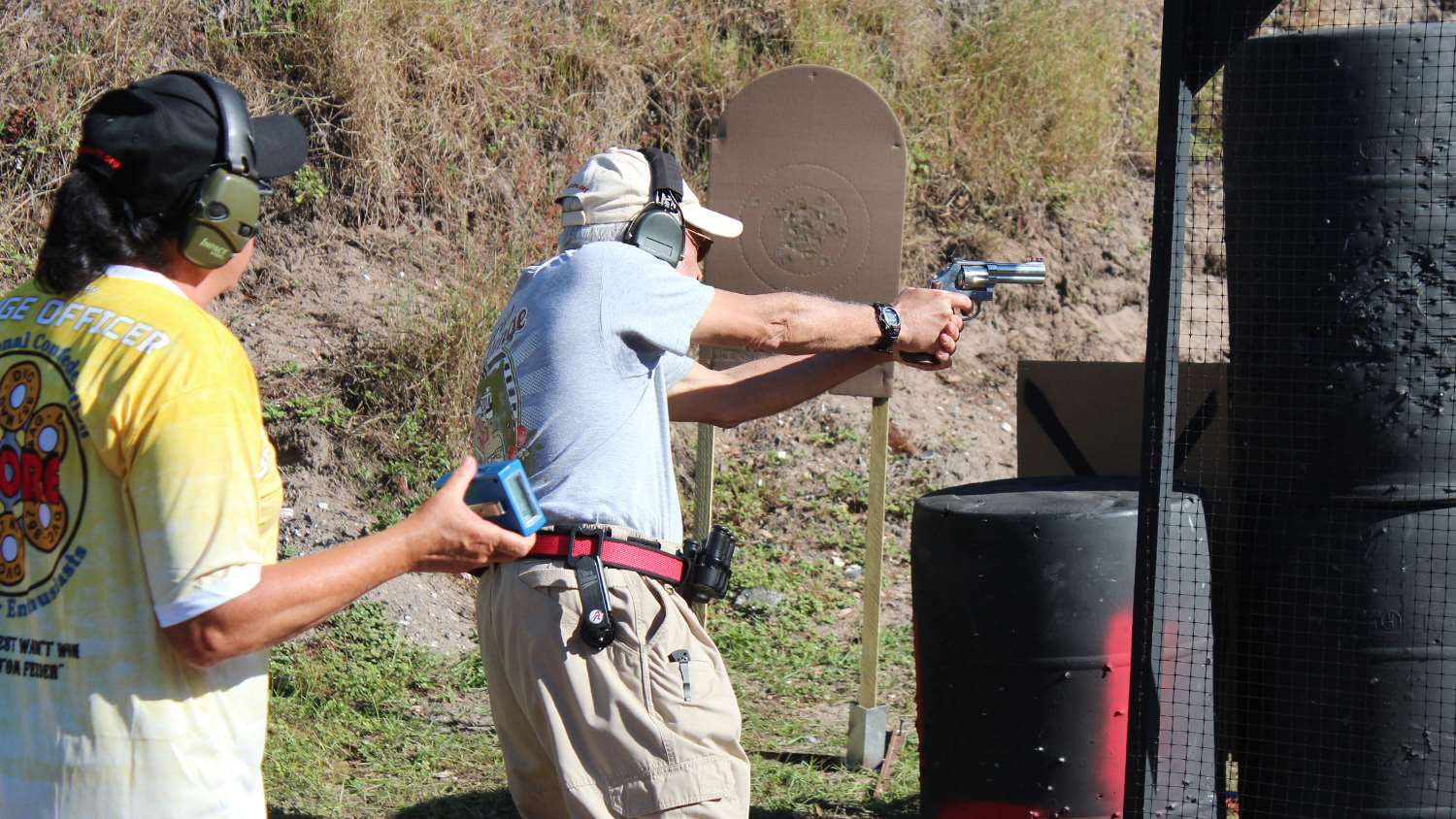
Scoring in ICORE is done is the same manner as IDPA—the time is recorded through the COF; to which down points and penalties are added for a final stage score.
The standard paper target is the NRA D-1 target; commonly called “The Tombstone.” It features a four-inch X-ring inside an eight-inch A Zone. A 12-inch circle surrounds that as the B Zone, with the remainder of the target being the C Zone. The scoring system makes ICORE one of the more accuracy-intensive action pistol games.
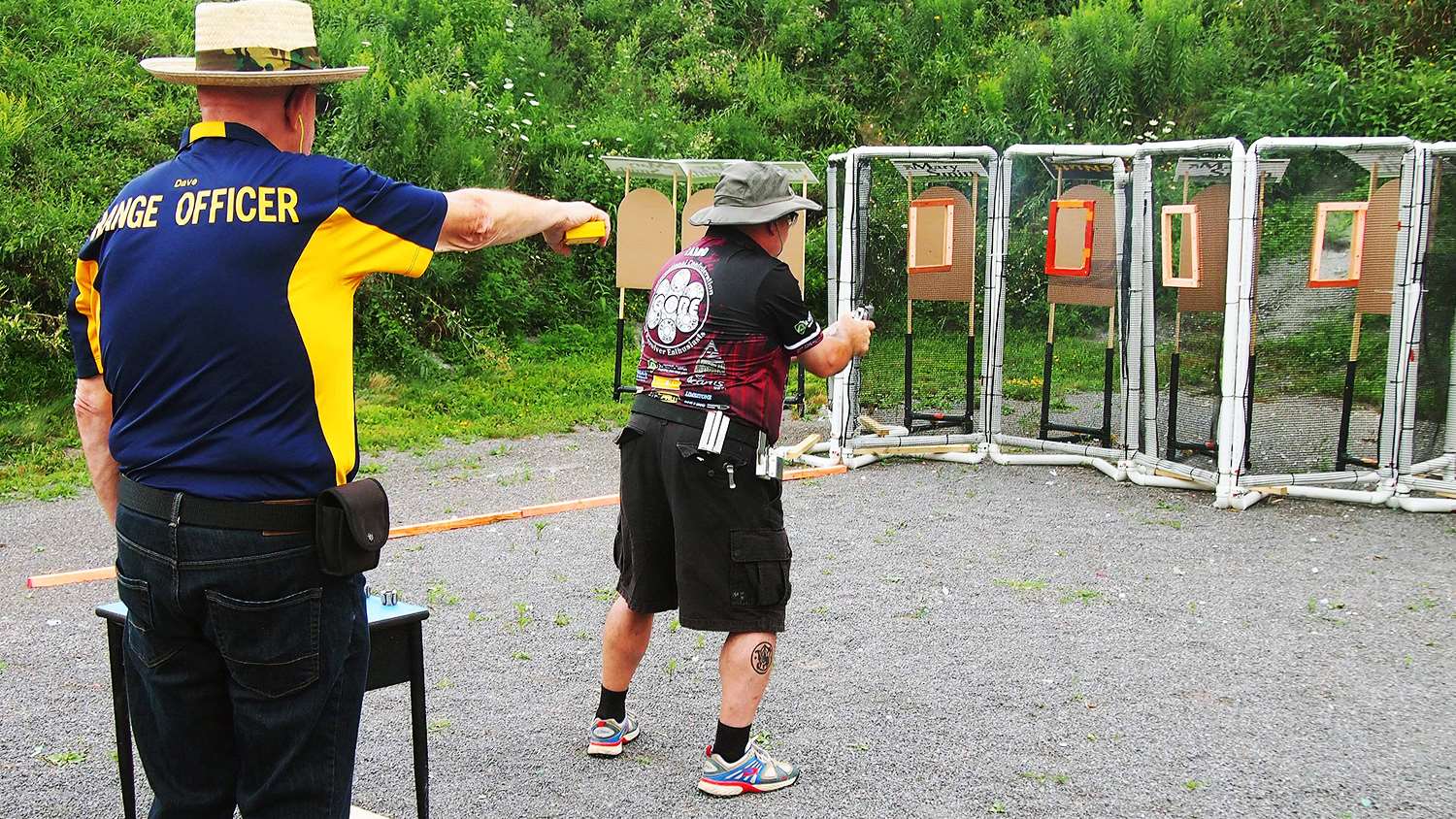
An A Zone hit is zero down points. A B Zone hit costs the shooter one second, while a C Zone hit adds two seconds to the time. A miss is five seconds. Some stages may designate the X-ring as a “bonus”—deleting one second from the shooter’s time for each X-ring hit. Those who run fast and don't watch their sights will pay a price in this game!
Like other action games the paper targets may be partially-covered by Hard Cover, No-Shoots or Soft Cover. One match I heard about had a stage where every portion of the target, except the X-ring, was under Hard Cover. Paper targets may also be swingers activated by a knock down popper, or Movers that disappear.
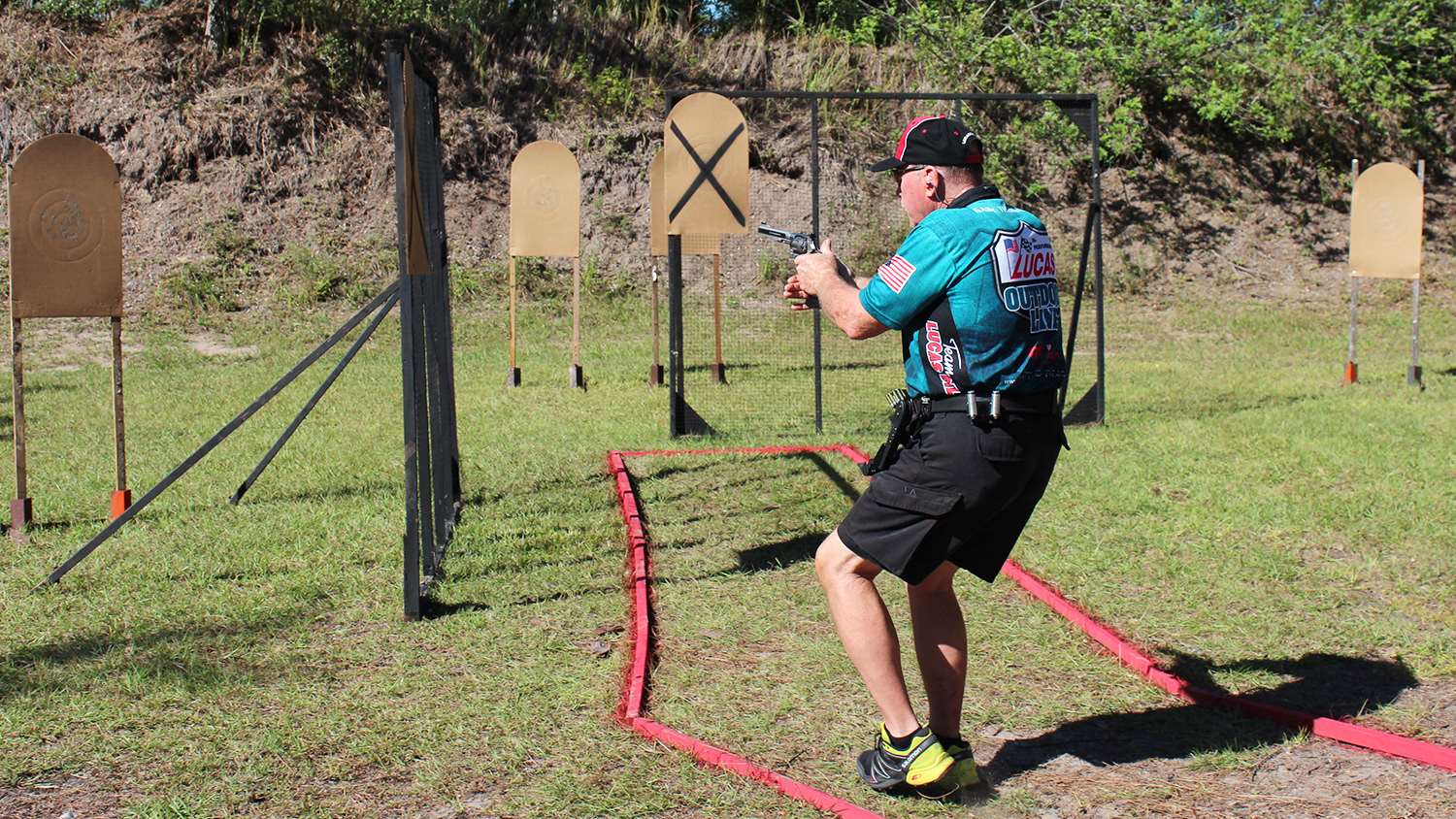
While the NRA D-1 target normally comprises the majority of the targets in a match, there can also be plenty of steel. This includes knock down poppers, standing steel in Steel Challenge-type arrays (often with a stop plate), Texas Stars, plate racks, and in one match I shot there were several 18x24-inch metal gong targets at 80 yards. Paper and steel may be mixed and matched in an almost endless array of combinations.
Classification in ICORE is achieved through rigidly-adhered-to Classifier Stages. Shooters may encounter one or two during a match. But for the other courses of fire, the Match Director has wide latitude. Some stages may be Shots Limited, or Shots Unlimited, and some may incorporate Par Times. It’s up to the Match Director and some (I’ve met a couple) have a very devious streak!
There are penalties of the type common to other action games—foot fault, premature start, Failure To Engage, hitting No Shoots, etc. But, there aren't a lot of them. As one veteran competitor noted, “There are enough Rules to make it a game, but not enough to make it a pain.”
If fast-paced action shooting with a revolver is appealing, it’s easy to like ICORE.
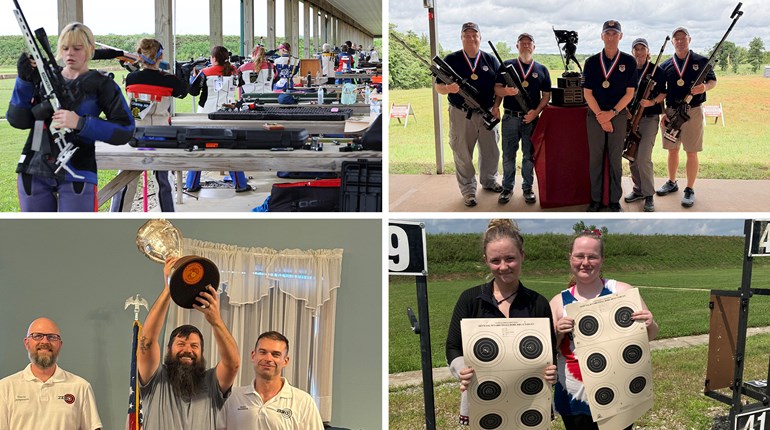
Photos courtesy of ICORE
Most Popular