
The popular rimfire and air gun competition Know Your Limits is one of those competitive games that came into existence when a group of shooters put their heads together and asked, “How cool would it be if we …” From that humble beginning, KYL grew into a nationally recognized competition with uniform rules, established gun divisions and club participation across the country.
A recent “head shed” brainstorming session at Flagler Gun Club in Florida sparked something new: Blackjack, a rimfire and air gun steel-plate shooting game that could soon rival KYL in popularity.
“We actually got the idea from a YouTube video,” says Mike Ganikon, one of the Flagler Gun Club match directors. “There was this guy shooting plates with a centerfire rifle at about 500 yards, and it looked like fun. We were already shooting Know Your Limits and it’s popular here, but we realized we could adapt our plate racks for a new challenge. We started at 50 yards, and when that took off, we added the 100-yard rack.”
What Is Blackjack Shooting?
Blackjack uses the same plate racks and some of the same plates as Know Your Limits. Shooters engage them from left to right, starting with the largest and moving to the smallest. Beyond that, however, the games couldn’t be more different.
KYL is shot at 50 and 100 yards on racks of eight plates that spin on impact. At 100 yards, the plates measure, left to right: 2½, 2¼, 2, 1¾, 1½, 1¼, 1 and 3/4 inches. The 50-yard rack measures: 2, 1¾, 1½, 1¼, 1, 3/4, 1/2 and 1/4 inches. Shooters get one round per plate, with points increasing as they move right. You can stop at any time and keep your points, but miss a plate, and the string is over and all points are lost. Each shooter typically fires three strings.
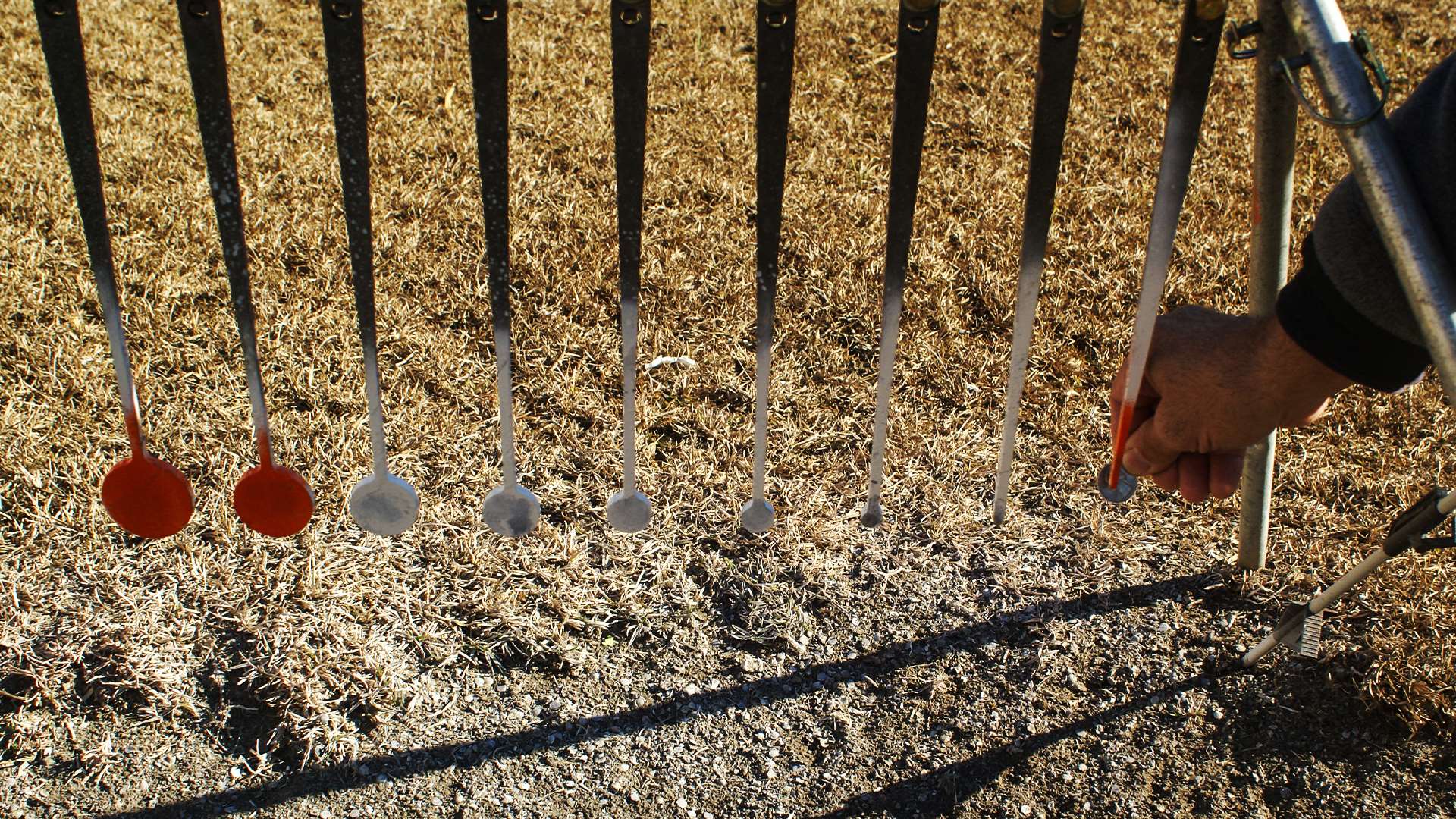
Blackjack allows the same rimfires and air guns as KYL and uses the same racks at 50 yards and 100 yards. But, there are nine plates. The first two plates are not scoring plates. They are there for shooters to use as a sight check/barrel warm up before they start their three strings and are normally painted orange instead of the white used for the remaining plates, with the last (smallest plate) also painted orange on the 50-yard rack. The seven scoring plates at 100 yards measure, left to right: 2, 1¾, 1½, 1¼, 1, 3/4 and 1/2 inches. At 50 yards, they measure: 1½, 1¼, 1, 3/4, 1/2, 1/4 and 1/8 inches.
Each shooter has 13 rounds and engages the plates from left to right. A time limit of three minutes per each of the three strings is there for shooters using magazine-fed guns, and one magazine change per string is mandatory. Those using single-round feeds have 3½ minutes per string. Shooters must hit each plate before moving to the next, but unlike KYL, there’s no penalty for misses.
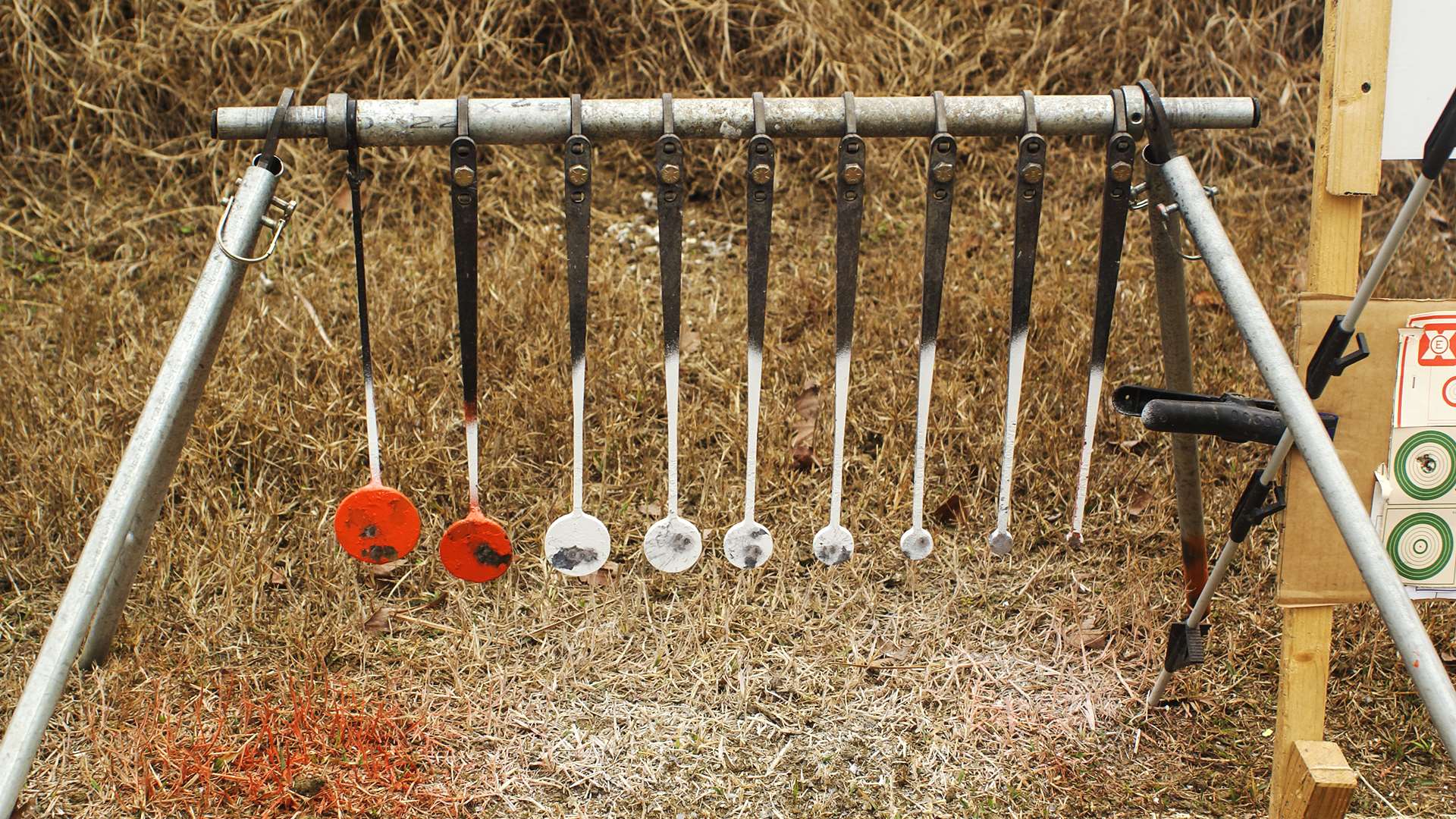
Plates 1 through 6 are scored 1, 2, 3, 4, 5 and 6 points, which adds to 21 points and Blackjack. If a shooter reaches 21 in fewer than 12 rounds, they can continue firing on the sixth plate (the Blackjack plate) with remaining rounds, scoring an additional 21 points for each hit. When the 12 rounds are gone, the 13th round is used to engage the tiny last plate. This is the bonus plate and scores one point. A scorekeeper with a spotting scope will call hits and misses, and let the shooter know when they have reached their 10th round, remaining time and when to shoot the bonus round.
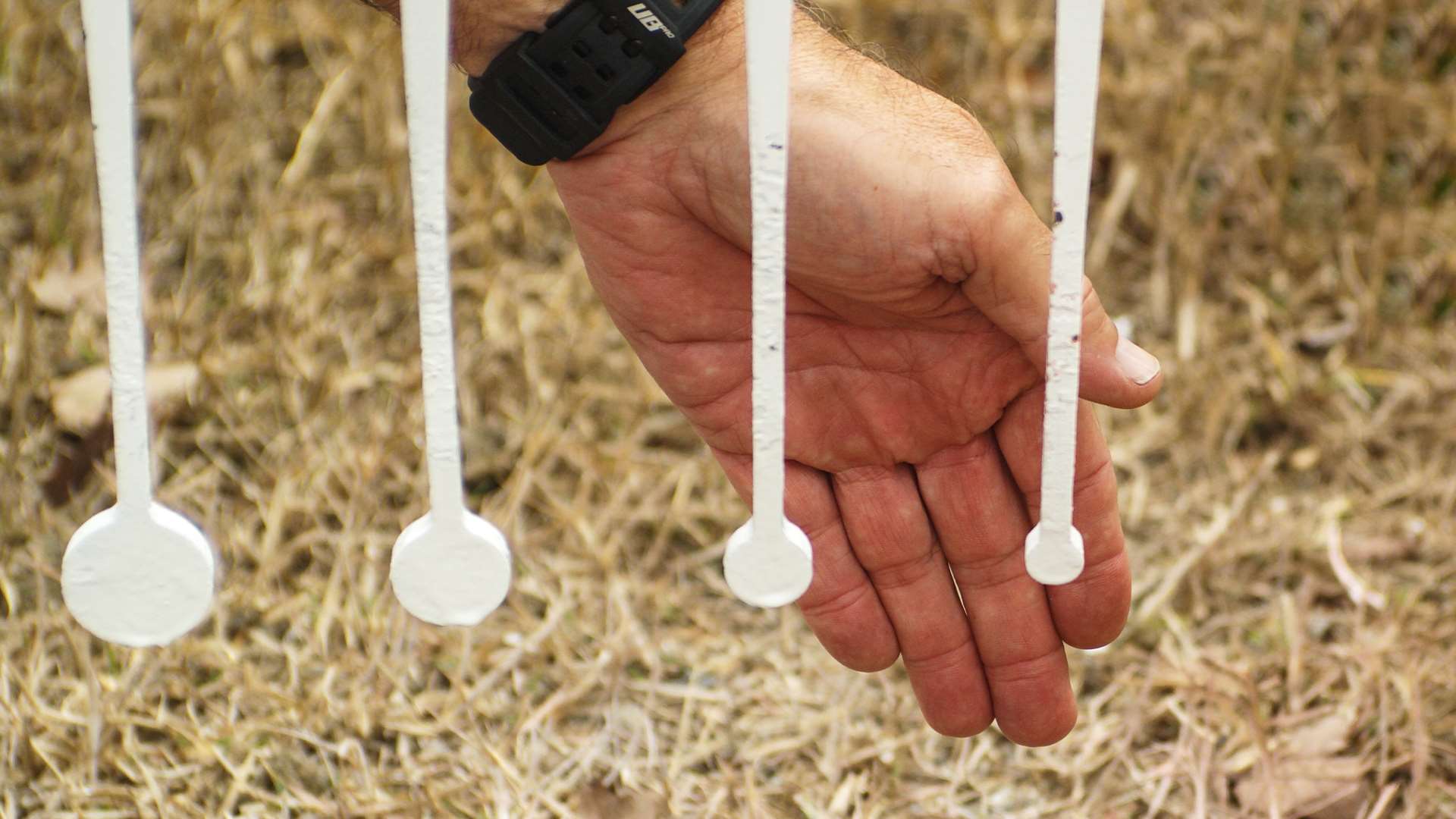
“We were seeing a lot of ties,” Ganikon laughed. “That’s why we added the seventh bonus plate, it’s basically a tie-breaker. The 100-yard plate measures 1/2-inch, or 1/2-MOA, while the 50-yard plate is a tiny 1/8-inch, or 1/4-MOA. We sourced most non-standard plates from Shooting Targets 7, but the 1/8-inch plate had to be custom-ground from a broken plate.”
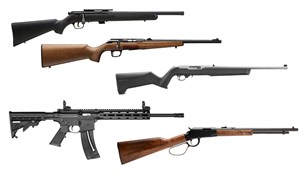
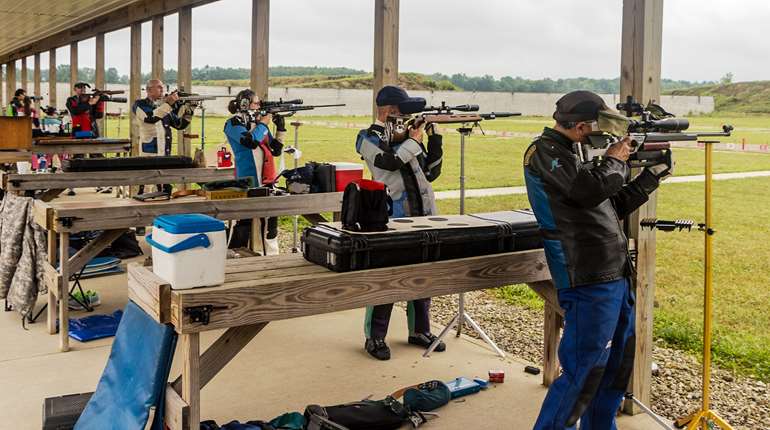
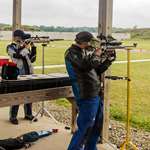
The small targets can be intimidating, especially if the shooter on the next bench is sporting a $3,000 custom rig with a barrel tuner and adjustable front and rear rests. But given the five gun divisions in use, any gun can compete against similar guns. Scopes don’t figure in the classes, although a minimum of 20x is recommended. They are based strictly on the gun’s suggested retail price. And whether or not a barrel tuner is used.
Blackjack Classes
- Class 1 – Thrifty: Up to $450 MSRP, no barrel tuner
- Class 2 – Factory: $451 to $600 MSRP, no tuner
- Class 3 – Super Factory: $601 to $1,000 MSRP, no tuner
- Class 4 – Unlimited: $1,001 to $2,500 MSRP, tuner allowed
- Class 5 – Super Unlimited: $2,501 and up, tuner allowed
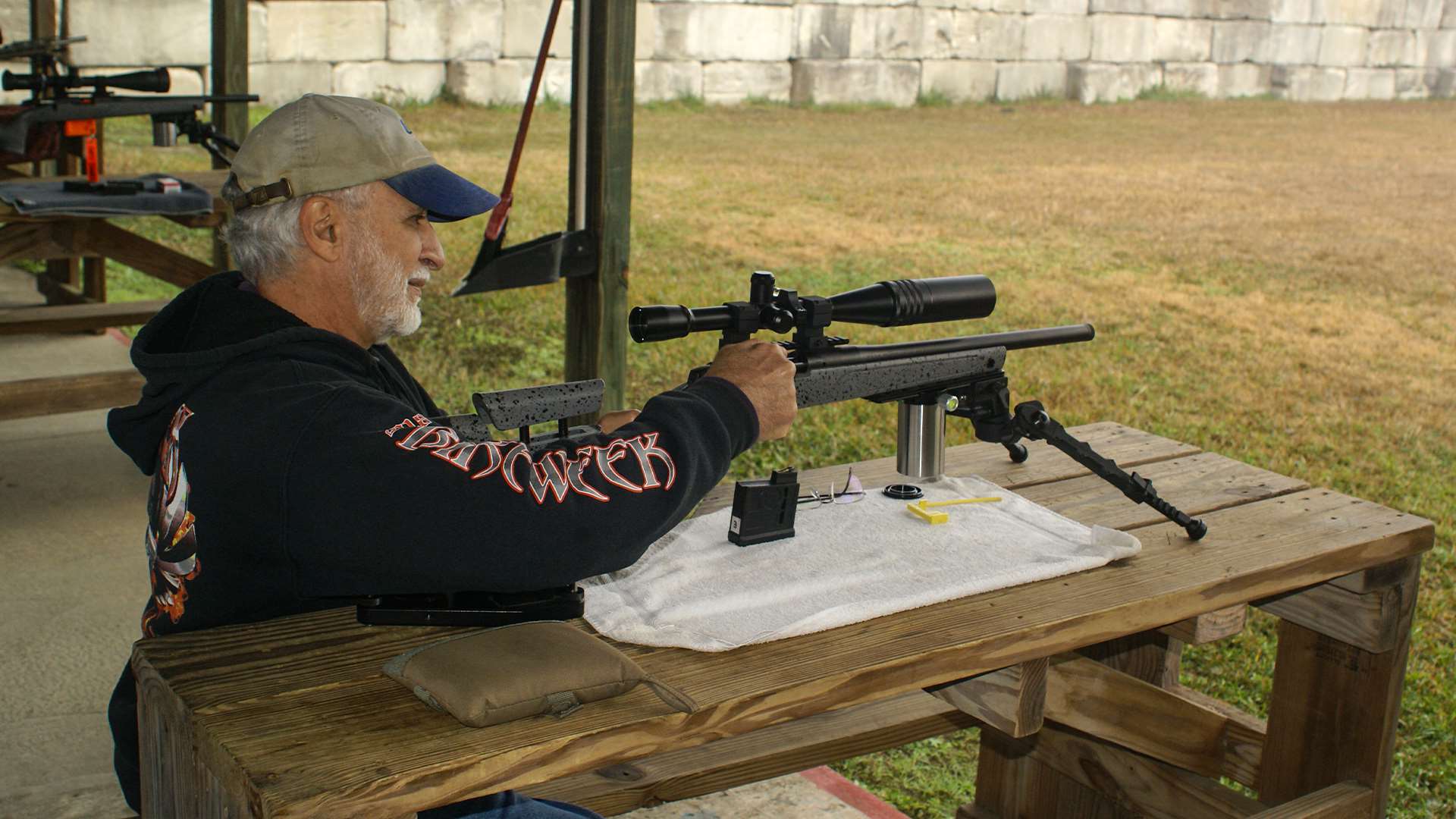
A non-adjustable front support (bag or bipod) and rear bag is allowed in all classes. If an adjustable front support (windage and elevation) is used in Class 1 or Class 2, they will be moved up to the next higher class. Front and rear supports of any type must be separated and sled-type rests are not allowed.
Know Your Limits is an interesting game, but it can be quite brutal. It’s theoretically possible for a shooter to arrive at a match, pay their entry fee, fire only three rounds and go home with no points and plenty of ammo leftover. Not so in Blackjack. Load it up, fire away and you’ll get your chance at the smallest most challenging target. All that counts is the points you do get. Not the ones you were denied the chance to get.
Shooter like to shoot. That’s why this new game is likely to become very popular.
Most Popular