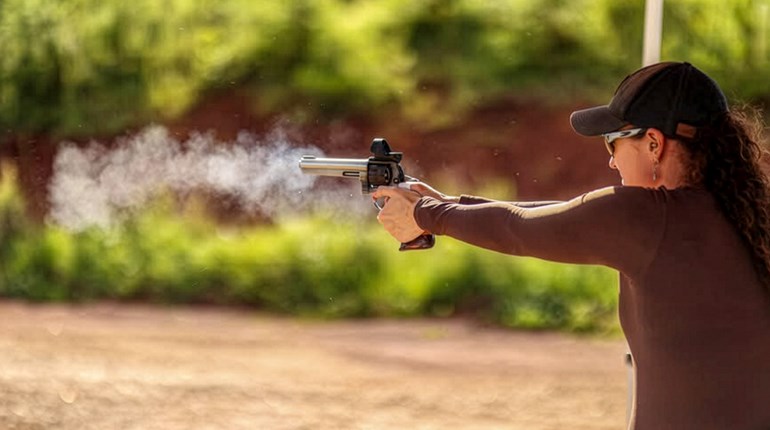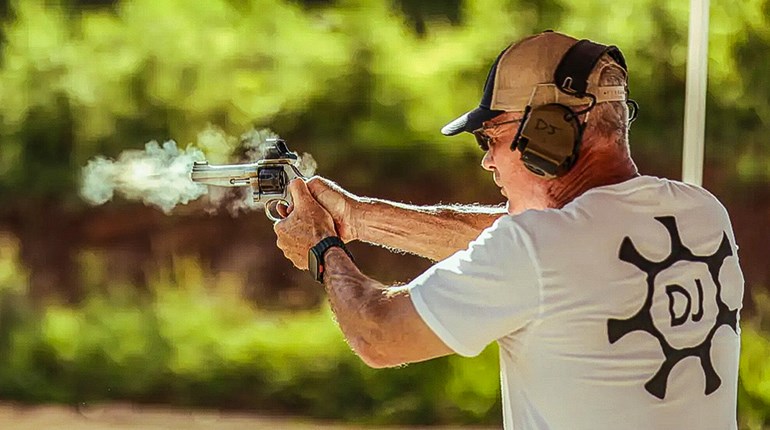

Fresh off his victory at the 2025 World Action Pistol Championship in New Zealand, Doug Koenig discusses the adjustments he made to training, how the Mover decided the World Championship leaderboard, the logistical hurdles of international competition and what’s on deck for him in 2026—including the U.S. Steel Nationals, the Cameo PRS match and his TV show.
John Parker: Congratulations on winning your eighth World Action Pistol Championship title—it was an incredible performance.
Doug Koenig: Thank you, I appreciate it.
JP: Let’s start with your score of 1920-182X. I saw your Moving Target scores. Did you do anything different this time, or stick with the same approach?
DK: Similar approach, but now that I’m getting older, I prepare a little differently. I can’t just go out and shoot 500–600 rounds a day for weeks; I have to spread it out. After finishing second at the Bianchi Cup, I had extra motivation for Worlds. I went through my equipment, made sure everything was right, and revisited my technique and preparation. Being humbled makes you look at what you can improve. So, I took a more focused approach—shorter practice sessions—and forced myself to do things outside the norm, like starting practice by shooting the Mover cold.
We also didn’t know the match order. The New Zealand Nationals were the weekend before, Worlds ran Tuesday through Friday with Saturday reserved for weather, but beyond that, the rotation was unclear. Those of us shooting one gun—me, Bruce (Piatt) and most of the U.S. team—ended up shooting one event per day for four days, which is very different from the Bianchi Cup schedule. There’s no warm‑up where you shoot a stage, find rhythm and go again; you shoot at your time and that’s it for the day. If a range was open, you could practice, but traveling internationally limits ammo. I shipped some ahead, which helped, but it’s not Bianchi where you might throw 200–300 rounds at the practice range after your event.
The range was the same one used for the 1999 and 2008 Worlds, with an additional Mover. It was in great shape. The weather turned out perfect—just a brief mist during the Practical that wasn’t a factor. Otherwise, beautiful conditions, and it was awesome to be in New Zealand.
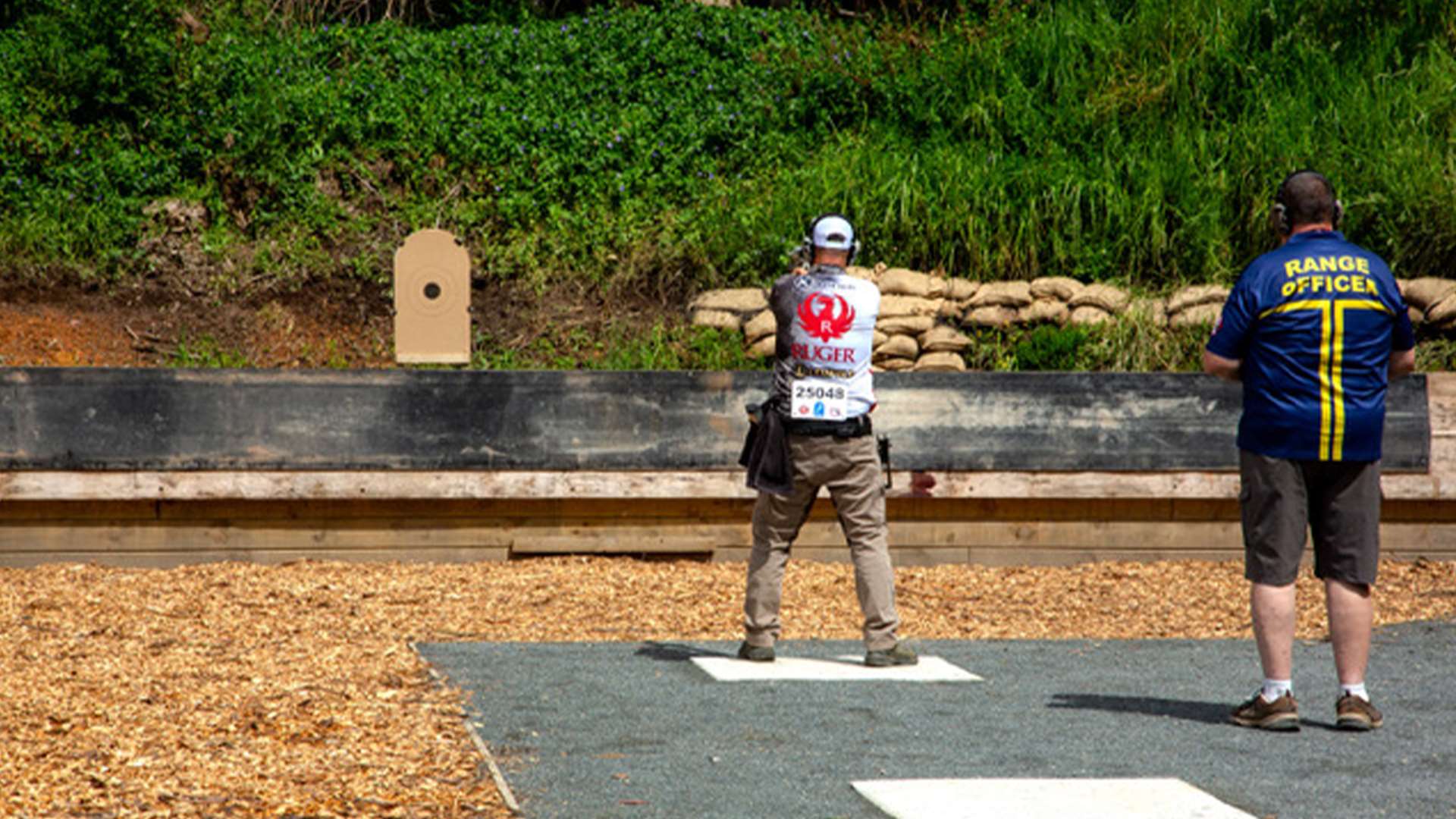
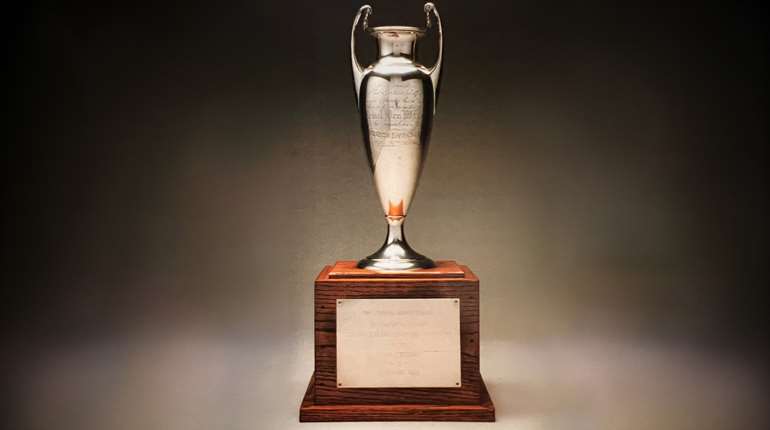
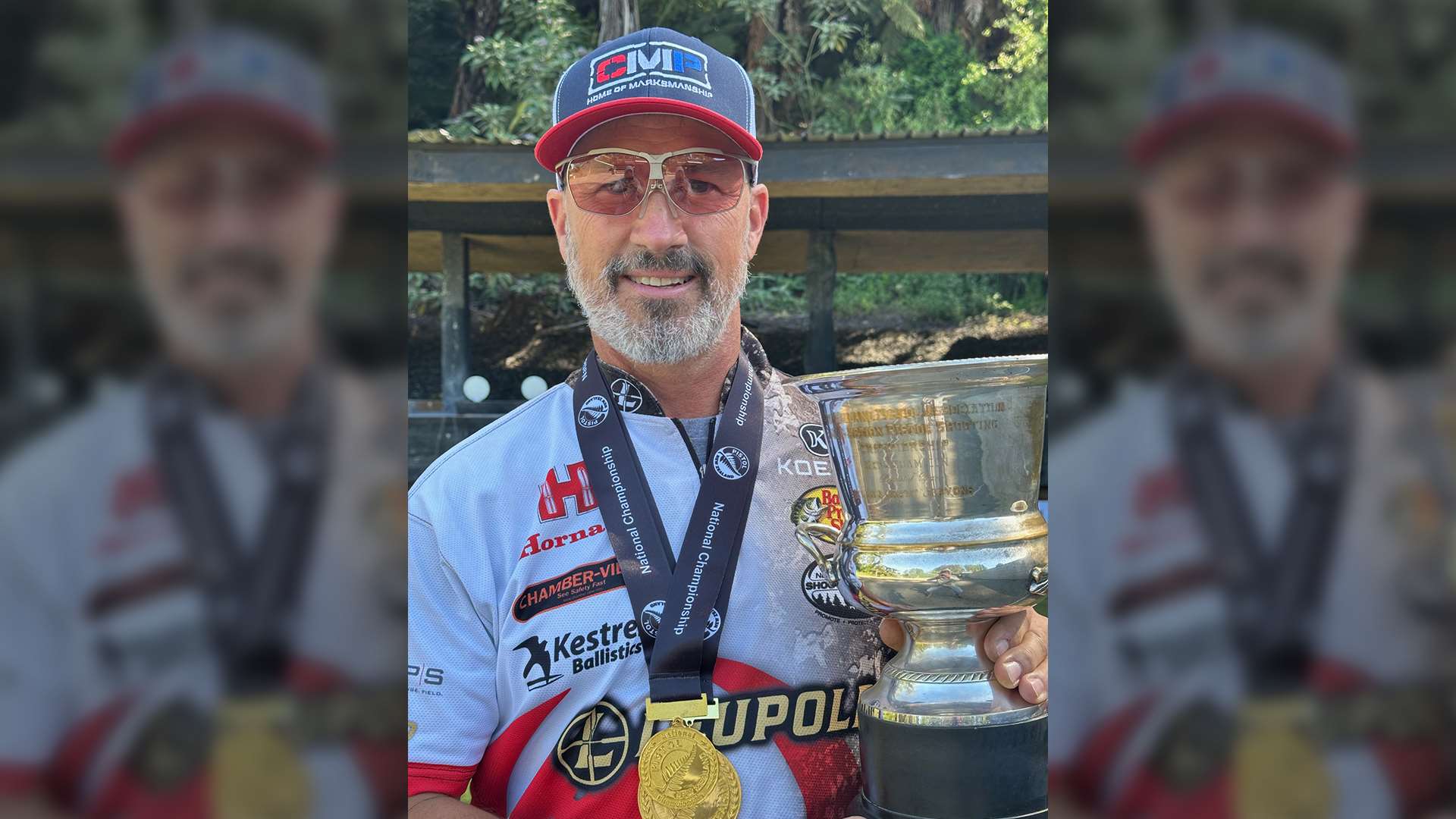
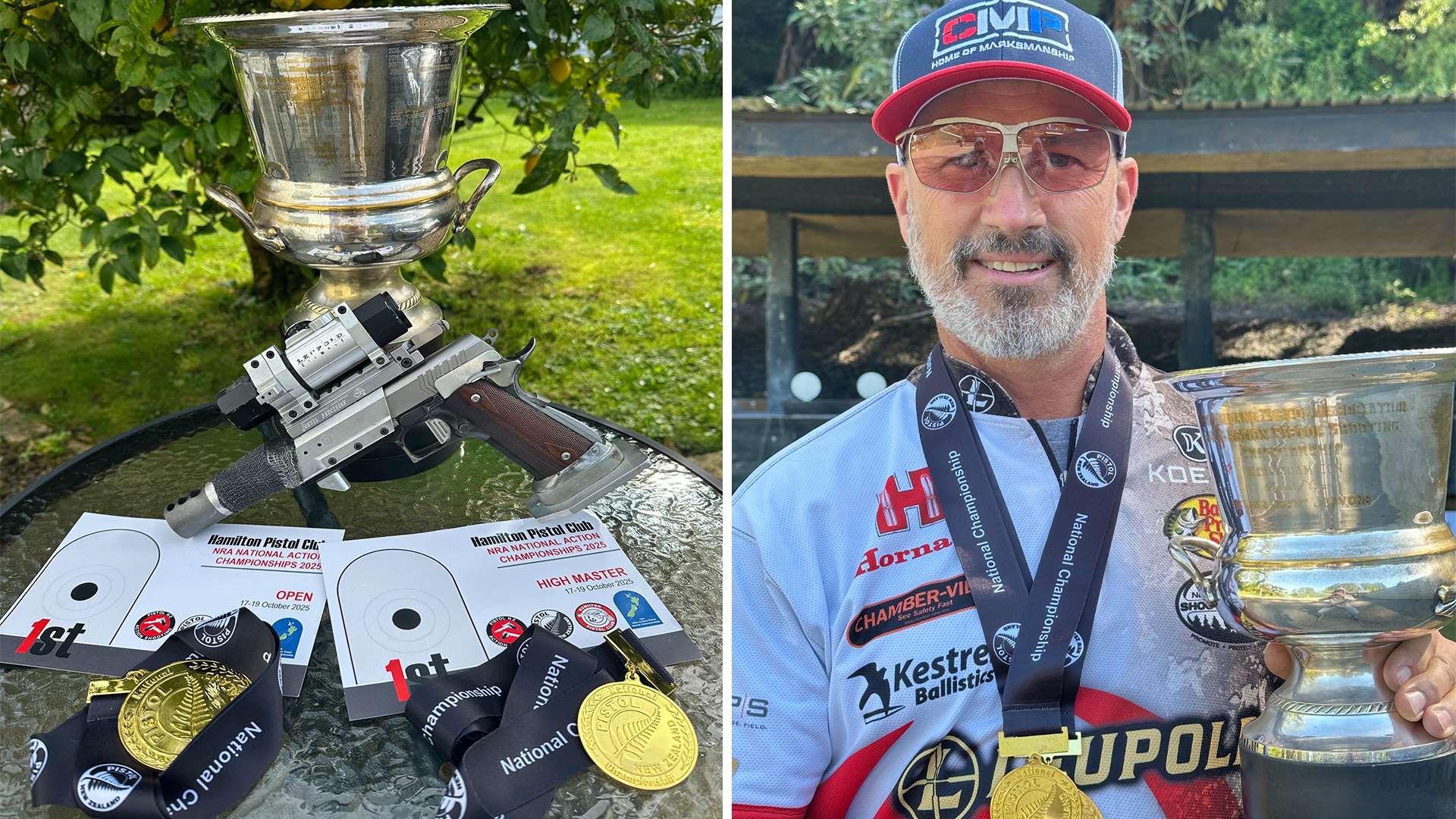
JP: Judging by the photo of you holding the cup, I’d say you had a good time. You were runner‑up at the 2025 Bianchi Cup—did that light a fire to excel in New Zealand?
DK: It did. I don’t need motivation to get ready for the Bianchi Cup—it’s the Cup. But when you don’t perform to your expected level … I don’t expect to win every time; I expect a performance level based on my preparation. If that’s good enough to win, great. If I shoot well and someone beats me, then I need to figure out how to shoot better. But when you don’t shoot your game and you make a mistake—that one hurt. For a solid month, that’s all I thought about. It motivated me. I practiced all summer, stayed with it from the end of the Bianchi Cup until Worlds. If I had won the Cup, I probably wouldn’t have picked up those guns until mid‑August. Because I didn’t, I stayed on it. My son Bradley and I shot at least a couple days a week, worked drills and we were ready when we left.
Getting there was a complete mess. We were scheduled to leave Sunday, October 12. Our flight out of Orlando had mechanical issues, and we were going to miss our international connection. We rebooked, but couldn’t get out until Wednesday night, arriving in Auckland Friday morning with Nationals starting Saturday. So, the two‑ or three‑day adjustment period wasn’t happening. We hit the ground running. It worked out, but not how I would have preferred to do it.
JP: So, you arrived late and had to compete the next day at the New Zealand Nationals?
DK: We got to the range Friday around 11:00 a.m., picked up ammo, got the lay of the land, checked zero, shot a couple stages and called it. Saturday, we shot Nationals. I won. I think me, Bruce and one of the Aussies shot perfect scores; I won on X‑count. Pretty wild. Then Tuesday we started Worlds. Not much extra time.
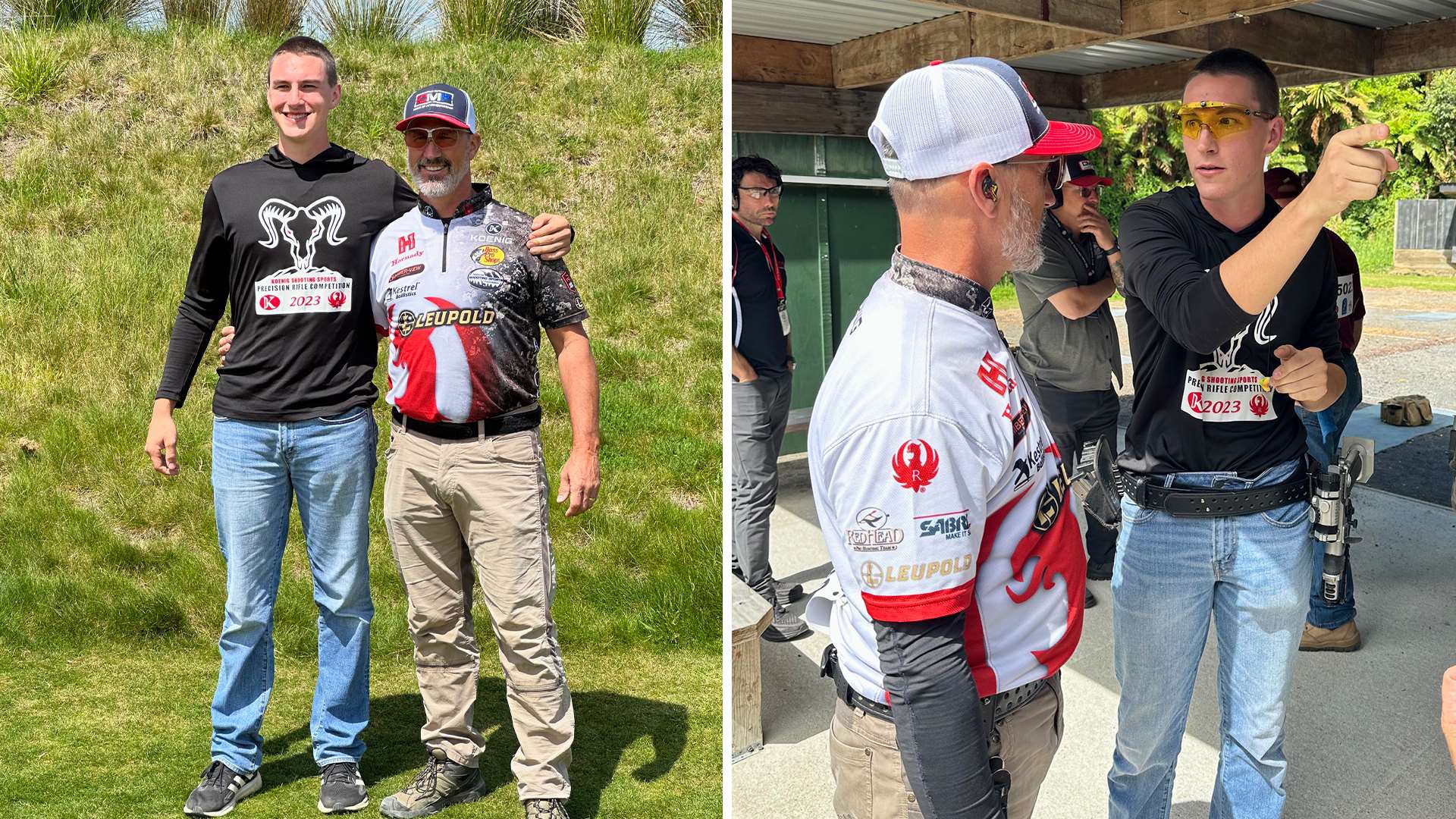
JP: You mentioned going in without knowing the daily stage order—each stage was on a different day?
DK: We didn’t know the rotation—what we’d start on, whether we’d shoot two events one day and one the next. In the old days—even at the Bianchi Cup—over three days we’d shoot one stage the first day, one the second, then two on the third and finish on the Mover. We just didn’t know this time until we got there. In preparation, Brad and I started each practice day on something different and trained to expect the unexpected. None of us knew if we’d be thrown on the Mover on day one.
JP: Not the end of the world, but it doesn’t help either.
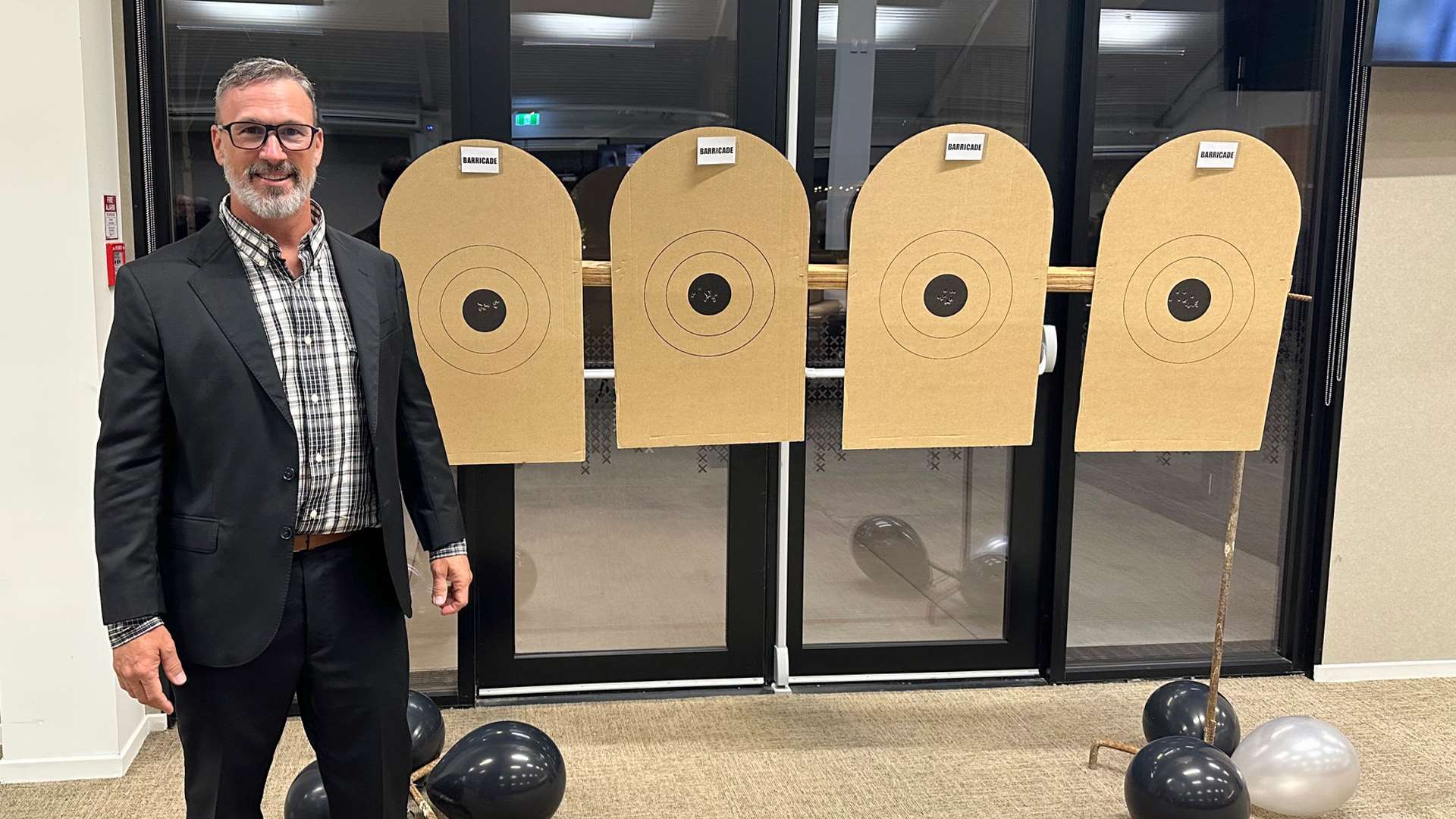
DK: Exactly. For Worlds, we all shot the same rotation. I started on Plates, then Barricade, then Practical and finished on the Mover. Bruce shot the same rotation—we shot Barricade together, and Bruce, Bradley and I shot Practical together. I think I followed Bruce by one or two shooters on another event.
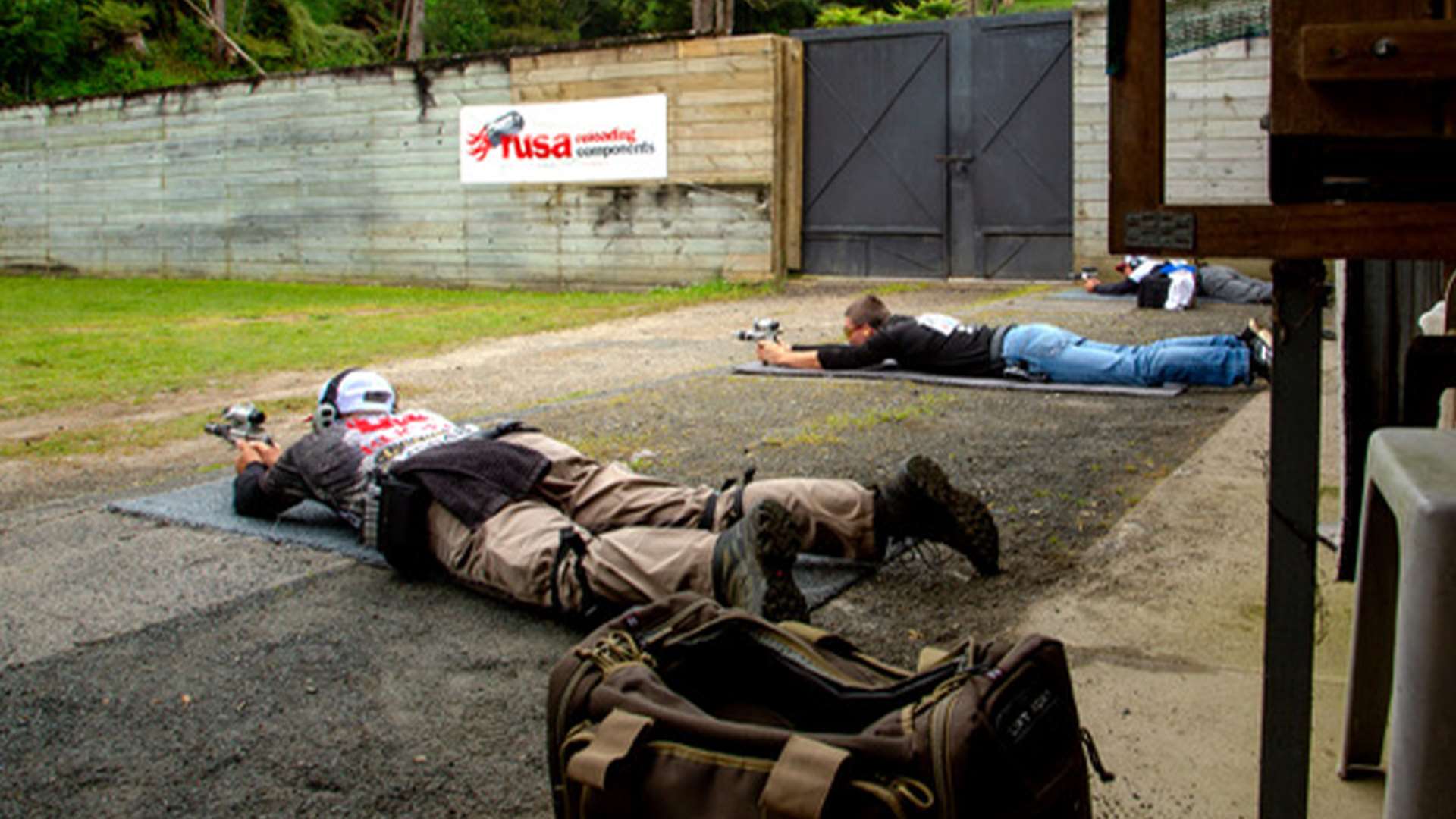
JP: Your son Bradley placed well on the leaderboard.
DK: He won his class, and he was totally shocked. He didn’t feel he shot his best match, so he wasn’t expecting anything. At awards, when they called his name for first, he had a puzzled look—completely surprised. I’m proud of him. Traveling internationally on a world stage—everything’s different. At the Bianchi Cup he knows the routine; overseas it’s all new.
He told me about this: at 10 yards he shot one of his best 10‑yard lines—maybe all Xs or down one—and felt great. At 15, when the target came out, he said it felt like someone else was holding the gun—he couldn’t get it steady—and it didn’t get better moving back. The nerves got him. At Bianchi this year he shot a really good score—eight down—and once you know what you’re capable of, that adds internal pressure. The Mover ate a lot of people up at Worlds. There were eight people clean going into the Mover, and I was the only one who survived. A meat grinder for sure.
JP: Logistically, how does going to New Zealand change your approach—dealing with all the admin stuff?
DK: The admin—paperwork, gun permits—was intense. Most of us did our firearms permits in late June into early July; some guys didn’t get their application issued until the day they were leaving. For me, I bought my ticket on Air New Zealand because of the seating. Six weeks out, I got an email: plane change, seats no longer available. I re‑selected. The night before, another email: changed aircraft again—now I was in the back next to the lavatories. I spent two hours on the phone sorting it out. When we missed the first flight, I had to rebook and pay extra. It was a total mess.
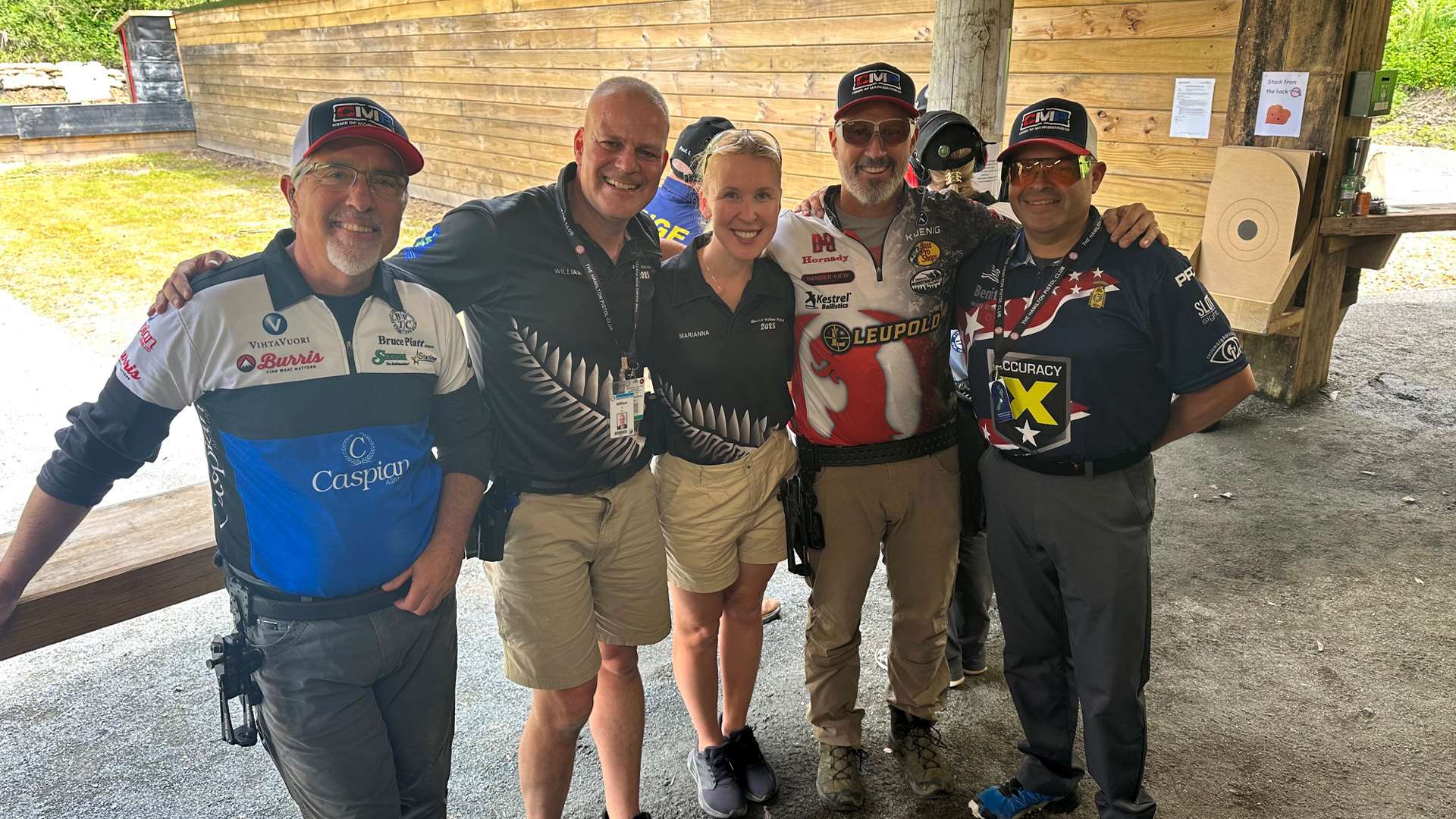
I appreciate what international shooters deal with when they come to the Bianchi Cup. Our country is easier for getting guns in, but logistically there’s still a lot: getting ammo, weight limits—50 pounds—and they enforce it. When you arrive, you claim your guns, go to the police station, show your permit and they verify serial numbers. In 2008—plus in 2011 when I went hunting—New Zealand was much looser: you only needed your U.S. customs form showing the guns were yours. They’d photocopy it and say, “Have fun.” No paperwork, no ammo questions. This time was different: they needed a background check, photos of guns, serial numbers—lots of information for permitting. That said, I’m glad we went. The range was awesome, the match crew did a fantastic job, were accommodating and friendly. The food was great. We had an unbelievable 10 days.
My biggest frustration about the flight mess was losing three days in New Zealand with my son. We’re “Lord of the Rings” fans, so we did the Hobbiton tour—super cool. After LOTR they tore the set down and later rebuilt it permanently for “The Hobbit;” now there are tours and you can eat there. Bradley loved it and so did I. We also spent a day on the coast—beach time, climbed a big seaside mountain. Fantastic trip.
JP: Going back to the restrictive gun laws in New Zealand, did visiting there make you appreciate how fortunate we are to have the Second Amendment back home?
DK: Absolutely—we’re incredibly lucky. The Second Amendment lets us hunt, compete and protect ourselves. Without it, our gun laws would look completely different. Visiting other countries really shows how complicated things can be. In New Zealand, shooters can have pistols and compete, but they must regularly check in at their gun club and participate in a set number of matches to keep their permit. You can’t just own guns on a whim; even occasional competitors have to stay active. Many Americans don’t realize how fortunate we are.
JP: Speaking of shooting and competition, what else has been keeping you busy these days?
DK: I’ve been keeping busy on a few fronts. With Ruger, I’m diving deeper into product work, and on the competitive side, I’m running the U.S. Steel Nationals at at Titusville Rifle and Pistol Club in Florida in March and the PRS match at Cameo Shooting Complex Colorado in April. I’ll continue both in 2026 and will still compete myself.
I also revamped and relaunched a new website where people can see updates, order products and get in touch about classes or questions. I’m continuing the TV show on Pursuit Channel in 2026. My plan is to stay busy throughout the year, and that’s exactly how I like it.