
Making E-targets for U.S. Shooters

by
posted on June 7, 2017
** When you buy products through the links on our site, we may earn a commission that supports NRA's mission to protect, preserve and defend the Second Amendment. **
electgts21.jpg

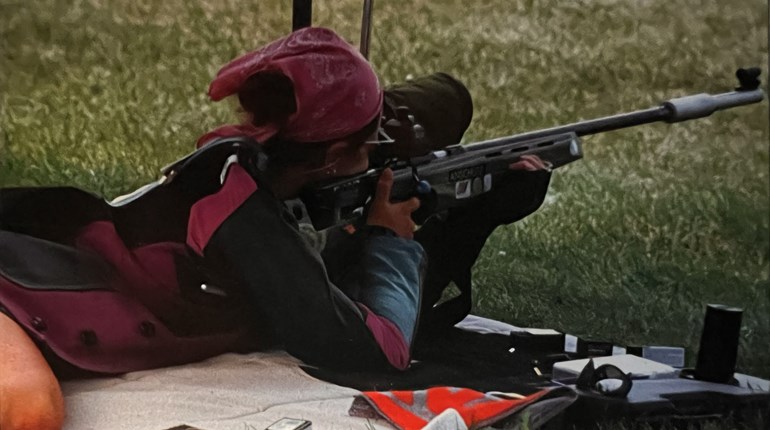
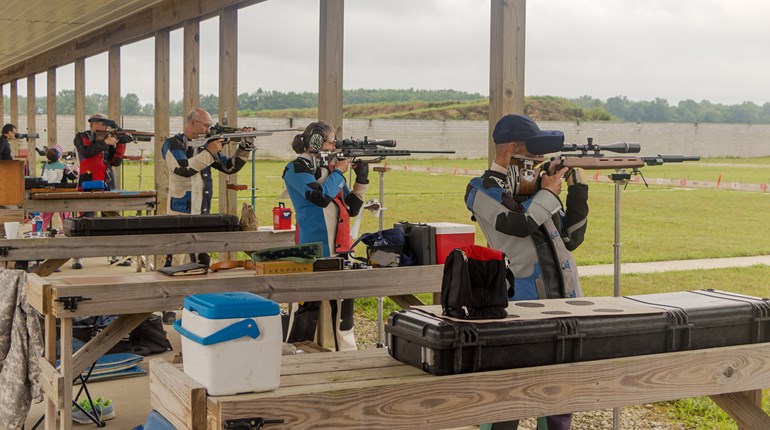
One of the first questions asked about electronic scoring targets is, “What about bullets striking the electronics or wiring?” The question reveals a major difference between European and U.S. cultures.

In Europe, where e-targets are wildly popular, firearms ownership is tightly regulated; “plinking” as we enjoy it in the U.S. is virtually unknown there. Europeans who enjoy the privilege of target shooting are quite dedicated and, frankly, they don’t tend to throw their shots into berms and target frames. Yes, that’s a generalization—yet it’s true enough that poor shooters damaging target electronics isn’t that much of a concern in Europe. Here in the U.S., quite a few John Q. Plinker target shooters lack the necessary skill to keep bullets in the neighborhood of the scoring black. A glance at bullet-damaged target frames at any shooting range proves that point.

In fact, one of the speedbumps to bringing e-target technology to the U.S. was Norwegian target maker Kongsberg had to redesign acoustic targets specifically for American shooters.

“Precision target systems like ours for the general public were originally designed to accommodate national and world championship shooters—folks whose rounds do not fall outside the black very often,” CMP North General Manager Steve Cooper said. “Instead of telling Kongsberg Target Systems, ‘Your targets don’t work well in America, thank you, goodbye,’ KTS redoubled its efforts to make their system more robust, more intuitive, faster and more efficient than it was when we started this process more than two years ago.”

Latest

USPSA Cultureandhistory 3

Inside USPSA: The Sport and Community

Jake Martens traces USPSA from its 1976 founding principles to today, exploring what draws competitors to practical shooting and why volunteering sustains the sport.

Inside The Making Of Winchester’s Supreme Long Range Ammo

New for 2026, Winchester’s Supreme Long Range ammunition pairs the in-house BC Max bullet with match-grade components for extreme-distance accuracy and terminal performance.

Smith & Wesson’s America 250 Model 1854 Honors 1776 and Its Own Origin Story

Smith & Wesson commemorates the semiquincentennial with America 250 Model 1854 lever actions in .44 Magnum and .45-70 Government, engraved and suppressor-ready.

New: Swarovski Optik AT Endura 21-65X 75 mm Spotting Scope

Swarovski Optik’s new AT Endura 21-65X 75 mm spotting scope pairs a 75 mm objective lens with a 53.3-ounce build at a $2,899 price.

Bulletproofing Stages: A USPSA Range Officer’s Guide to Squad Management

Jay Worden explains how Range Officers can run a USPSA squad efficiently, covering roll call, stage briefings, scoring procedures and fair enforcement of safety rules.

Daisy Marks America’s 250th With Limited-Edition Red Ryders

Daisy commemorates America’s 250th anniversary with Liberty and Freedom Red Ryder carbines, 250 apiece, plus a revolver limited to 1,776 units.

Interests


Get the best of Shooting Sports USA delivered to your inbox.