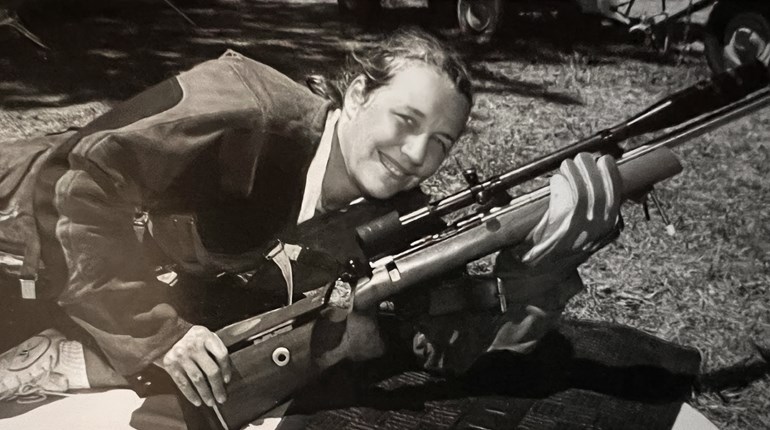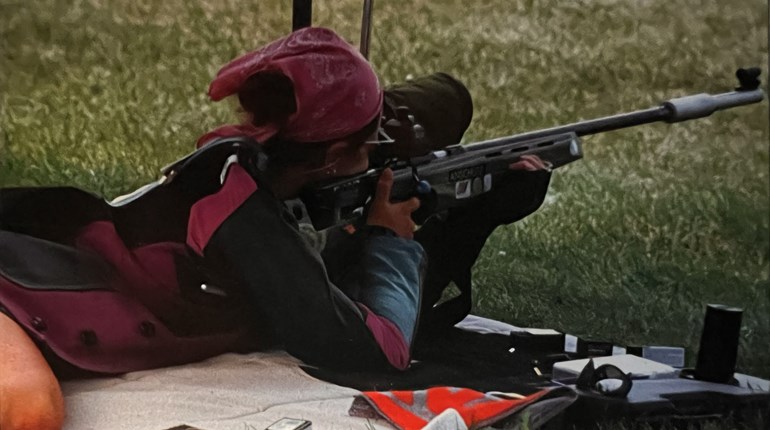

From the vault: Trigger control tips for silhouette shooting with Jim Feren. As transcribed from a 1984 NRA Silhouette National Championship seminar where Mr. Feren was a panelist.
Silhouette Trigger Control
By Jim Feren
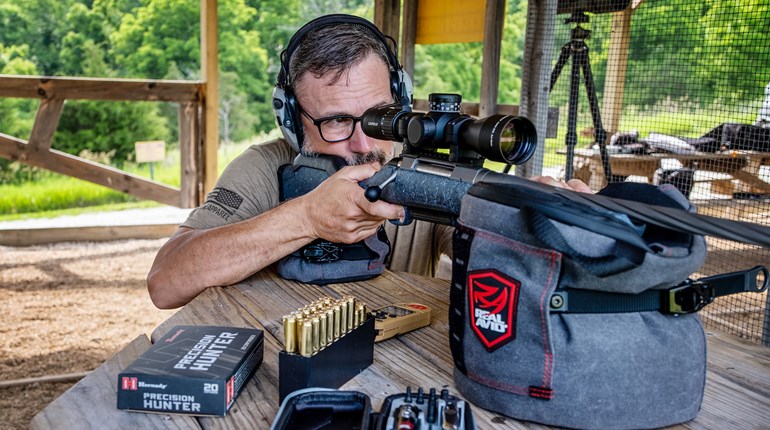
In silhouette shooting, because we are using high-powered scopes, we have rapid movement across the target. To make the trigger go off at the proper point, I think it's necessary to stop the trigger pull at some point. You can't squeeze the trigger like the Benchrest shooter can. In our game, the duration has to be a pulse, short pull or a tap on a trigger. If you are squeezing, squeezing, squeezing, you will soon realize that your sights are about to go off the target. If you stop squeezing, you may not stop in time. The rifle fires, and you have just blown the shot. The "stop" of a squeeze is just not fast enough.
I think you have three main choices. With a two-pound trigger, you can increase the pull on the trigger in quick stages until the shot breaks. You increase the pressure in stages because pulling all at once leads to flinching. You can use a two-stage trigger, a light-pull trigger, or a set trigger and just tap it to set it off. The last option is to set your trigger to have some creep in it. With this method, you pulse quickly a little bit on the sear, and it moves a bit; then you pulse a little bit more until it finally goes off.
Each of you, on an individual level, will have to solve the problem of what kind of trigger to use to enable you to keep the duration of your trigger pull during the best sight picture.
Remember that any improvement a shooter makes involves the process of self-examination. To improve, you must look at what you are doing. What are you doing right? What are you doing wrong? Only through close examination of these questions can you improve.
Finally, I strongly recommend the book Successful Shooting. This book goes further than I have and most of the conclusions I have drawn about what is best for my own personal shooting are reflected in this book.
See more: The Best High Power Rifle Cartridge