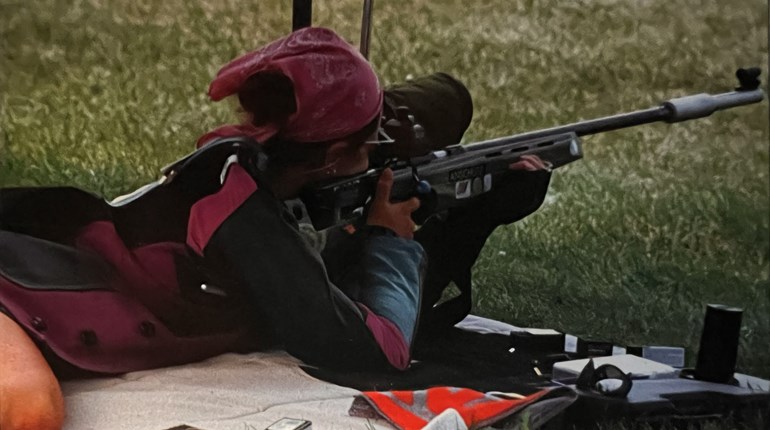
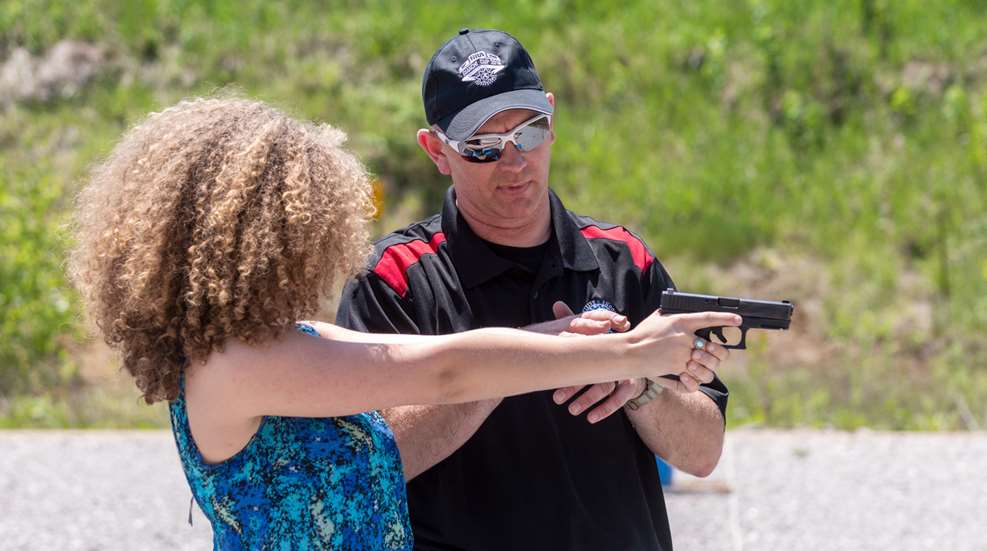
There are many effective shooting positions, depending on the situation. Pistol shooters may need to learn only one or two shooting positions, or many. As for the individual positions themselves, they can vary—from simple to complex. Regardless of the difficulty of a specific position, the process for mastering each one is the same.
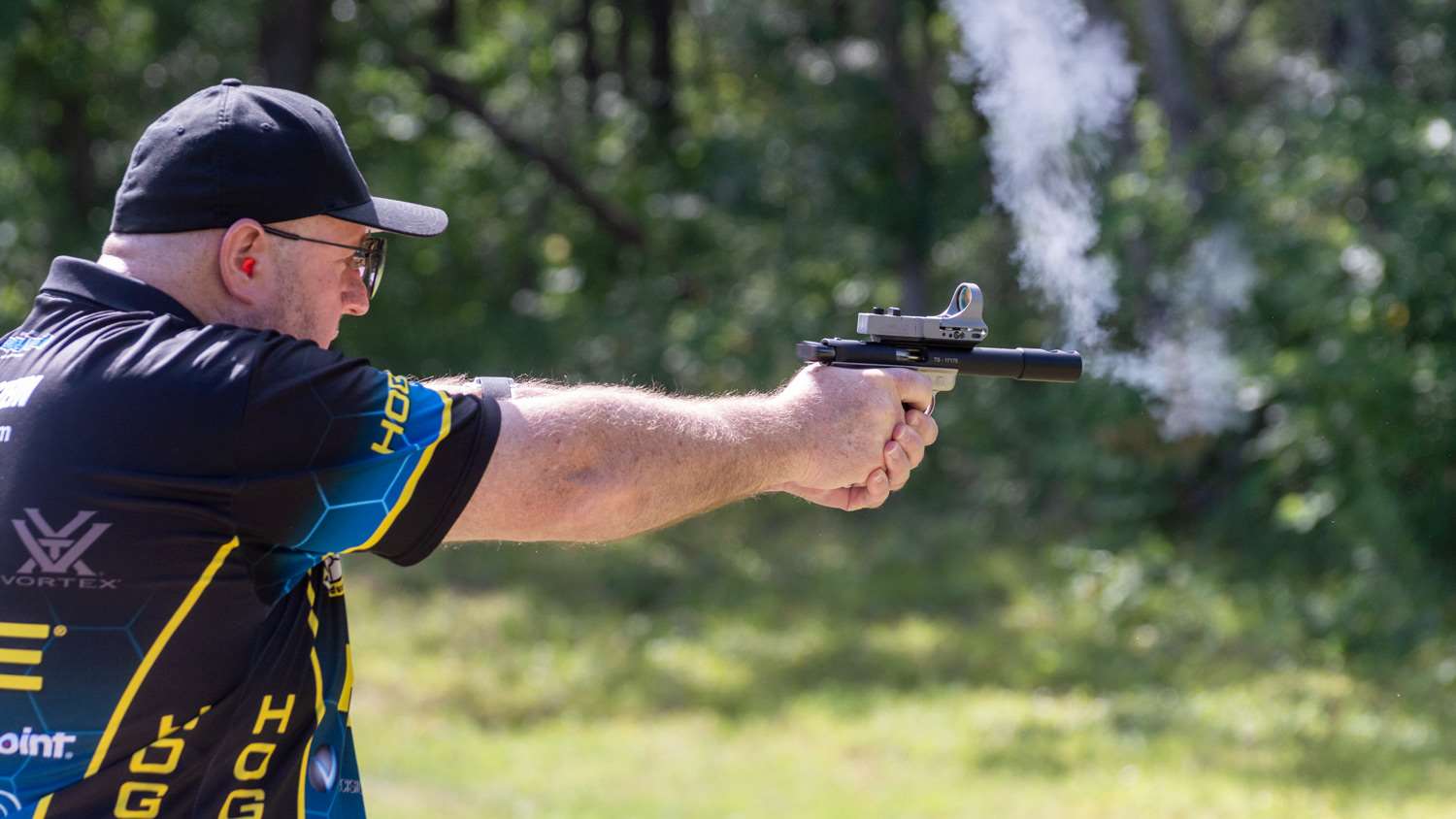
These five steps will help you build a solid platform from which to apply all pistol shooting fundamentals.
The first step in learning a shooting position is to study the position. This means knowing what is involved in the position, how it is assumed, and its purpose.
The second step is to practice the position without a pistol. Just about every shooting position places special demands upon the shooter in terms of balance, coordination, hand and foot placement—and more. Practicing these aspects of the position without a pistol simplifies things, breaking the learning process into a number of steps that build upon each other.
Next, practice the position with an unloaded pistol. Any shooting position can effectively be practiced using an empty gun in the dry-fire mode, with care taken to observe all dry-firing safety rules. (Read this article for information on dry-fire practice for competitive pistol shooting.)
During dry-fire practice, align the position with the target. Each shooter will have a different alignment with the target for each shooting position. Perform the Natural Aiming Area exercise (described here) with every shooting position learned.
Once the position has been acquired using an empty gun, test the position with live ammunition. Live-fire testing will reveal if there are aspects of the position—as well as the shooting fundamentals—that need to be corrected.
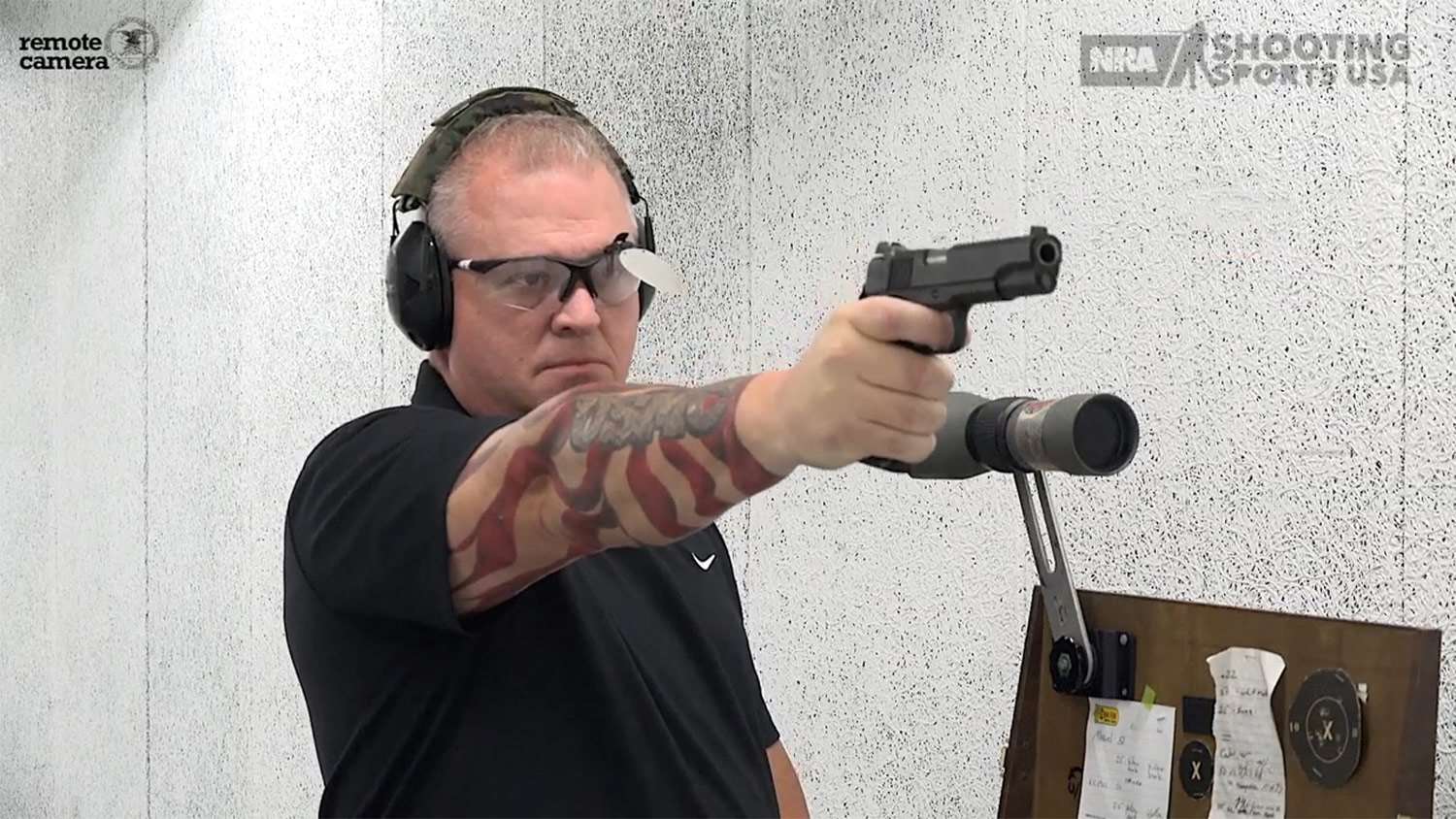
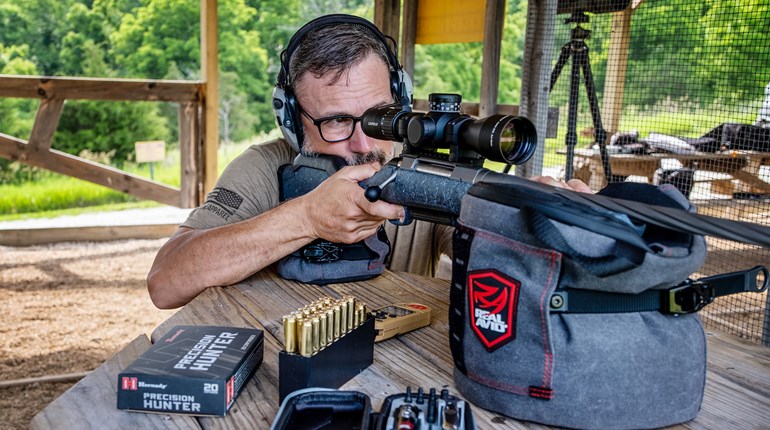
As a pistol shooter taking the initial steps, it’s best to focus on benchrest positions and the two-handed Isoceles shooting position. These positions should suffice for the great majority of shooting activities in which the novice will take part, outside of prospective bullseye (precision) pistol shooters, who should focus on building a solid one-handed position.
See more: Our Guide To Follow-Through
Most Popular