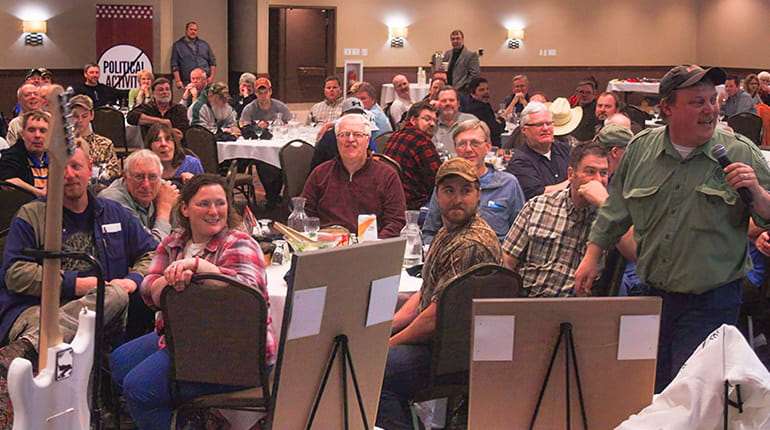

From 1930 to 1939, the National Matches were a symphony of precision and spectacle. Across a decade punctuated by economic hardship and global unrest, Camp Perry became a proving ground for America’s best marksmen, a gathering of civilians, police and military sharpshooters for a showcase of skill that captured the imagination of a nation.

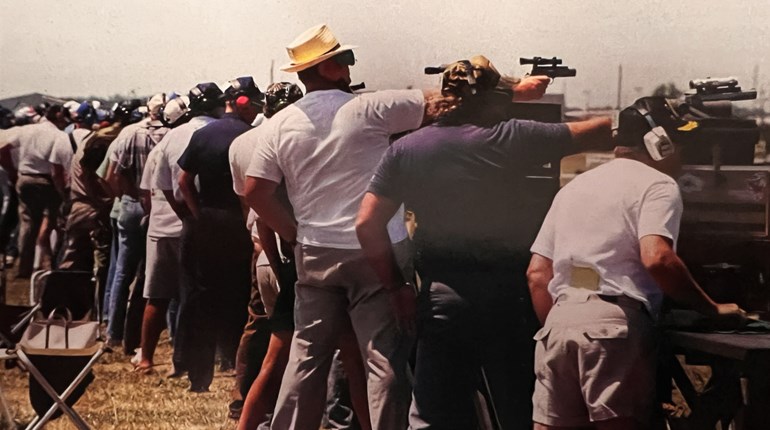
In 1930, the National Matches returned to a postwar America hungry for recreation and competition, with shooters from every corner converging on the Ohio shores, rifles in hand and ambition in their hearts. Through the early years of the decade, legends emerged: smallbore champions set their sights on perfection while police teams carved out a new niche, bringing their own brand of discipline and intensity to the firing line. By 1936, the pistol competitions had exploded in popularity, drawing thousands and proving that marksmanship was not just a military endeavor, but a sport for civilians, too. The Los Angeles Police Department’s victories and Charles Askins, Jr.’s legendary individual performance highlighted a growing trend: the best shooters came from every walk of life.
Camp Perry itself mirrored this growth, expanding ranges, erecting permanent structures and hosting a dizzying array of contests—85 by 1937. Favorable weather and innovative scoring methods led to “possibles” and record-setting performances that blurred the lines between sport and artistry. The decade’s smallbore competitions crowned masters like Bill Woodring, whose consistency and ethics made him a model of competitive honor, while women like Flossie Anson broke barriers, proving that marksmanship transcended gender.
By 1939, the world teetered on the brink of war, yet the National Matches remained a bastion of American skill and preparedness. The introduction of NRA classifications for pistol and smallbore shooters formalized a growing national network, supporting regional champions and ensuring that the next generation of marksmen and markswomen could rise to the occasion. Military and civilian shooters alike achieved feats of near-mythic precision—the perfect scores in the Herrick Match and record-shattering V-counts in the Wimbledon Cup underscored a culture of excellence that would soon serve a nation at war.
1930: Dawn of a New Decade
The 1930s at the National Matches opened with a focus on smallbore shooting, where amateurs and seasoned marksmen alike converged on the Dewar course. Bill Woodring emerged as a rising star, foreshadowing his enduring legacy. But, it was Vere Hamer in 1930 who secured the smallbore title after winning a tiebreaker over defending champion Eric Johnson. The 1930 National Matches signaled the beginning of the competition evolving into more than contests—they became showcases of skill, discipline and the emerging American sports culture.
1931: NRA Conducts More Than 70 Competitions
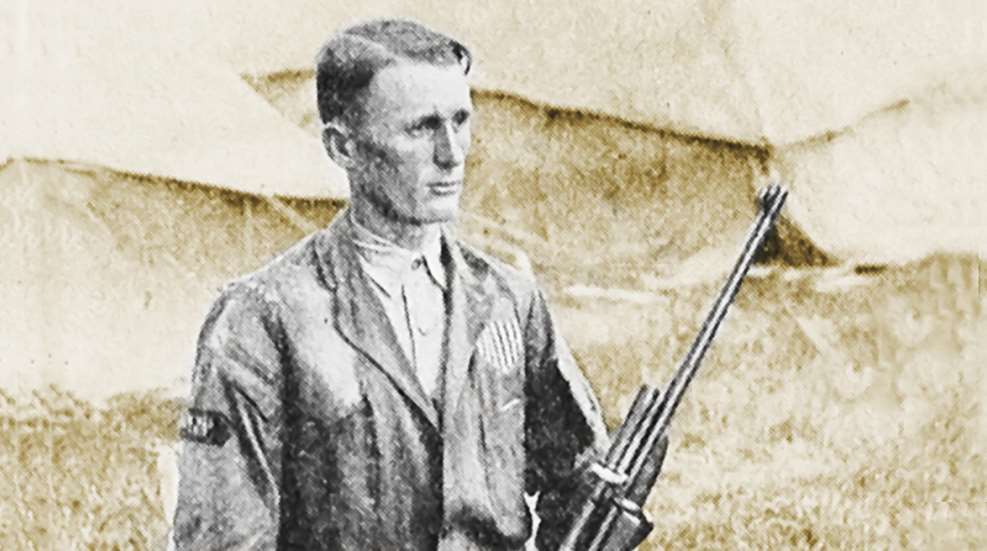
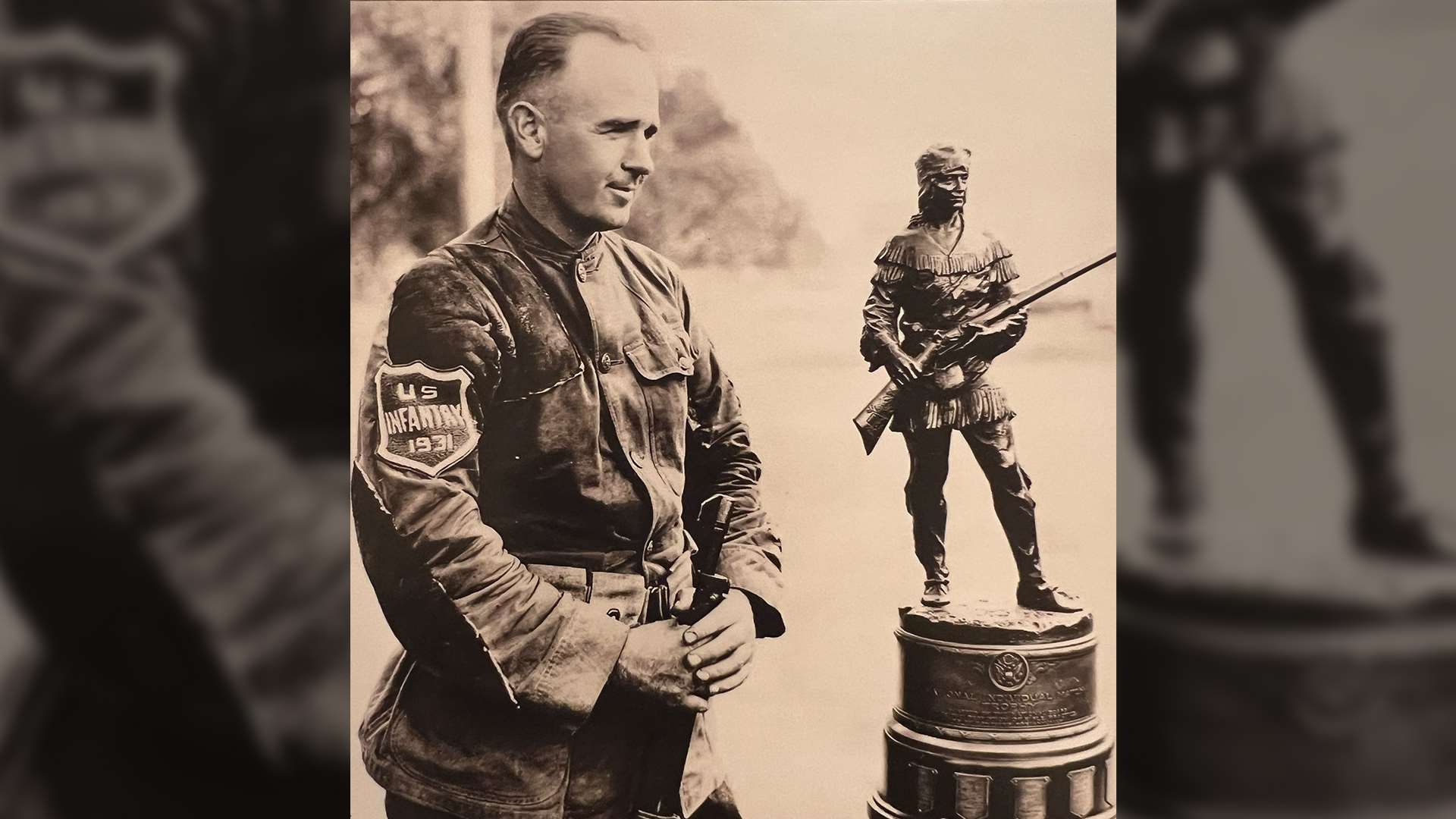
The 1931 National Matches at Camp Perry saw record attendance. More than 70 competitions were held, including high power rifle, pistol and smallbore matches, though some events were modified or eliminated due to staffing and scheduling challenges. Standout performances included Ralph Izard winning the Wimbledon Cup, Cpl. William Easterling taking the Leech Cup and Lt. Tod Sloan capturing the National Trophy Individual Rifle Match. Despite logistical hurdles and tragic news of two police team members dying in transit, the 1931 National Matches reinforced the event’s national prominence and growing popularity among military and civilian shooters alike.
1932: Corps Area Regional Competitions
With the federal budget slashed by the Great Depression, the Army canceled funding for the 1932 National Matches, prompting the NRA to step in with regional “Little Camp Perry” competitions across eight Corps Areas. These decentralized events preserved national trophies and allowed shooters from across the country to compete, with the President’s Match emerging as the most popular. Camp Perry hosted smallbore and pistol events for the Fifth Corps Area, keeping the familiar spirit of the Matches alive despite fiscal constraints. The year highlighted the NRA’s ability to maintain a national shooting program under extreme economic pressure, setting the stage for future decentralized championships.

1933: NRA’s First National Smallbore Championship
In 1933, the NRA hosted its first true national smallbore tournament at Camp Perry, proving that .22 caliber shooters could support a full-scale championship despite the lingering effects of the Great Depression. Therkild P. Samsoe claimed the national smallbore crown, while Marine Pvt. George Walker swept both the Wimbledon Cup and President’s matches, showcasing the prominence of military marksmen. In addition, Walter R. Walsh dominated pistol competition, winning the NRA Individual .22 Caliber Pistol and Revolver Championship. Across 14 states, regional NRA events complemented the smallbore championship, cementing the framework for national trophies and international postal competitions.
1934: NRA Organizes Regional Tournaments
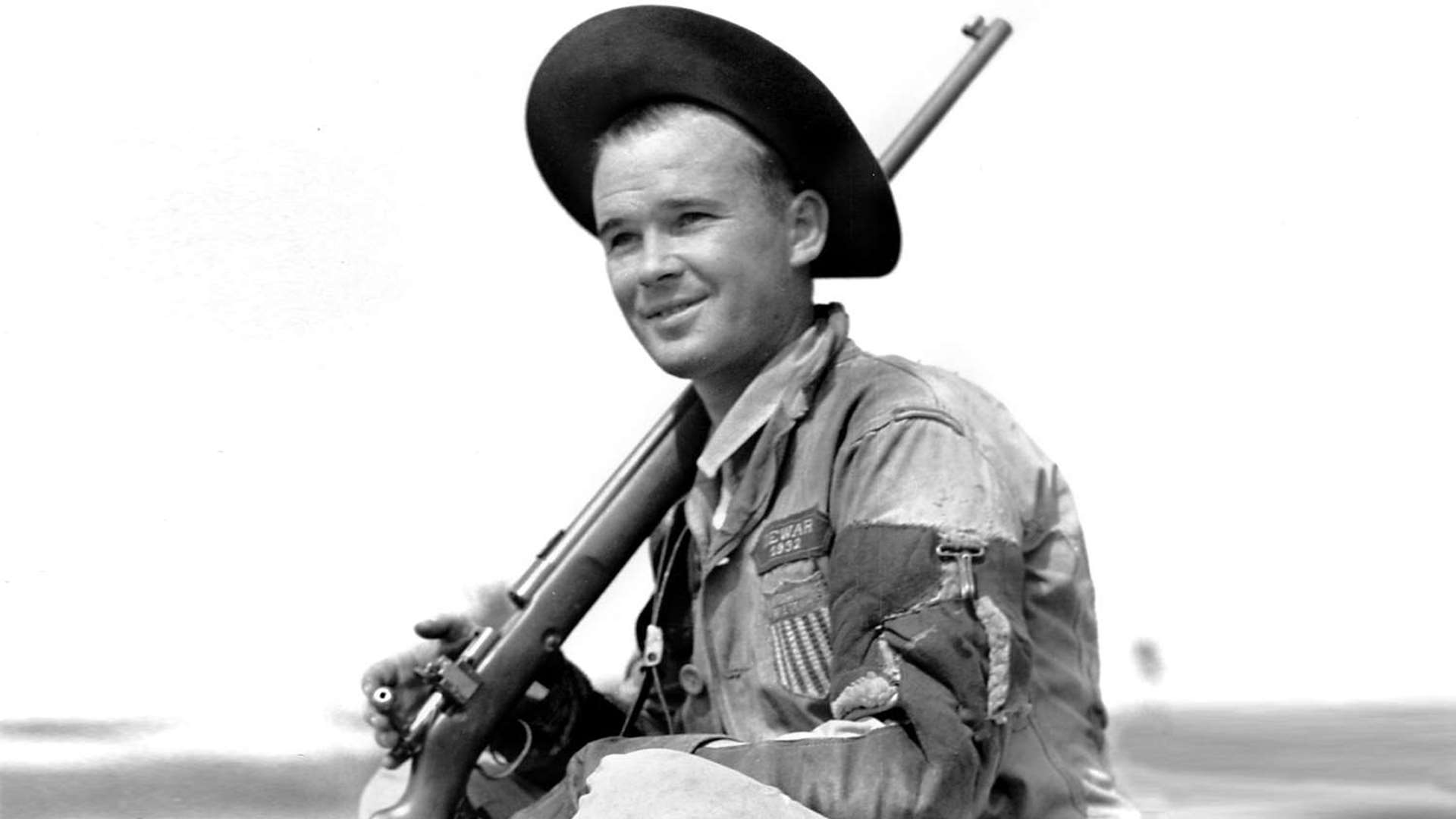
In 1934, with federal funds once again unavailable for the National Matches, the NRA orchestrated regional tournaments across 16 states, ensuring continuity for its national championship rifle and pistol events. Competitors vied for national trophies by sending scores from these regional matches, while Camp Perry hosted the Smallbore Championships with innovations like sighters and expanded aggregates. Standout performances included Paul Goulden’s sweeping victories in the President’s Match and Wright Memorial Trophy, and Frank Parsons, Jr.’s triumph in the Harry M. Pope Appreciation Match for smallbore position shooting. U.S. shooters dominated international postal events, with the Dewar Cup and R.W.S. trophies reflecting the country’s marksmanship prowess and marking milestones for women and family participation.
1935: Woodring’s Rise and Expanding Pistol Competitions
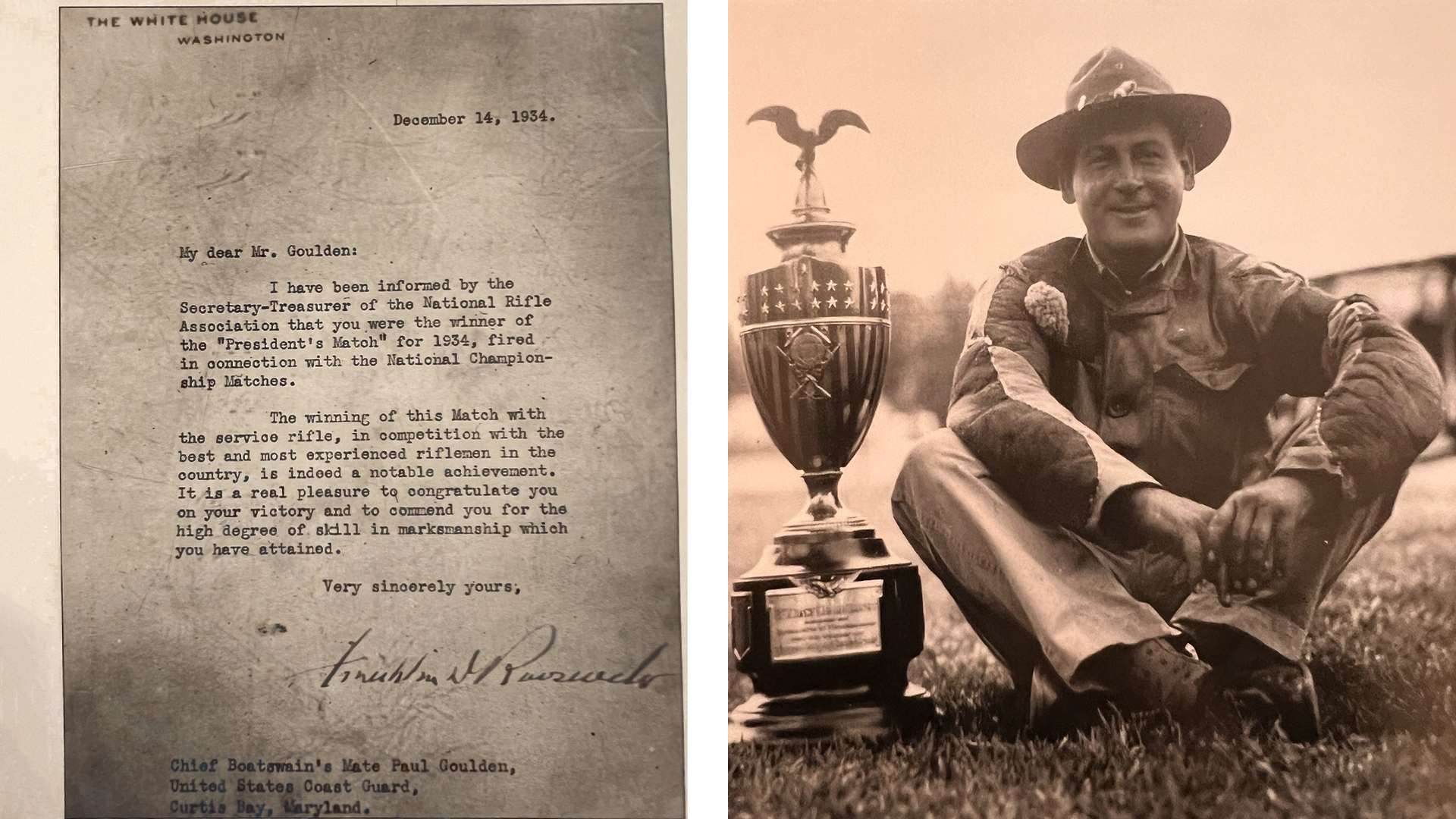
By 1935, NRA smallbore and pistol competitions had gained national attention. Bill Woodring claimed his first national smallbore championship, a performance marked by calm precision. Police and civilian teams flourished in the bullseye pistol contests, while hand-to-hand combat and tactical training highlighted the National Matches’ dual role: sport and national preparedness. Camp Perry’s identity evolved into a festival of marksmanship, where legends were born and tactical skill met competitive artistry.
1936: Record Turnout and Pistol Dominance
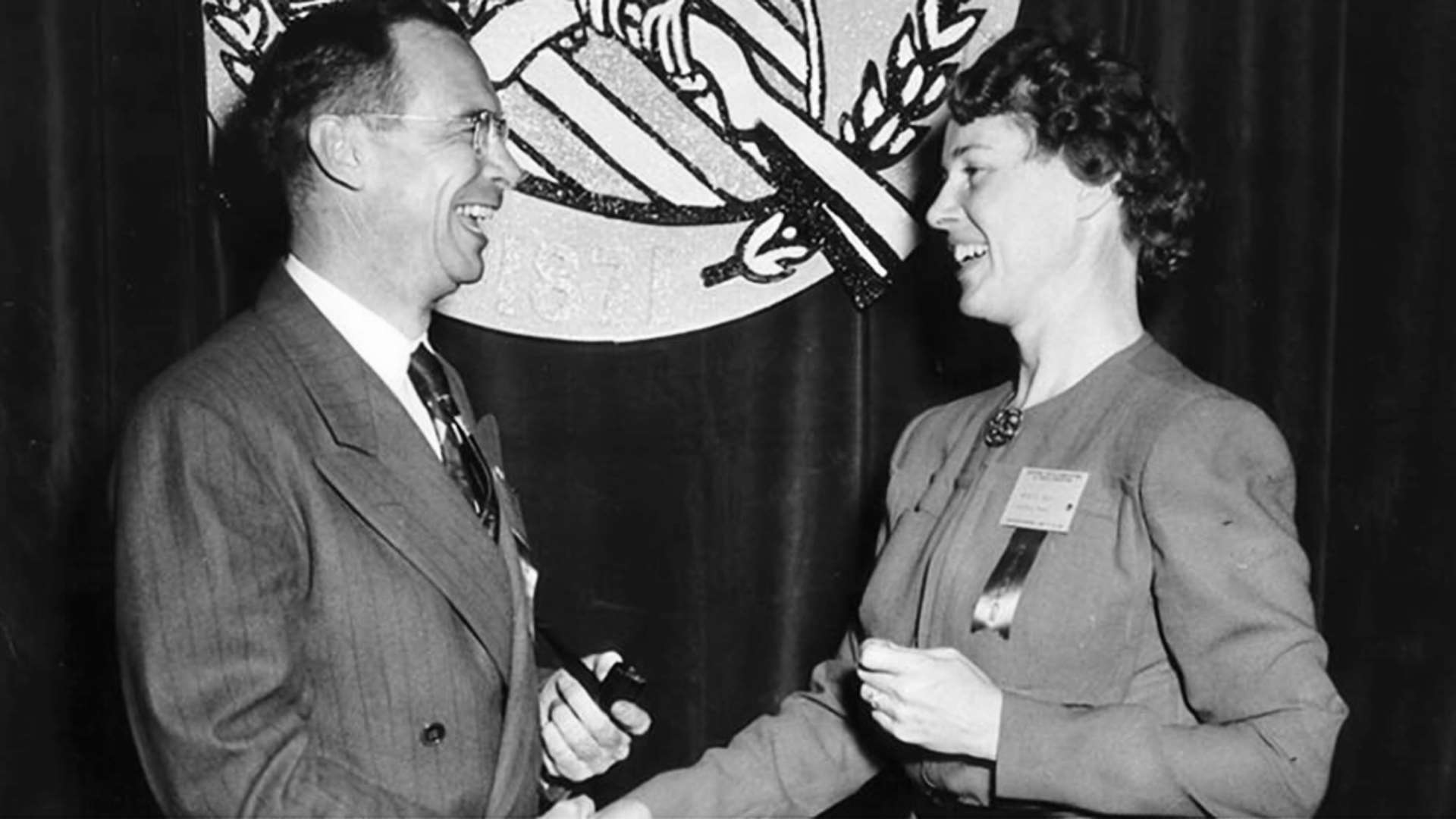
In 1936, the National Matches set new attendance records, drawing nearly 7,000 competitors. Jacob Engbrecht of the Los Angeles Police Dept. won the NRA National Pistol Championship, while Charles Askins, Jr., and Sgt. Herschel Stemen captured individual rifle honors. Co-ed smallbore teams claimed the Hercules Trophy, signaling an era of inclusivity and rising participation from women. Camp Perry’s infrastructure expanded, and the Critchfield Monument was dedicated, cementing the range as a cornerstone of American marksmanship.
1937: Two Miles of Ranges and 85 Competitions
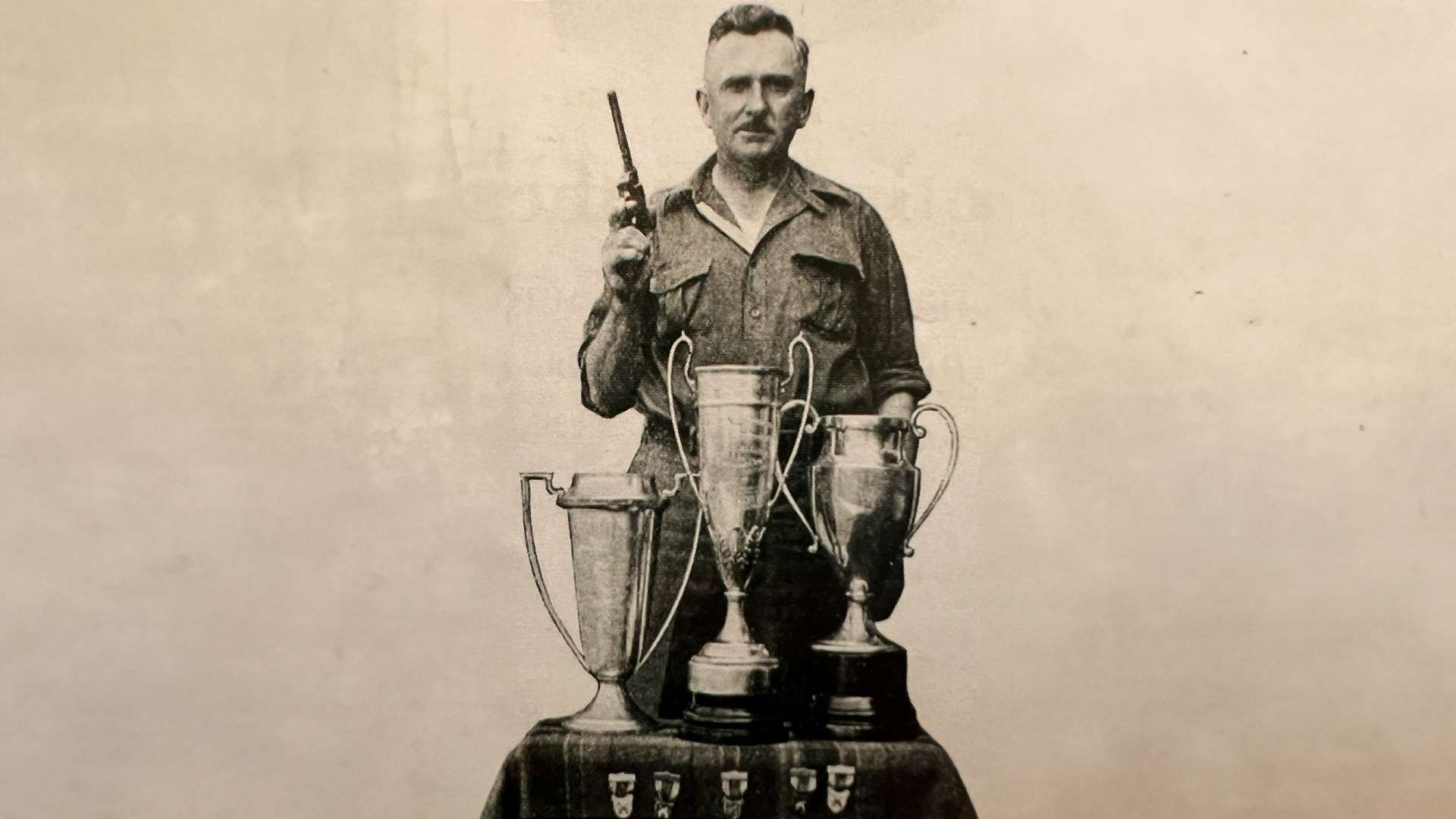
The 1937 National Matches saw unprecedented growth with 85 contests over two miles of ranges. Marine sharpshooters dominated high power rifle events, while civilians and police excelled in pistol competition. Woodring defended his smallbore rifle title, and Flossie Anson became the first woman in the exclusive 400 Club, achieving perfection on the Dewar course. On the operations side, schools for pit operators, scorers and officers reinforced the volunteer match staff ranks at Camp Perry.
1938: The National Matches Reach 1930s Zenith
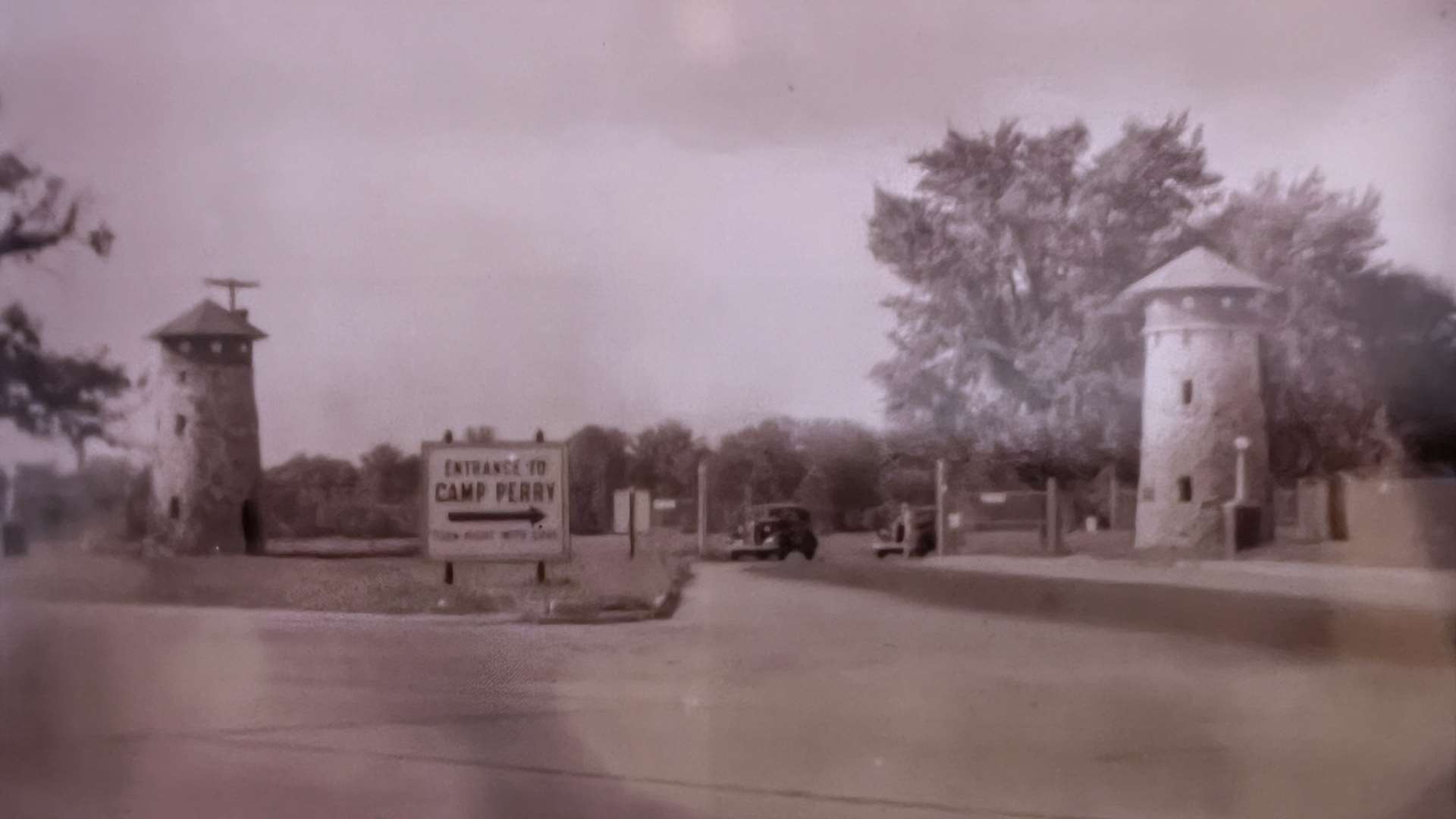
The final pre-war peacetime National Matches combined flawless weather, expanded facilities and record-breaking performances. Woodring claimed his third consecutive smallbore title after a self-protest by rival Vere Hamer, epitomizing the code of ethics and sportsmanship in competition shooting. Police teams led by Harry Reeves and Al Hemming excelled in pistol events. For the first time, a National Match event was broadcast on the radio, bringing the thrill of marksmanship to the broader public.

1939: New NRA Classifications and Pre-WWII Significance
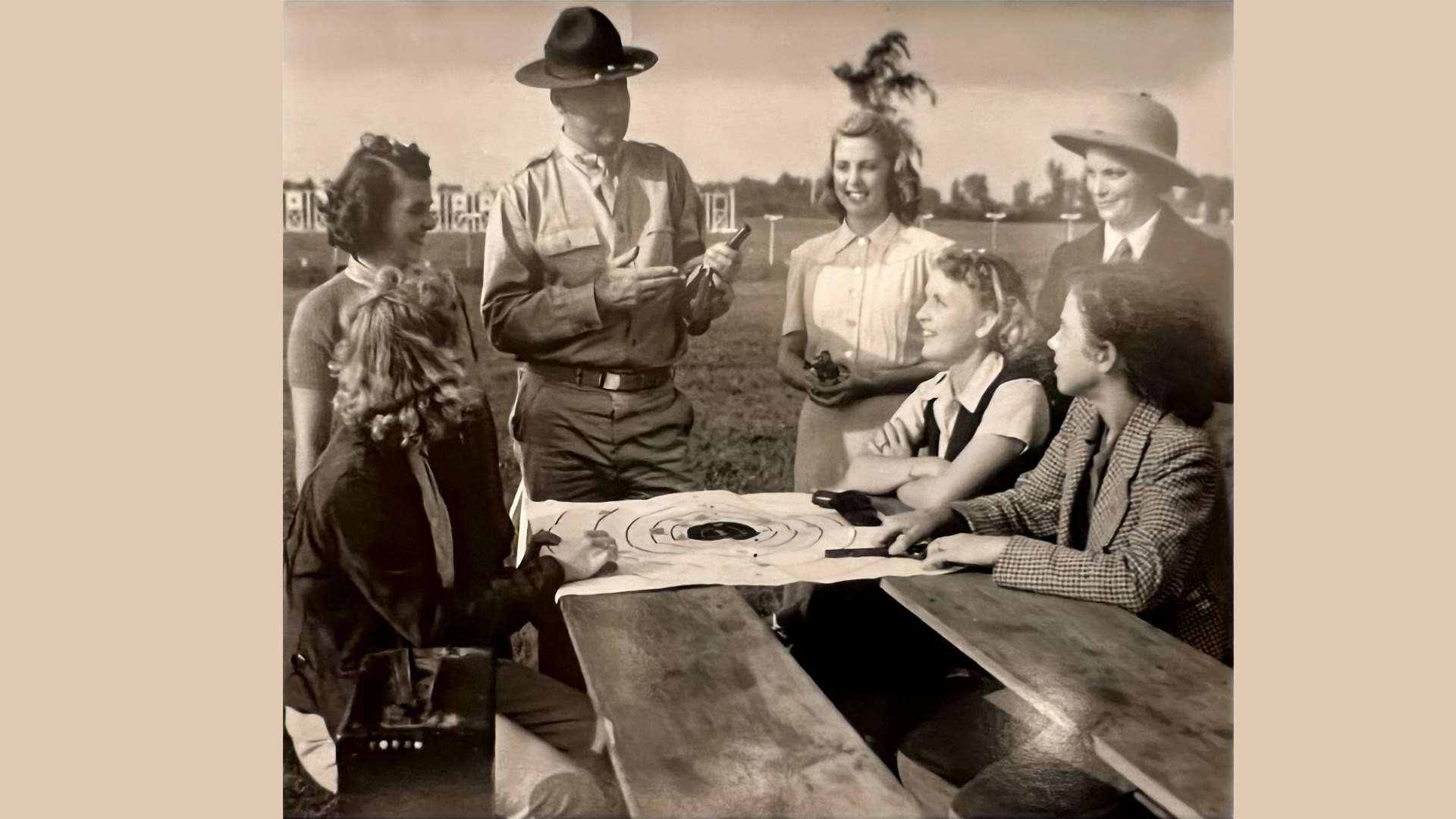
In 1939, the National Rifle Association of America introduced smallbore and pistol classifications, allowing regional champions to attend the National Matches with financial support. Alfred Wolters shattered the Wimbledon Cup record with 27 Vs, while Thomas Jones triumphed in the President’s Match, navigating a record 2,032 competitors. The M1 Garand appeared for instructional purposes, foreshadowing military modernization. International matches were overshadowed by Germany’s invasion of Poland, giving the competitions a profound pre-war significance. Women trained alongside men, reinforcing the inclusivity and national preparedness ethos of the era.
Legacy of the 1930–1939 National Matches
Across the decade, the National Matches at Camp Perry became more than trophies and tallies; they were a living chronicle of American innovation and the pursuit of mastery. The 1930s left an indelible mark on competitive shooting in the U.S., proving that marksmanship was both a sport and a testament to the nation itself.
The 1930s also transformed Camp Perry from a humble rifle range into a stage for American marksmanship. Civilians, police and military sharpshooters merged in a shared pursuit of excellence, creating a culture of fairness, discipline and iconic performances. This decade laid the foundation for modern NRA competitions and pre-war military readiness, leaving a legacy that resonates in American shooting sports today.