
In the women’s 15 km individual biathlon at the Milan Cortina 2026 Winter Olympics, it was the newcomer who delivered for Team USA.
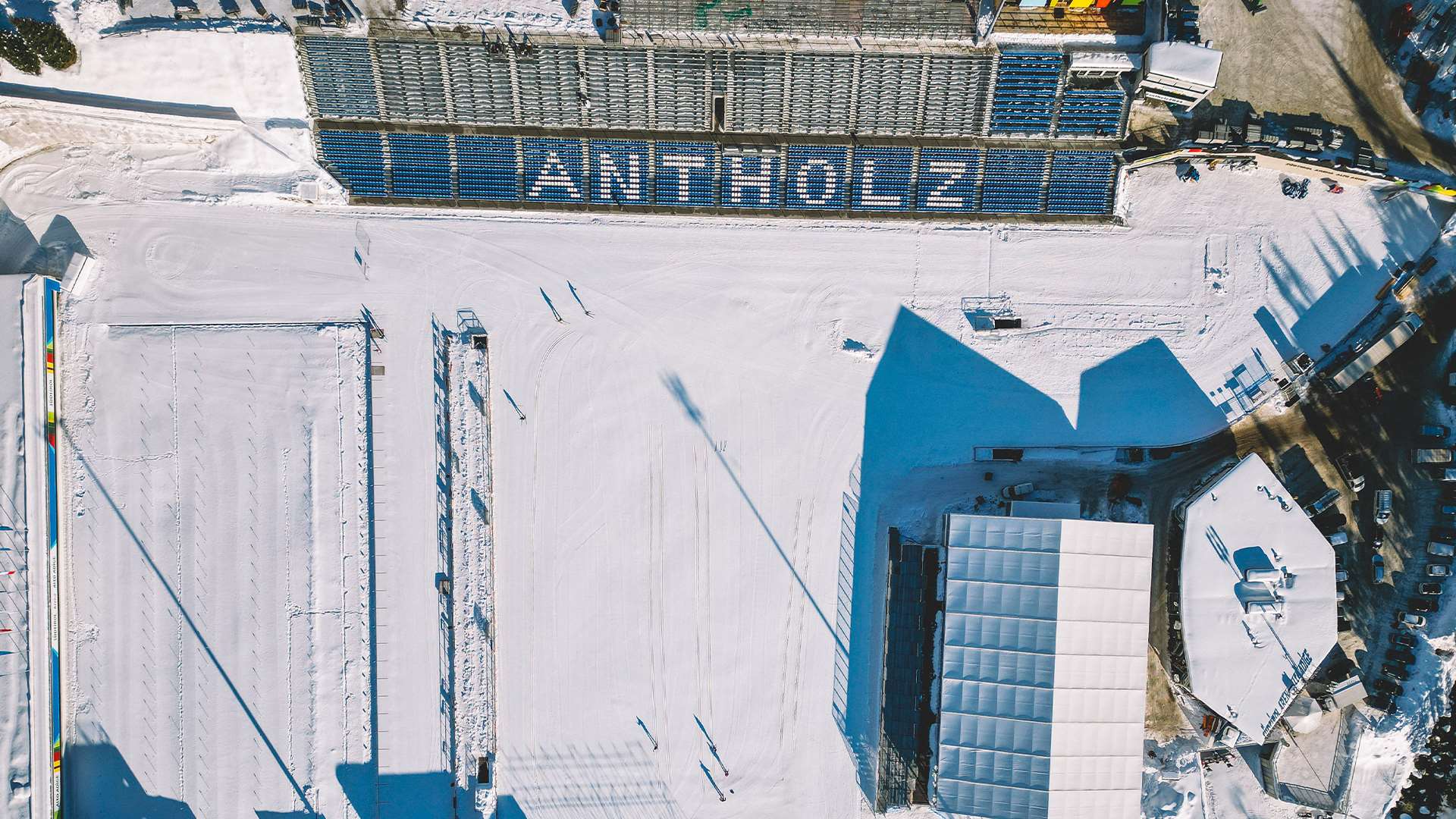
Margie Freed, competing in her first Olympic Games, posted the highest American finish in the event on Feb. 11 at the Anterselva Biathlon Arena, walking away in 21st place with a time of 44:19.9—just 3:04.3 behind gold medalist Julia Simon of France. For a program still searching for its first Olympic biathlon medal, Freed’s result was exactly the kind of performance that suggests the gap is closing.
Freed, formerly with the University of Vermont ski team, navigated the grueling course with composure that belied her Olympic inexperience. Over four trips to the shooting range, she missed just one target— a single miss in standing during her second shooting stage. That lone penalty added a full minute to her time, per the individual format’s unforgiving rules, yet she still managed to hold a position inside the top 50 for most of the race. Her ski speed was especially impressive in the closing kilometers. After cleaning her final standing stage, Freed surged from 31st to 21st on the strength of a 3:14.3 split through the 13 km checkpoint—the 15th-fastest section time in the entire 90-woman field.
That finish placed her ahead of notable names. Freed outpaced biathlon veterans from Austria, Switzerland and even host nation Italy’s Lisa Vittozzi, the reigning overall World Cup champion, who struggled with four penalties en route to 37th place.
The result was a different story for Army Staff Sgt. Deedra Irwin, who entered Milan Cortina ranked 26th in the world and first among American women in biathlon. Irwin, a Vermont National Guard soldier and part of the U.S. Army World Class Athlete Program, finished 34th in 44:57.6, more than three and a half minutes behind Simon.
The contrast with her performance at Beijing 2022 was hard to ignore. Four years ago in China, Irwin finished seventh in this same event—the highest individual result ever recorded by an American in Olympic biathlon. She missed a podium finish that day by a single shot. This time, Irwin carried three penalties into the final standings, with two misses during her last standing stage proving especially costly. After shooting clean through the third prone stage and climbing as high as 13th on the course, those two late misses dropped her from 14th to 37th at the fourth shooting split. She skied well enough to recover three spots on the final loop, but the damage was done.
The numbers tell the story of what went wrong. Irwin entered her fourth and final shooting bout ranked 14th overall and in solid position to threaten the top 10. Her approach time to the range was among the best in the field. But her standing stage time of 3:03.9—which included the two penalty minutes—was the 78th-slowest of 90 competitors. In an event where a single missed target adds 60 seconds, two misses in the final stage can erase an entire race’s worth of strong skiing.
Still, Irwin’s body of work at the international level commands respect. She ranks 26th in the current IBU World Cup overall standings and 11th in the mass start discipline this season. Her Milan Cortina campaign is far from over, with the women’s 7.5 km sprint on Feb. 14 and the 10 km pursuit on Feb. 15 still ahead.
In a January interview with olympics.com, Irwin offered a perspective worth remembering after a tough day on the range. “I kind of had that moment of realization [that] it’s not just about the Olympic medal,” she said. “You can have so many Olympic moments.”
The rest of the American women’s contingent in the women’s 15 km individual biathlon included Joanne Reid, Irwin’s close friend and longtime teammate, who finished 68th, and Luci Anderson, who placed 84th in the 90-athlete field.
At the front of the race, France owned the podium’s top two steps. Simon, who missed just one target, won the country’s first Olympic gold in the women’s 15 km individual with a time of 41:15.6. Her teammate Lou Jeanmonnot took silver, 53.1 seconds back, while Bulgaria’s Lora Hristova delivered a flawless shooting performance—hitting all 20 targets—to claim the bronze in 42:20.1.
Prior to the women’s 15 km individual race, Irwin and Freed teamed up with Maxime Germain and Campbell Wright in the mixed 4x6 km relay on Feb. 8. The American quartet finished 14th in 1:07:43.2, trailing gold by 3:27.7. Irwin anchored the third leg and shot clean in prone but picked up one standing penalty that contributed to an 18th-ranked standing stage. Freed, skiing the anchor leg, closed with the third-fastest final section split in the field despite absorbing three total penalties across her two shooting stages. She had two misses in prone and one in standing.
The U.S. women return to the Anterselva Biathlon Arena this weekend for the sprint on Saturday and pursuit on Sunday, followed by the women’s 4x6 km relay on Feb. 18 and the 12.5 km mass start on Feb. 21. For Freed, the mission is straightforward: prove the individual result was no fluke. For Irwin, it is about recapturing the form that once put her within one shot of an Olympic medal—and reminding everyone why she remains the top-ranked American woman in the sport.