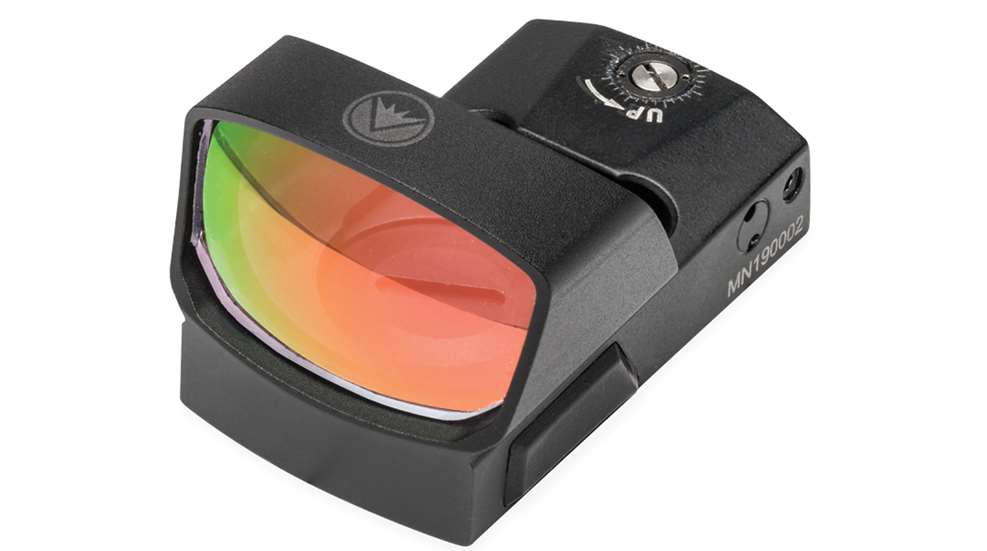
The Burris FastFire series of reflex sights has gone through several design evolutions, and the latest addition, the FastFire 4, has features that will interest competitive shooters.
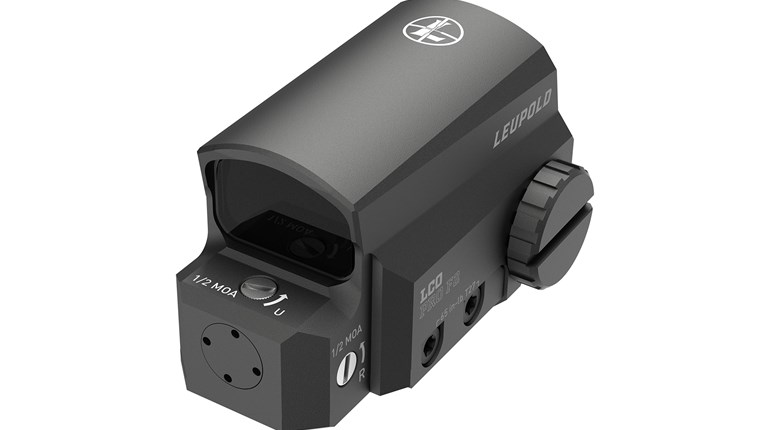
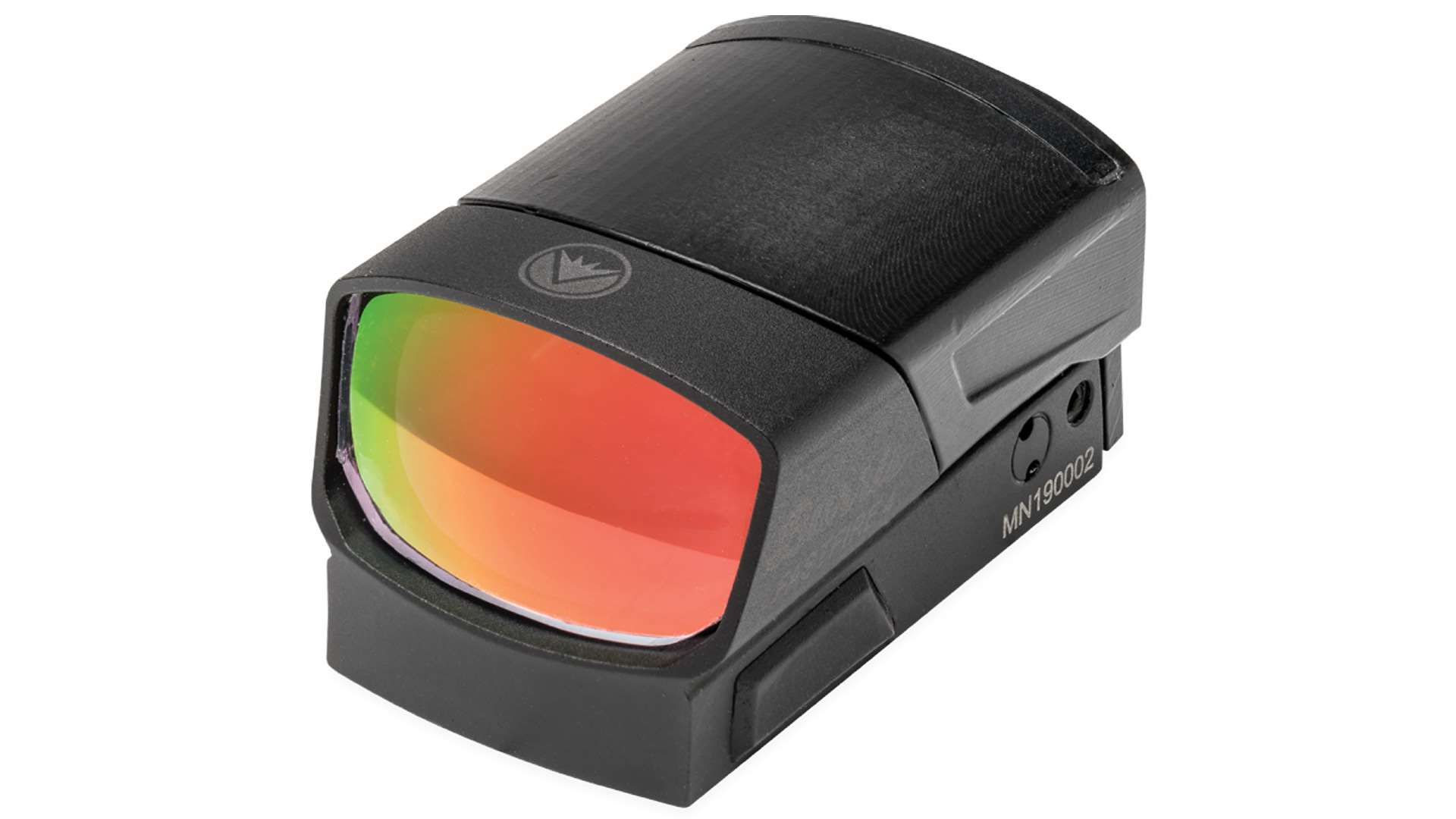
With 1x magnification, the new Burris FastFire 4 ($397.95, burrisoptics.com) sports the same mounting footprint as the FastFire 3 and fits existing mounts. The sight window is the same height as the FF3, but is noticeably wider. The FF4 uses the readily-available CR1632 battery, and similar to the FF3 it loads from the top. The windage and elevation adjustments have a 90-MOA range with marked clicks. However, the owner’s manual notes the markings do not correspond to a MOA number and are included for reference only. The sight ships with a Picatinny mount, rear protective cover, CR1632 battery, two mounting screws and the appropriate wrenches.
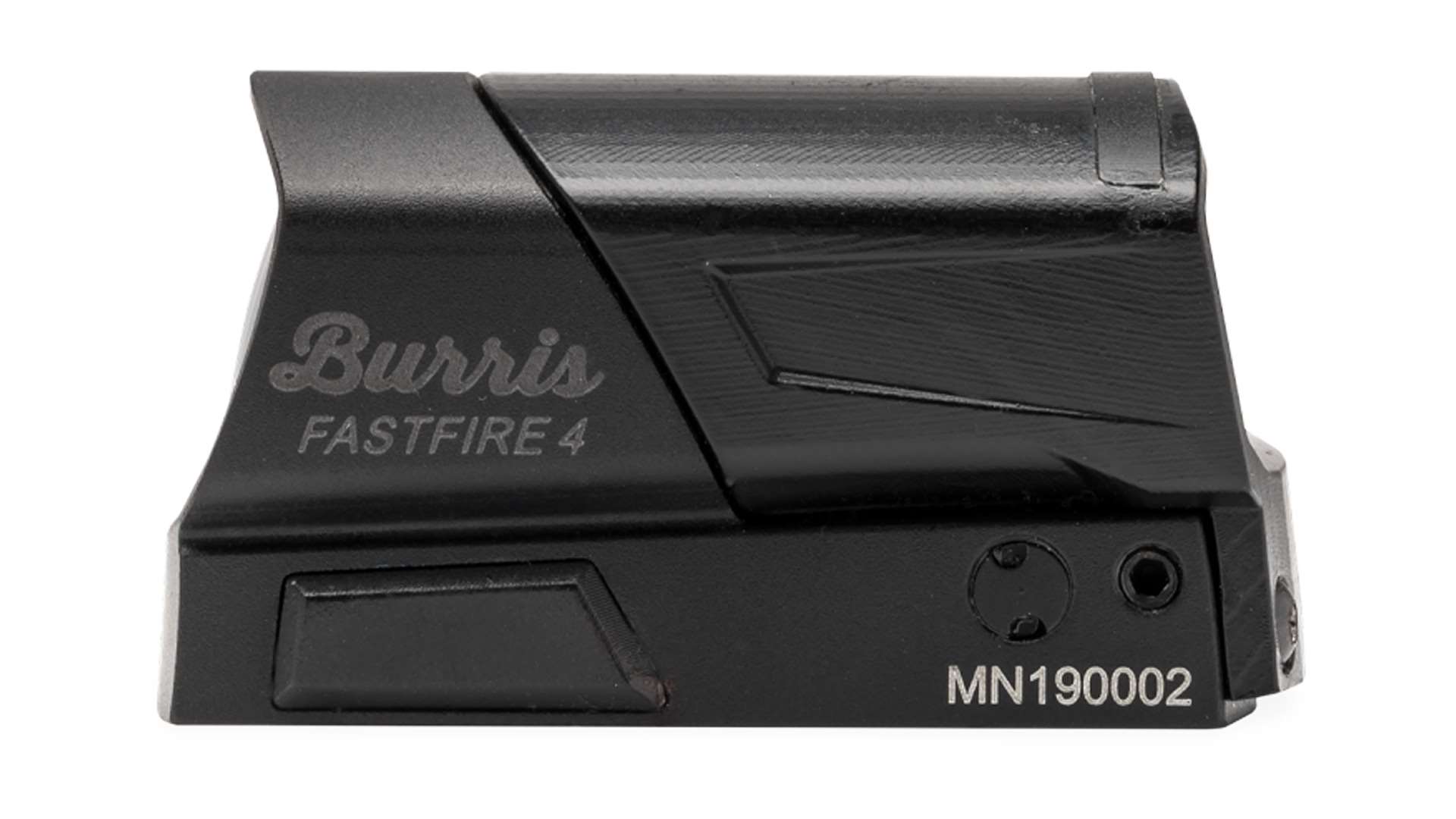
Simple controls make for easy operation. There are two buttons, one each on the left- and right-hand sides. To turn on the FF4, press either button. To turn the unit off, press and hold the left-side button for two seconds. Additionally, should you forget to turn the sight off, there is an automatic eight-hour shut-off feature.
Brightness levels are controlled by the left-side button. Cycling through that will produce auto-adjust, low, medium and high reticle brightness levels. The right-side button cycles through four different reticles—a 3-MOA dot, 11-MOA dot, 11-MOA dot in a 40-MOA circle and a 3-MOA dot inside the same circle with horizontal wings leading into the dot. The two plain dots interested me the most.
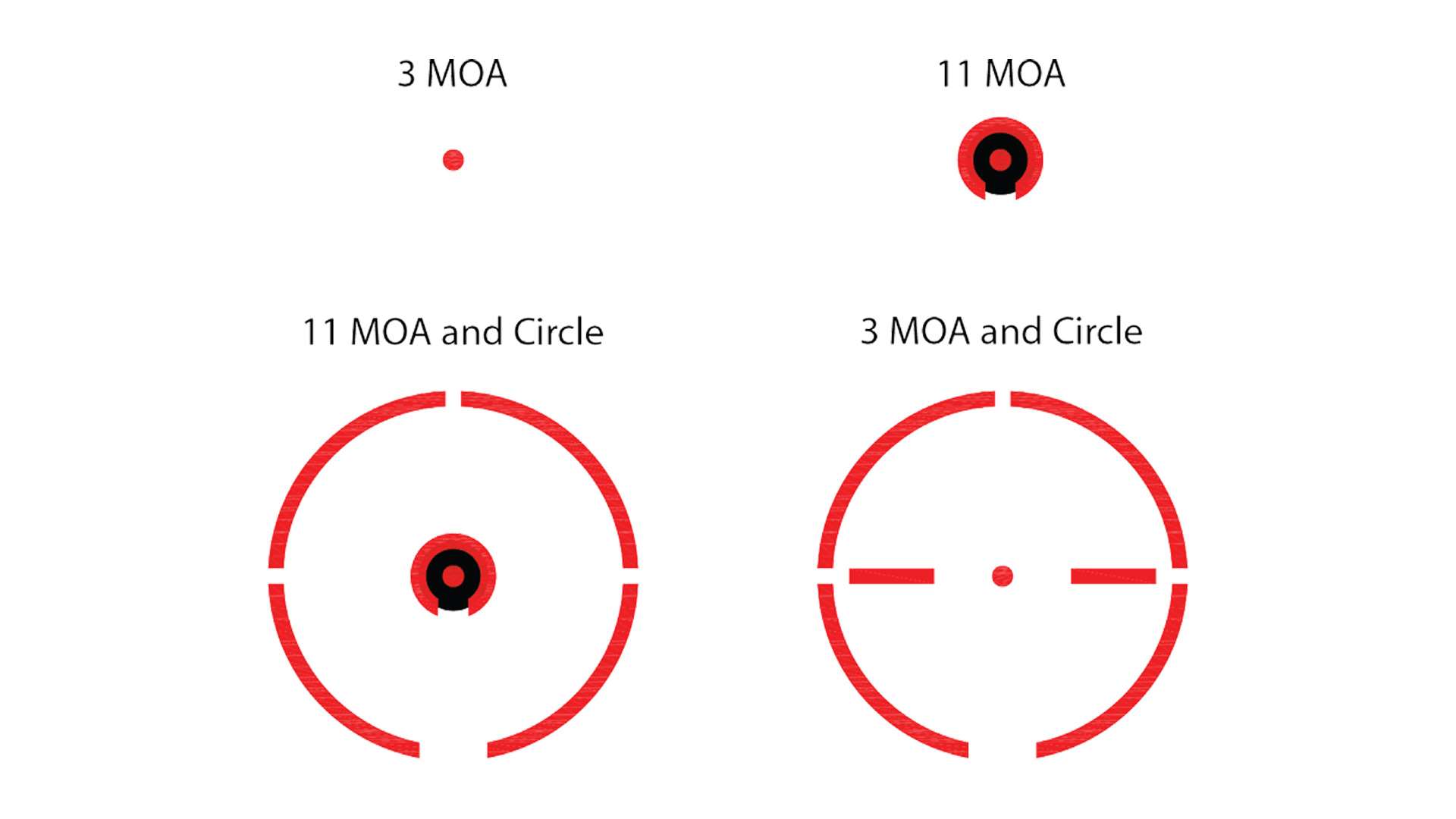
Steel Challenge has stages where targets are big and close, along with stages where targets are smaller and further. An 11-MOA dot would translate to about 2.75 inches at 25 yards, and less than 1.5 inches at half that. I thought it might be an asset to be able to flip back and forth between 11 and 3 MOA to specifically address different stages.
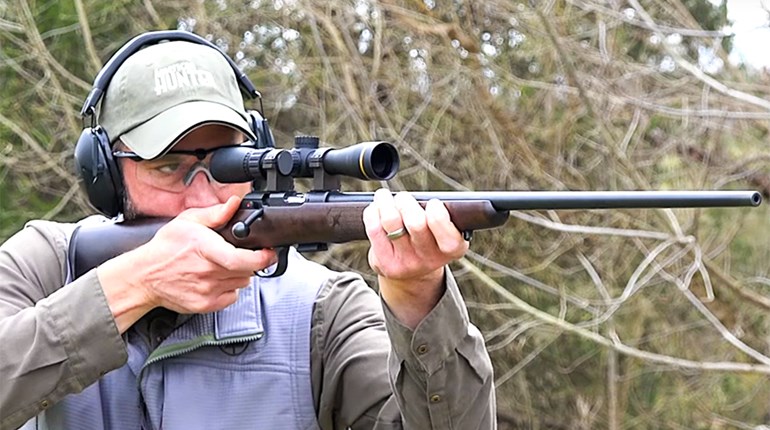
I used the Picatinny mount to install the sight on a Smith & Wesson Performance Center T/C .22 LR rifle. The FF4 doesn’t come with a sight cover that protects the front lens. Instead, there’s a rear hard cover that leaves the front lens exposed. I found a Dream Plastics slip-on cover for the SIG Sauer ROMEO1 sight that fit perfectly. Even in a gun bag, I prefer the front sight to be protected.
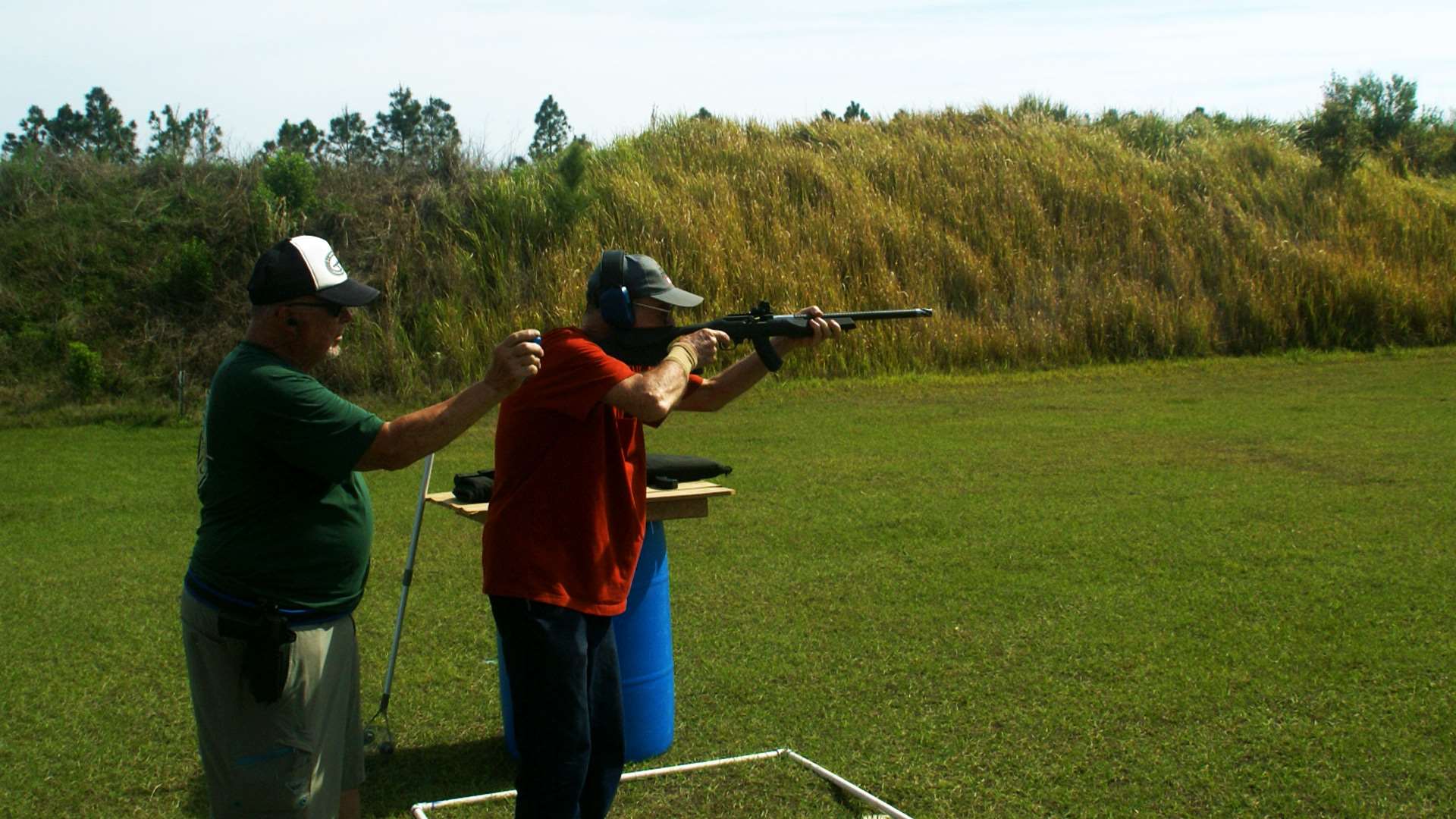
After zeroing the gun at 25 yards with the 3-MOA dot, next I checked the zero with the 11-MOA dot. There was no shift in impact point. That was followed two days later by a six-stage Steel Challenge match.
It had been five months since I’d shot the T/C in a match and I was a bit rusty. This range looks right into a low rising sun, but the brightness adjustments burned through it perfectly. There were no issues with the sight. I didn’t beat any of my A-Class peak times. But by being able to zip back and forth between the dot sizes, I did manage to get within 0.25 seconds on a couple runs and 0.60 seconds on two other ones. After using the FF4 in live competition, I’ll probably slip it onto RFPO gun for my next Steel Challenge match.
Those two plain-dot reticles suited me well. Other competitive shooters may find the two other choices to their liking. The choice of reticles, combined with easy operation, give the Burris FastFire 4 several competitive options.
Read more: Top USPSA Carry Optics Guns And Gear In 2020