
In the world of rifle shooting, success is often decided not by force or speed, but by stillness. This article examines two essential elements of that stillness: breath control and hold control.
Breath Control
Observe the shooter closely, and one truth becomes immediately clear: as long as breathing continues, movement persists. The rise and fall of the chest subtly transfers through the body and into the rifle, disturbing the alignment of the sights. To achieve steadiness, breathing must be deliberately controlled.
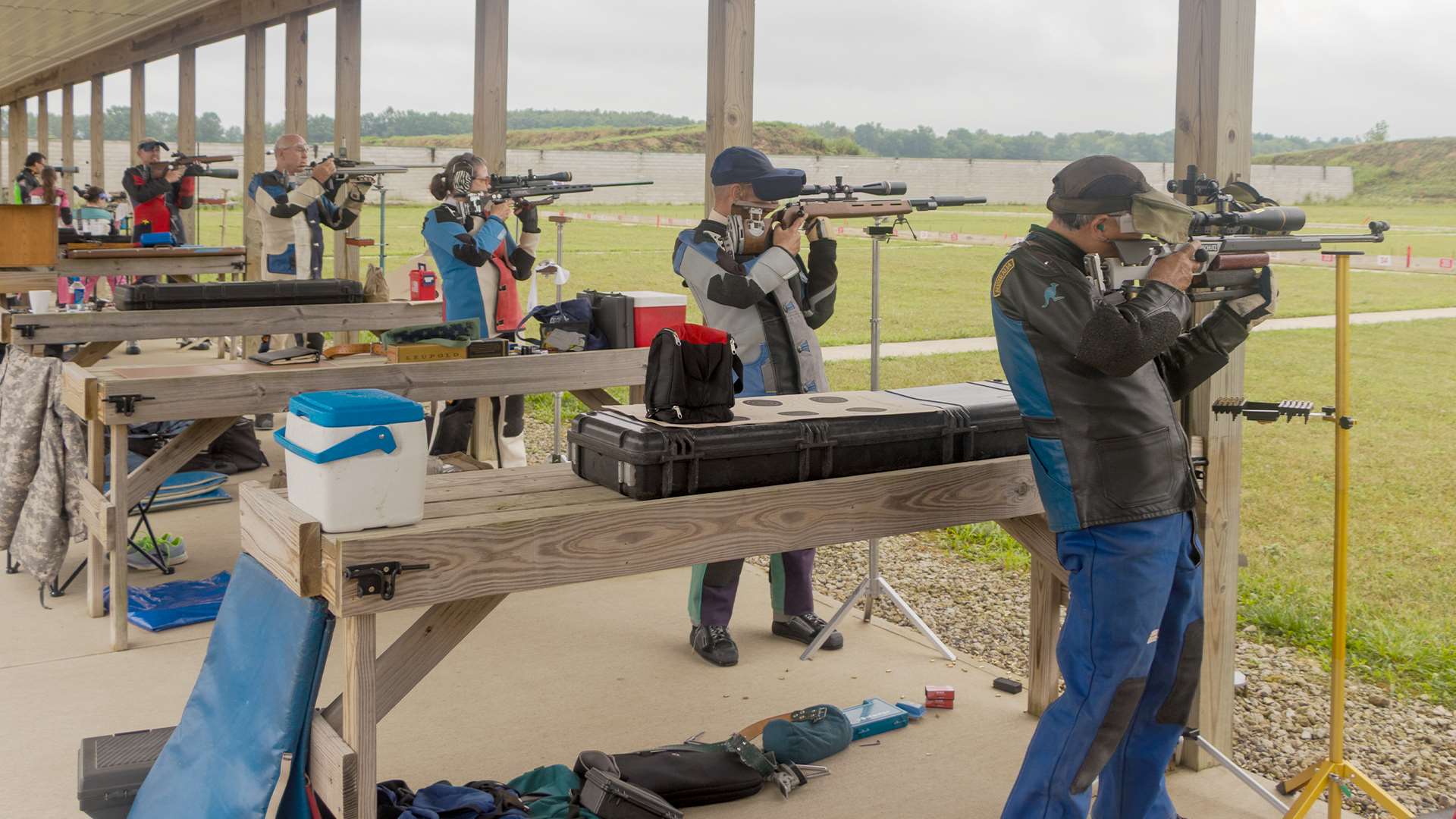
The process begins naturally. Breathe normally while lifting the rifle, settling it into the shoulder, and guiding it toward the target. As the front sight arrives at the aiming bull, exhale—then pause. In this quiet moment, breathing stops and the body grows calm. The shot is fired before breathing resumes.
This pause should be brief, no longer than eight to 10 seconds. Beyond that, tension and discomfort begin to undermine control.
Mastering this interruption of the natural breathing cycle takes practice. Developing the skill in a supported shooting position, as previously discussed, allows the shooter to learn the rhythm of breath control with greater ease and consistency.
Hold Control
Even in perfect silence, complete stillness remains elusive. No person—no matter how skilled—can hold a rifle utterly motionless. Even Olympic champions experience movement in their sight picture.
Shooters refer to this gentle, constant motion as “hold” or “hold movement.” The discipline of reducing and managing it is known as hold control.
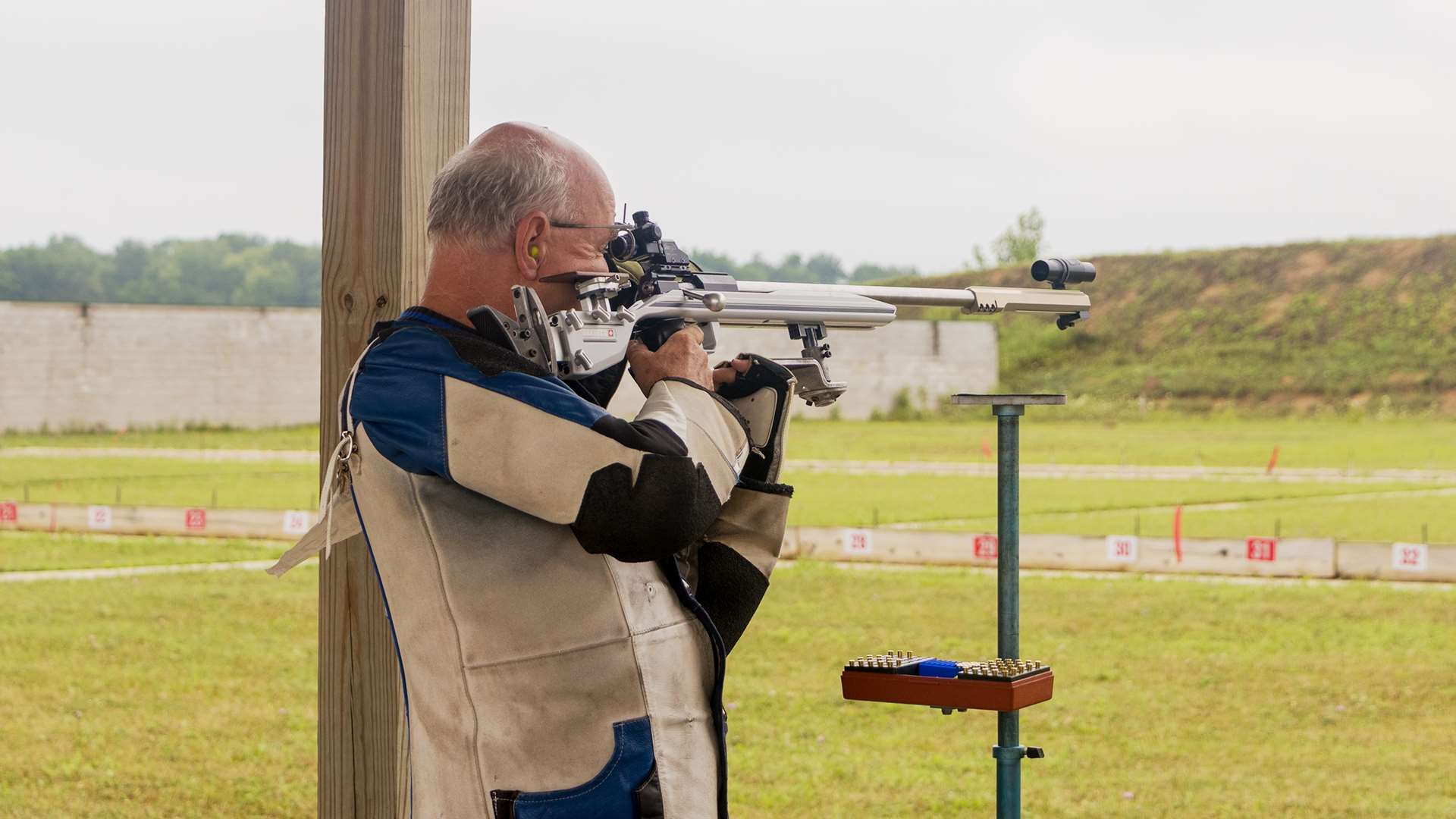
What the shooter sees through the sights is a reflection of this hold. The size and pattern of that movement reveal how well control is being maintained. The objective is not perfection, but minimization—holding the rifle as steadily as possible.
True hold control comes from within. Attention turns inward, muscles soften, and unnecessary tension is released. The body is encouraged into stillness, guided by calm concentration and quiet focus.
The Moment of the Shot
Breath and hold control are inseparable, working together in a delicate balance. With experience, the shooter learns to recognize the brief window when movement is least—when the rifle seems almost suspended in time.
That is the moment to pull the trigger.
Remaining mentally focused, relaxed and aware allows these techniques to come together naturally, transforming motion into control and effort into precision.