Trigger control is one of the most important fundamentals in rifle shooting. It determines whether your shot breaks cleanly or veers off target. A good shot happens when you fire during your steadiest hold, and when your trigger press is smooth enough not to disrupt that hold. No matter how well you aim, if the trigger isn’t pressed correctly, the shot won’t land where you intended.
The concept is simple. Pull the trigger only while holding the rifle as steady as you can, and make sure the motion is smooth from start to finish. If the shot surprises you with a jolt or the sight picture shifts as you fire, chances are your trigger control needs work.
The Importance of Hand and Finger Position
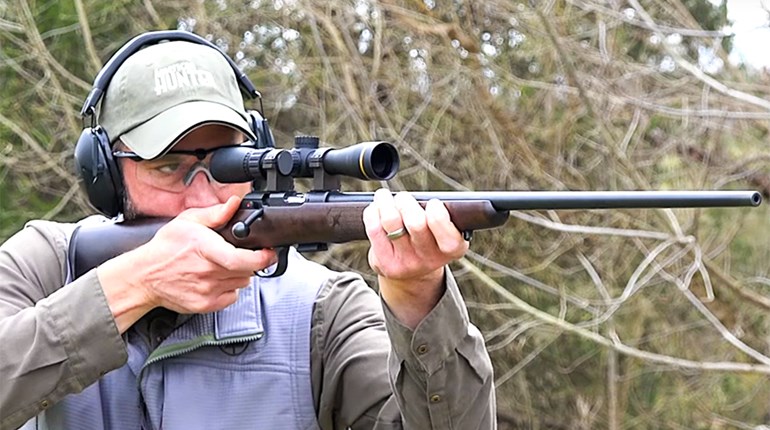
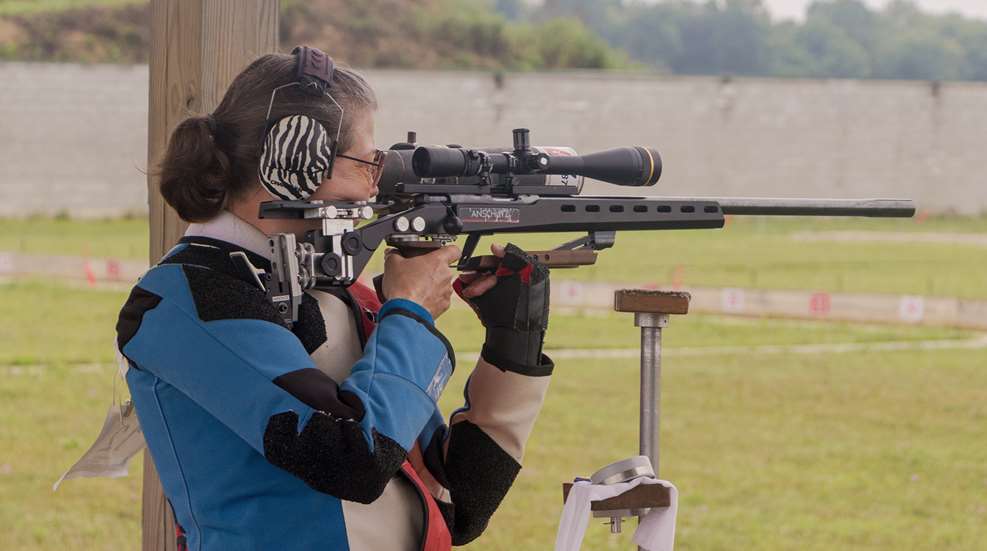
Your grip has a direct effect on how well you can control the trigger. Think of it like a firm, natural handshake with the rifle. Your shooting hand should wrap the grip securely but not tightly. The index finger, which operates the trigger, should fall naturally so that the area just above the first joint rests on the trigger face. This placement helps the trigger press move directly back toward the rifle’s body, which keeps the rifle from shifting during the shot.
A common mistake is pressing the trigger from the side or at an angle. This causes lateral movement and throws off your point of aim. The pressure needs to come straight back, and that can only happen when the grip and finger position are correct.
Applying Smooth, Controlled Pressure
Once your grip is set and your sight picture looks right, it’s time to apply pressure to the trigger. This isn’t about speed or force. It’s about timing and consistency. The idea is to start pressing the trigger only when your hold feels solid. From there, continue to increase the pressure slowly and steadily until the shot breaks.
At no point should you rush or snap the trigger. Jerking or flinching breaks the sight picture and sends the shot off course. Instead, the rifle should fire as a natural result of smooth and even pressure. Done properly, it almost feels like the rifle fired on its own while you were focused on maintaining your aim.
Practicing for Real Improvement
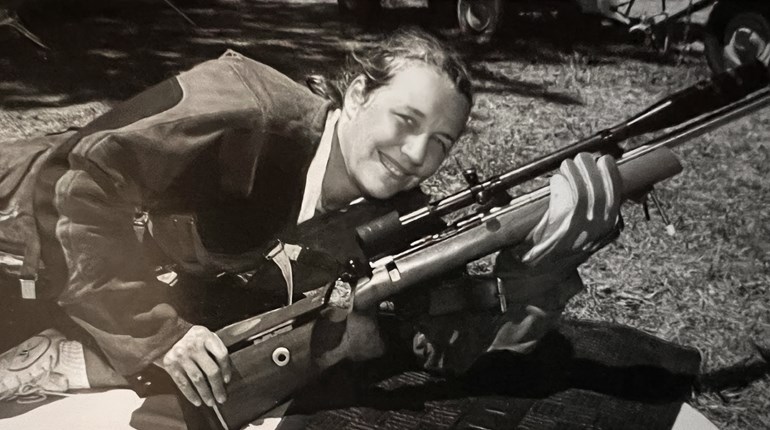
For beginners, it can be frustrating to see the sights moving no matter how hard you try to stay still. That’s normal. In fact, you should begin by accepting some movement in your hold. The goal is not to eliminate movement completely at first, but to avoid disturbing the hold with your trigger press. Fire when your aim is as steady as you can manage, even if the rifle is moving more than you’d like. With practice, your hold will improve.
The focus should stay on applying smooth, straight-back pressure during your best hold. Trying to shoot better than you can currently hold is a common trap. Let your hold progress naturally while keeping your trigger control consistent. Over time, as your position improves, your accuracy will improve with it.
Building a Strong Foundation
Trigger control doesn’t stand alone. It works alongside other shooting fundamentals like aiming, breath control and hold control. You need to think about all of these together, but it’s often the trigger that brings them into harmony. When your breath is calm, your sight is settled and your hold is at its best, that is when the trigger should be pressed.
You’ll get the most benefit by thinking through every shot before you take it. That mindset helps you commit to a smooth pull only when everything else feels right. It also makes you more aware of mistakes so you can correct them before they become habits.
Rifle shooting is about control, and that control is expressed through your trigger press. Grasp the rifle firmly, place your finger in the right spot, wait until your aim feels steady and then apply smooth, even pressure straight back. It sounds simple, and with time and practice, it becomes second nature. Trigger control is what turns a good setup into a good shot, and mastering it is a major step toward becoming a consistent, accurate shooter.
Most Popular