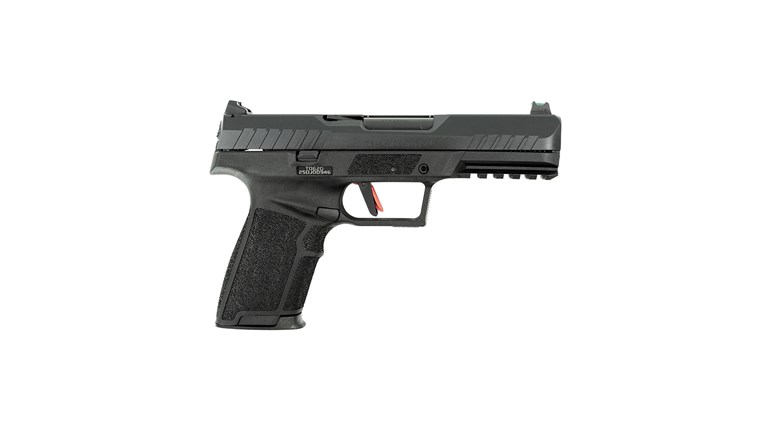

Most rifle companies will tell you their guns are accurate. Benelli would rather show you why.
The Italian gunmaker has released a new video series called “Art of Performance” that walks viewers through the proprietary three-step barrel manufacturing process behind the Benelli Lupo bolt-action rifle. Filmed at the company’s factory in Urbino, Italy—a city whose Renaissance heritage still shapes the culture of craftsmanship there—the first installment is a methodical look at how heat, chemistry and extreme cold work together to turn raw steel into a barrel engineered for repeatable precision.
“The Lupo’s action delivers confidence. Its chassis system ensures repeatability. But the soul of its performance lives in the barrel—meticulously engineered through Benelli’s exclusive process to create uncompromising accuracy,” Benelli USA CEO Tom DeBolt said.

A rifle is only as good as its barrel, and at Benelli’s Urbino facility, each one begins as raw steel shaped by machines, guided by masters and perfected by data. Components are machined to tolerances measured in hundredths and even thousandths of a micron. Before any barrel takes its final form, advanced modeling and simulation refine every detail. As one engineer in the video puts it, the factory exists to remove uncertainty in manufacturing, because uncertainty is the enemy of performance.
The first step is a precision vacuum heat treatment that exposes the steel to high temperatures in a controlled, oxygen-free environment. The goal is to eliminate internal stress at the molecular level before the barrel ever takes shape. Steel stabilized this way resists deformation under the repeated pressures of firing, which translates to dimensional stability and consistent accuracy over the long haul.
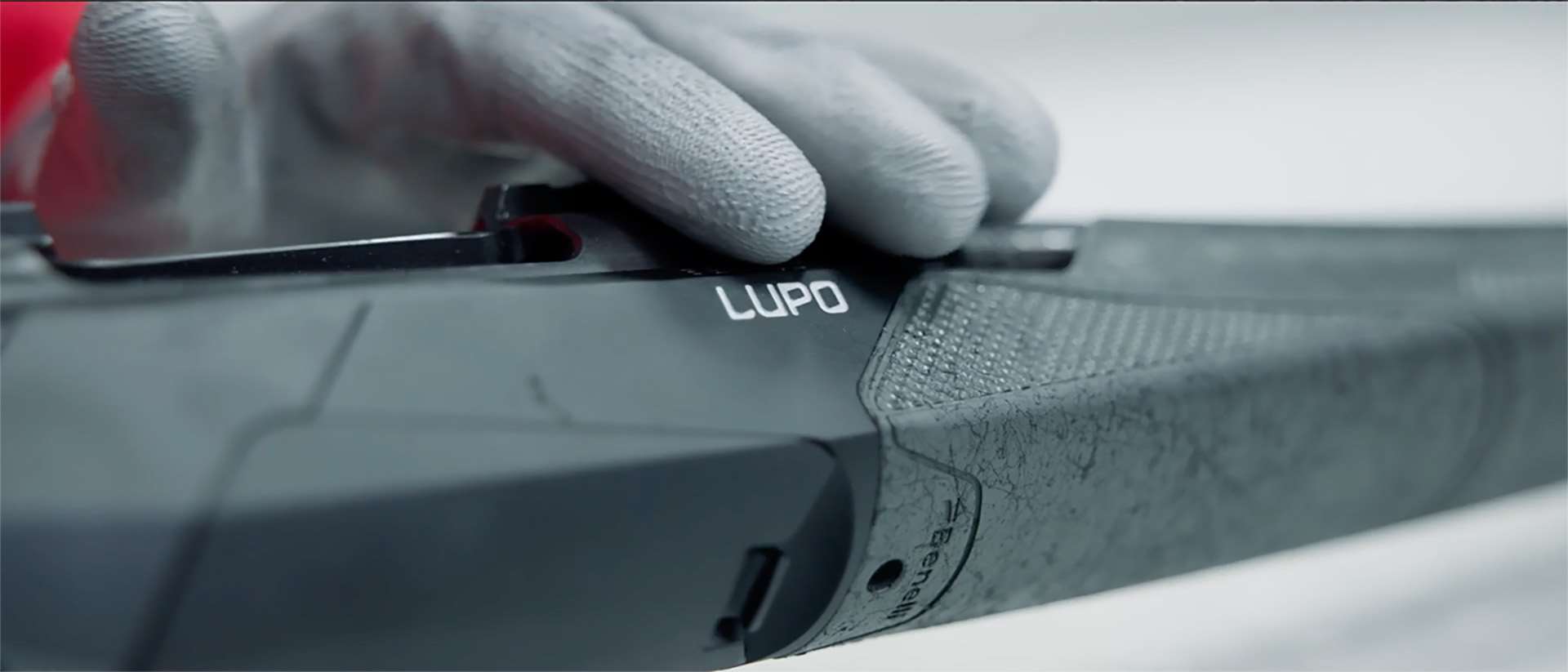
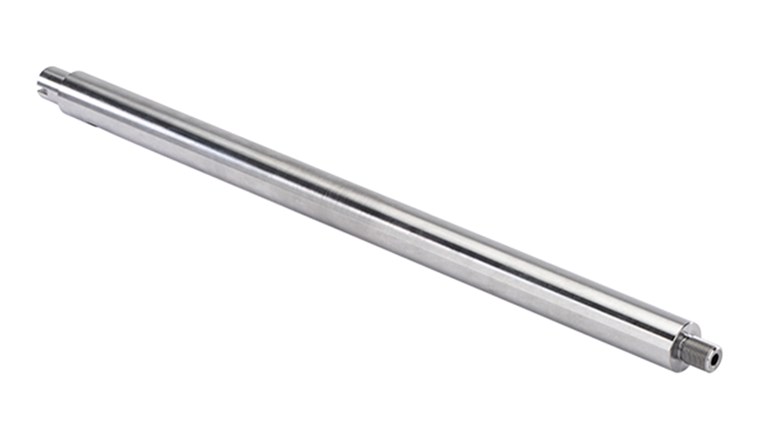
From there, Benelli takes a less conventional approach to rifling. Rather than cutting or button-rifling the bore—methods that introduce mechanical stress into the metal—the company uses an electrochemical machining process. It relies on controlled electrolysis to etch the lands and grooves into the bore without physical contact, producing precise, polished grooves without the drawbacks of traditional rifling techniques. No friction means fewer microscopic distortions, which preserves bore straightness and produces more uniform rifling. The practical payoff is smoother bullet travel and tighter consistency, particularly in demanding conditions where equipment needs to perform without excuses.
The final step is the most extreme. Every Lupo barrel undergoes Benelli’s proprietary Crio treatment, a cryogenic process that drops temperatures to nearly −300°F. At those extremes, any remaining micro-stresses in the steel settle out and the barrel locks into its final stable state. Together with the vacuum treatment, the process ensures uniform barrel harmonics from shot to shot. The Crio treatment also improves wear resistance, enhances finish adhesion and makes cleaning easier—small advantages that compound over a rifle’s lifetime.

Each of these steps is impressive on its own. Together, they create what Benelli describes as a superior barrel system engineered for consistency from the first shot to the thousandth. When that barrel is mated metal-to-metal with the Lupo’s rigid chassis, flex is minimized and alignment is preserved from chamber to muzzle. The result is a rifle platform designed to shoot the same way every time you pull the trigger.
Benelli craftsmen in Urbino see it in personal terms. “When I craft a single piece, I always make it as if I were making it for myself,” one says in the video. “It’s about understanding what you’re truly seeking, what the actual needs of hunters are.”
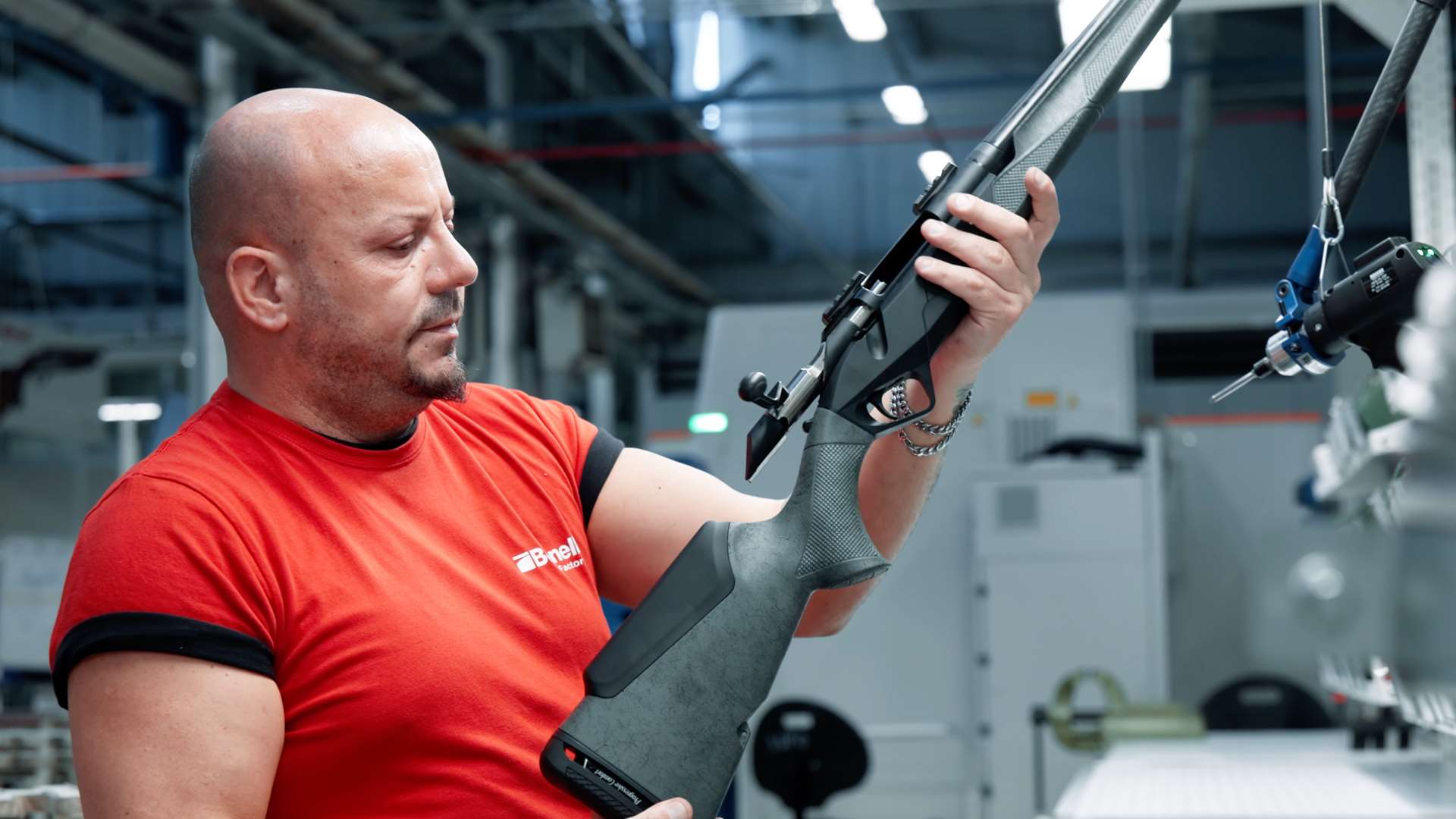
The first installment documents a philosophy that treats precision as an outcome of disciplined engineering. For shooters who want to understand why one factory rifle performs differently from another, it offers a rare inside look at the engineering that separates marketing claims from measurable results.
Watch the full “Art of Performance” video series at the Benelli YouTube page.
Most Popular