
Competitive shooting isn’t just about pulling the trigger. It’s about mastering the mental game, understanding ballistics and respecting the craft. Whether you’re chasing X-rings at 1,000 yards or dialing in your pistol fundamentals, the right book can be a game-changer. We’ve rounded up five classics that belong on every shooter’s shelf.
These aren’t just manuals; instead, thing of them as roadmaps to better performance and a deeper appreciation for the shooting sports.
“Secrets of Mental Marksmanship: How to Fire Perfect Shots” by Linda K. Miller and Keith A. Cunningham
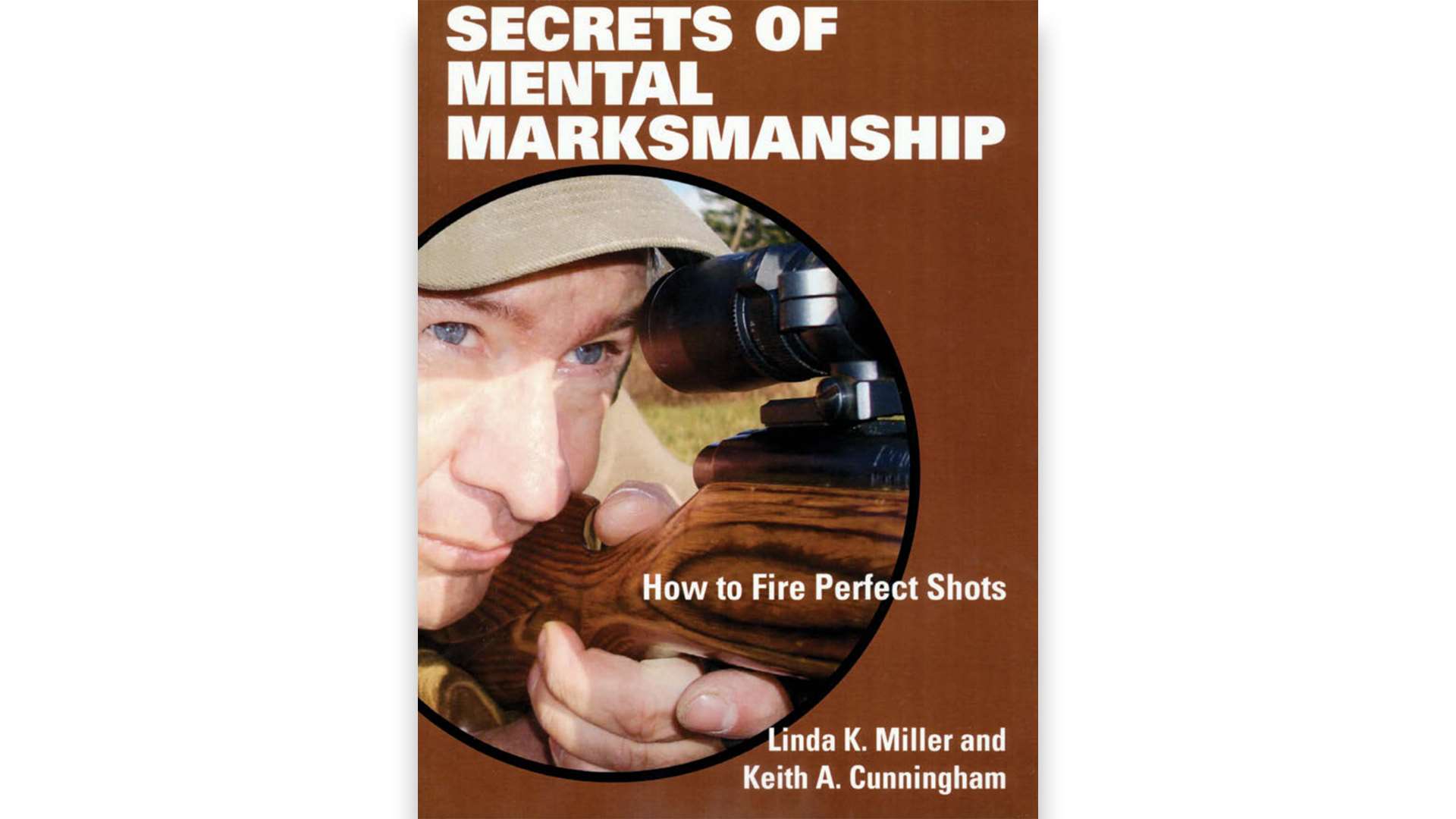
Miller and Cunningham start with a truth every shooter knows: solid hits are the only currency that matters. Their 197‑page guide, published in 2010, distills decades of coaching—from international teams to service rifle—to show how awareness, habit and story‑driven lessons shape performance. Thirty‑four tight sections move from conscious control to subconscious execution, with real‑world vignettes that bridge competition, law enforcement, military and hunting. The narrative format lets you drop into any chapter without losing the plot, and the bibliography points you toward deeper study. Some historical detours (think Gettysburg) widen the lens, but the core remains laser‑focused on winning more points, more often. With Miller’s National Team pedigree and Cunningham’s long‑range and three‑gun chops, the coaching voice lands with authority. You’ll dog‑ear pages on practice design and recovery between strings—gold nuggets for coaches and competitors alike. $59.99, Amazon
“Modern Reloading Second Edition” by Richard Lee
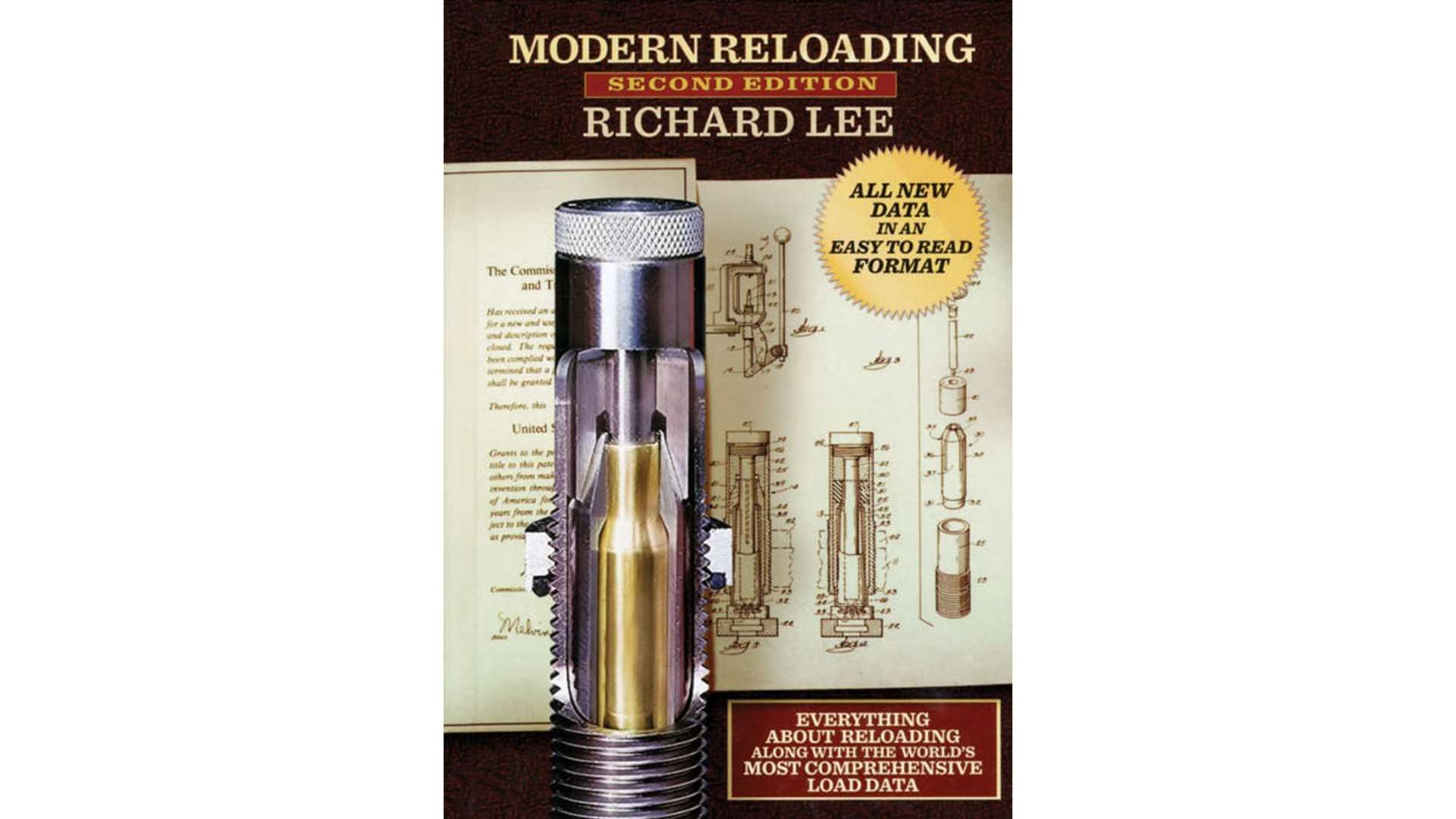
If reloading feels like decoding a dozen manuals, Richard Lee’s 612‑page second edition makes sense of the noise. Compiled from Alliant, Hodgdon, IMR, Nobel Sport, Western and Vihtavuori data—plus articles and hard‑won shop wisdom—it’s effectively several books in one. Lee breaks down cartridges, powders and pressure with clear tables, adding velocity ranges for starting loads, guidance on reduced charges and cautions about detonation risk when a case is under‑filled. Beginners get a clean walk‑through of process (page 23 is a quick start), while veterans appreciate topic‑driven entries like matching bullet hardness to chamber pressure and the outsized effects of one‑percent charge changes. The 9 mm XTP example lays out 13 powder options with practical start data and expected speeds, and the 2017 revision folds in modern favorites like 6.5 mm Creedmoor and .338 Lapua. Bottom line: less trial‑and‑error, more consistent results at the bench. $35.98, Amazon
“Care, Cleaning and Sportsmanship” by James R. Owens
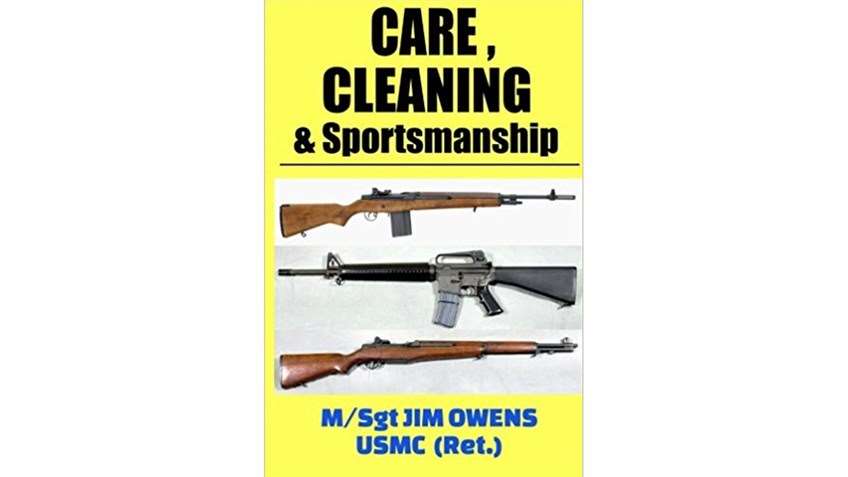
Jim Owens writes like a coach who’s spent a lifetime on the line and in the classroom. Across 197 pages he unpacks rifle care and cleaning with the kind of detail that saves barrels and headaches, including a smart tour of moly lubricants—from first patents to practical pros and cons—and a method for getting moly fouling out of steel without drama. The tone is straightforward, generous, and anchored by experience, which continues into chapter seven’s standout conversation on sportsmanship. Owens makes the case that etiquette and respect aren’t window dressing—they’re performance tools that keep your focus sharp when the wind is ugly and the clock is loud. He also brings in tips from seven former national champions, turning the book into a compact clinic you can revisit before matches. A solid addition to any competition shooter’s library and a reminder that precision starts with care. $45, Abe Books
“Accuracy and Precision for Long Range Shooting, A Practical Guide for Rifleman” by Bryan Litz
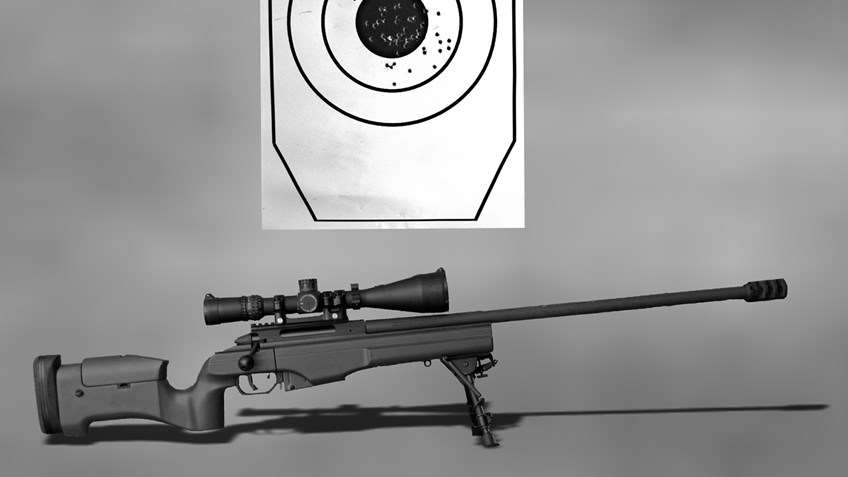
Bryan Litz is the coach you want when the targets push past mid‑range and the math gets real. This guide breaks the long‑range puzzle into solvable pieces: predicting drop, reading wind deflection, modeling trajectories and accounting for the secondary effects that nudge bullets off perfection. Litz doesn’t stop at theory: he shows how uncertainty erodes hit probability, then teaches you to calibrate ballistic solutions and verify them with live fire. Beginners will appreciate how the technical chapters stay readable; experienced shooters will like the structure that moves from fundamentals to advanced tuning. The accuracy section is a keeper, walking through sight leveling, zero standard, and the workflow for anchoring a rifle that behaves out to distance. If you’re chasing first‑round impacts at 1,000 yards, this book becomes a field manual, equal parts calculator and confidence-building coach. $74.99, Amazon
“The Pistol Shooter’s Treasury: Second Edition” edited and published by Gil Hebard
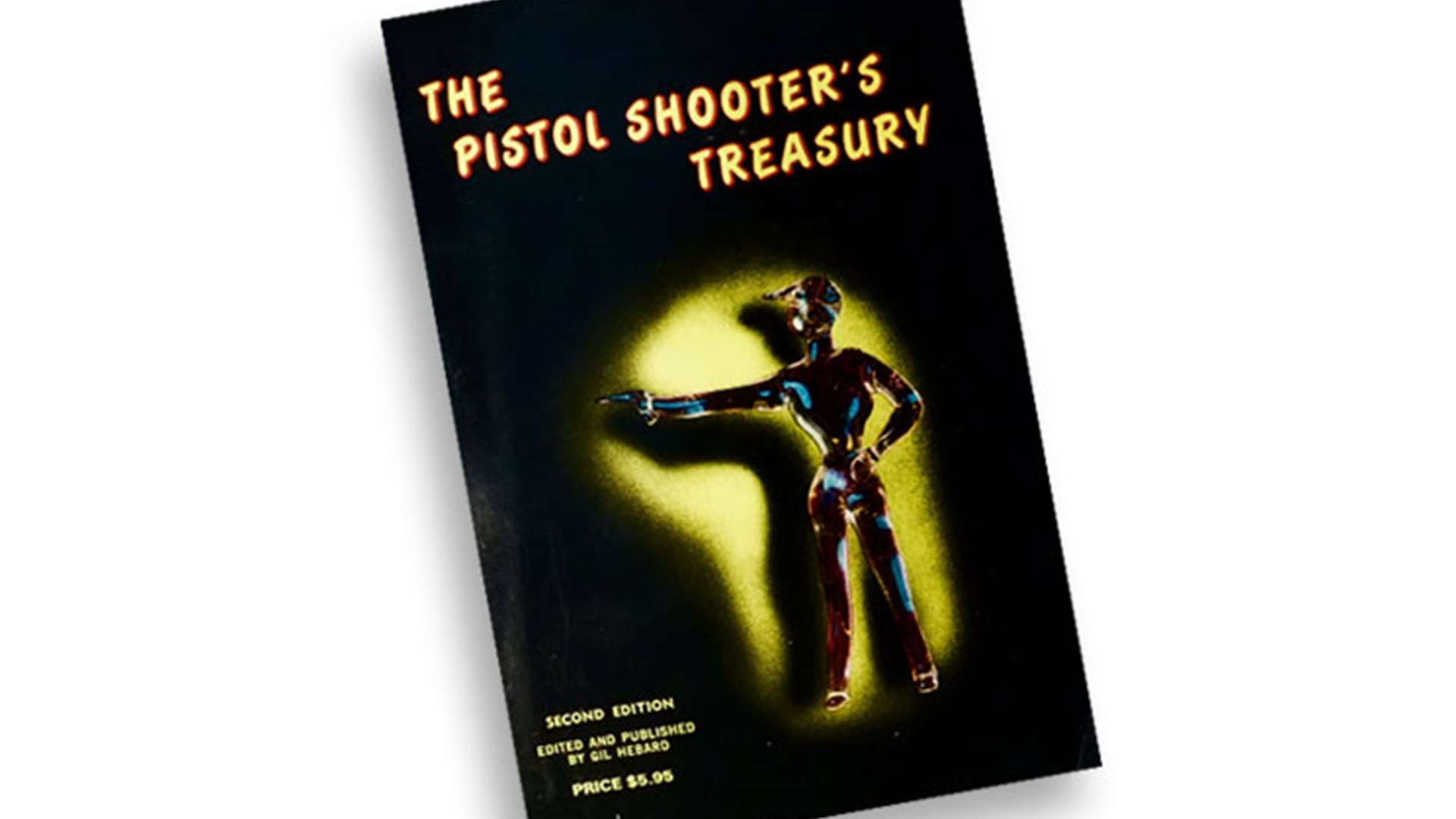
First printed in 1973, this treasury wears its age in the best way: simple layouts and an unfussy, old‑school charm. What matters is the content: a deep stack of articles from championship‑level pistol shooters covering everything from marksmanship fundamentals to selecting a .22 Long Rifle-chambered target rig. The wisdom is practical and aimed at helping any shooter become more competent, whether you’re polishing a trigger squeeze or troubleshooting sight picture. The production values won’t wow you, but the advice will, and the collective voice feels like getting coached on a range where every lane has a national champion. It’s the kind of book you keep within reach, dog‑eared and highlighted, because the principles don’t age: grip, stance, follow‑through, and honest practice. For pistol shooters, this is still gold. $48.99, Amazon
These books deliver complementary skills: the mental edge, clean equipment, informed reloading, disciplined long‑range process and fundamentals. Read them together and you’ll build a toolbox that travels from practice to match day, from the bench to the firing line, with confidence that shows up on the leaderboard.
Most Popular