
When fiber-optic shotgun sights fail, they usually do so in predictable ways: the rod shifts, cracks or disappears entirely after repeated recoil. TAG Precision’s new FiberLok SG Pro shotgun sight is an attempt to solve that specific problem with a more mechanically secure approach, rather than brighter colors or larger dots.
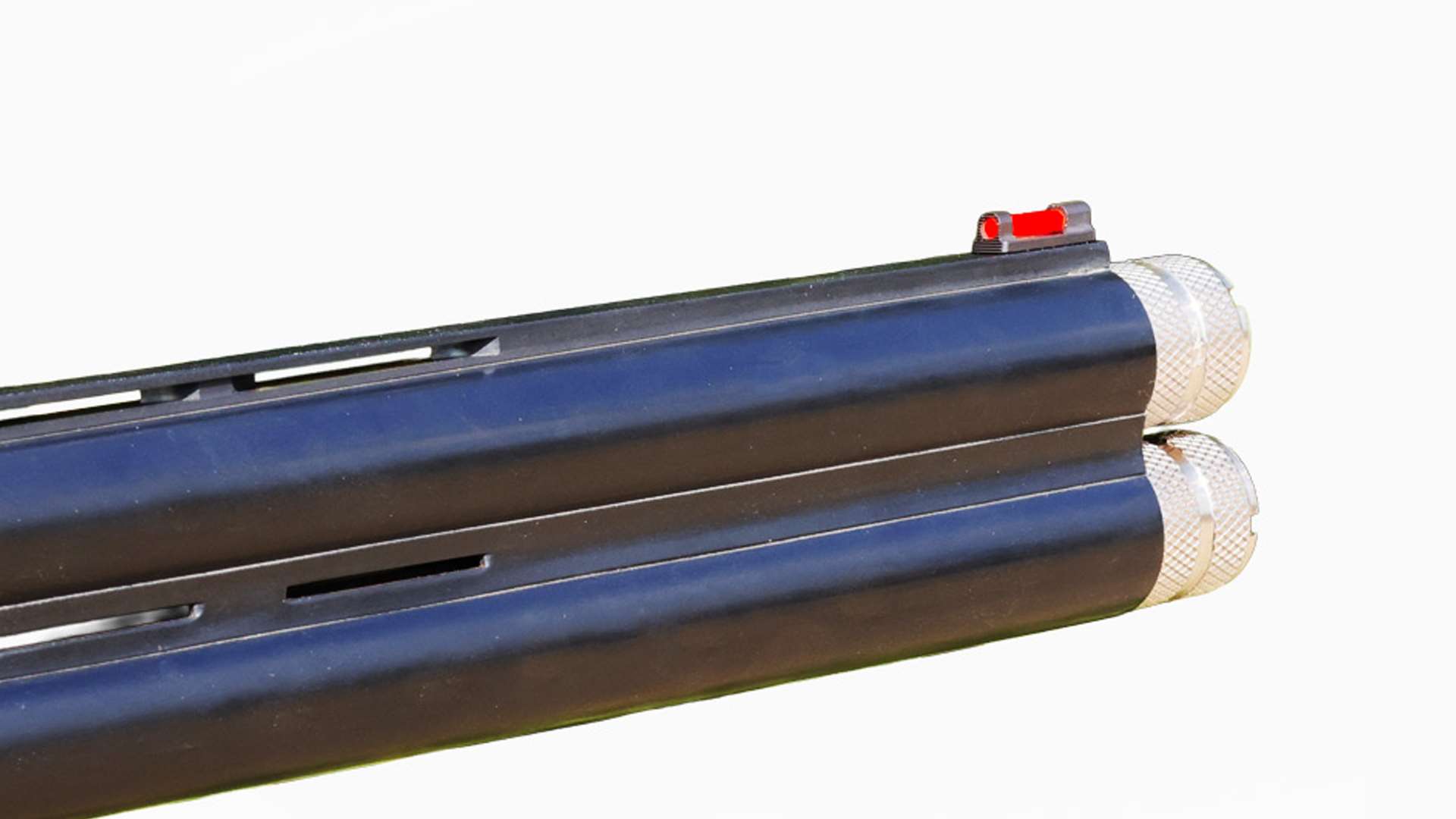
Introduced this week, the FiberLok SG Pro is a front sight built and manufactured in the United States, designed around TAG Precision’s patented FiberLok system. Instead of relying on friction or adhesive to hold a fiber optic in place, the design physically locks the fiber within the sight body. The goal is simple consistency: the same point of reference, shot after shot, without the gradual degradation common to many fiber-optic sights.
The sight body itself is CNC-machined from billet steel and finished with a QPQ nitride treatment, a combination chosen for corrosion resistance and wear tolerance rather than visual flair. The profile is intentionally restrained, keeping the sight picture uncluttered and maintaining a predictable point-of-aim relationship across different shotgun platforms.
One practical element of the FiberLok SG Pro is its interchangeable fiber-optic system. A small set screw allows users to swap fiber-optic colors as lighting or background conditions change, without removing the sight or replacing the entire assembly. This feature reflects a focus on adaptability rather than permanent customization.
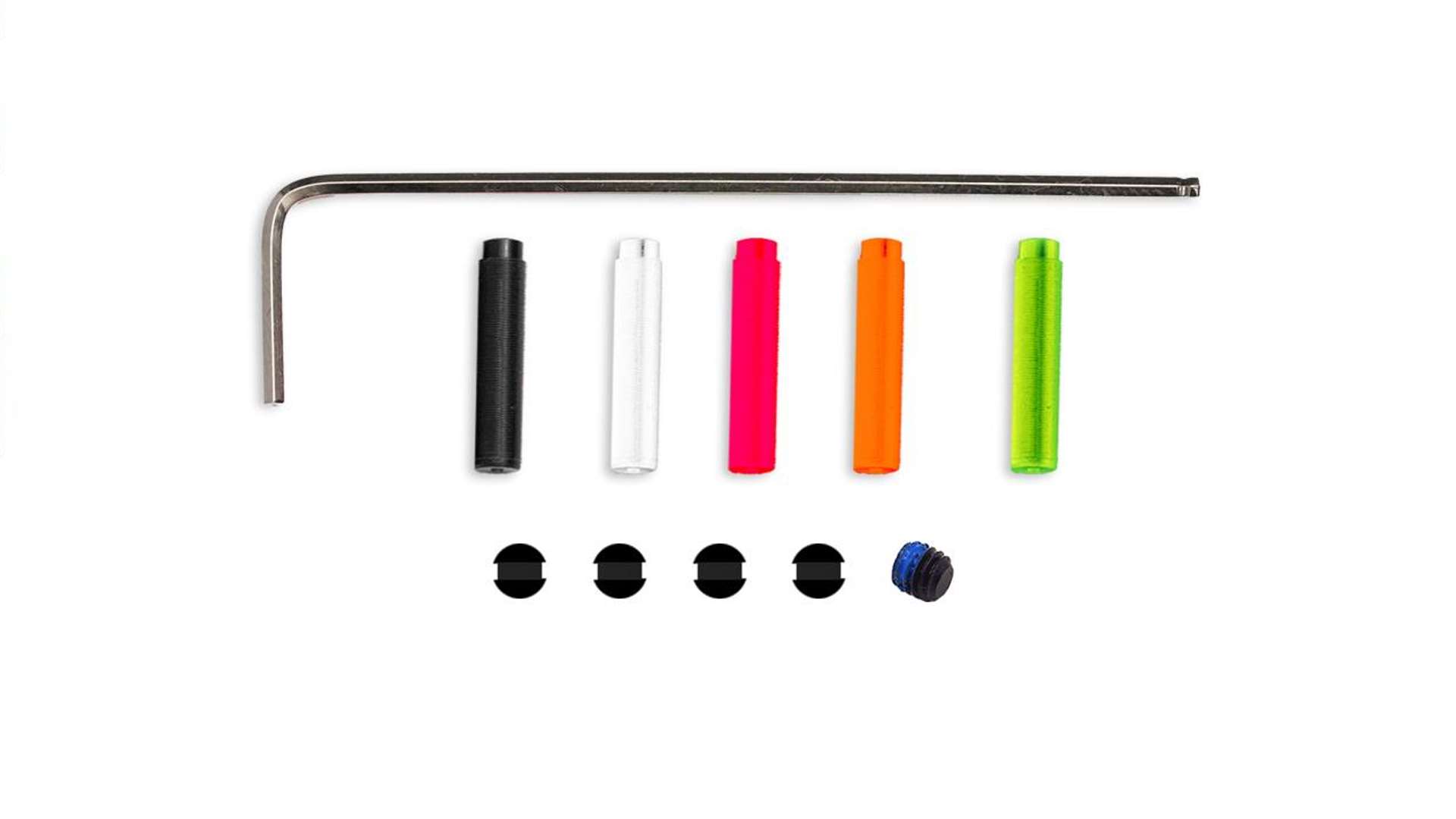
TAG Precision positions the FiberLok SG Pro as suitable for competition, field use and defensive shotguns, though its design choices suggest a broader philosophy: durability first, brightness second. According to the company, the sight was developed to reduce hesitation caused by fragile components, particularly in high-recoil environments where fiber optics are most likely to fail.
The FiberLok SG Pro shotgun sight is listed with an MSRP of $32.98, placing it firmly in the accessible end of the aftermarket sight spectrum. Whether the locked-in fiber system proves to be a long-term fix will be determined over time, but the approach reflects a shift towards mechanical reliability over style. Go to tagprecision.com to learn more.