
If you’ve been around USPSA or Steel Challenge long enough, you can spot the veterans without looking at their classification; you just wait until someone has to repeat a stage briefing three times for them.
“What’s the start position?, How many rounds? Huh?”
We joke about it, but the reality isn’t funny at all: Competition shooting is brutal on your hearing. Centerfire pistol, Pistol-Caliber Carbine (PCC), open guns with comps, rimfire rifles with short barrels and close berms: they all stack up. A single unprotected shot can be enough to do permanent damage. Do that weekend after weekend for years; and you’re not “a little hard of hearing,” you’re living with permanent hearing loss and ringing that never ceases.
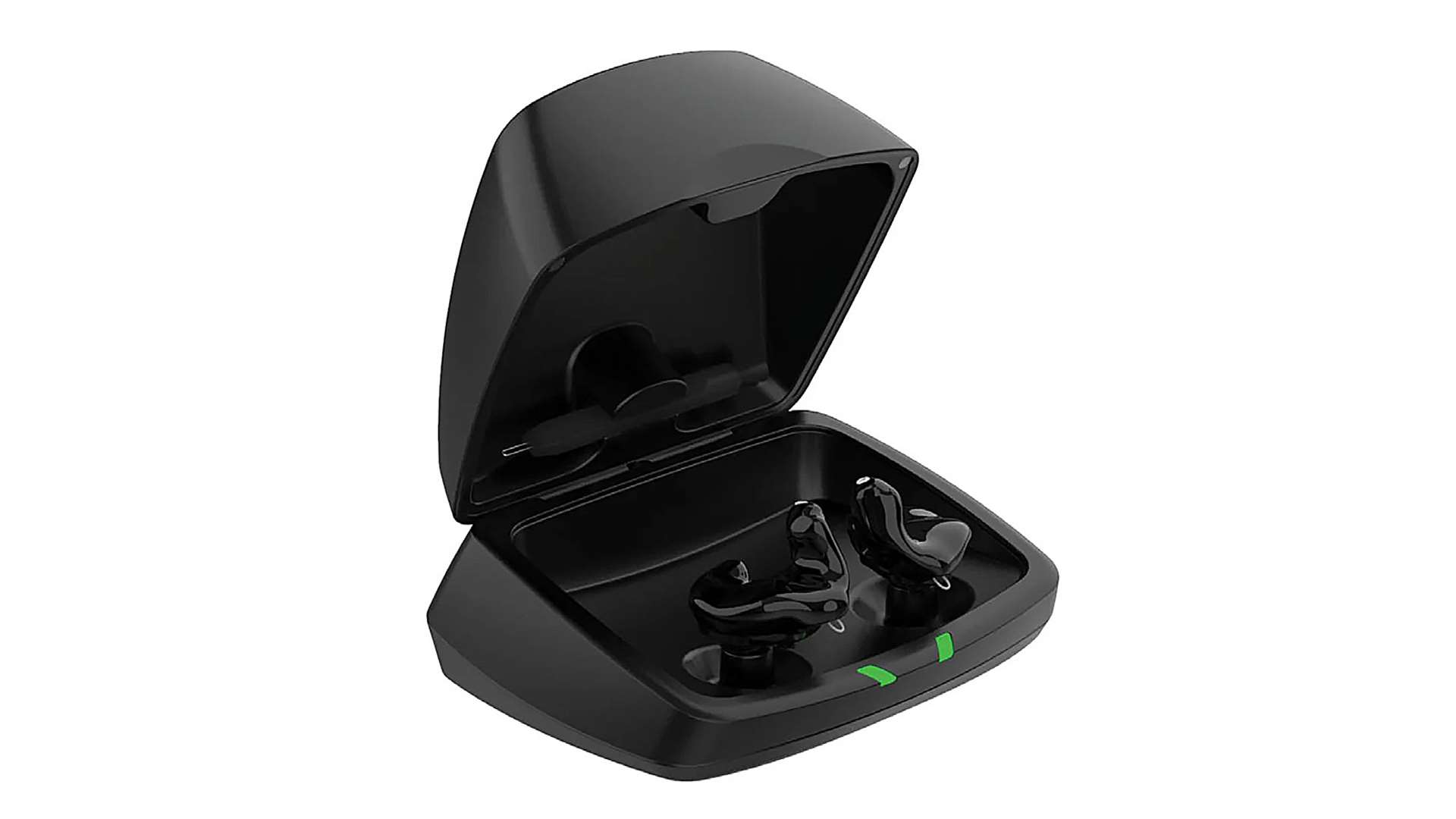
That’s the backdrop for the SoundGear Phantom, custom electronic earplugs built by SoundGear, a brand under Starkey, one of the biggest names in hearing technology in the world. Starkey has been in the hearing business since 1967, is headquartered in Eden Prairie, Minnesota, and is the only major global hearing aid manufacturer that’s still American owned. When they make shooting-specific electronic protection, it’s worth paying attention to.
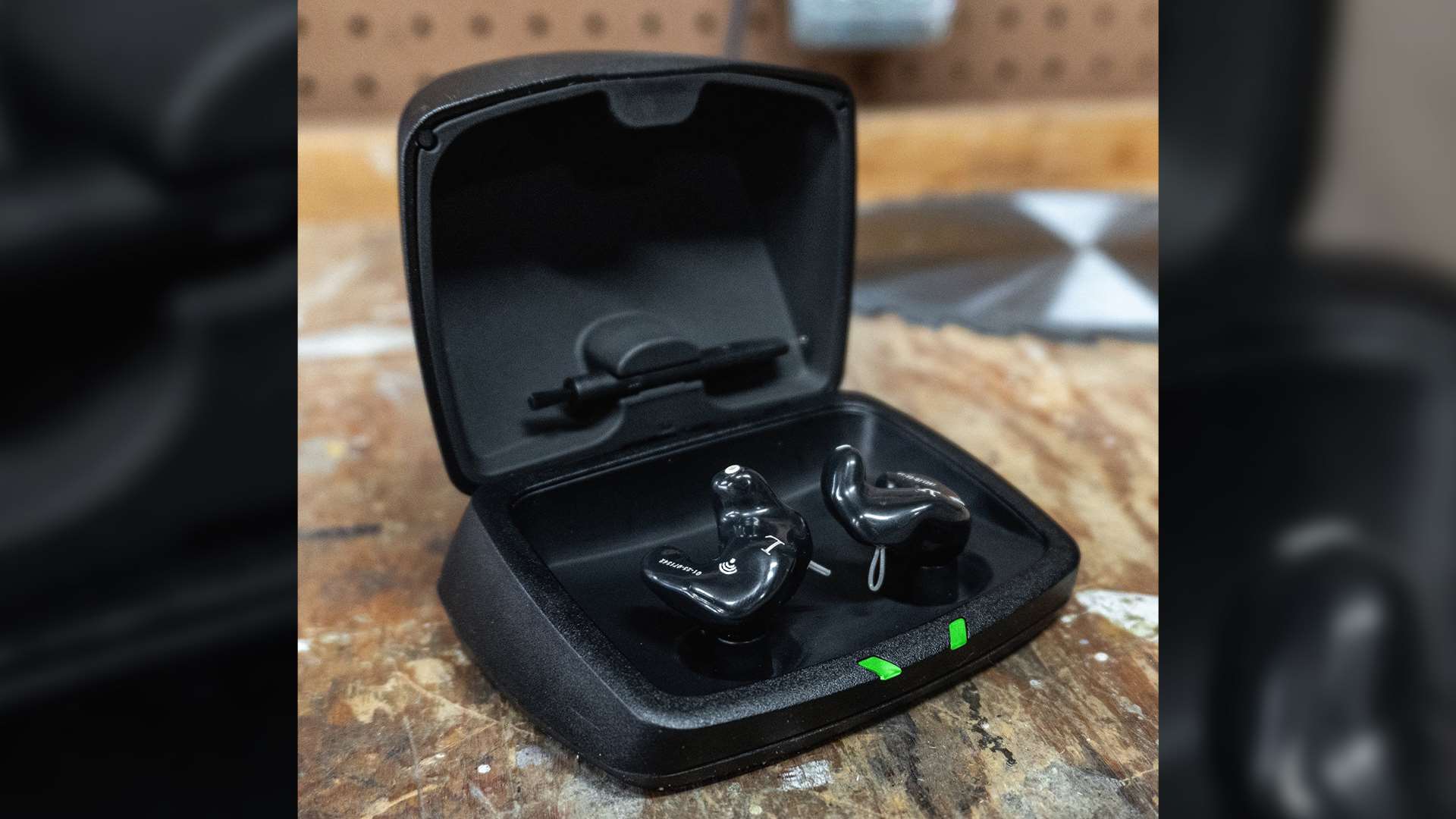
The Phantom isn’t just another set of electronic plugs. It’s marketed as the world’s first custom, rechargeable, Bluetooth-capable device that combines hearing protection with true hearing aid-grade sound processing. In practical terms, that means it’s built by the same people who make high-end hearing aids but tuned for shooters, hunters and working environments in which impulse noise is the enemy.
Let’s walk through what that actually means on the range for USPSA and Steel Challenge.
WHO ARE STARKEY AND SOUNDGEAR?
Before we get into features, it’s worth knowing whose name is behind these little black earpieces. Starkey Hearing Technologies started as a small earmold shop and grew into a global leader in hearing instruments, known for pushing digital hearing technology forward, wireless connectivity, app-controlled settings and even AI-powered hearing aids in their mainstream line. Its business is helping people hear better all day, every day, not just on a Saturday at the range.
SoundGear is Starkey’s dedicated hearing protection line. The brand covers everything from instant-fit plugs to custom electronic options for shooters, hunters, industrial workers and anyone who spends a lot of time in loud environments. Phantom is the flagship in that lineup, the fully loaded-model with all the toys, such as custom fit, electronics, amplification and Bluetooth.
So when you order a Phantom, you’re not buying a gadget off a generic Amazon storefront; you’re getting a device that comes from the same ecosystem as prescription hearing aids: real audiology labs, real fitting standards and a parent company with a reputation wrapped around getting sound right.
CUSTOM FIT: BUILT SPECIFICALLY FOR YOUR EARS
If you’ve ever tried to shoot a full match with generic foam plugs, you know the dance:
- Foam in for shooting
- Foam half-out to hear the stage brief
- Foam slightly twisted for “just a little more” timer beep
- Repeat that about 200 times a day
Every one of those “just a little” compromises is a chance for blast to sneak in around the plug.
Phantoms start with ear impressions taken by a hearing professional. Those impressions are used to build a fully custom shell that matches all the curves, bumps and angles of your ear canal. The result is a plug that seals consistently and doesn’t rely on you rolling foam perfectly every time.
That custom seal matters. If the protection doesn’t seal, the most advanced electronics in the world can’t save your hearing. With the Phantom, once they’re in, they stay put when you’re walking stages, jogging to reset steel or drawing in and out of a holster all day. You’re not constantly reseating them between stages or mid-run because they backed out with sweat and movement.
Comfort is the other half of the equation. USPSA and Steel Challenge matches can involve long days in hot temperatures, humidity and wind. A good custom fit spreads contact over the entire ear canal instead of creating hot spots. That’s the difference between forgetting they’re in versus ripping them out the second the last “Range is clear!” is called.

ACTIVE ELECTRONIC PROTECTION
On paper, all active electronic hearing protection claims to do the same thing, which is to amplify quiet sounds and clamp down on loud ones. The difference is in how fast, how smoothly and how intelligently that transition happens.
The Phantom uses advanced digital signal processing drawn from Starkey’s hearing-aid tech. It allows you to hear environmental sound and normal conversation more clearly while automatically reducing both sudden impulse noise (gunshots) and ongoing loud noises. In practice, that means:
- You can stand on a bay and hear a stage brief clearly without pulling your earbuds out.
- You can follow range commands and conversation between shooters without shouting.
- When the timer beeps and guns start going off, the circuitry clamps the dangerous part of the blast without throwing you into muffled, underwater mode.
Modern studies on electronic protection for shooting emphasize this balance of good gear, which should maintain situational awareness, such as voices, movement and environmental cues, while cutting sudden high-level impulses that can reach well over 140 dB at the muzzle. That’s the line Phantom is trying to walk, and on a USPSA or Steel Challenge bay—that’s exactly what we need.
BATTERY LIFE AND CHARGING: ALL-DAY MATCH-READY
The Phantom is rechargeable, with up to about 23 hours of use on a full charge according to SoundGear’s specs. That’s more than enough for a full match day, plus some dry fire or practice on either side.
The devices live in a compact charging case. Drop them in at night, and they’re ready to go the next morning. For traveling to majors, this matters more than you think: no hunting for specialty batteries and fumbling around to put them in.
From a “shooter reality” standpoint, the biggest win is that you put them in at the hotel or inside the truck in the morning, and you don’t take them out until you’re done shooting. No swapping, no fiddling with individual batteries with sweaty hands and no finding out that one earplug is dead halfway through your third stage.
BLUETOOTH AND HEARING ENHANCEMENT: MORE THAN JUST EARPLUGS
The secret sauce that sets Phantom apart from generic electronic ear pro is that it isn’t just an electronic plug; it’s essentially a mini hearing aid with Bluetooth tuned for shooters. That opens up some real benefits.
HEARING ENHANCEMENT FOR THOSE WITH ALREADY DAMAGED HEARING
The Phantom is designed to help users with normal to moderate hearing loss with noise reduction and amplification features borrowed from Starkey’s hearing-aid tech. If you’re already in the club of shooters who say, “My ears are toast,” this can help you pick up more of what you’ve been missing, including stage briefs, conversations between shooters and Range Officer calls.
BLUETOOTH STREAMING
You can route audio, such as music, from a phone directly into your ears during practice, training podcasts on the drive or even phone calls between stages (if you’re that guy). More importantly, if you’re doing solo training, you can hear shot-timer apps or coaching audio cues clearly without fighting range noise.
ONE SET OF EARS FOR RANGE AND LIFE
Because they function as both hearing protection and hearing enhancement, some shooters may find themselves wearing them beyond the bays, such as on the mower, at work in loud shops or even in everyday listening situations. You’re basically paying for a piece of gear that protects your ears and can improve your hearing experience in everyday life.
WHY HIGH-END CUSTOM EAR PRO IS ACTUALLY “CHEAP” IN THE LONG RUN
Let’s talk about the elephant in the room, which is the price of $1,599. Custom electronic earplugs like the Phantom are not impulse buys. You can fill a small duffel bag with foam plugs for the price of what one custom set costs.
But if you look at it like any other piece of competition gear, the math changes. We’re willing to spend thousands of dollars on guns and accessories, not to mention ammunition, yet a lot of shooters still treat their hearing like the cheapest line item in the bag.
A FEW REASONS THE PHANTOM OR OTHER HIGH-END CUSTOMS MAKE LONG-TERM SENSE
YOU ONLY GET ONE SET OF EARS
Hearing damage from gunfire is cumulative and permanent. Once the hair cells in your inner ear are destroyed, they don’t grow back. Modern hearing protection guides for shooters stress that even a single unprotected shot can cause lasting damage. A high-end solution is essentially an insurance policy against the sport we love.
CUSTOM FIT REDUCES THE WEAK SPOTS
Foam plugs are only as good as the seal you get each time. If you rush, if your hands are dirty, if you only “half roll” them, your protection drops dramatically. Custom shells give you consistent performance every time you insert them.
YOU ACTUALLY LEAVE THEM IN
The best hearing protection is the one you’re willing to wear all the time. When electronic custom plugs are comfortable, you don’t yank them out for conversation, scoring or stage planning. Less fiddling equals fewer opportunities for that one painful unprotected blast.
THEY PROTECT YOUR PERFORMANCE, TOO
Being able to hear range commands clearly isn’t just a comfort issue; it’s a safety and performance issue. Mishearing “Unload and show clear,” “Stop” or “If finished, unload” can get very expensive or dangerous very quickly.
Seen through that lens, an investment in Phantoms is a lot like buying a solid belt-and-holster setup or a quality optic, where you’re paying for reliability, comfort and performance across thousands of rounds and hundreds of stages.
So, how does all of this play out on a practical match day?
STAGE BRIEFINGS AND COMMANDS
On a busy USPSA bay, wind, echoes and background noise are constant. With Phantoms, the electronic amplification helps you pick out the Range Officer’s voice from the chaos without cranking things up so loud that every steel hit becomes painful. When the shooting starts, the protection side kicks in and knocks the blast down to safer levels.
Steel Challenge is even more repetitive: same arrays, lots of close steel and high round counts. Here, the ability to hear the timer beep cleanly while keeping blast and ringing steel tamed is a big deal. You’re not guessing at the start signal and can hear the ring of the steel.
MOVEMENT, RESET AND SITUATIONAL AWARENESS
Because the Phantoms preserve environmental sound, you can still hear carts rolling up behind you, someone calling “STOP!” on another bay or the regular range commands. That kind of awareness makes you a better squad mate and a safer shooter.
If you’re running a match, working as a Range Officer or just that guy who ends up resetting more than everyone else, you’ll appreciate the ability to hear what’s going on around you instead of living in the muffled world that cheap passive plugs create.
TRAINING, DRY FIRE AND EVERYDAY LOUD JOBS
Where high-end customs really earn their keep is outside of match day:
- Live-fire practice on empty bays
- Steel tune-ups before majors
- Indoor range sessions during the winter
- Running power tools, mowers or equipment in the garage
If it’s loud and you’re in it for more than a couple of minutes, Phantoms can be there, too. And thanks to Bluetooth and amplification, they pull double duty as protection and hearing enhancement, not just plugs you throw in a range bag and forget about.
THE STARKEY ADVANTAGE: REAL HEARING TECH BEHIND THE CURTAIN
Plenty of companies have tried to bolt basic microphones and limiters into earplugs and call it electronic hearing protection. Starkey comes at it from the opposite side, starting with full-blown hearing-aid technology and adapting it down for protection.
Over the decades, Starkey has built a reputation for pushing digital processing, wireless connectivity and even AI features in hearing aids. That same engineering muscle shows up in Phantom processing, which handles complex sound environments (exactly what a range is) and delivers intelligible speech without laggy, choppy cutoff.
You’re not just getting “loud/quiet” logic; you’re getting a smarter system that decides how to treat different sounds, such as voices, wind, background noise and gunshots, differently, all of which are heard at the same< time on the range. That’s the kind of nuance that matters when the Range Officer is explaining a tricky memory stage and half the squad is already walking through it behind you.
WHO ARE SOUNDGEAR PHANTOMS FOR?
So, who should seriously look at SoundGear Phantom electronic hearing protection?
New shooters who plan to stick with the sport. If you’re just getting into USPSA or Steel Challenge and already know this is your thing, starting with high-end protection is the smartest long-term play you can make.
Veteran shooters with “range ears.” If you’re already asking people to repeat themselves or missing parts of stage briefs, the Phantom’s combination of protection and hearing enhancement is tailor-made for you.
Range Officers, match staff and instructors. The folks who spend the most hours on the range are often the ones skimping on ear pro. If you’re calling the timer all day, you’re taking more blasts than anyone else. This is where investing in serious gear pays off quickly.
Shooters who hate muffs. If over-the-ear muffs knock your rifle stock off your cheek weld, interfere with your PCC mount or just cook your head in the July sun, custom in-ear protection like the Phantom is a game-changer.
As competitors, we obsess over the perfect trigger pull, dot brightness, recoil spring weight and how many spare magazines we “really” need on the belt. But the truth is, none of that will matter much if you can’t hear the timer, the Range Officer or your squad mates 10 years from now.
The SoundGear Phantom brings serious hearing aid-grade technology to the shooting-sports world: a custom-fit, rechargeable, Bluetooth-enabled, electronic plug designed from the ground up by one of the most experienced hearing technology companies on the planet. It protects against the brutal impulse noise of our sport while helping you hear the things that keep you safe, fast and connected, such as commands, conversations and the subtle sounds of a stage coming together.
It’s not the cheapest piece of gear you’ll buy for USPSA, Steel Challenge or any competition shooting discipline. But if you’re honest about how long you plan to be in this game and how much you value being able to hear your grandkids, your spouse and that start beep down the road, it might be one of the smartest investments you make.
You only get one set of ears. Treat them like they matter as much as your match gun. After 25-plus years of shooting, I have permanent hearing loss and constant ringing with pressure. If I could go back and do it all over again, the first thing I would invest in would be the best hearing protection available. At 53, I am constantly asking people to repeat themselves, or I just smile and nod my head with no clue what was said. The TV blares, yet I have the captions turned on, and I can’t hear anything in restaurants and when ordering at the counter at places. I annoy myself as much as others around me. Take some advice: Invest in your hearing, because you’ll never get it back.
Learn more about the SoundGear Phantom at soundgear.com.
Article from the November/December 2025 issue of USPSA’s magazine.