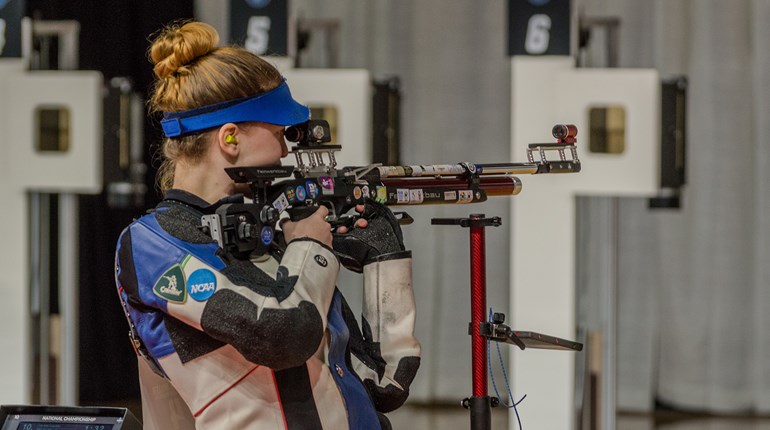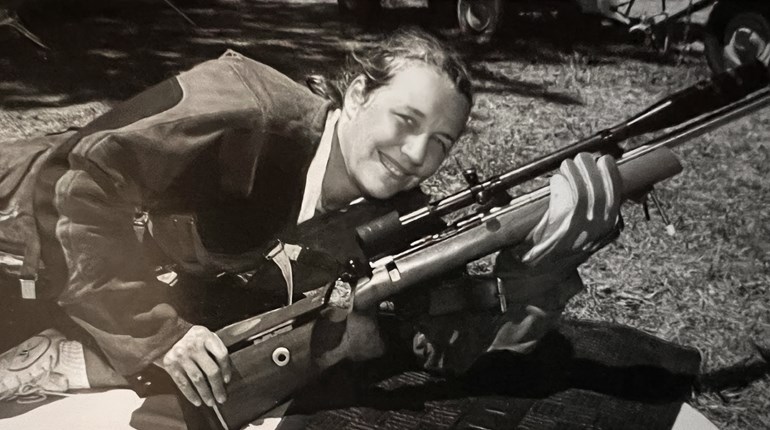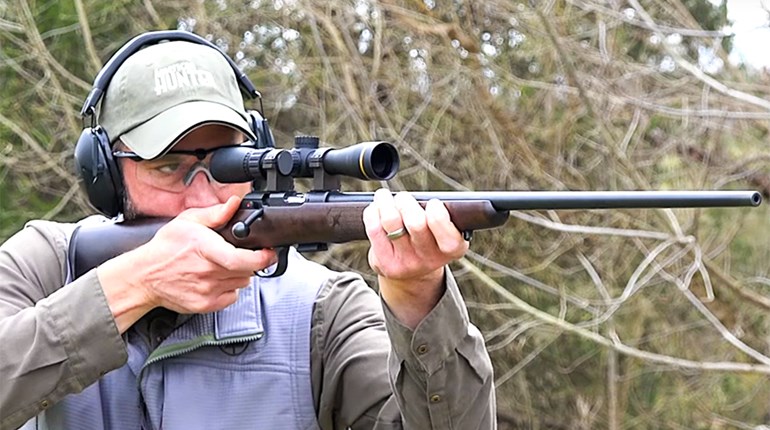
In the previous installment of our Rifle Fundamentals series, we reviewed the basics of aiming. This article focuses on breath and hold control when shooting.
Breath Control
You may have already discovered that you cannot keep the sights aligned on the target unless you stop breathing. As long as you breathe your body and rifle will continue to move. You must control your breathing to hold the rifle steady.
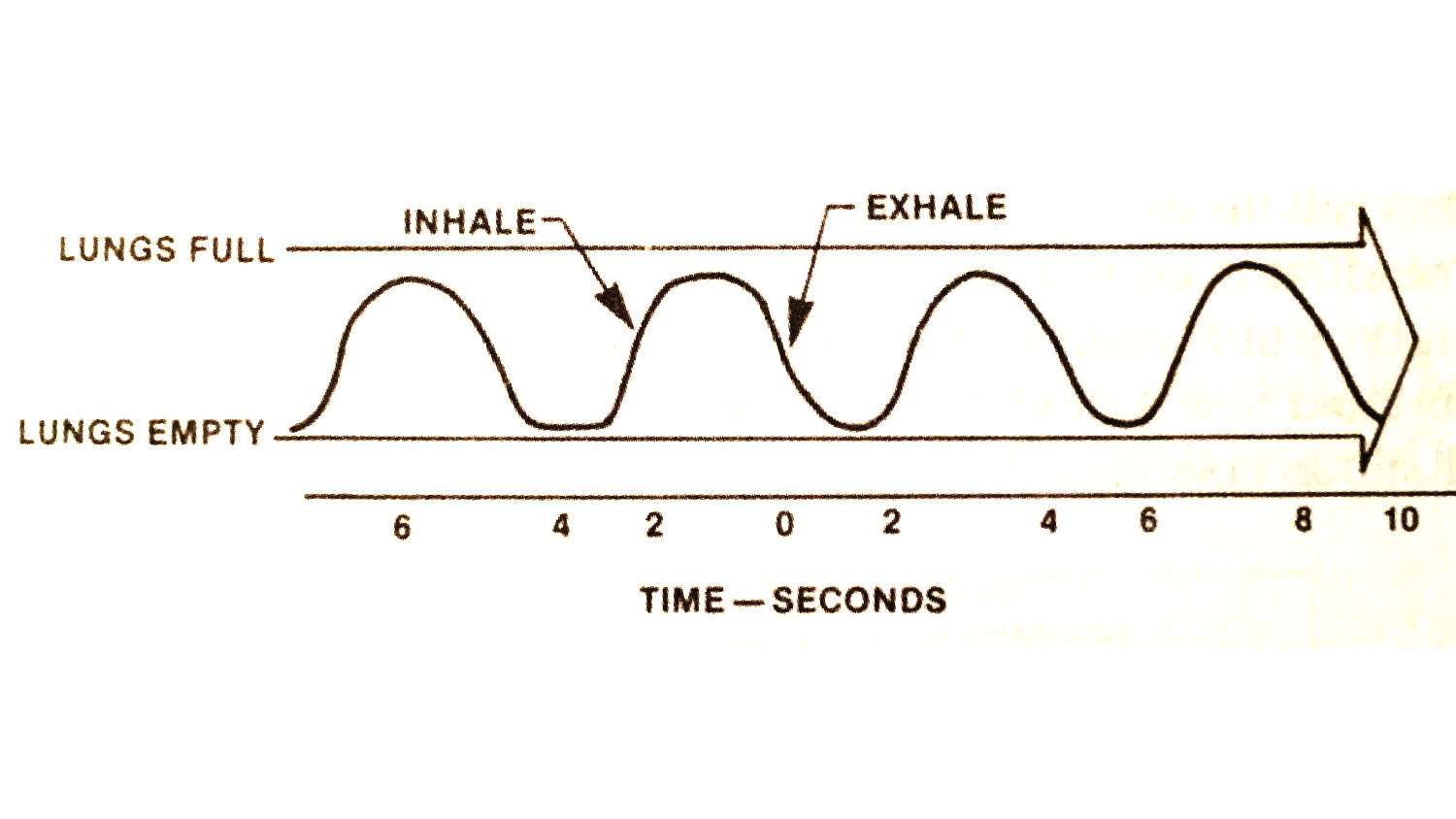
The best way to control your breath while shooting is to breathe normally while you pick up the rifle, put it in your shoulder and begin to point it at the target. When you are pointing the front sight at the aiming bull, exhale and stop breathing. Do not breathe until after the shot is fired. You should not stop breathing longer than eight to 10 seconds.
Breath control while firing the shot requires practice. The normal breathing cycle must be interrupted while the shot is being fired. Learning how to do this in the supported position we covered previously is a good idea.
Hold Control
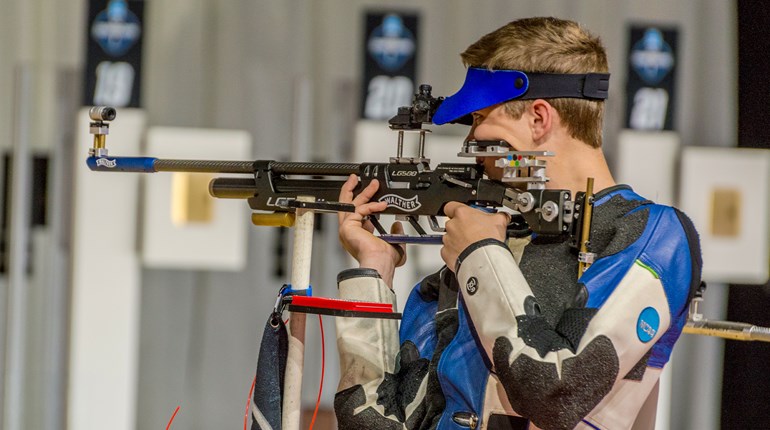
You probably also have noticed that you cannot hold the rifle perfectly still while you aim at the target, even with proper breath control. The truth is that no shooter, even an Olympic champion, can hold a rifle completely still, or have a sight picture that is always perfect.
Shooters call the movements they see in their sight picture hold movements or hold. The effort to control these movements is called hold control.
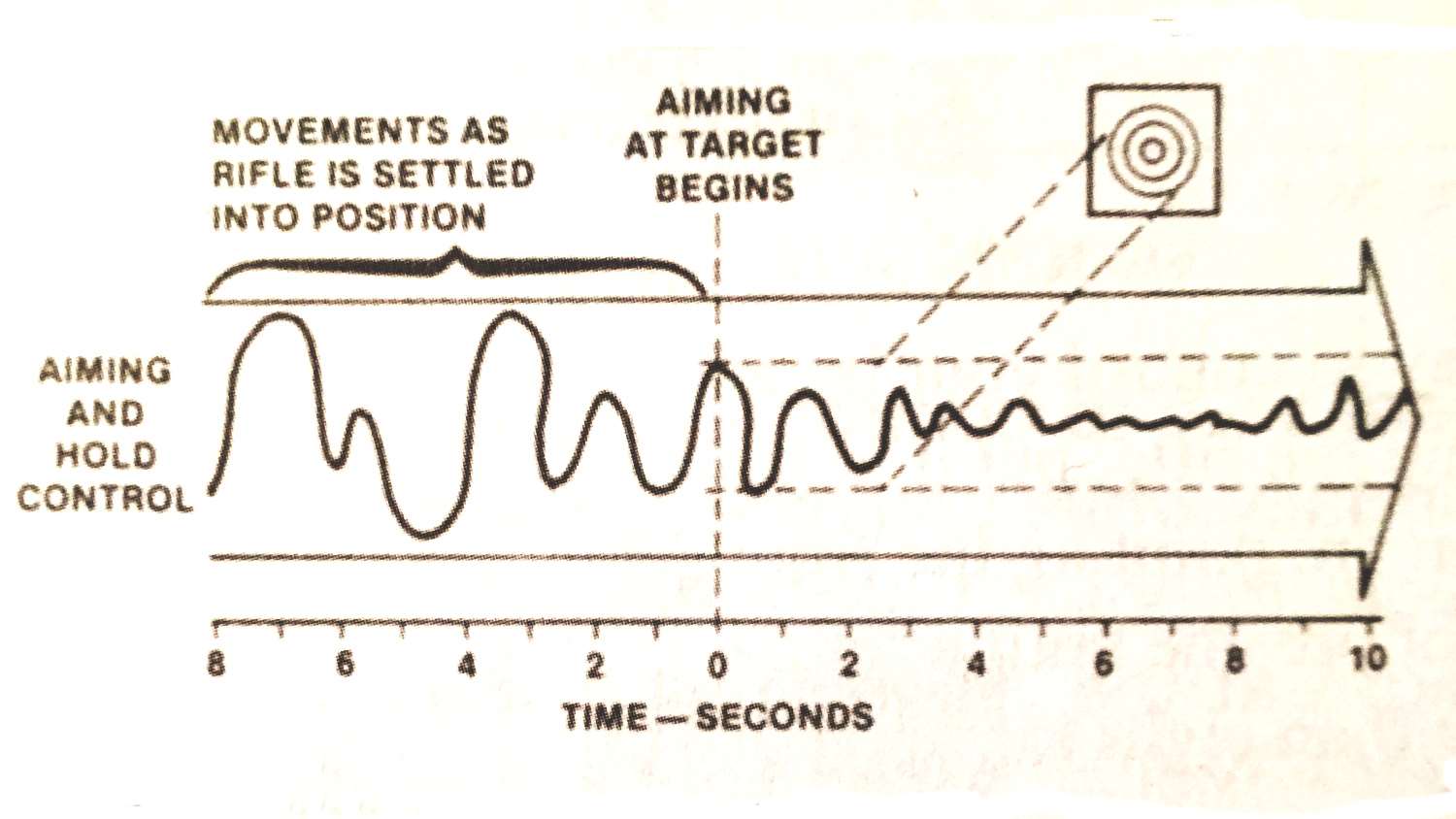
The sight picture movement you see is your hold. The size of the hold movement shows how well you are controlling your hold. Your task is to hold the rifle as still as possible.
Hold control is achieved by turning your attention to the inside of your body. Let your body relax. Hold it as still as possible. Think, concentrate on holding your body as still as you can.
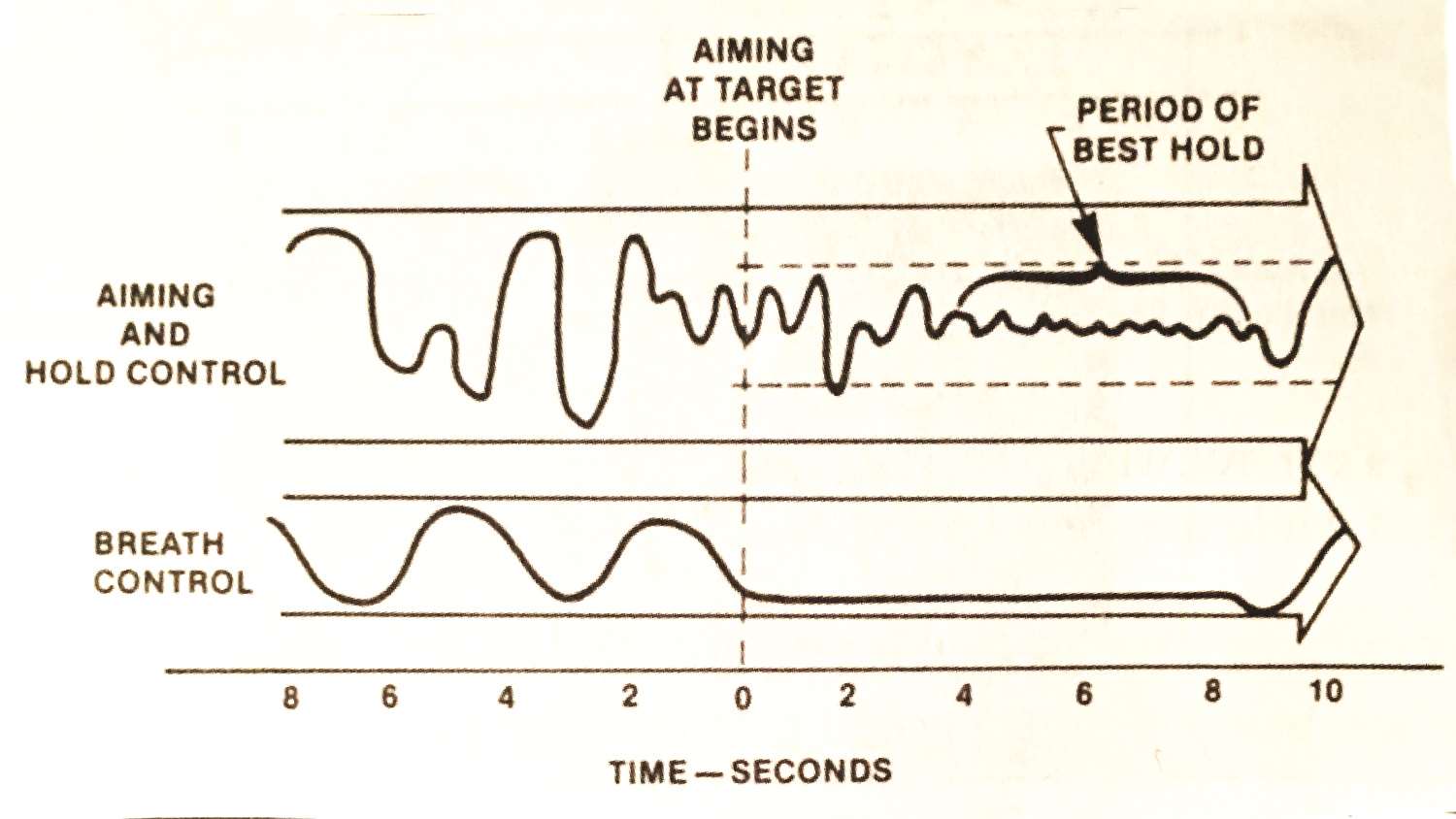
Breath and hold control are done together. Learn to recognize your period of steadiest hold, because that is the time when you should pull the trigger. Additionally, keep yourself focused mentally.
In our next Rifle Fundamentals article we’ll cover trigger control.