Introduced in 1898 as a black powder cartridge, the .38 Special could be considered obsolete. But it survived the shift to smokeless powder and has become a standard for competitive revolver shooters. Recent years, however, have seen two even more “obsolete” .38 cartridges gaining serious ground.
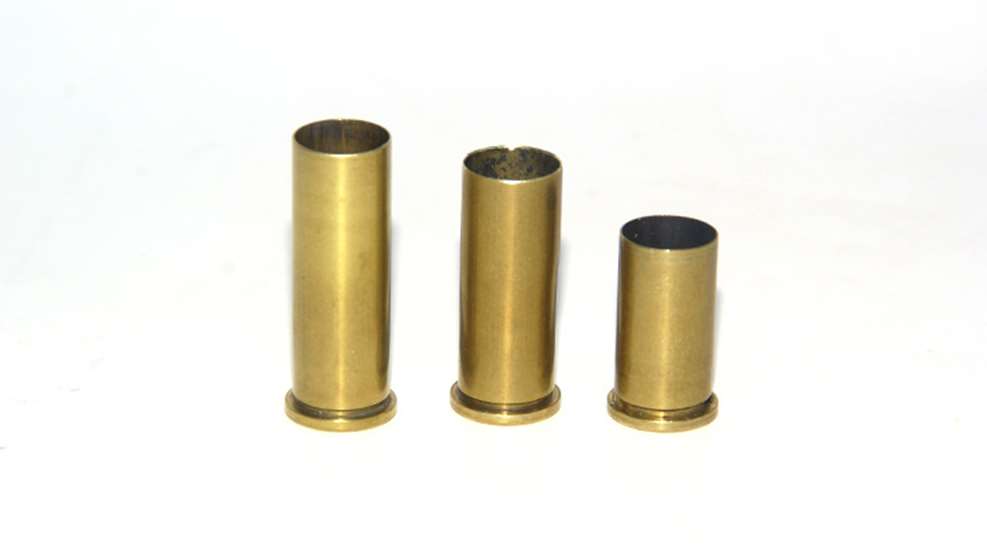
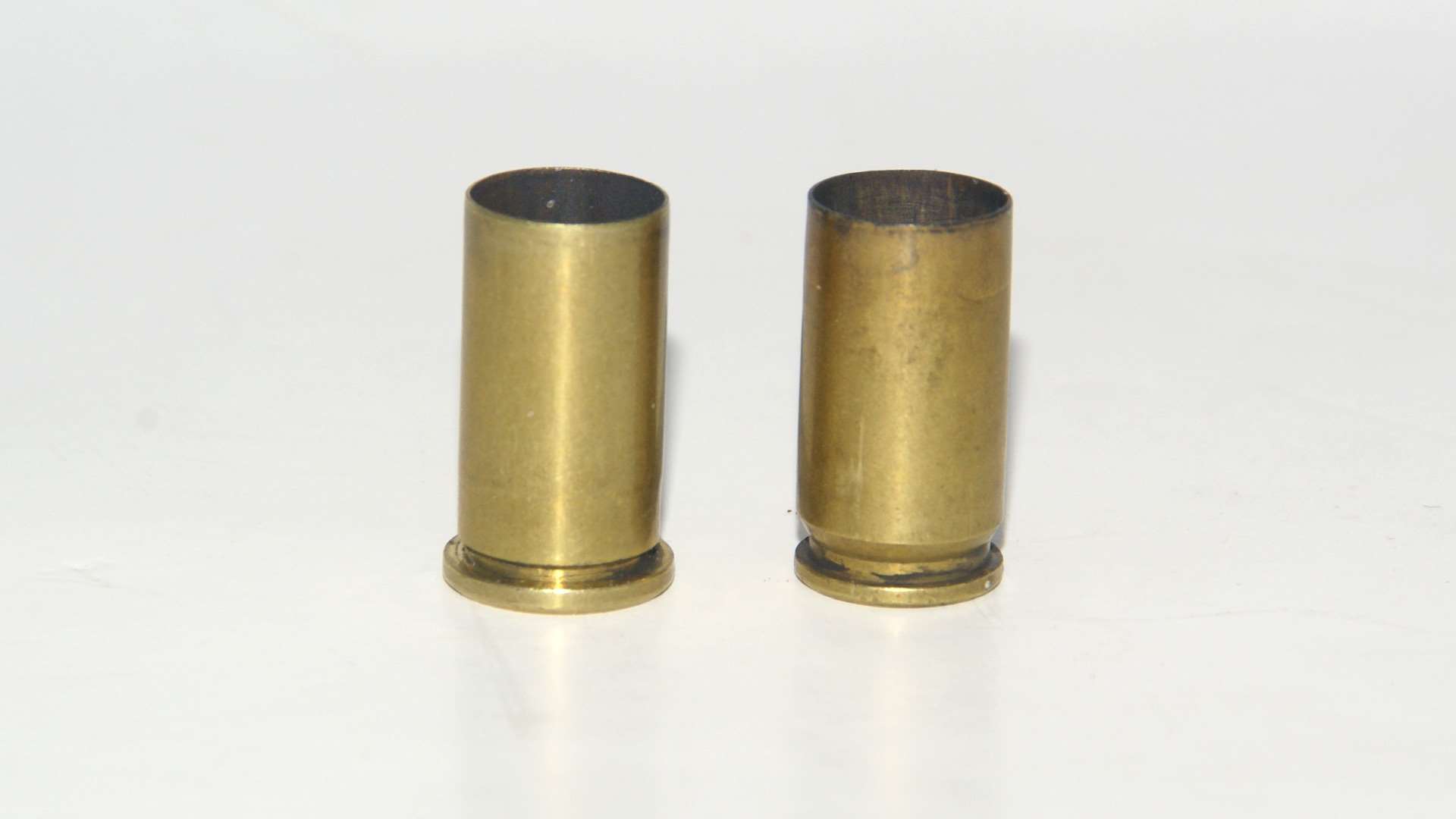
The .38 Long Colt (LC) and the .38 Short Colt (SC) predate the .38 Special (Spl.) by several decades. They’re identical to the .38 Spl. in all respects except for their case length. They’re nothing more than a shorter .38 Spl.
That case length difference is what has propelled their current popularity.
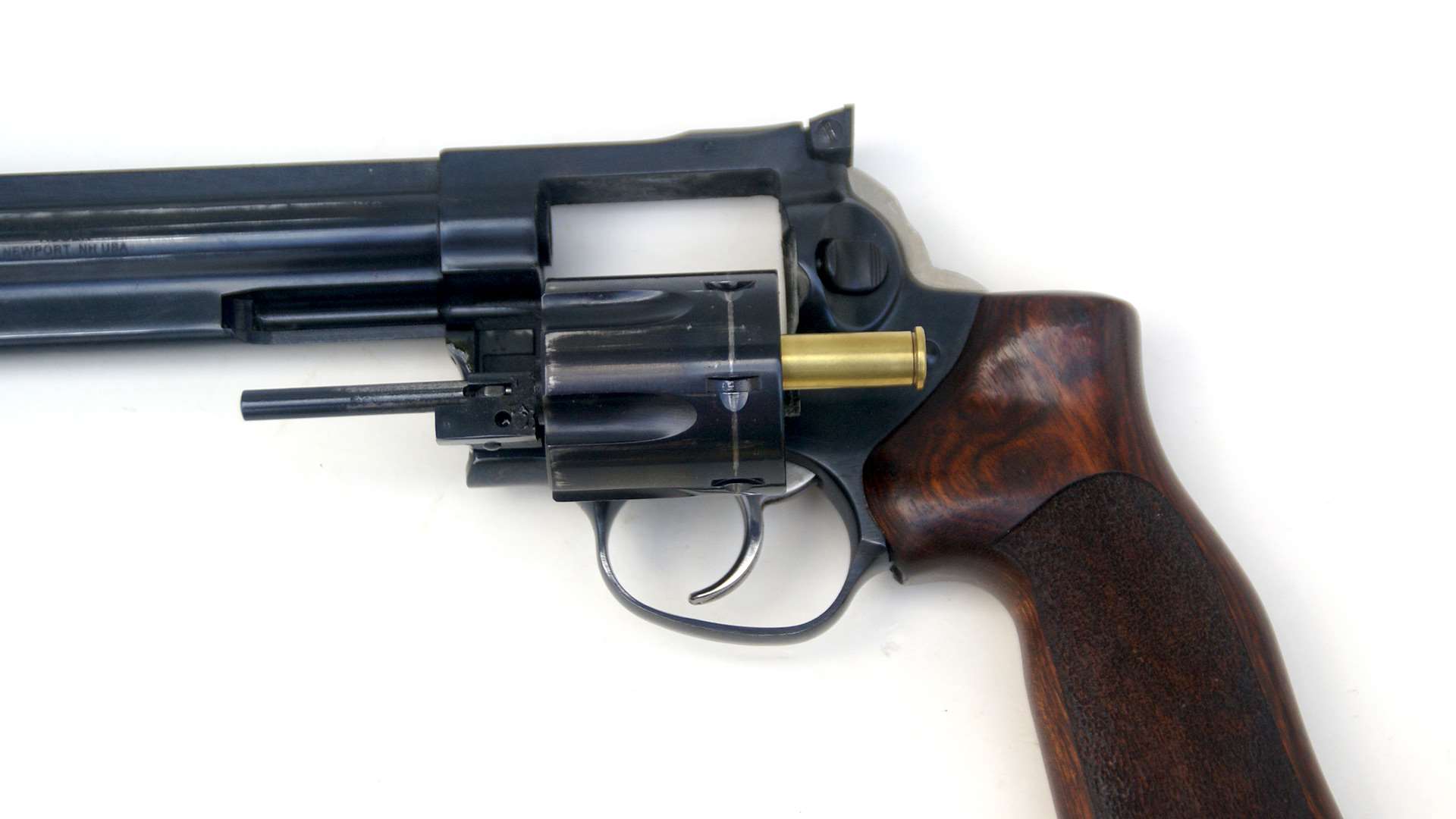
The .38 Spl. case length is 1.155 inch. The ejector rod stroke on the modern .357 Magnum revolvers competitive shooters use will not completely remove a fired .38 Spl. case from the chamber. About ⅛ inch remains, and gravity must assist to clear the fired case. If the chambers are fouled by dirty powders, gravity may not work. Revolver shooters will make multiple reloads during virtually any COF and all are “on the clock.” Ejecting empty cases is half the reloading process. A fired case that hangs up in a chamber increases the reloading time as the stubborn case is removed, all while trying to juggle the loading device at the same time. It adversely effects the score. The shorter LC and SC cases speed that process.
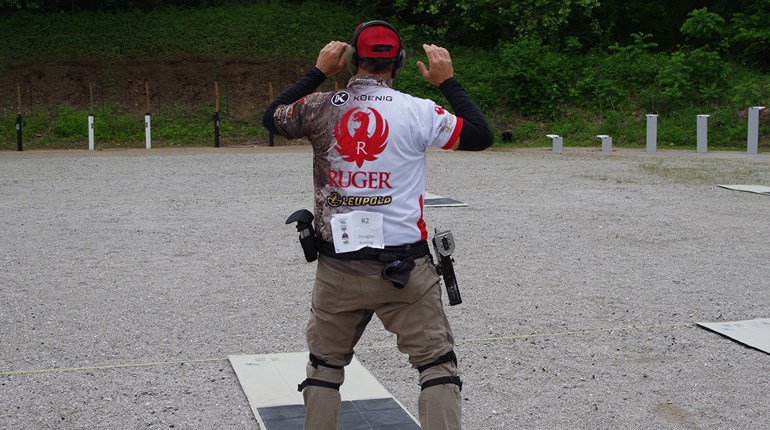
The .38 LC case measures 1.031 inch, and the ejector rod stroke on my Ruger GP-100 revolvers completely ejects them That’s the reason I use them for ICORE Classic Division competition. The .38 SC is even shorter at 0.765 inch (the same length as a 9mm) and is becoming a favorite among shooters using moon clip guns. Neither case is legal in IDPA, but perfectly legal in USPSA, Steel Challenge and ICORE.
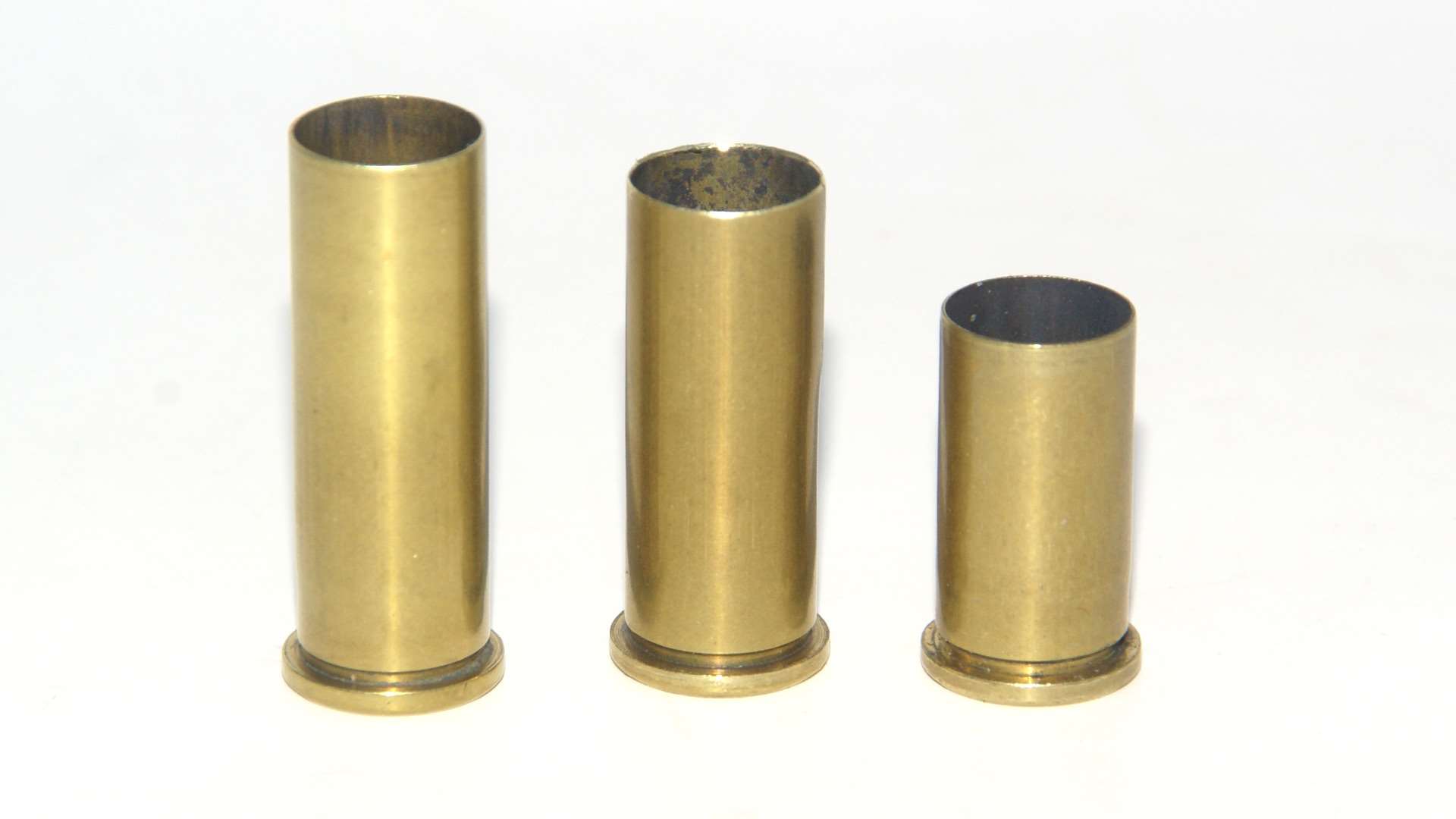
Accessing this reloading speed advantage is easy. Modern brass for both is available from Starline. Reloading dies are also available from the die makers, but a new die set may not be needed.
The .38 LC can be loaded with standard .38 Spl. dies, with the exception of belling and roll crimping. The dies will not adjust short enough for that. I use a taper crimp, so my only addition was an inexpensive ($14) Lee Precision .38 Long Colt Powder Thru Die, which bells the case mouth.
If a shooter loads .38 Spl. and 9mm, the .38 SC only requires a new die set if they want to use a roll crimp. Sizing and depriming is done with the .38 Spl. die. Belling, seating and taper crimping can be done with 9mm dies.
Reloading data for both the LC and SC is available in various reloading manuals and on powder company websites, but it’s irrelevant. The data given is for the antique revolvers that are no longer produced, and is held to the 7,000-8,000 CUP pressure levels they could accept. The .357 Magnum revolvers used by today’s shooters are rated for 42,000 CUP, and the modern cases are more than able to handle that. The match loads we use won’t even get close to that max CUP.
Standard .38 Spl. load data works very well in the .38 LC, although I have found that the lower internal case volume allows me to reduce the charges by 1/10th or 2/10ths grains to produce the same velocity.
The .38 SC has the same internal volume as the 9mm, and is nothing more than a rimmed 9mm. Loading data for the 9mm works well. Fellow competitors who favor the SC tell me that Winchester 231, Hodgdon HP38 and VihtaVuori N320 are top choices. Loading data for 147-grain bullets can actually be reduced with 158-grain bullets to make the various PFs easily. And, at .38 Spl. pressure levels.
The LC and SC may be well into their second century with guns no longer made for them. But with smokeless powder reloads, these “obsolete” cartridges are as up to date as tomorrow’s newspaper.
See more: