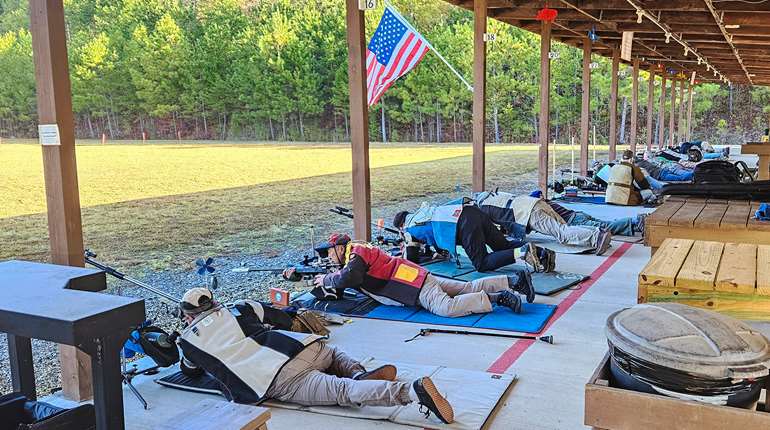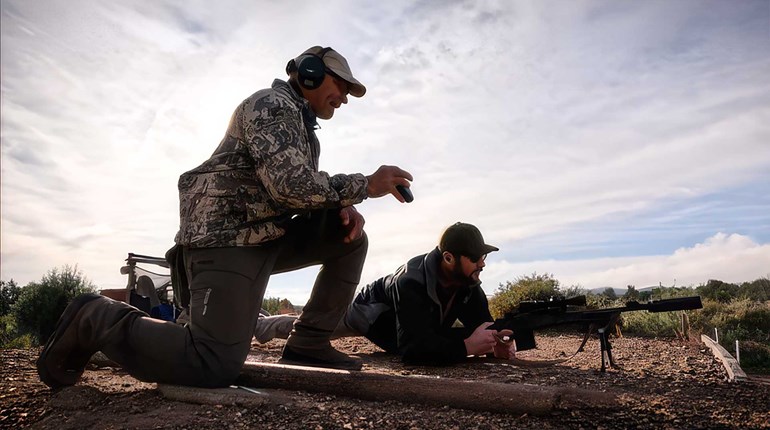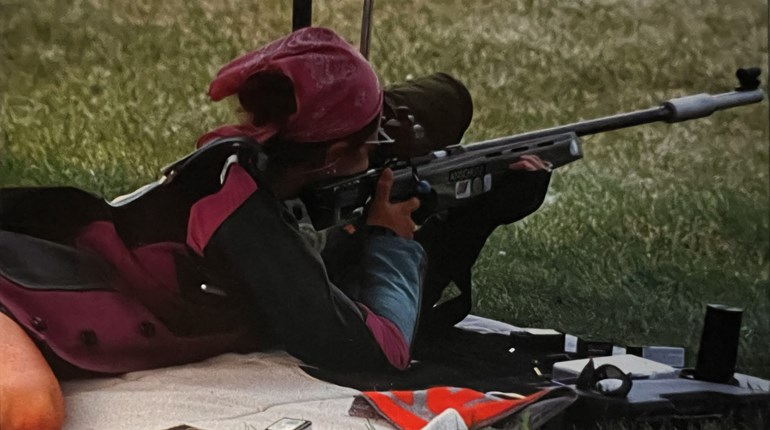

The 2001 class of national open champions in pistol, smallbore, high power and long-range had been called to the Camp Perry awards stage for top honor recognition before—a combined 20 times to be exact. The distinguished group included a champion nine times over, a trio of third-time winners and one shooter who joined the select company of those who have won national titles in both smallbore championships.
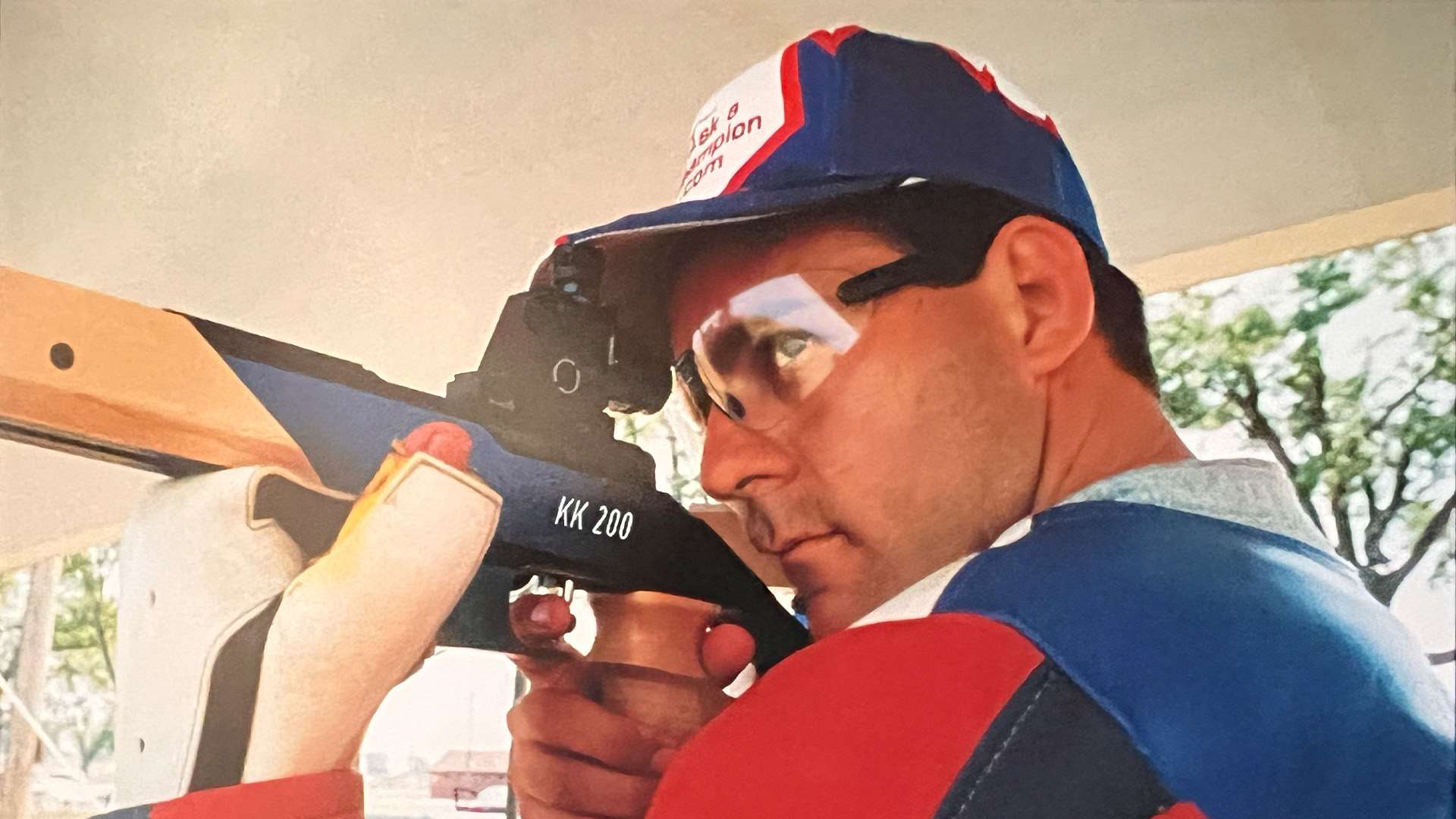
Since 1996, Gunnery Sgt. Brian Zins competed at the National Matches whenever his duties as a Marine would allow—and each time he left Camp Perry clutching the Harrison Trophy award as the national pistol champion. The year 2001 marked Zins’ third such trip and one can’t help but wonder what might have been had he competed the other three years.
Zins was challenged by former champions Darius Young and Steve Reiter, who finished second and third, respectively. Young, who won national titles in 1979 and 1989, started this year’s program by winning the .22 Championship with an 891. But reminiscent of several other performances throughout his illustrious National Match career, Young’s overall effort came up just short, in this case, by one point to Zins’ winning 2654 effort. Defending champ Reiter logged the third highest score with his 2644.
After finishing second to Young in the .22 stage, Zins finished atop the field in center fire competition with an 887, bettering another pair of former national champions, Mario Lozoya (1992) and Hershel Anderson (1973, 1974, 1977). Young’s record score in the .45 Championship (892 set in 1993) was not threatened as Sgt. Keith Sanderson, who finished second overall the two previous years, won this year’s stage with an 883.
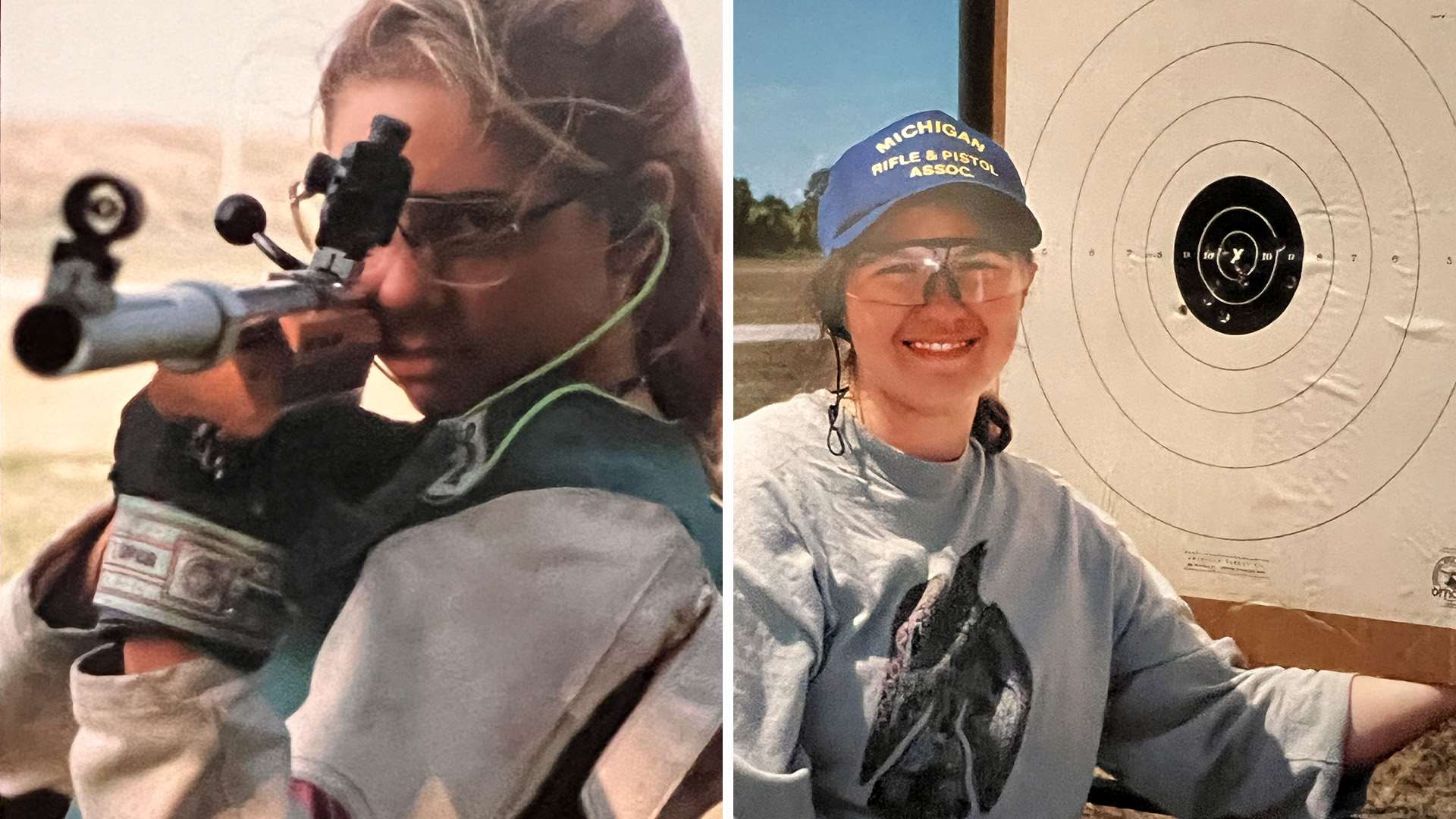
Women’s laurels for the second straight year went to Kimberly Hobart while Young won his third consecutive senior title and regained the civilian crown he last won in 1999. Ricardo Rodriquez, who had won service and civilian titles previously, topped the police category this year and Theresa Meyer fired the high score among the juniors.
Army Reservists followed their NRA Team Aggregate win with a victory in the National Trophy Team Match and the service claimed honors in the CMP individual events as well. CWO Ray Gabiola won the National Trophy Individual Match after Sgt. Fritz Ficke topped the President’s Hundred field.
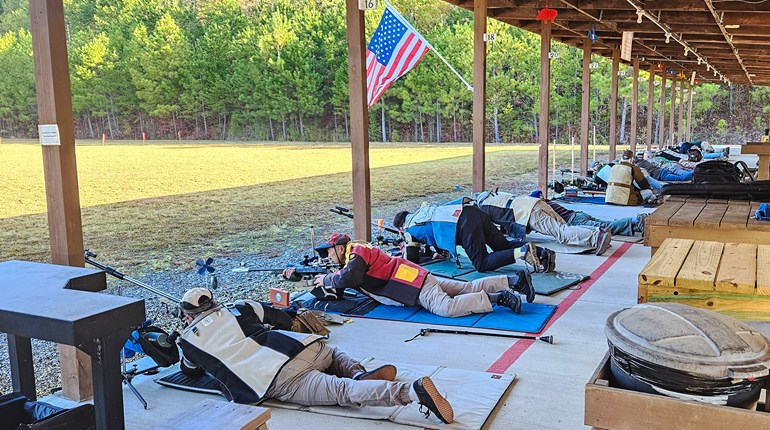
In smallbore position, squadding procedures caused a rare, albeit brief, delay before everyone was assured a firing point. Once shooting got underway, USAMU Sgt. Tim Manges recorded the first win with a metallic-sight prone score of 395-29X. Defending women’s three-position champ Jamie Beyerle, 17, won the standing match with a score one off the record 378, a score that earned former national champ Troy Bassham the victory in kneeling after battling winds kept him 10 points below the record he set three years earlier. Nevertheless, Bassham’s score outdistanced his nearest rival by a huge 15-point margin, giving him the push he needed to capture the metallic sight title.
At the end of the first half of the position tournament, Bassham, who had recently retired from the U.S. Army Marksmanship Unit after eight years, held a commanding 21-point lead over the field. His closest competition came from former teammates Manges and Trevor Gathman, both of whom shot scores of 1111, otherwise known as “picket fences.”
On the second day the scopes came out and the scores showed it. Former champion Mike Anti (1994) made a strong play for the lead which included a national championship record in standing with a 381-10X. His 1156-50X total was one point off the any-sight record, yet good for this year’s title. Bassham, meanwhile, finished 21 points behind Anti.
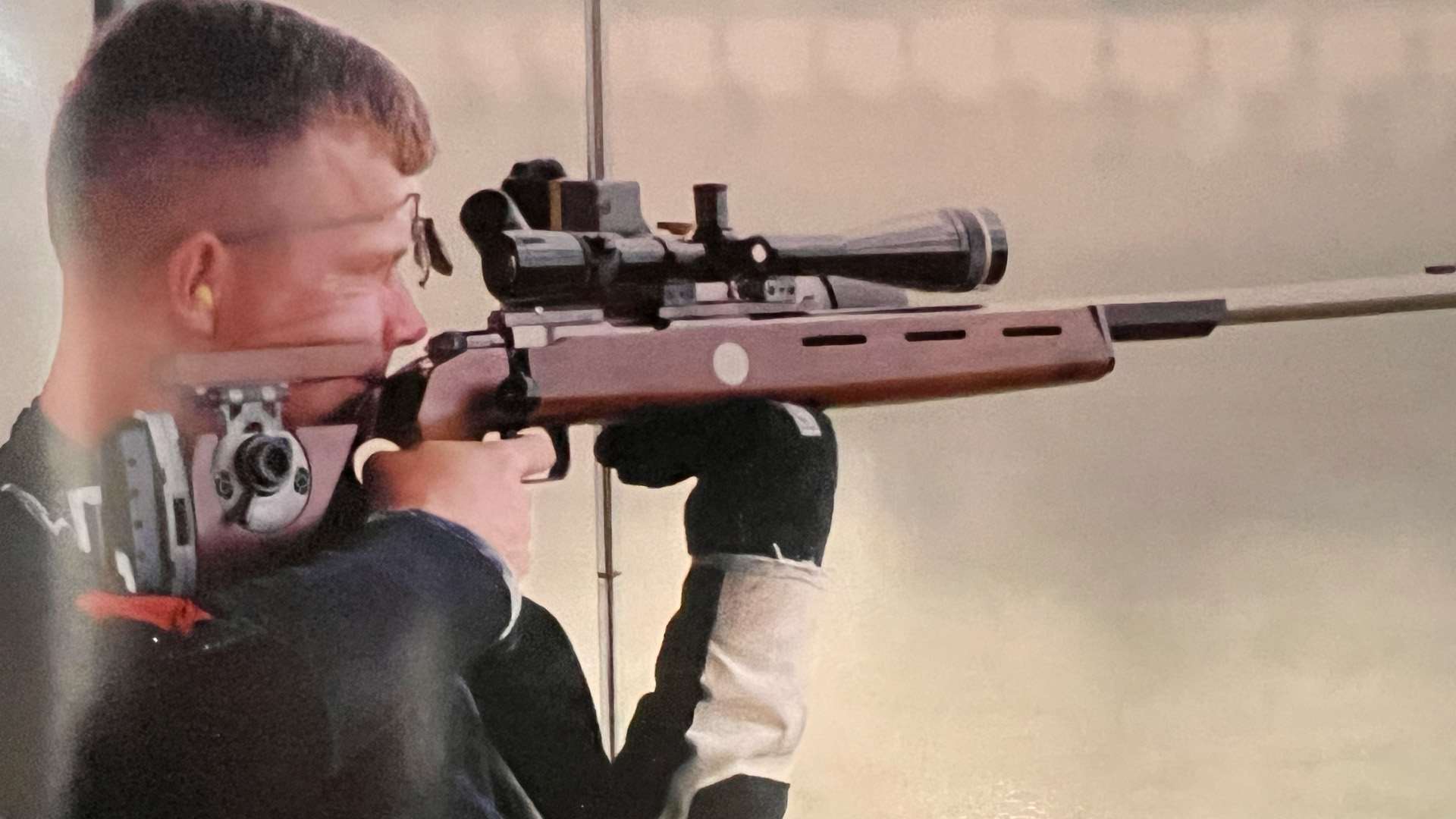
When the statistical work was complete, Anti’s herculean effort with the scope, which earned him service honors overall, was not enough to overcome the solid lead established by Bassham in the metallic sight stage. For Bassham, his 2267-81X was good for a third Frank Parsons Trophy in four years and his first Winchester Trophy for civilian honors. Service champion Anti finished second while Wes Robinson logged the third highest total. Junior and intermediate junior titles went to women’s champ Beyerle and former All National Guard team member Kay Anderson was named high senior.
Team day opened with no break in the heat that dogged the first two days and high temperatures continued on into the prone stage. After Eithan Barazani carded a 400-36X in the opening metallic sight Dewar match, it looked as though the weather would not infringe on the proceedings. But with the targets left at the 100-yard stage of the Dewar for the 100-yard match, the effect of the wind and mirage became clear—just one 400 was fired among the 291 competitors on the line. Danny Wigger won the match with a 400-22X.
The second day of the metallic-sight aggregate could be likened to day one in all respects: conditions did not change and scores were about the same. While the 50-meter match did some damage to the leader board, scads of 400s were fired at 50 yards. Heading into the break for team competition, the top 10 scores showed a spread of seven points, from Hoppe Trophy winner Anti’s 3192 to Lones Wigger’s 3185.
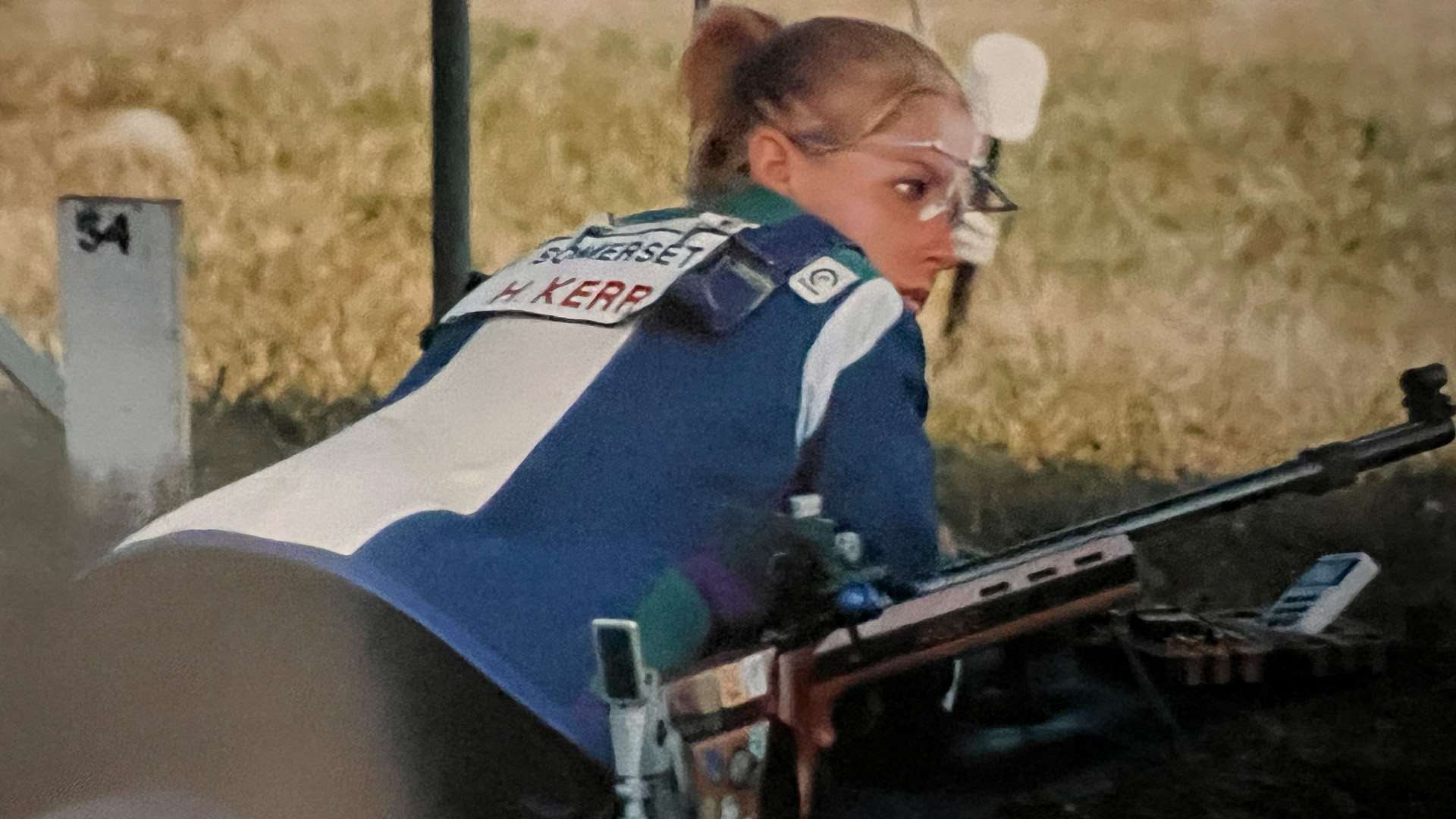
On team day, a match of historical significance occurred—the golden anniversary of the Randle Trophy International Women’s Team Match. And although the U.S. team did not successfully defend the title it had held so many times before, a stellar performance was turned in by expert junior shooter Celeste Green. Her 200-18X at 100 yards, when added to her perfect 200-20X at 50 yards, earned her not only the Eleanor Dunn Trophy as high U.S. shooter, but a share of the Randle Trophy individual record of 400-38X, tying the scores fired by Margaret Murdock in 1968 and Schulyer Helbing in 1973.
The day after severe storms forced the cancellation of the any-sight team match, any sight competition dawned fair, dry and windy and the line responded to the moderating conditions and scopes on rifles with a good deal more 400s in the opening Dewar than what was shot in the metallic-sight aggregate. The final two daily aggregates were won by Army Maj. Steve Goff and Steve Kern, with Kern earning the U.S. Cartridge Company Trophy for any-sight aggregate honors at 3190-235X.
In the end, Goff, along with former prone champions Anti and Carolyn Millard-Sparks, battled it out to determine the 2001 winner. Goff and Anti, both former national position champions, ended up being separated by just one point and three Xs with the Critchfield Trophy and service title going to Goff at 6378-445X. It was a valedictory victory for him as he was scheduled to return to Fort Benning to participate in one more match before his retirement ceremony. (Goff is one of the few shooters to earn all five Distinguished Badges as well as earn both national outdoor crowns in both position and prone.)
Millard-Sparks finished third with her 6375-466X and claimed high civilian as well as her fifth consecutive high women’s crown while Wigger, at just 11 Xs back, won his last intermediate senior title since his 65th birthday was on the horizon. Joe Steffy was named high senior and this year’s young Randle Team phenom Green claimed the junior championship.
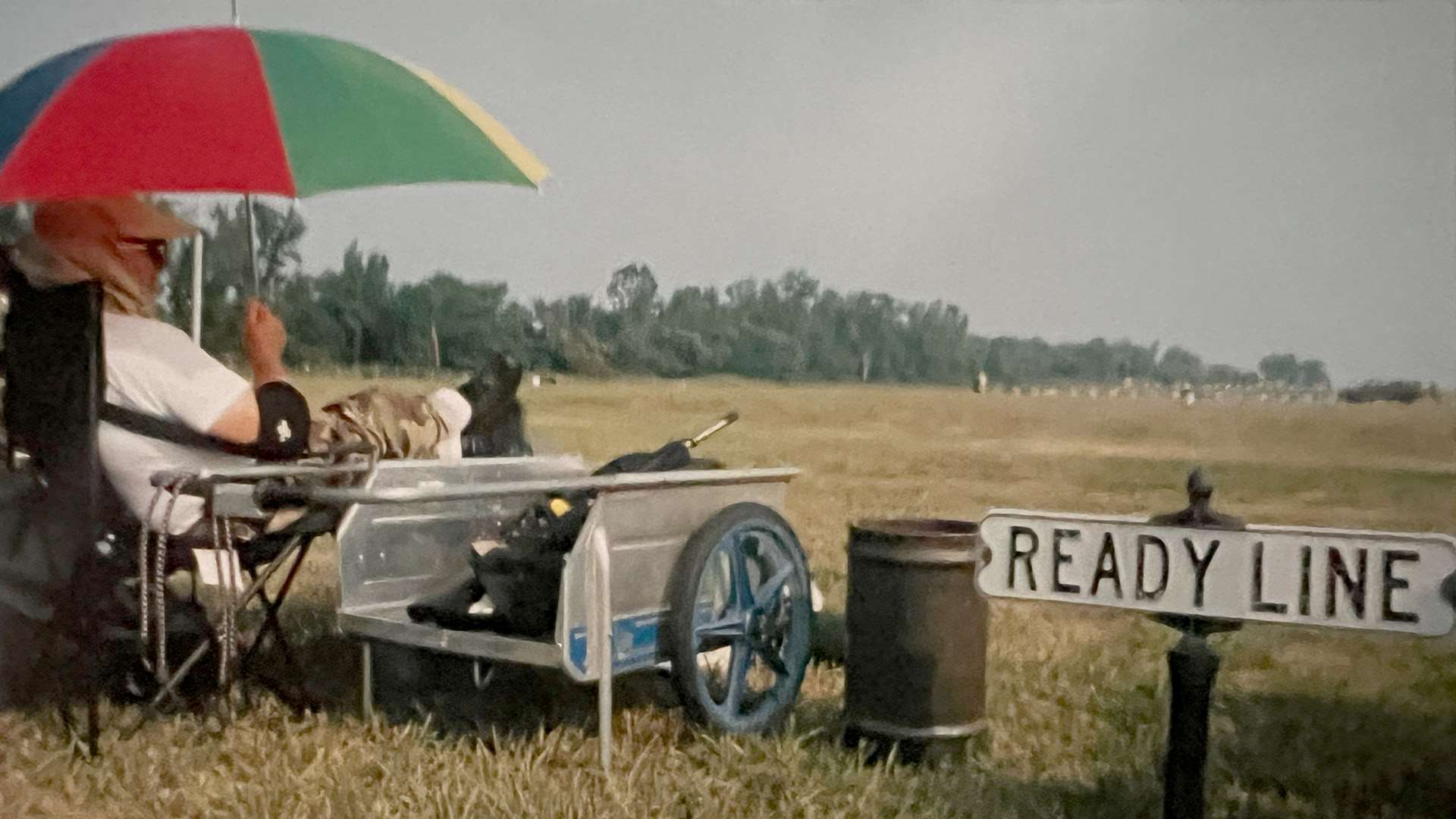
Always the experimentalist, G. David Tubb won this year’s high power championship, his ninth overall, with a self-made Tubb 2000 bolt-action space gun. Equipment aside, this year Tubb’s experience and familiarity with the Camp Perry winds and mirage helped produce a 2380-112X for the win.
The championship started off in record fashion for Tubb, whose 797-41X Vandenberg Cup score upped Gary Anderson’s previous high set in 1988 by eight Xs. After finishing five behind Singley’s winning Nevada Trophy score of 793, Tubb displayed his mastery under trying weather conditions and claimed the third and final aggregate of the championship, the Clarke Trophy Match, with a 795. Service rifle shooter Alonda Roy was named women’s champion, Bert Medina fired the high police score for the fifth time in six years and Adam Bester and Palma Team veteran Bert Rollins finished atop the junior and senior categories, respectively.
Service shooters Grant Singley of the U.S. Army Marksmanship Unit and Marine Reserve Master Sgt. Steve Wilson both finished nine behind Tubb to claim second and third overall, after first contributing to the winning National Trophy and Infantry Team performances, respectively. The first CMP-sponsored rifle match fired, the President’s Match, went to Marine Staff Sgt. Richard Threatt with a record 299-19X while Army Reserve Maj. Jay Williams claimed National Trophy Individual honors. (The Marine Reserve victory in NTT competition was followed by regular Marine units in second and third place.)
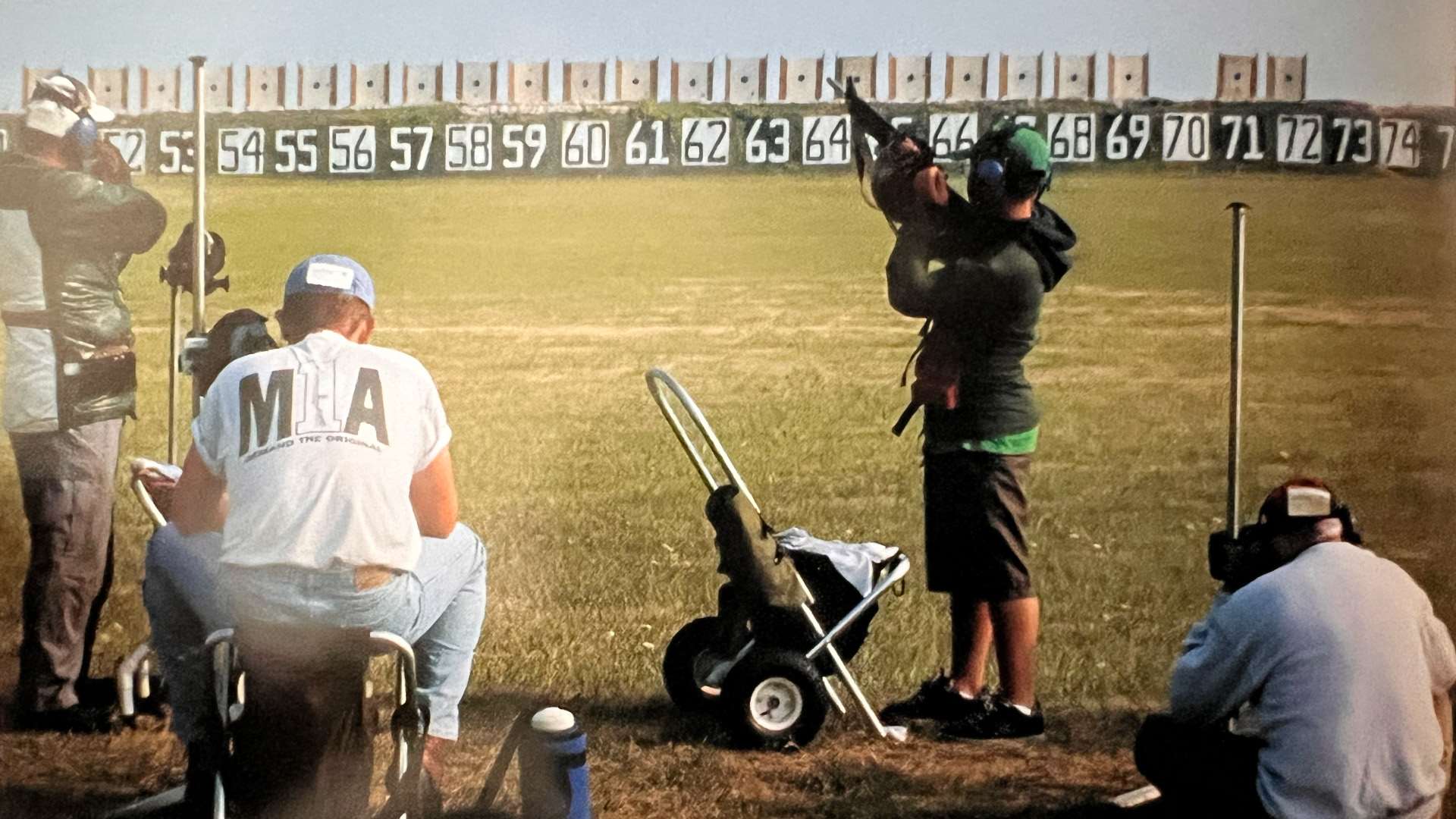
At just 20 years of age, Michelle Gallagher earned her third long-range championship. Her win this year also marked the first title defense since G. David Tubb won three consecutive long-range championships in the late 1980s. (This was the fifth straight year that Michelle or her mother Nancy Tompkins-Gallagher won the national long-range title.)
Leech and Wimbledon Cup honors went to Marine Sgt. William Janssen and Michael Barron, respectively, while the team equivalents at 1,000 yards—the Roumanian and Herrick Trophy Matches—both went to the ASRPA Family comprised of Gallagher, sister Sherri, mother Nancy Tompkins-Gallagher and Mid Tompkins.