
When TriStar Arms opened for business in 1996, its plan was about as uncomplicated as a business plan gets: find good overseas factories, bring their shotguns to the U.S. and sell them at prices everyday hunters and clay shooters could afford. Thirty years later, TriStar is still working that plan, but nearly everything else about the company has gotten bigger.
Over the last 20 years, TriStar’s annual firearm sales have climbed more than twentyfold, and its overall business has grown more than 25 times over. Its workforce is five times larger, and the company has expanded its Kansas City, Missouri, headquarters on three separate occasions to keep up with demand. For an importer that built its name on budget-conscious sporting guns, that kind of growth would turn heads at far bigger outfits.
TriStar remains a family operation. Gus Bader, the company’s CEO, is still involved in the business, while his son, Ryan, is president. Spend any time around the Baders and it’s easy to see where the company’s customer-first reputation comes from. Both men are about as down-to-earth as they come in this industry, and the way TriStar treats its customers reflects that.
TriStar’s firearms are built by manufacturing partners in Turkey. In the company’s early years, that detail alone was enough to make some U.S. shooters turn up their noses. Those days are largely gone. Turkish gunmakers have earned their place in the market, and TriStar spent years backing its imports with rigorous testing and real customer support. Plus, the company stands behind its shotguns with a solid warranty.
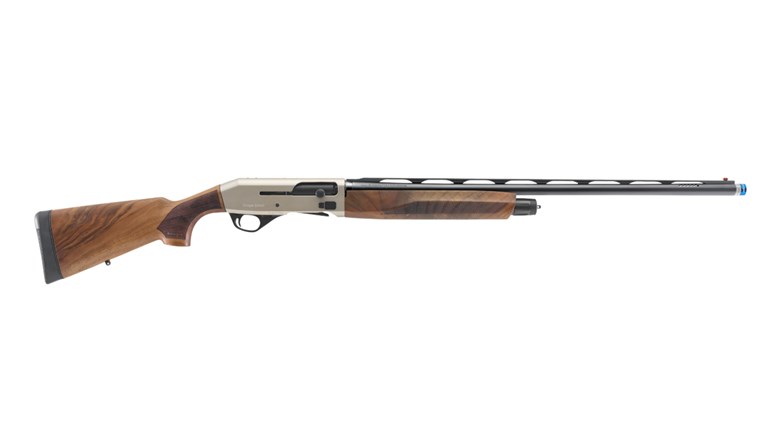
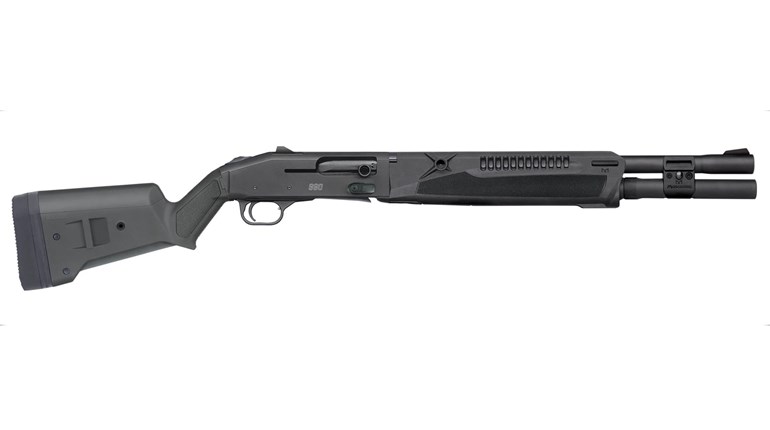
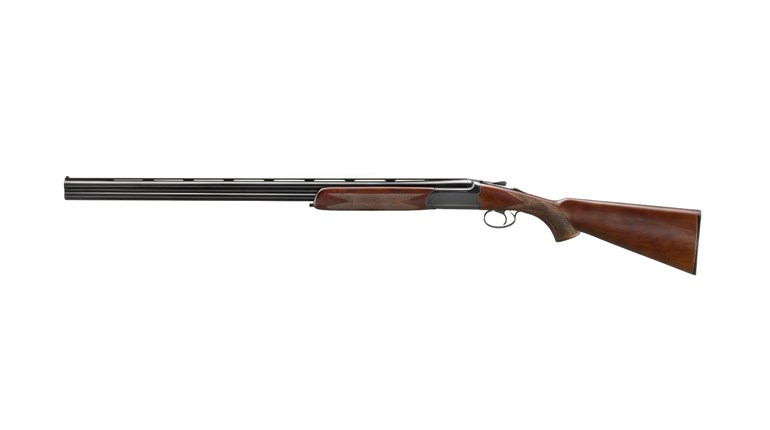
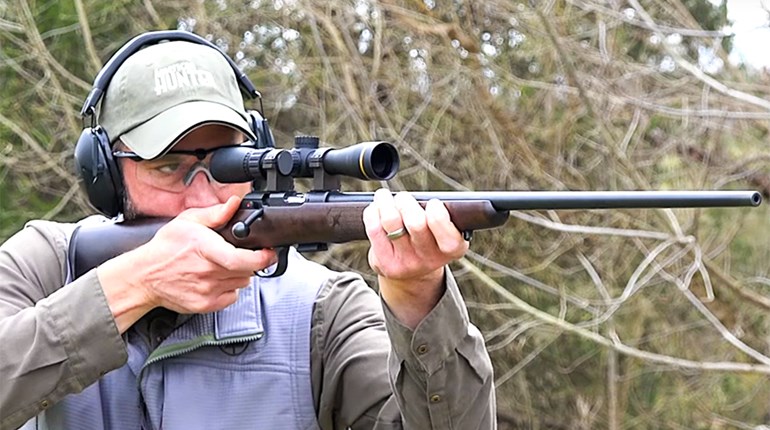
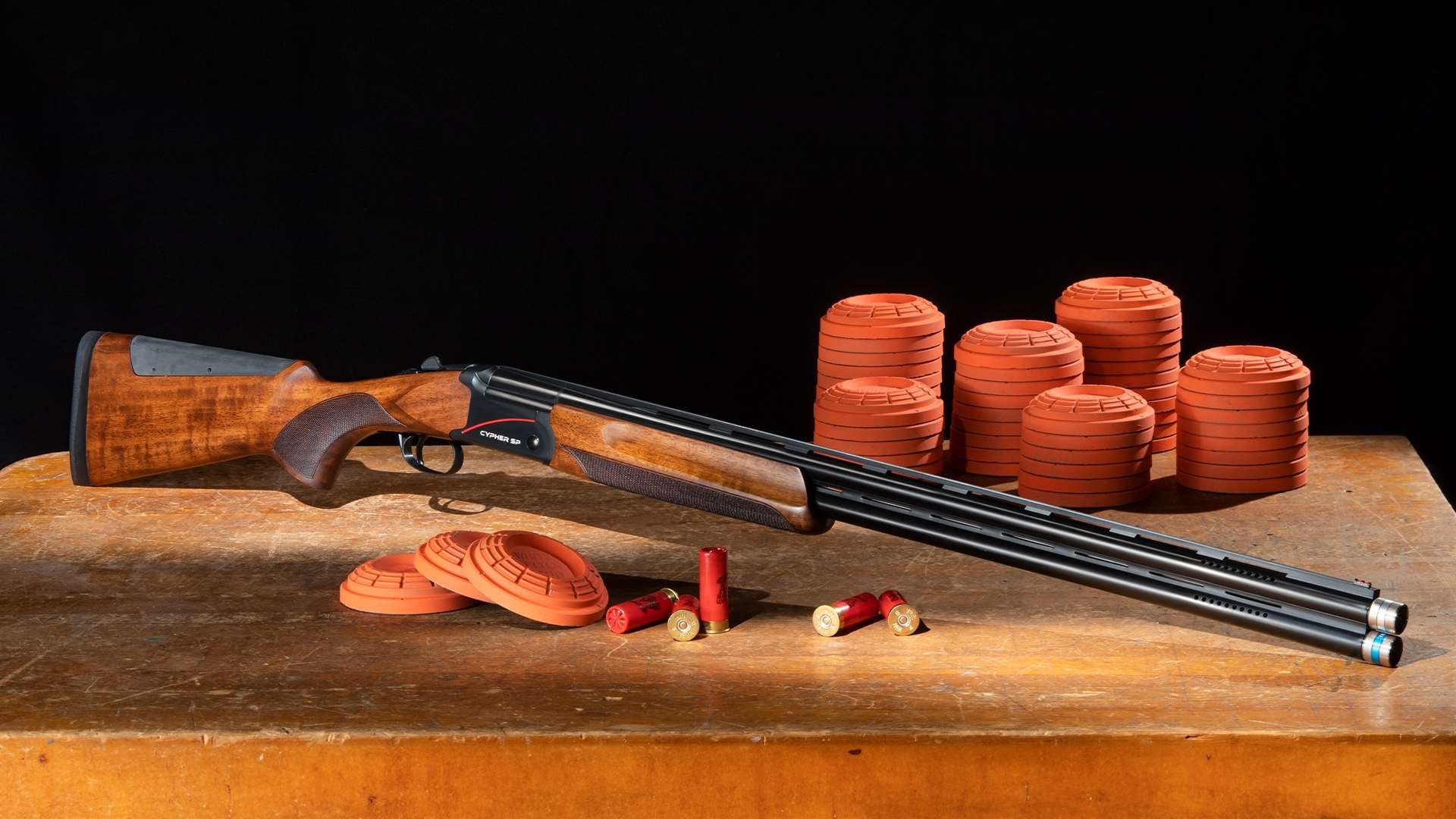
Shooting Sports USA readers likely know TriStar best from the clays field. For trapshooters, TriStar developed the TT-15 line with input from professional shooters, giving newcomers a robust competition gun at an entry-level cost. Viper semi-automatics built a loyal following among hunters and target shooters, and the Trinity over/under line has become a favorite with upland hunters and clays shooters who want a quality break-action without a painful price tag. Today, the company’s catalog also includes rifles and pistols.
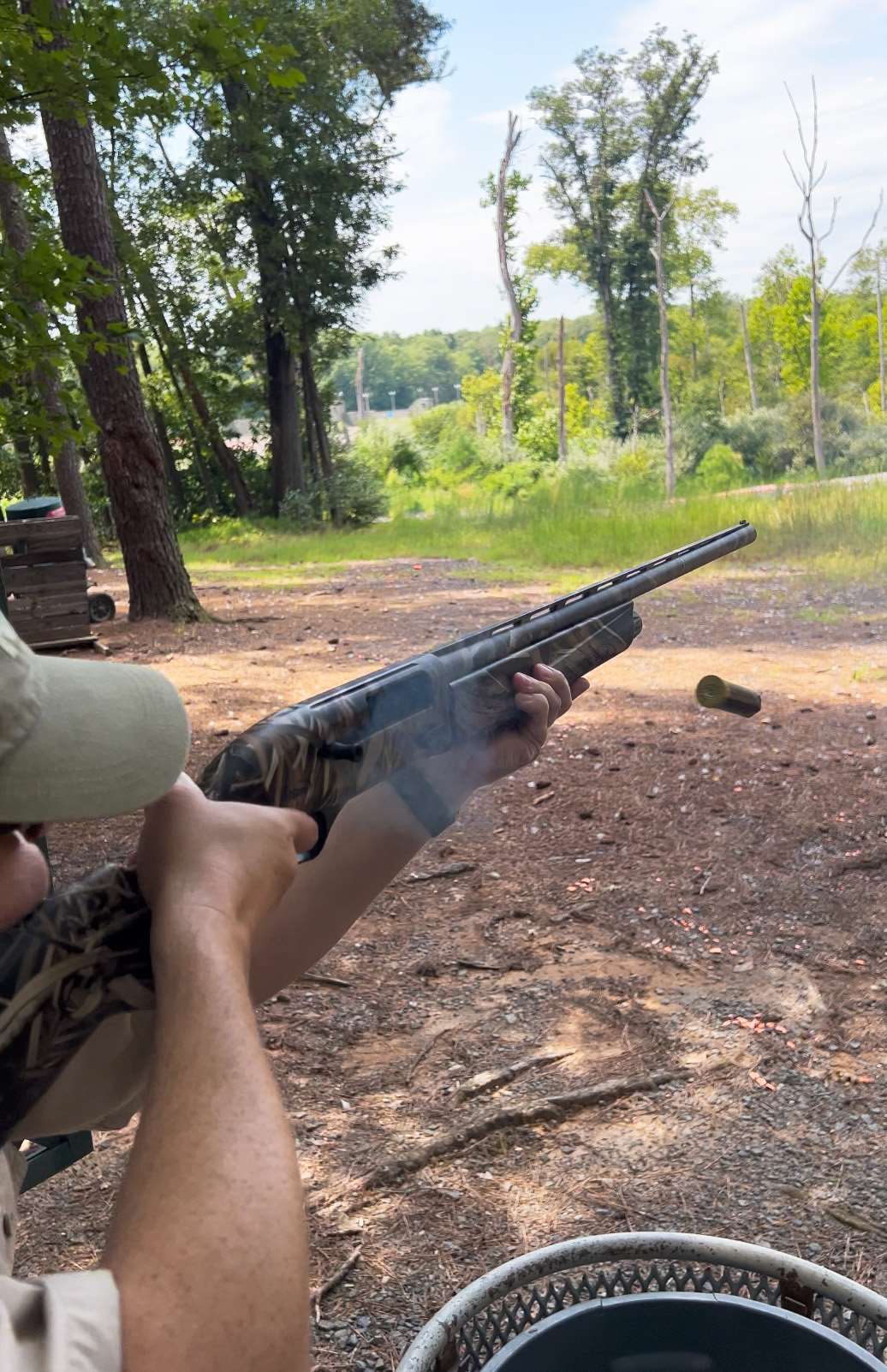
Soon, the next chapter of the Viper story will be here. The Viper G3, the latest generation of TriStar’s popular gas-operated, semi-automatic scattergun, should be arriving on dealer shelves not long after you read this article. According to the company, shooters can expect to see increased performance and utility out of this upgrade, without added expense.
“Thirty years is a significant milestone for our company and one that wouldn’t have been possible without the loyalty of our customers, dealers, distributors and industry partners,” said Ryan Bader. “We’re grateful for the trust they’ve placed in TriStar over the years. As we celebrate this anniversary, we’re just as focused on the future as we are proud of our past, and we’re excited to continue delivering the quality, innovation and value that people have come to expect from TriStar Arms.”
TriStar says more new products and initiatives are on the way. If the first 30 years are any indication, plenty of shooters will be glad to hear it.
For more information, visit tristararms.com.
Most Popular