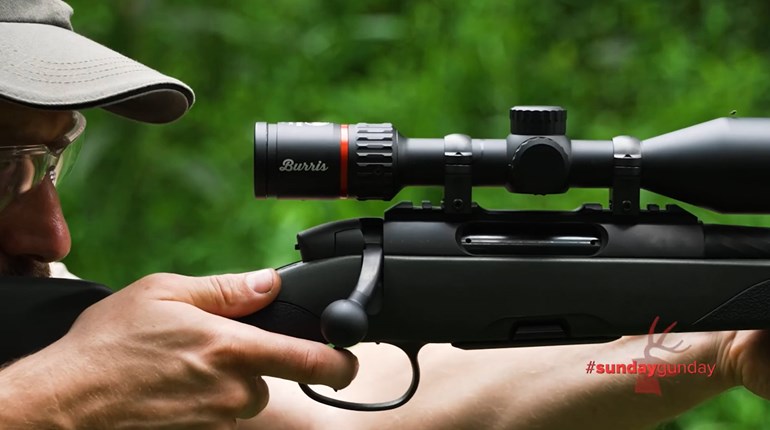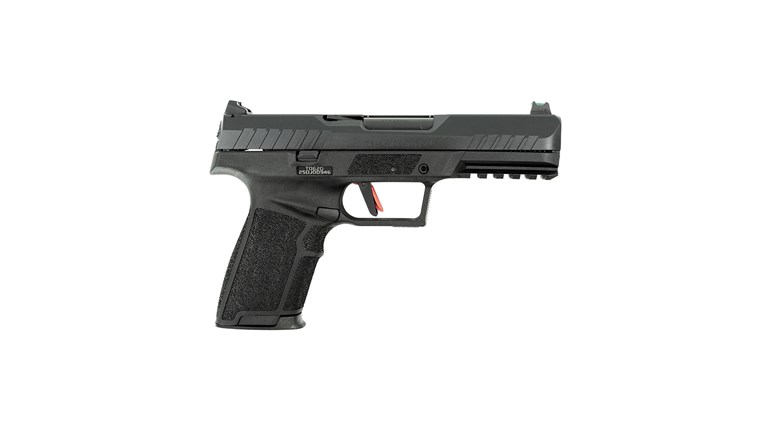

The snow is cold, the heart rate is hot and the clock does not lie. Olympic biathlon is back on the biggest stage this month at the Milan Cortina Winter Games, and it’s doing what it’s always done: mixing endurance and precision shooting until only the toughest can reach the podium. Cross-country skiing at full blast, combined with repeated trips to the shooting range—where a single miss can mean dropping down the leaderboard.
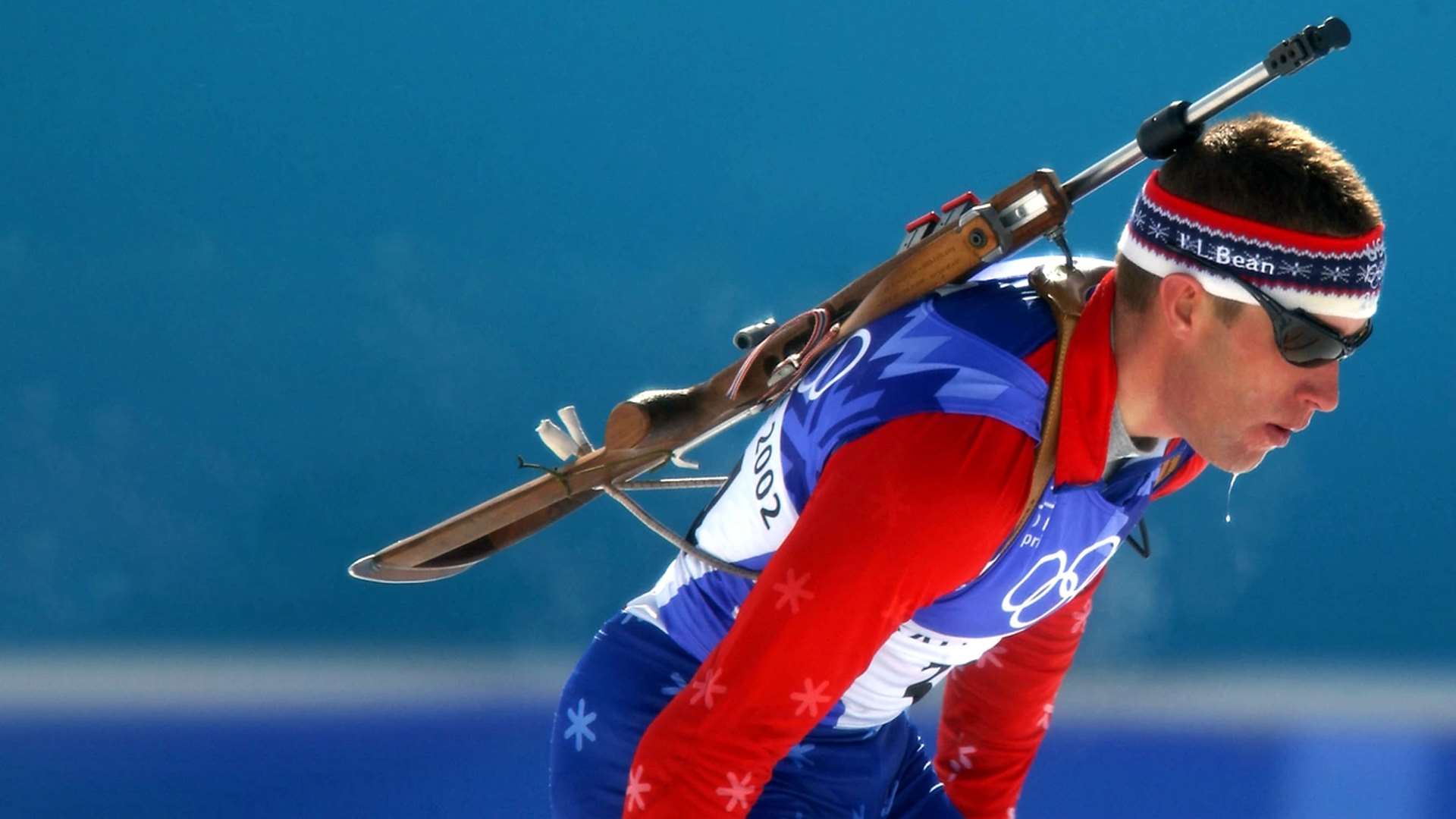
Biathlon’s Olympic soul is simple and brutal. Athletes ski hard enough to blur the world, then slam to a stop and shoot with a pulse pounding like a bass drum. Each missed target brings a penalty—extra distance or extra time—and in a race decided by seconds, those penalties hit like a flying elbow off the top rope. The format rewards the complete athlete: lungs of steel, hands steady as ice and mind calm under pressure.
Shooting at 180 Beats Per Minute: The Long Road to Modern Biathlon
Before the stadiums, before the TV cameras, before the targets flipped from black to white with a roar from the crowd, biathlon was survival. This sport was born from hunters and soldiers moving across snow-covered land with rifles on their backs, patrolling borders and tracking food through winter terrain that showed no mercy. What you see today is refined, but underneath it all, biathlon still breathes with that original pressure.
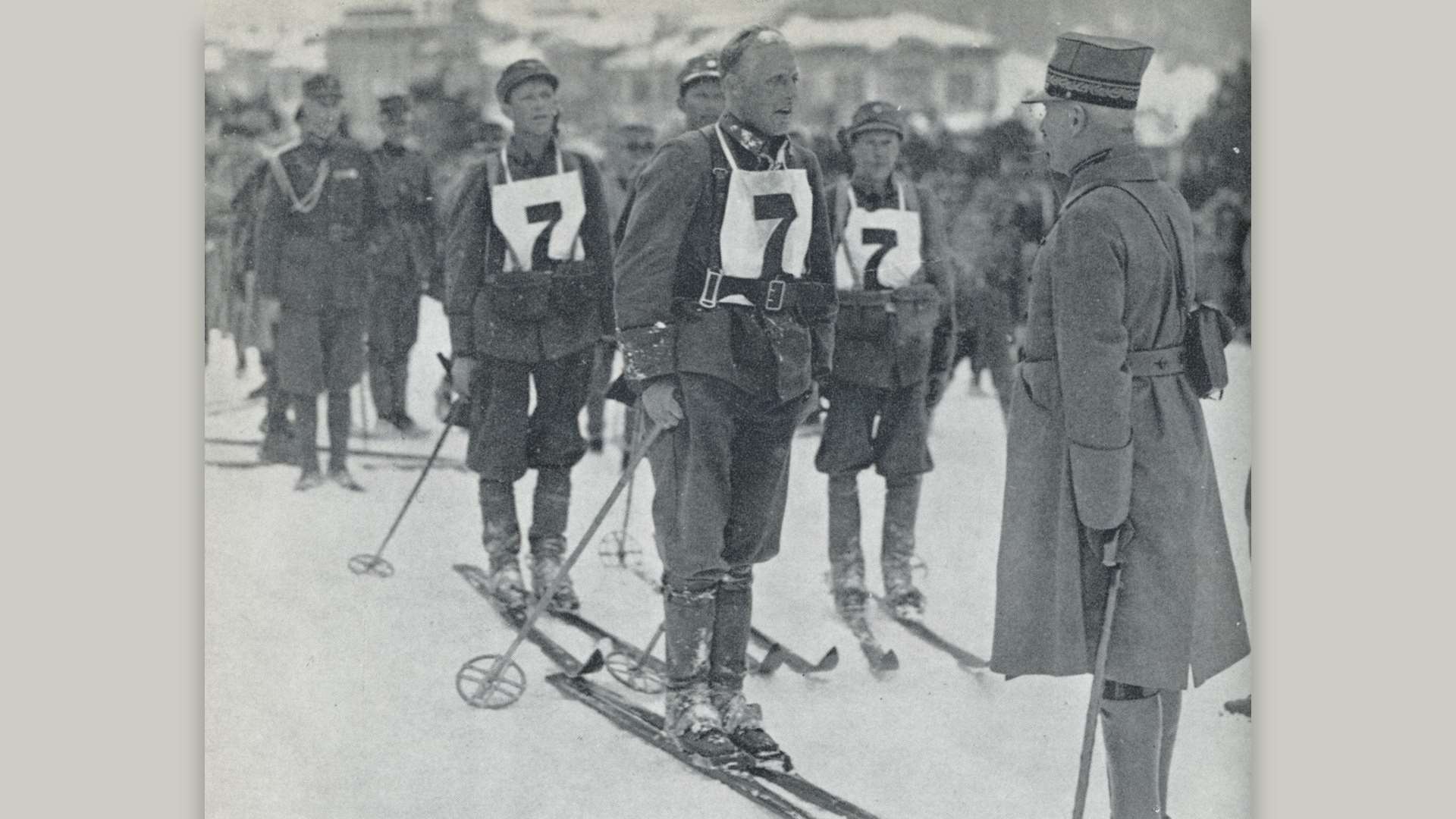
The first Olympic glimpse of biathlon came at the 1924 Winter Games, where a military patrol event showcased skiing combined with rifle shooting. But the sport didn’t lock into the Olympic program right away. Too few countries and too many disagreements over rules, equipment and format stymied development. It took decades of evolution before biathlon found its unified voice.
That voice got louder in 1958, when biathlon debuted as a World Championship sport in Austria. Two years later, the breakthrough came: biathlon officially joined the Olympic Winter Games at Squaw Valley in 1960. At that time, it was a men’s-only sport. Women didn’t step onto the Olympic biathlon stage until 1992, marking a major expansion of the sport’s global reach and competitive depth.
From Battle Rifles to .22 Precision
Early biathlon was not the sleek smallbore contest fans recognize today. From 1958 to 1965, athletes competed with high-power centerfire rifles, carrying ammunition on belts. At the 1960 Winter Olympics, the U.S. team was shooting Winchester Model 70 bolt-action rifles, chambered for the .243 Winchester cartridge. Swedish biathletes used a 6.5 mm Mauser, the Russians a 7.62 mm Mosin Nagent, France the Remington Model 740 in .30-'06 caliber with the only open sights, and the British stuck to their Short Magazine Lee Enfield No.5 Mark 4 in .303 caliber. The original Olympic event was a 20 km individual race, with shooting distances stretching anywhere from 100 to 250 meters.
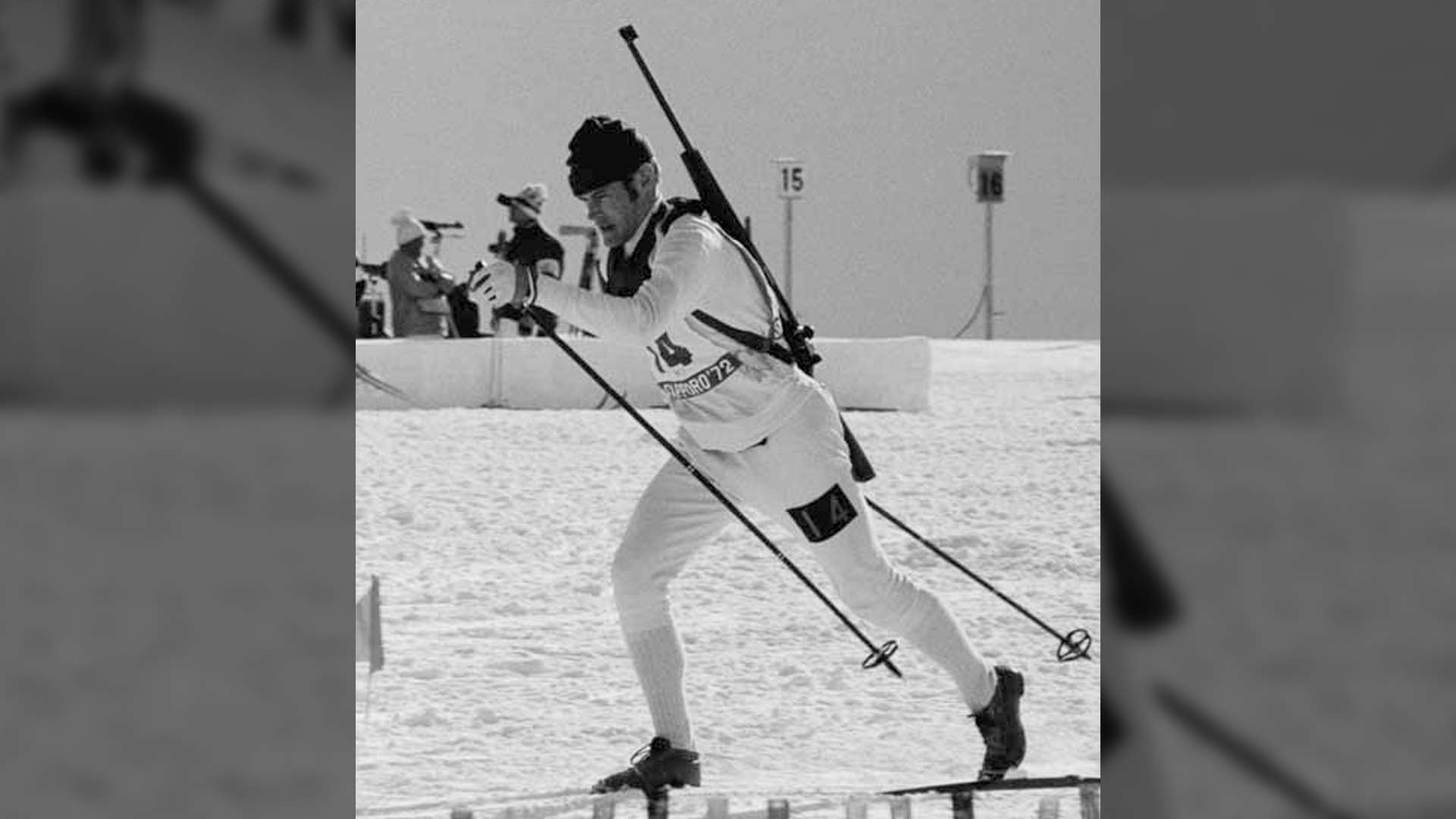
As the sport grew, so did the need for standardization. Relays were added. Shooting distances shrank. By 1978, the biathlon world settled on rimfire rifles chambered in .22 Long Rifle, and the shooting range was reduced to the now-universal 50 meters. That shift transformed biathlon from a test of long-range marksmanship into a discipline of speed, control and repeatable precision.
Another major leap came at the Lake Placid 1980 Winter Olympics, when mechanical, self-indicating targets made their Olympic debut. Suddenly, every hit—or miss—was instantly visible, with black flipping to white. With crowd reaction becoming more of a factor, pressure doubled. Modern Olympic biathlon uses electronic targets with paper targets used for zeroing and practice sessions.
Race Format: Speed Meets Control
Modern biathlon is a cross-country ski race broken into two or four shooting stages, split evenly between prone and standing positions. Distances vary by event, from a 10 km sprint (7.5 km for women) to the 20 km individual (15 km for women). There is also a mixed men’s and women’s 4x6 km relay race. Ski fast, yes—but arrive at the range with your heart hammering near 180 BPM, and now the real fight begins.
Miss a target, and the sport exacts its toll. Depending on the event, penalties come as either one minute added to the skier’s total time, or a 150-meter penalty lap that must be skied immediately.
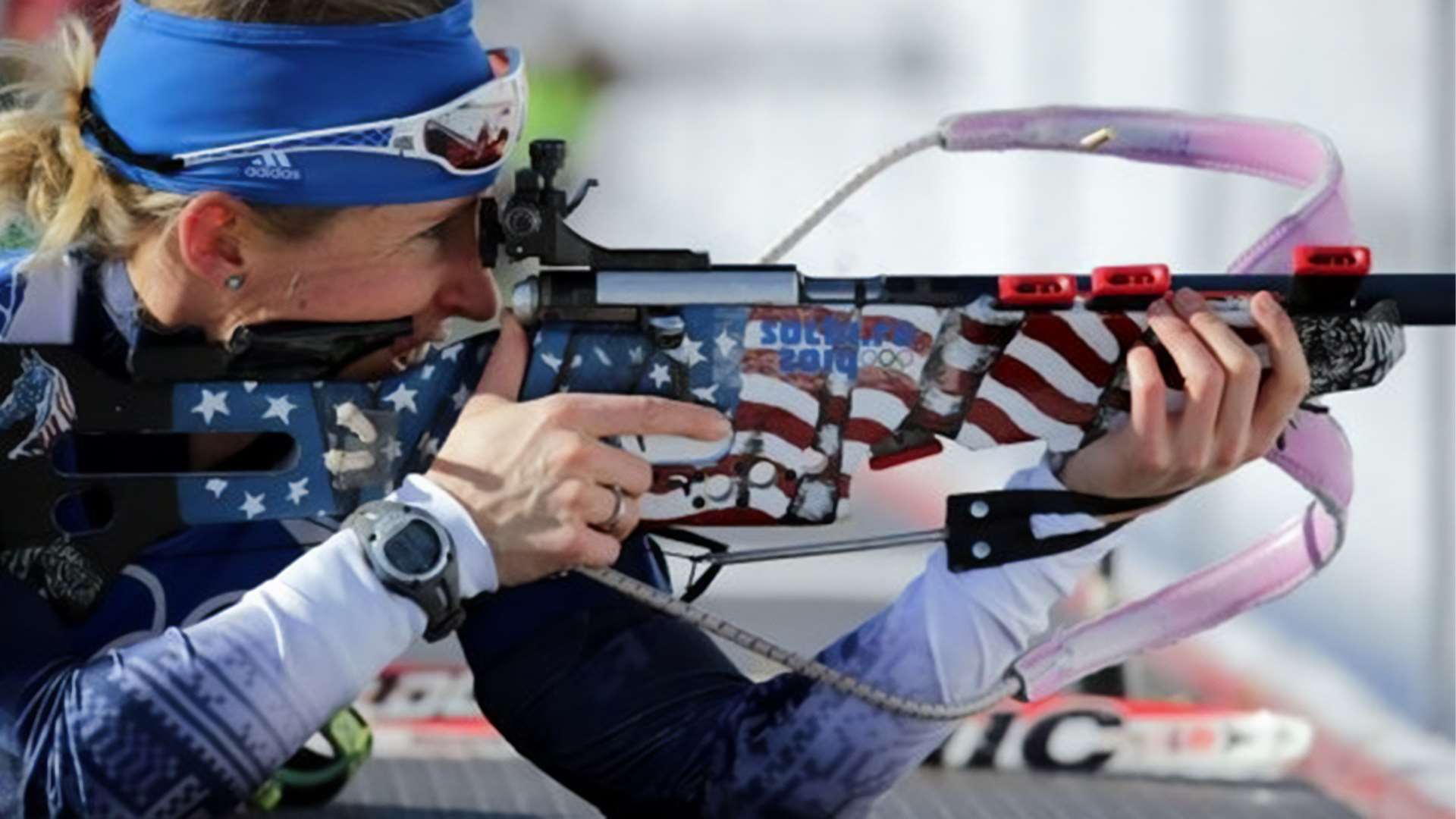
The winner isn’t always the fastest skier—it’s the athlete who balances speed and accuracy better than anyone else on the mountain.
Specialized Rimfire Rifles
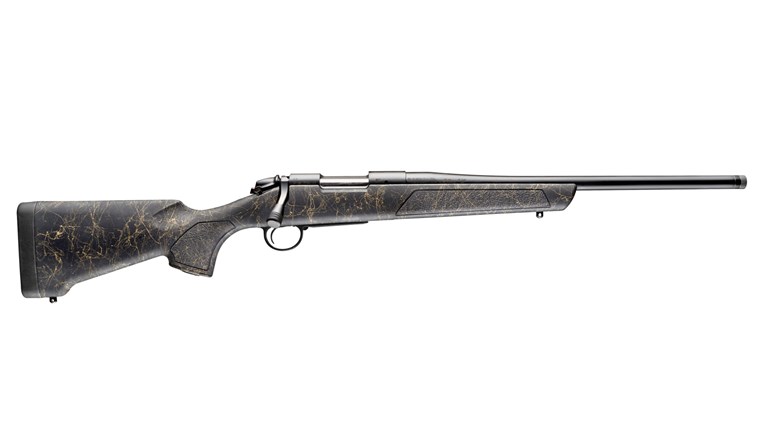
Modern biathlon rifles are specialized machines, designed for speed, snow and stress. They must weigh at least 3.5 kilograms, excluding ammunition and magazines, and meet strict regulations on dimensions, trigger resistance and even advertising decals on the stock.
Most athletes use Fortner straight-pull bolt actions, allowing rapid cycling without breaking shooting position. The rifles carry four 5-round magazines on the fore-end of the stock, plus storage for individual cartridges. In relay events, athletes are allowed three extra single-loaded rounds after the magazine is empty—but after eight shots, any remaining misses mean penalty laps.
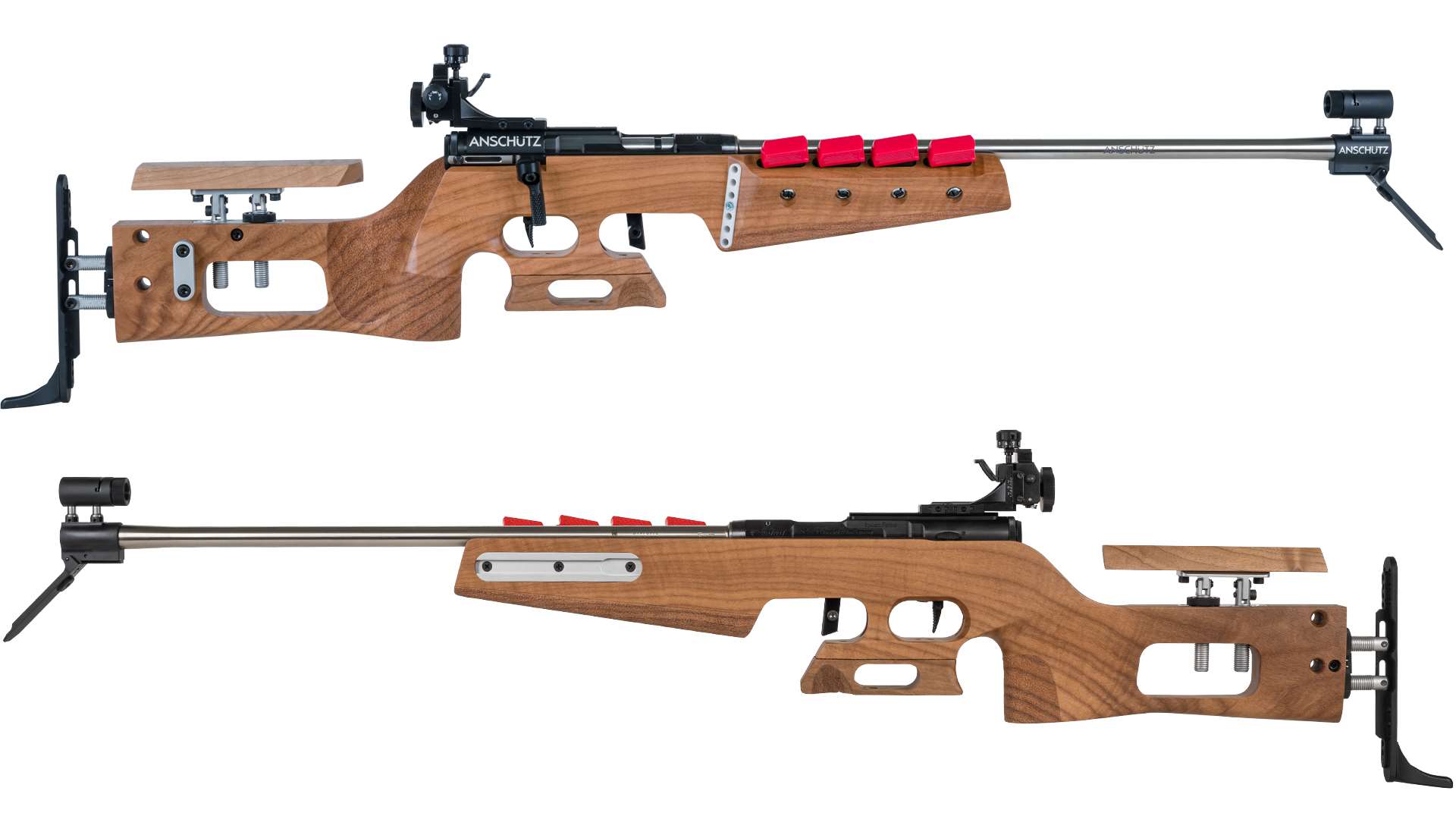
To fight the elements, rifles are equipped with muzzle and sight snow covers, flipped down while skiing and snapped open on the firing line. Fall in the snow without protection, and your race is over before the next lap even starts.
Targets, Rules and the Eye of the Camera
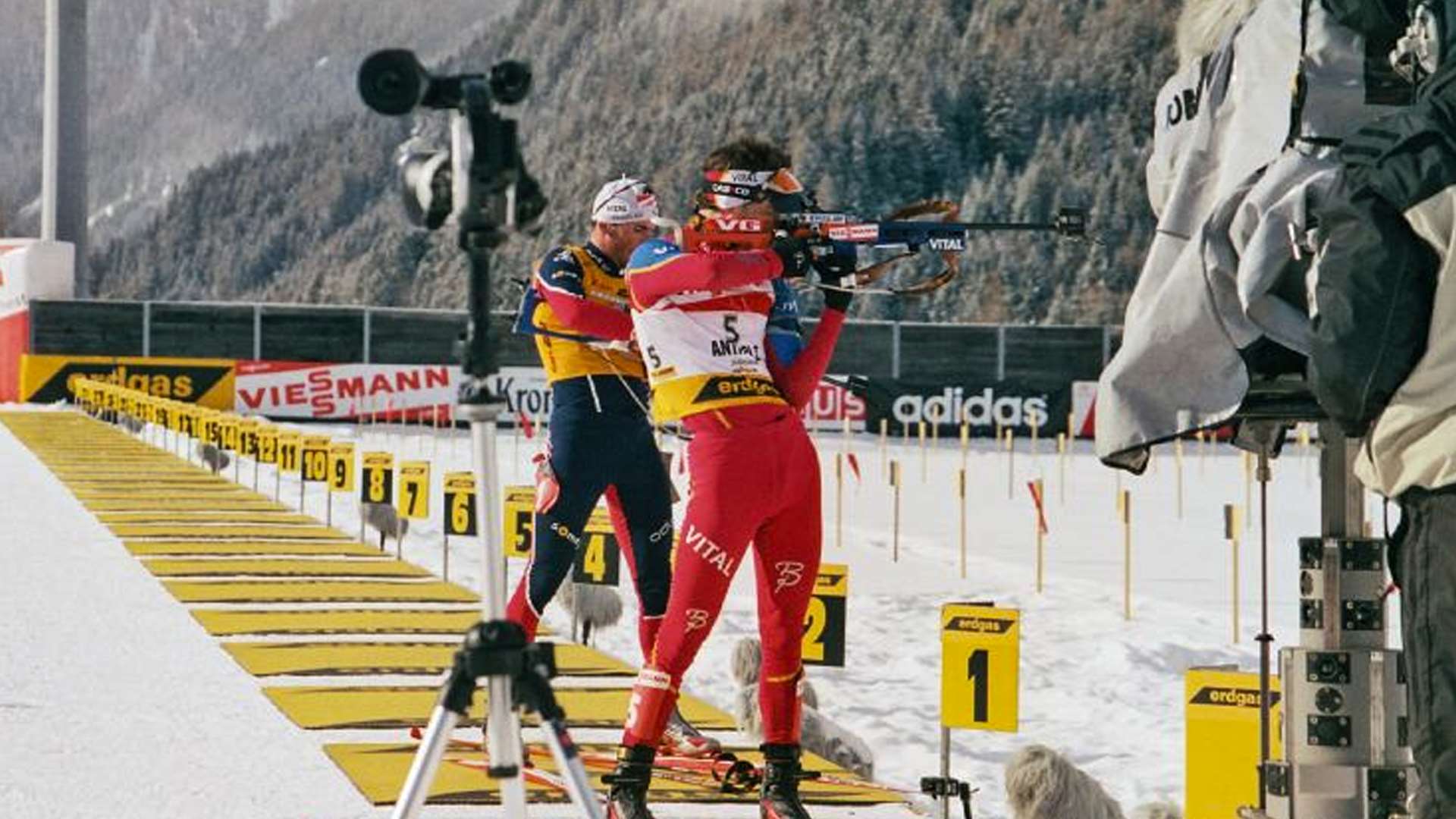
Biathlon targets are unforgiving. From 50 meters, prone shooters aim at a 115 mm black target, but a center plate only 45 mm in diameter must be struck to register a hit. The scoring hit zone for the standing targets are larger at 115 mm, but the instability of shooting upright with a racing heart levels the field fast.
Every major competition is under constant video surveillance. International Biathlon Union rules require full camera coverage of the shooting range, recording every action. Add in strict altitude limits—no higher than 1,800 meters unless specially approved—and biathlon becomes one of the most tightly regulated endurance sports in the world.
Biathlon Legends and Legacy
No history of biathlon is complete without Ole Einar Bjørndalen of Norway—the “King of the Biathlon.” With 14 Olympic medals, he was the most decorated Winter Olympian in history until being dethroned by fellow Norwegian cross-country skier Marit Bjørgen in 2018, the latter accumulating a total of 15 medals. However, Bjørndalen’s training methods, including running on a treadmill immediately before shooting practice, reshaped how athletes prepare for the sport. He didn’t just win; he changed the game.
In the United States, the sport took formal shape with the founding of the U.S. Biathlon Association in 1980, headquartered in New Gloucester, Maine. Since then, the program has worked to grow the sport domestically and prepare athletes for international competition, including the Olympic Winter Games.
Biathlon’s history is one of evolution—military patrol to global spectacle, iron sights to precision engineering, silence to roaring stadiums. But the core hasn’t changed. Ski until it hurts. Stop. Hit the targets. Then do it all again.
And now, with that legacy carved into the snow, the next chapter waits at Milan Cortina.
Team USA at Milan Cortina
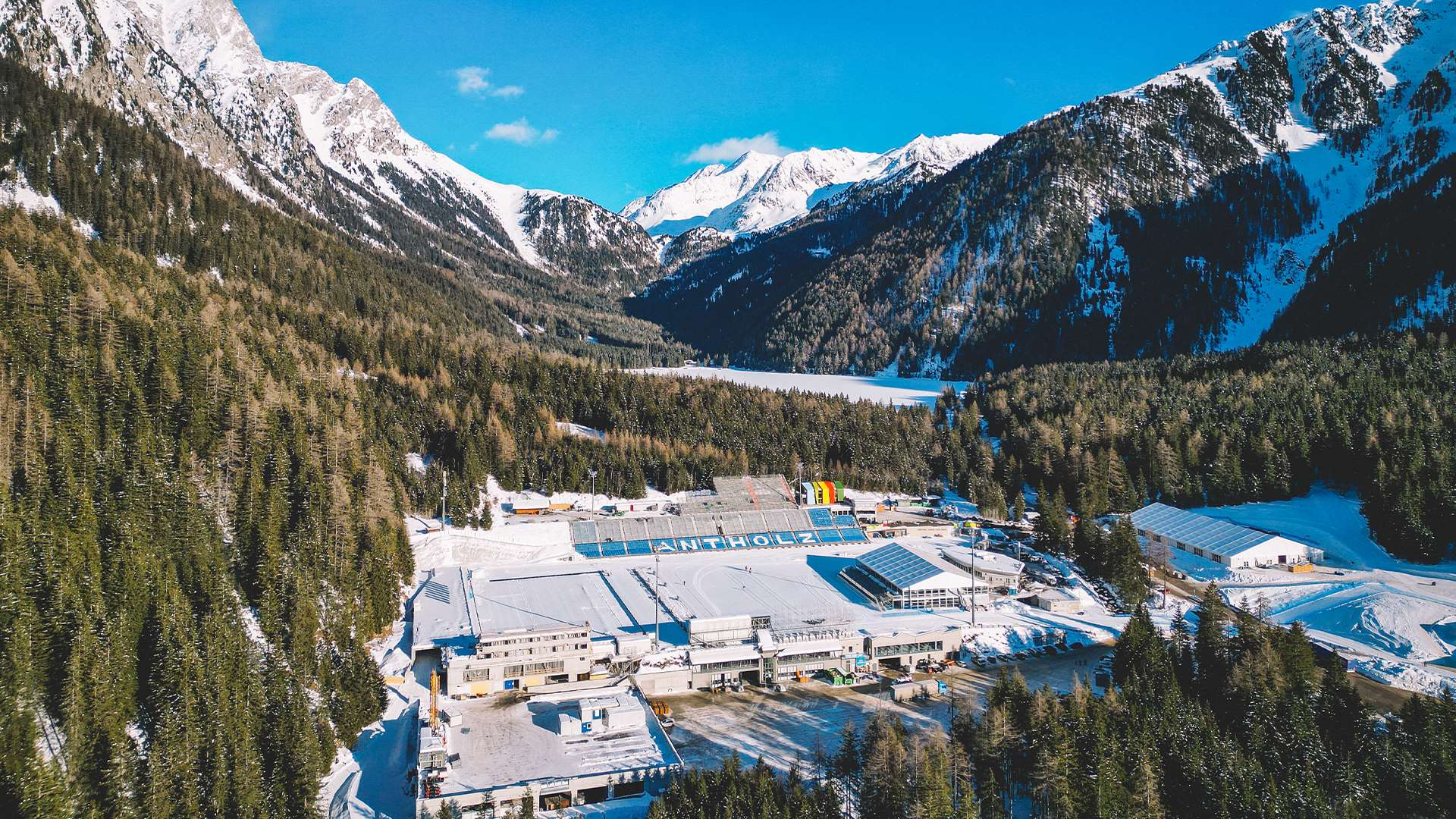
For the Milan Cortina 2026 Games, the biathlon takes place in Antholz-Anterselva, the high-altitude venue in South Tyrol, Italy, that biathlon fans know well. It’s hosted World Cups and world championships, and it sits high enough to make oxygen feel like a luxury item. Thin air means faster fatigue and races with sharper consequences. This is not a luxury sightseeing tour.
Team USA arrives with a program that’s been steadily grinding upward over the last decade. The U.S. isn’t a traditional biathlon superpower like Norway, France or Germany—but that’s exactly what gives the American squad its edge. They’re built on development, altitude training and a growing pipeline that blends European racing experience with American spirit.
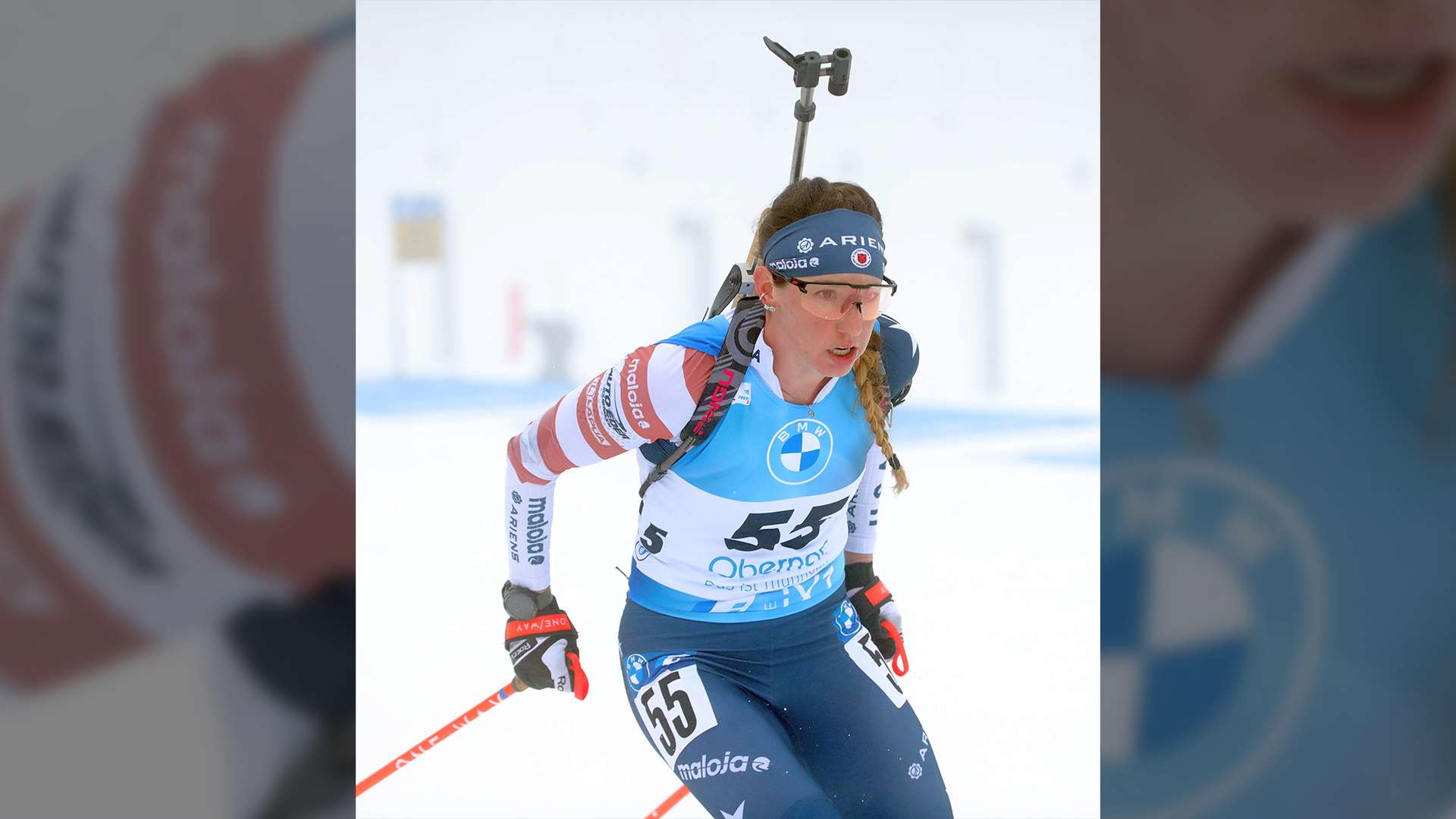
Recent Olympic cycles have seen Americans push deeper into finals, contend in relays and achieve top-10 finishes more consistently. The relay, in particular, has become a calling card. On the individual side, at Beijing 2022, Deedra Irwin claimed a seventh-place finish in the women’s 15 km individual event, the highest ranking for an American yet in biathlon at the Games. She missed a podium finish by only one shot. Clean shooting makes the Americans a force in biathlon.
How the Races Break Down
Fans this month are watching several core events. (Check out our guide on how to watch biathlon on TV and streaming services.)
- Sprint: Short and unforgiving. Two shooting bouts, with little time to recover.
- Pursuit: Earn your start position in the sprint, then chase or be chased. The pressure multiplies.
- Individual: The classic biathlon test. Longer distance, four shooting bouts and time penalties that punish every miss.
- Relay and Mixed Relay: Team tactics and fast exchanges mark the relay events, along with the loudest moments in the arena.
Every biathlon race is a new equation, and no lead is safe until the final target falls.
For Team USA, Milan Cortina 2026 is about proving consistency on the Olympic stage. Clean shooting percentages and competitive ski splits. Staying in the fight when the altitude bites and the crowd roars. Medals in biathlon are earned, not predicted—and the Americans are focused on the task at hand, not hype.