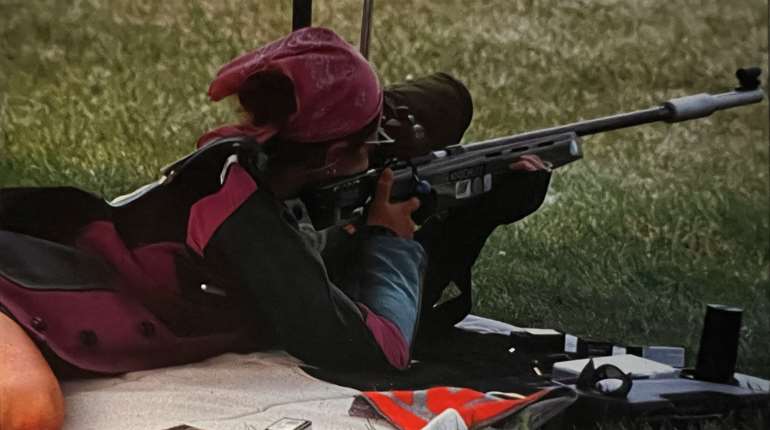
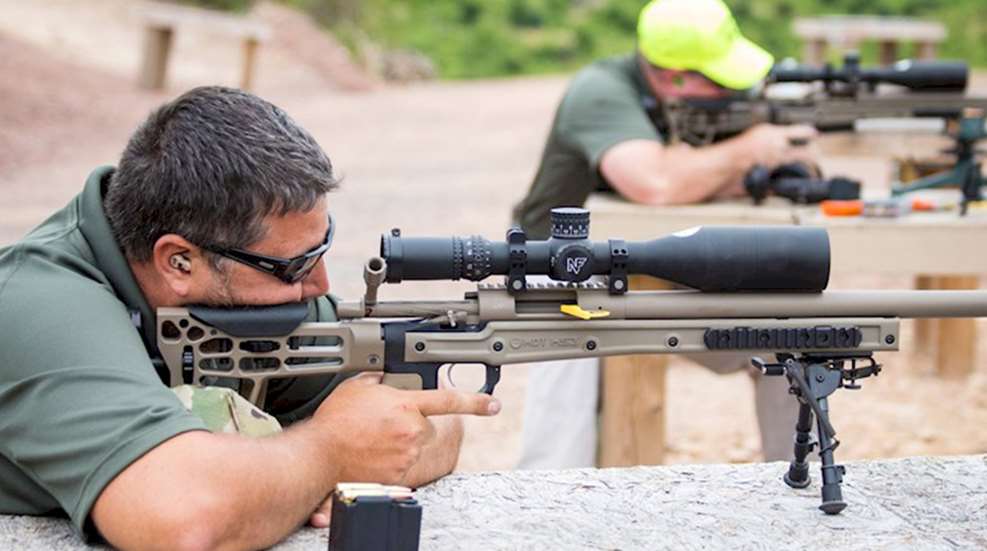
Owning a long range rifle without a place to shoot it is akin to owning Olympic ice skates in Fiji—nice, but what’s the point? Even the most restrictive, anti-civil rights cities in the U.S. probably have an indoor range somewhere for shooting handguns, and most clubs with outdoor ranges enjoy at least 100-yard shooting, but long range rifles require a whole lot more room, for safety reasons especially. Where to go? How can I learn?
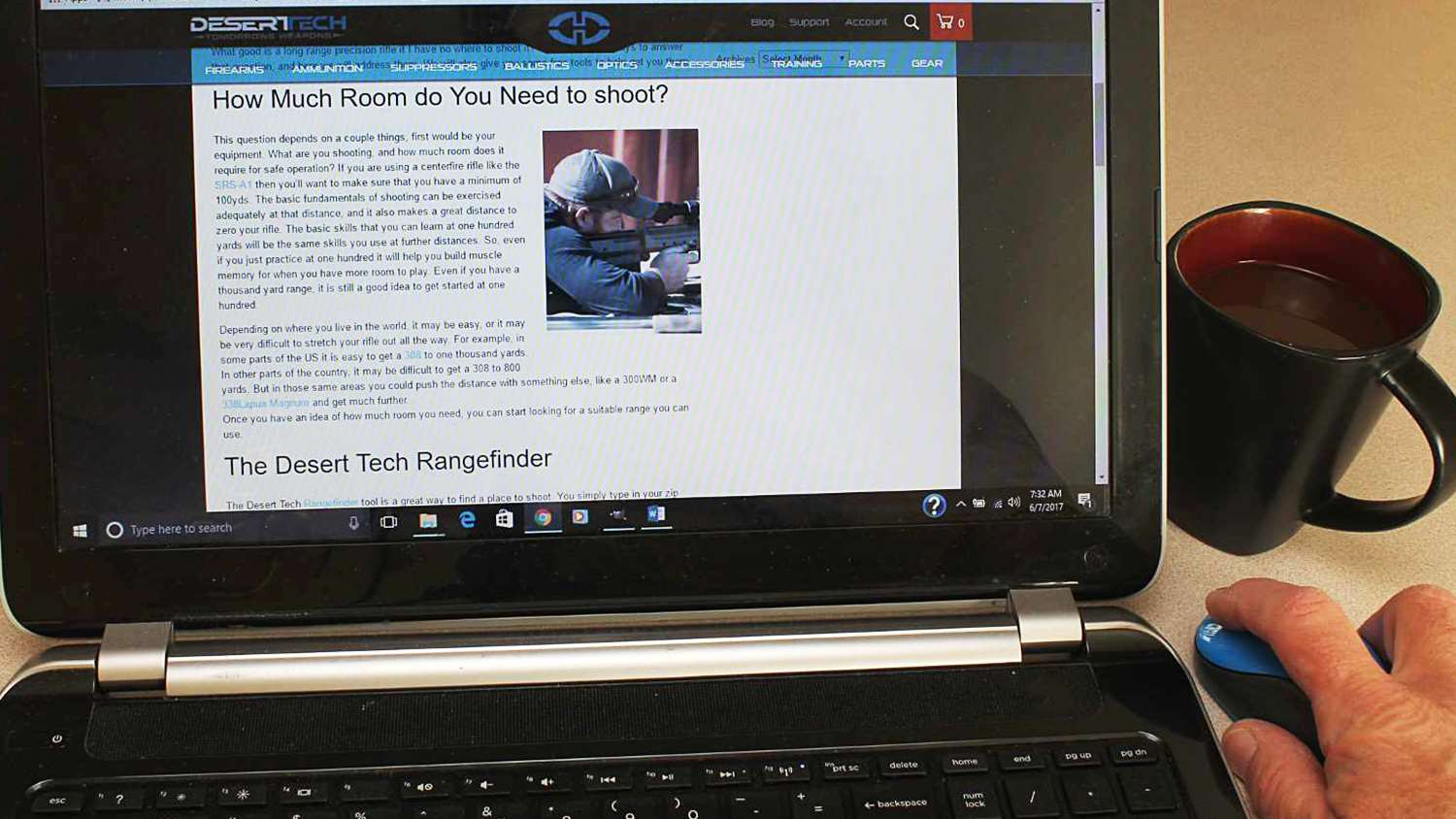
Desert Tech, which manufactures rifles and accessories in Salt Lake City, UT, now posts on its website locations across the U.S. where long range shooters can practice their passion. With the company’s “Rangefinder” tool, type in your zip code and up pops a Google map pinpointing ranges closest to you, with an accompanying list of contacts in a scrollable sidebar. Find the ones closest to you, as well as the exact mileage and directions to the range, then call the contact for information about hours and protocol. Pretty simple.
The list is in continuous evolution, so if you know a place to shoot that doesn’t appear on the Rangefinder, contact Desert Tech through their website for inclusion.
Free (long) range shooting
Many parts of the country are blessed with public lands where we can safely set up our own temporary long range shooting with little more than targets and a laser rangefinder, in addition to our usual shooting gear. Finding these spots locally is pretty much a word-of-mouth proposition, and at these places it’s critically important that we do, indeed, shoot safely and with courtesy. Yes, we have the right to shoot there, but we also have responsibilities beyond just the safety of others. The impression we leave non-shooters impacts our sport, and negative impressions, such as shooting close to popular hiking areas or leaving behind trash or shot-up trees, can cause us to lose shooting access to public lands.
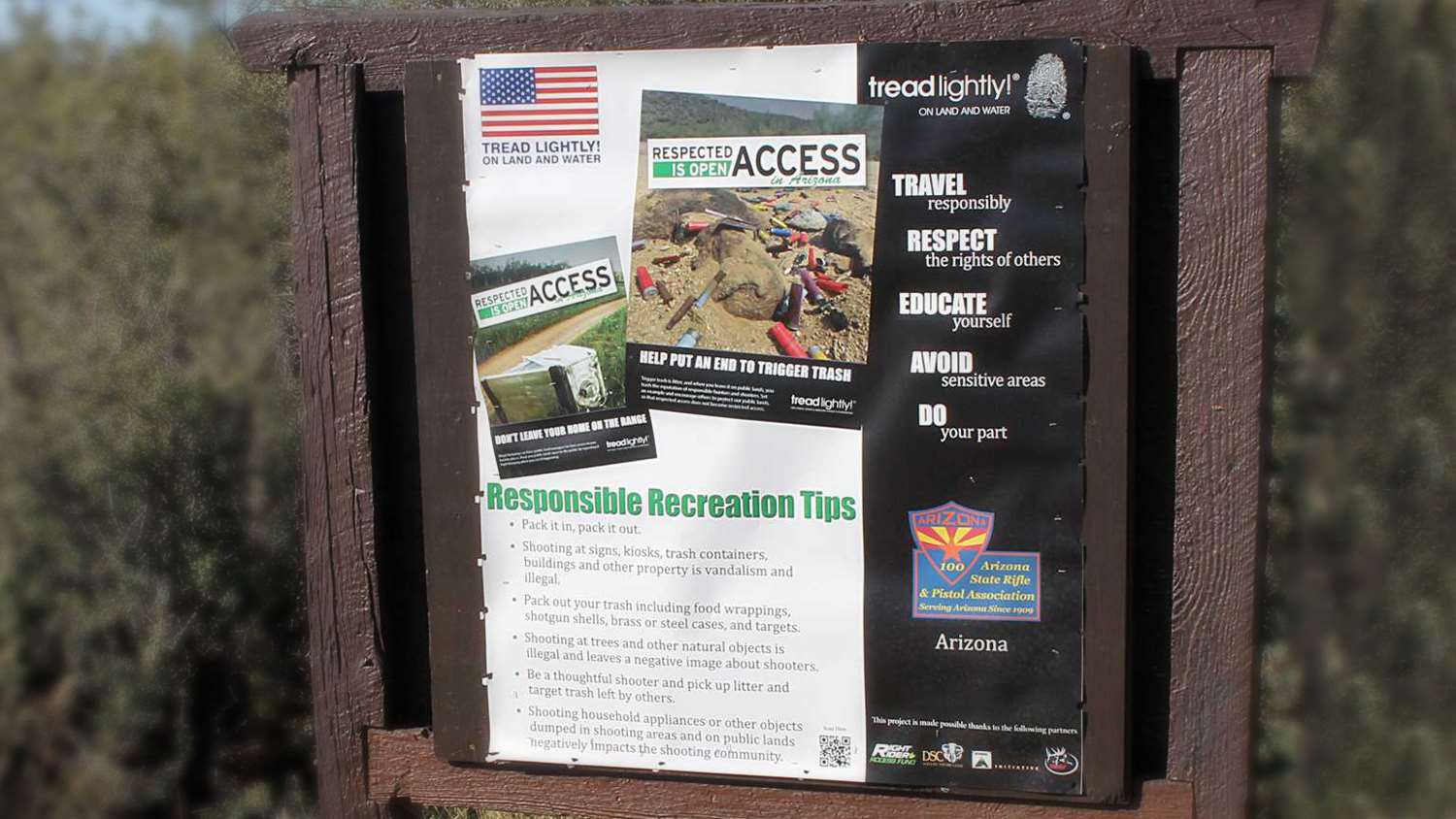
Did you know that it doesn’t take an act of Congress to close recreational shooting in a National Forest? Your local Forest Supervisor can do it with the stroke of a pen. During wildfire season in the Southwest, for example, National Forest Supervisors routinely do so, and they also permanently close specific areas to recreational shooting when it becomes thrashed and trashed by shooters who damage the landscape and leave their litter.
Your club can mitigate negative impressions and negative impacts left by inconsiderate shooters by initiating cleanup events on local public lands. For example, the Arizona State Rifle & Pistol Association coordinates an annual summer cleanup event with National Forest and local law enforcement. Arizona Rifle & Pistol provides the volunteer manpower, the National Forest Supervisors provide dumpsters and hauling, and law enforcement provides an official presence temporarily closing these areas to shooting during the one-day cleanup. Benefits in addition to improving the local environment and mitigating negative public impression include a regular face-to-face with public officials—creating a positive relationship with them.
One hundred years ago the U.S. population numbered 103 million; today it is 326 million and rising. As we spread out and fill up the available spaces, finding a place to shoot long range close to home isn’t as easy as it used to be. Utilizing handy online tools like the Desert Tech Rangefinder to find a place to practice will help keep the free spaces free and open to all sportsmen.