In a historic first, International Postal officials from the National Small-bore Rifle Association of Great Britain (NSRA), New Zealand Small-bore Rifle Association, (NZSRA) and the National Rifle Association of America (NRA) met online via Zoom to review the procedures and final results of the 2020 Wakefield and Drew Trophy matches, as well as the Goodwill Dewar.
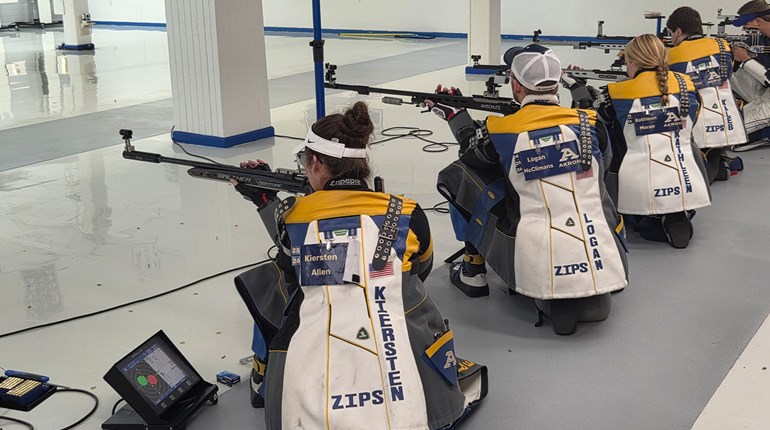
Representing the U.S. was NRA Smallbore Committee Chairwoman Patti Clark and fellow committee member Edie Fleeman, Wakefield Team Captain Hap Rocketto and Coach Shawn Carpenter, Drew Cup Chief Range Officer Jim Miller and competitors Howard Pitts, Chris Rakyta and Michael O’Connor.
As the three matches discussed are sponsored by the NSRA, the meeting was chaired by Mike Arnstein of the NSRA Rifle Committee. Each nation discussed its selection and firing protocols, which followed the Covid-19 modified match regulations. Discretion was given to deviate from the published regulations if it became necessary due to changes in social distancing requirements, government regulations or extraordinary circumstances. Any such actions were explained by the team’s officials.
The NSRA elected to use a tryout system for its matches which was quite successful. Travel distances are much shorter in Great Britain than in the U.S. In many cases, U.S. shooters’ one-way trip is greater than the distance from the extreme north of Great Britain at John O’Groats to its southern terminus at Land’s End.
New Zealand’s location in the southern hemisphere allowed them to shoot the matches at their national outdoor championships in February, just before Covid-19 could interfere.
The NRA Team Officials all followed the same procedure for the Dewar and Wakefield, offering all members of the last three years’ teams to participate and selecting the team from those who were able to participate. Team members were sent official marked targets and shot them during the match window under the supervision of a neutral witness. Targets then were returned to the captain, who made arrangements for scoring with the results sent to Clark for transmission to the NSRA.
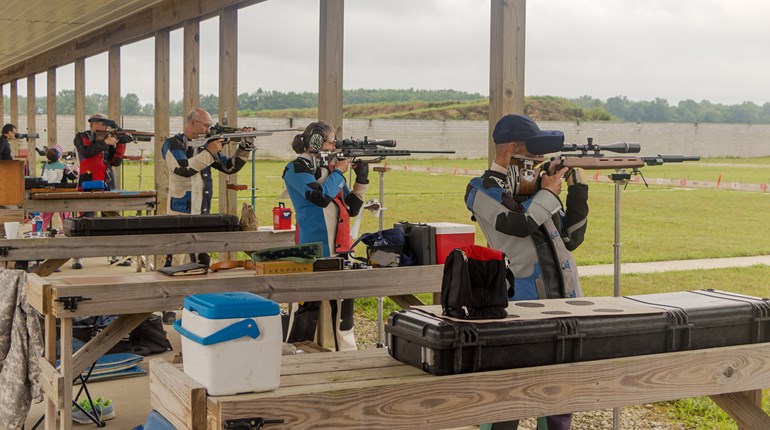
The Drew Cup followed a different path. Usually the U.S. Drew Team is selected at the NRA National Metric Outdoor Position Championship based on scores drawn from the prone metallic sight stage. This year, the NRA took a different approach and shot the Drew on Oct. 17 at the Illinois State Rifle Club range in Bonfield, Ill. The match was under the leadership of Joe Miller, director of Central Illinois Precision Shooting.
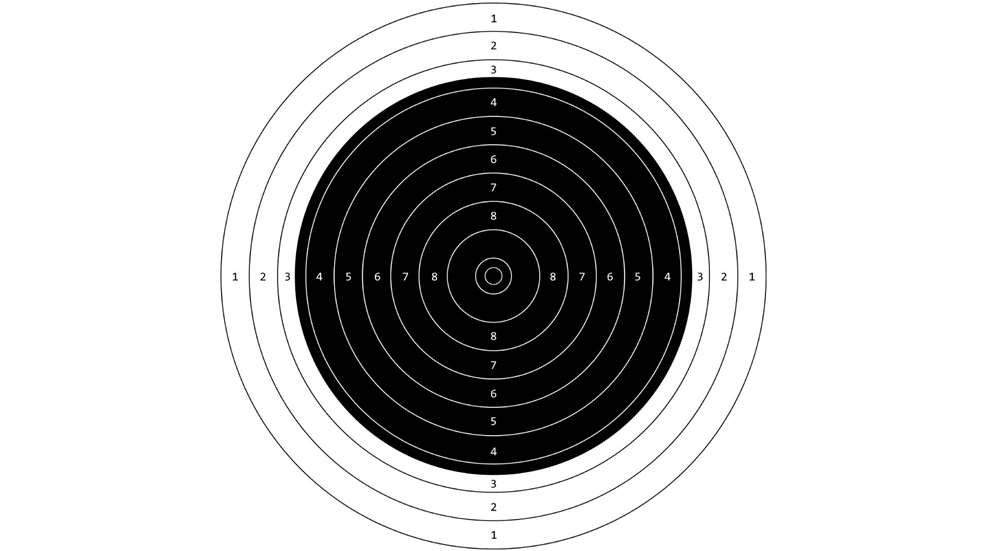
Flyers inviting competitors to participate were distributed by several national smallbore rifle clubs. The effort was successful as the match attracted not only local Illinois shooters, but also juniors who traveled from as far as Wisconsin, Indiana, Michigan, Ohio and New York to participate. A qualification English Match, 60 shots prone on the ISSF target by each individual, was fired in the morning to select 10 members and two alternates for the Drew Cup team. The same course-of-fire was shot for record in the afternoon.
In spite of the efforts of all concerned, the United States suffered badly at the hands of the other teams. In a two-horse race against the British in the Dewar Match, Great Britain posted a 7858 against the United States’ 7746. Of particular note was the NSRA’s Peter Parker’s score of 400x400. Great Britain took the Wakefield by breaking the match, established by the U.S. in the inaugural match in 1991, by two points with a 5974. Parker, with a full head of steam, again led the winners with yet another perfect score, a 600x600 on the difficult International Target. New Zealand shot a 5873 for second, while the U.S. managed a 5834.
The Drew Cup is a combination of three matches—a three-person junior male team, a three-person junior female team and a 10-person junior team. In male competition, Great Britain won with a 1767, followed by New Zealand with 1720 and the U.S. third with 1705. The ladies event went to New Zealand with 1777 to Great Britain’s 1739, and the U.S. scored 1694. The 10-person match was Great Britain’s on the back of a 5800. New Zealand followed with a 5741 and the U.S. closed out scoring with a 5640.
The Randle Team regulations require it to be fired at a country’s national championship and only New Zealand was able to meet this standard. Clark made it clear that the NRA Smallbore Committee would ensure that the New Zealand Randle Ladies, who have returned to Randle Competition after a long hiatus, would receive appropriate recognition for their participation and excellent score.
The meeting closed after about an hour and was deemed a success by all. Plans are already in the works for a repeat after the 2021 competition year ends. Subscribe to the SSUSA Insider email newsletter for the latest updates.
Read more: A Short History Of Randle Trophy Team Awards