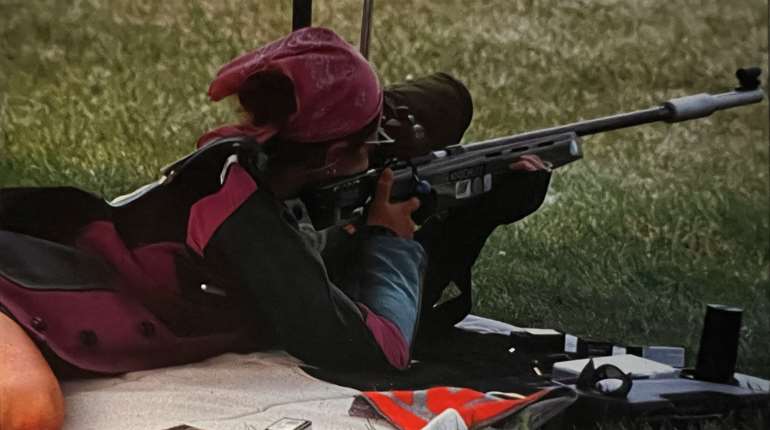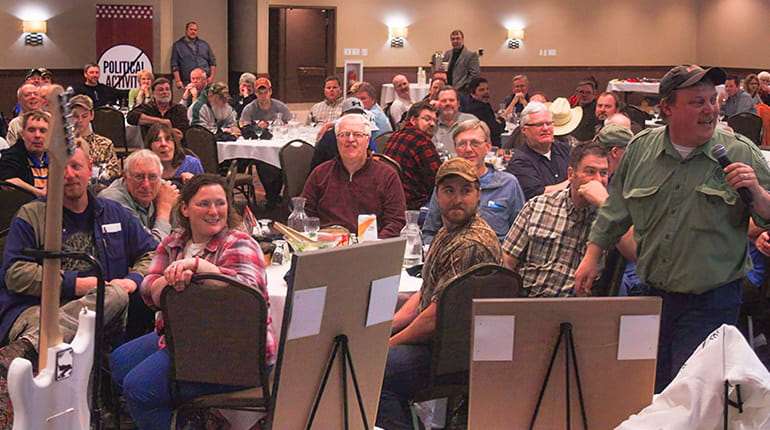

“Imagine a firing line more than two miles long, accommodating nearly a thousand shooters at the same time, and running eight hours daily for the greater part of three weeks. That is Camp Perry.”
—The American Rifleman, October 1930
Despite the onset of an economic depression, the surge in National Match attendance continued in 1930 as almost 20,000 entries were made by more than 2,000 shooters in nearly 100 contests. Some individual matches drew more than 1,500 entries, and many novelty and side events were part of a program that also featured record participation levels in the police, junior and small arms firing schools.
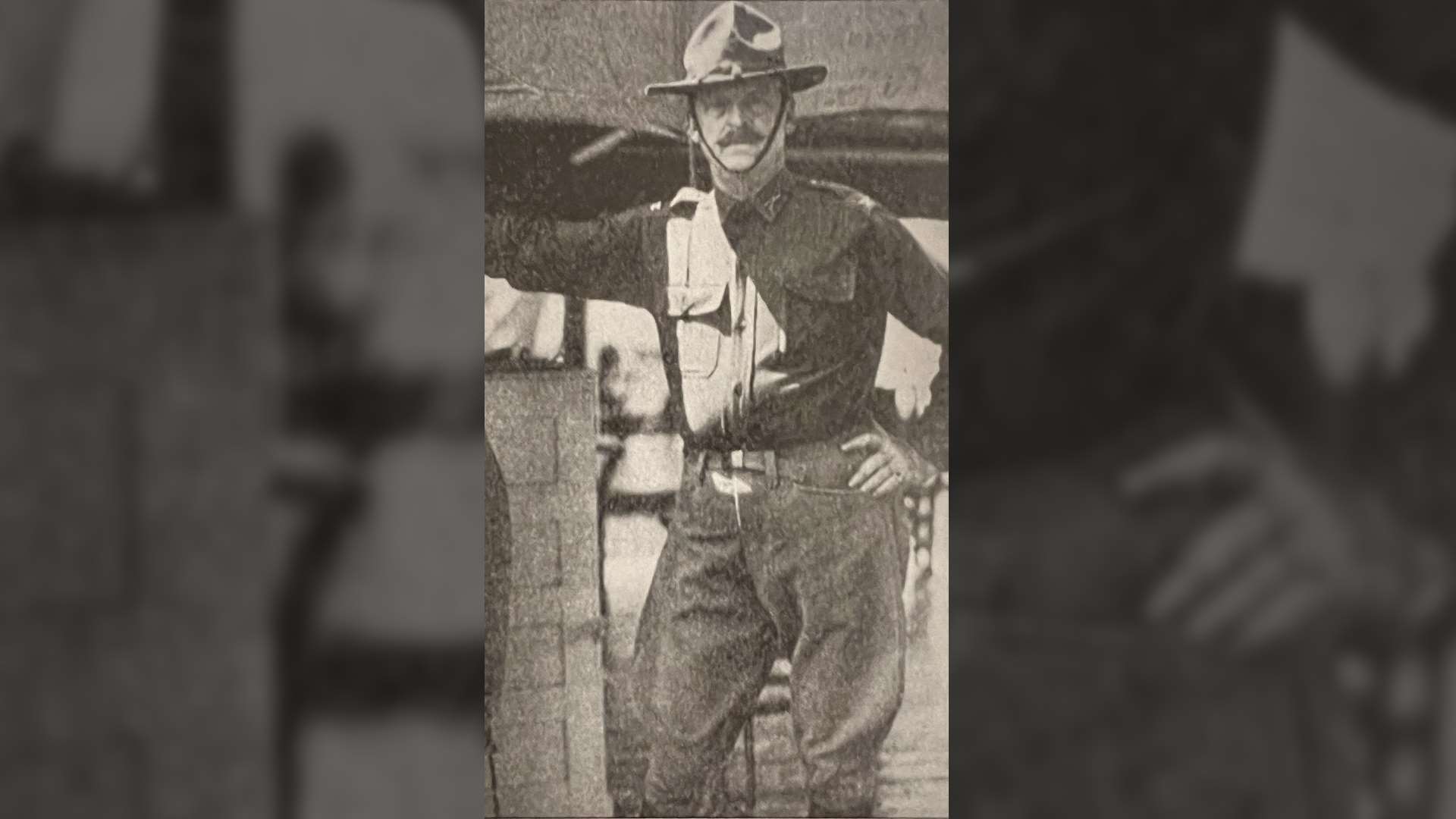
Earlier in the year, it was reported that the passage of the Army Appropriation Bill with its inclusion of National Match funds was delayed pending the return of a senator from Europe. Eventually, however, Congress approved funds for the 1930 National Matches, including a portion that allowed for more civilian rifle clubs.
The administration of the 24th National Match program was conducted under the supervision of Executive Officer Col. Osmun Latrobe and included no major rule changes, but change was indeed evident. On the firing line, there were more telescopic sights than ever before, and one of the first reported cases of individual wind gauges took place this year when The American Rifleman’s National Match coverage included reference to competitor R.C. Steiff’s sleeve-type “wind detector” in a free rifle re-entry match.
“The marked increase each year in attendance of families of shooters is indicative of what the women folk and youngsters think about Camp Perry as a vacation spot.”
—The American Rifleman, August 1930
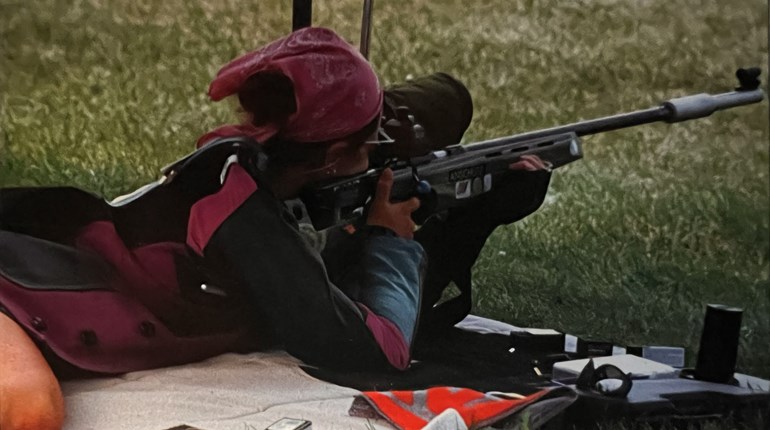
The Marines won both Board pistol events and reclaimed bragging rights in the National Team Rifle Match from the Infantry, which fielded winners in the popular NRA Leech, Presidents and Marine Corps Cup contests. A Marine placed second in the Presidents, but it was the third-place finisher who attracted the most attention. Eighteen-year-old Henry Adams of Ohio became the youngest competitor to earn the distinction of high civilian in the prestigious event. His straight-shooting performances also earned him the distinction as the youngest civilian to win the Individual Long-Range Championship, and he represented one-half of the winning duo (Homer Jacobs was the other) that claimed the Hercules Trophy in the long-range team match, two smallbore contests in a growing program that testified to the popularity of the .22 game. The individual long-range contest was just one of four smallbore matches that comprised the aggregate for national championship honors, and the title in 1930 went to Vere Hamer after he won a tiebreaker over defending champion Eric Johnson.
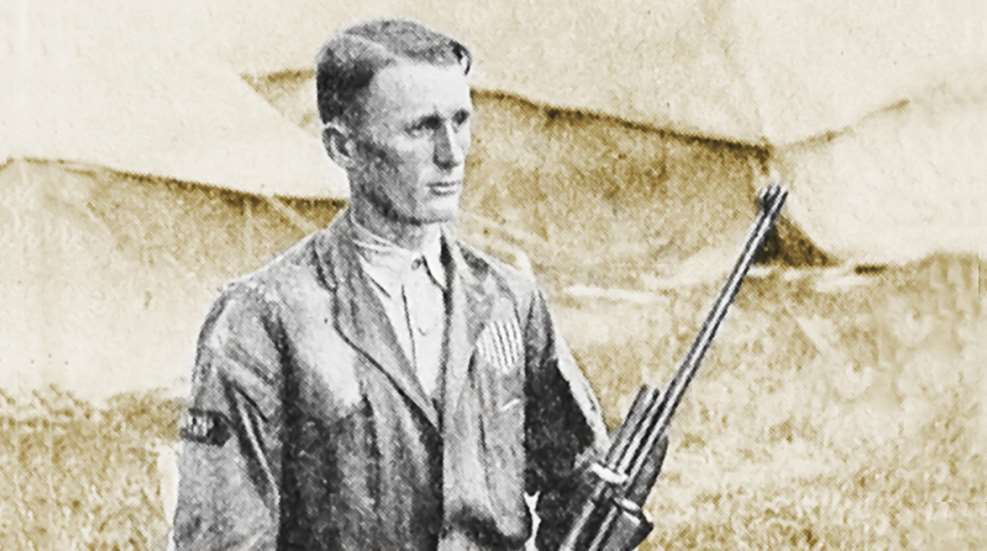
The Nebraska civilian team pulled an upset in the Infantry Match and overall, civilian performances were solid throughout the program, as were those of the various National Guard units. In the National Individual Rifle event, Sgt. S. Bartletti of the New Jersey National Guard edged out a Marine for first place. And during the NRA portion of the program, a National Guardsman and a civilian fired the only two perfect scores and took the top two spots in the Wimbledon Cup over a trio of Marines. What’s more, the winner of this prestigious contest, Sgt. Larry C. Gentner of the Oregon National Guard, also claimed the Farr Trophy as the high service rifle shooter in the match.
“This activity has now reached the proportions where the real problem confronting the NRA is to properly care for the shooters who assemble at Camp Perry each year.”
—The American Rifleman, December 1930
Since its introduction on the National Match grounds two years earlier, skeet proved popular enough to warrant five pages in the printed match program in 1930. Four matches—three individual and one team—were conducted under rules approved by the National Skeet Shooting Association (NSSA) and fired on a range located near the Ordnance Depot on the west end of Camp Perry where the traps were described as, “the very latest in design, superior in every respect to the barricades formerly used on the skeet field at Camp Perry.” And in keeping with National Match principles of marksmanship promotion and training, an NSSA representative was on site to offer instruction. In addition, shotguns were available for loan by various manufacturers.
Most Popular