
Other than safe, fair and fun practical shooting competitions, what is the USPSA culture? There are so many things that play into a positive USPSA culture, but the biggest factor is having a good culture at your home club that retains members and builds the club. Successful clubs have a positive club culture, but it doesn’t always come easy, and it is often cyclical, depending on the club leadership.
I have shot at quite a few different clubs over the years, and I have noticed that club cultures vary significantly. There are clubs that strive to follow the rules, and there are clubs where the rules are applied very loosely. Some clubs are run by a single person, while others have officers and a board and are run by a group.
In some clubs, becoming a certified Range Officer (RO) is important, and they host RO classes every few years, while other clubs don’t see the value of becoming an RO and don’t want to host a class. I am not going to try to specify which club culture attributes are best, because clubs really need to figure out what works with their range and members, and finding the right balance is important. However, building a solid USPSA culture that keeps competitors coming back to matches is key to success.
COMPETITOR CULTURE
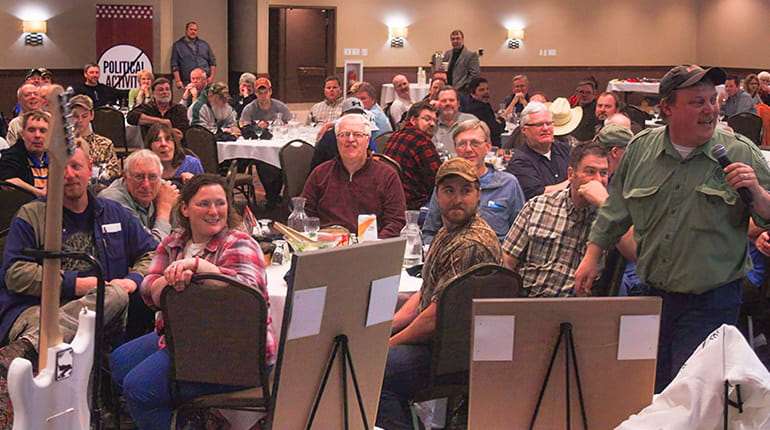
You can’t deny that you meet some of the coolest people at matches. We all come from different backgrounds and professions, and can spend the whole match just conversing about USPSA, how to shoot the stages and what the latest equipment is. When another competitor is having gun or ammo issues or has forgotten eye or hearing protection, fellow competitors offer to loan equipment or parts to those in need or may offer advice on how to solve the problem. USPSA really has a great community of competitors.
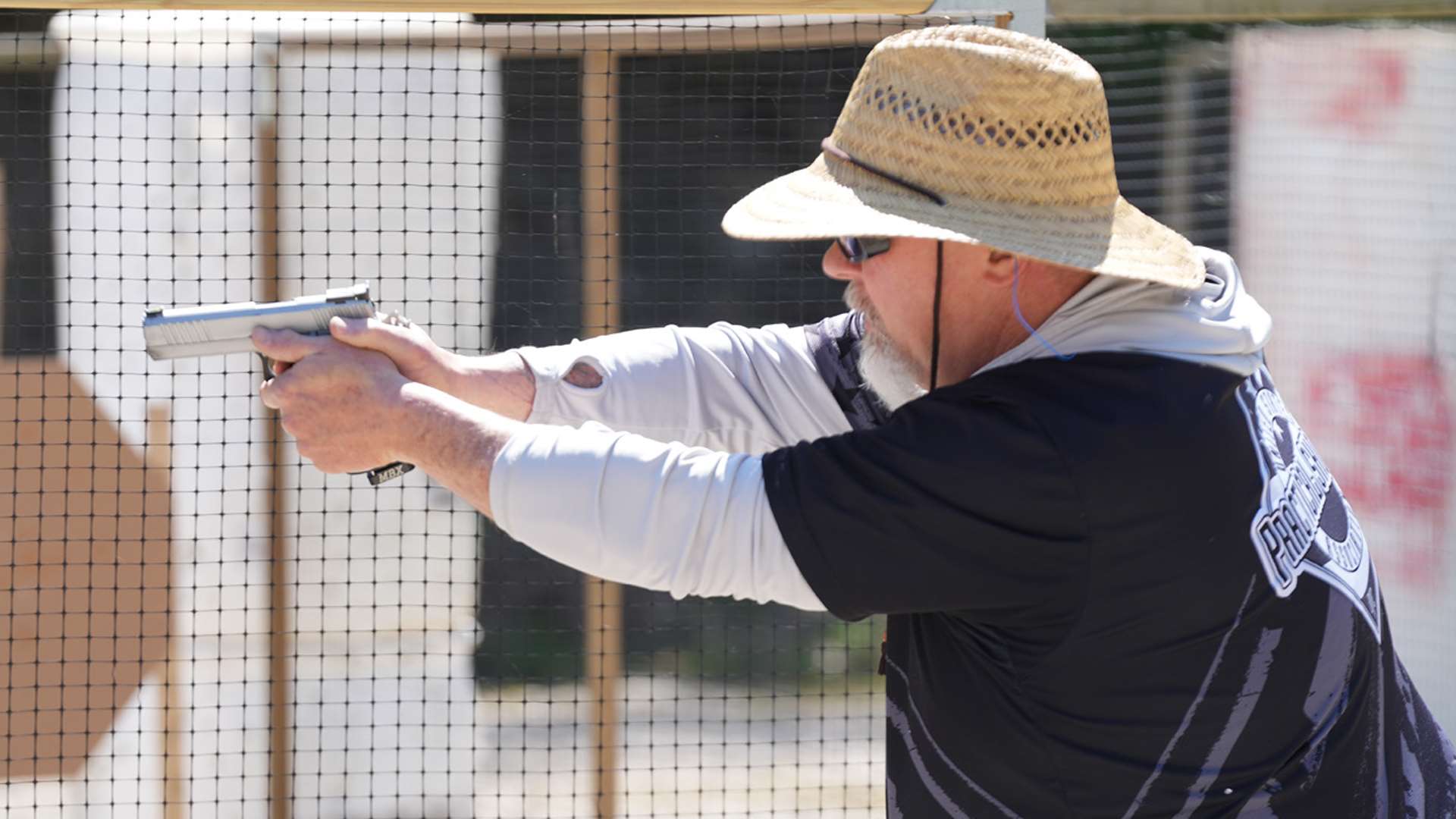
Local matches also rely on everyone pitching in to serve as ROs and help reset the stages. When I was a new competitor, I learned that there are some unwritten rules of competitor etiquette in our sport. The first is that unless you are the on-deck, current or just-shot-the-stage competitor, you need to be out there resetting. Yes, sometimes it takes longer to reload your magazines, or you get sidetracked talking with a squad mate, but the quicker the stage is reset, the quicker the next person can shoot the stage. More hands make it go faster. If we have a 12-person squad with one RO on the timer, one RO on the scorepad and three competitors who are the on-deck, current and just-shot competitors, that leaves six people to reset the stage.
Another unwritten etiquette rule is that the on-deck competitor gets the stage while it is being reset after the previous competitor for a final walkthrough. It is a pet peeve of mine when the in-the-hole competitor, or even people who are three to four competitors down in the order, are crowding the on-deck competitor in the shooting area. Those people are supposed to be resetting. If the on-deck competitor walks the stage and leaves the shooting area, then go ahead and walk the stage some more, but give the person who is about to shoot the stage one last opportunity to solidify their stage plan.
RULES CULTURE
In the eyes of the National Range Officers Institute (NROI), rules are important and we hope that all clubs follow the rules. Do we expect clubs to be perfect? No, because even at major matches, mistakes get made. Do we want clubs to do their best? Yes, and we hope that they are learning from mistakes that do happen. The saying “It’s only a local match” is like nails on a chalkboard for us, because the NROI and Range Master Instructors (RMs) spend a lot of time and energy teaching the rules. And often, that saying is uttered as an excuse to justify not applying the rules at a local match.
Which rules do I often see not enforced at local matches? Equipment requirements and safety rules for new competitors. Now, before you get upset, hear me out. The equipment issues I usually see are regarding holsters. Quite a few folks show up with holsters that are low enough that the heel of the butt of the handgun is below the top of the belt. That setup is illegal. Am I saying to turn the new shooter away immediately? No. I am just saying that the Match Director (MD), the Range Master (RM) or someone knowledgeable about the rules should talk with the new competitor. Help them adjust the equipment holster, or let them know the rules so they are prepared for the next match.
Another thing we hear about is folks not engaging retention hoods on holsters. If the holster has a retention strap or hood, it needs to be used. Again, use this as an opportunity to educate. If folks decide they want to get serious about USPSA, they quickly invest in new equipment, but most of the time, the equipment they already own can be adjusted to be legal.
Another common thing I hear is, “We can’t disqualify new competitors for breaking the safety rules because we don’t want to drive them away.” Having been a new competitor many years ago and being quite sure that I scared the ROs, I get that new competitors don’t know all the rules and how overwhelming shooting your first match can be. But the safety rules are a large part of our sport, and they are the reason that USPSA matches have a very good safety record. We are running around with loaded guns, and we want to make sure that everyone is safe. The nice thing about our rules is that at local (Level I) matches, a competitor can ask to be coached. When I RO a new shooter at a match, I always offer to coach them through the stage. What do I usually coach on? The safety rules. I give them copious safety warnings to help ensure they don’t break any safety rules. But if they ignore my warnings and break a safety rule, they are disqualified. Yes, some people will never return to shoot another match, but most people will understand why they were disqualified, practice and come back. The folks who strive to improve are usually the folks you want as part of your club.
How do clubs cultivate a good rules culture? If the club leadership values the rules, then the members tend to feel the same. If the club has a good number of USPSA-certified ROs who are not afraid to properly apply the rules in an educational, non-confrontational way, then the rules culture is good.
Keep in mind that misapplying or failing to apply rules at local matches often causes problems for club members who participate in higher-level matches. It is not fun to pay a larger match fee and travel a distance to a major match just to be disqualified on the first day for a rule that is not enforced at your home club.
LEADERSHIP CULTURE
Club leadership plays a huge part in determining what the club culture will be. Clubs that are run by a single person who is grumpy and rude tend not to be popular. Clubs run by one or several individuals with positive, welcoming attitudes tend to be highly successful. But, as with all volunteer activities, make sure to watch for burnout among the club leadership. It eventually happens to everyone, and if the club is run by a lone individual who just quits one day, there is a void that is either filled by other members who step up to run the club, or it is not filled and the club dies. That is why having a group of people who share the workload and run the club together is the best practice. Always remember that life happens and, sometimes, a key member of your group may not be able to make a match (such as the Stats person who handles syncing the tablets). Make sure you have a few people trained to handle all the activities needed to run a match.
Also, remember to recruit new members who become regulars at your club into the leadership/work circle. Start small by first getting new competitors involved with helping run the squads. Scorekeeping is a good way to get them involved, especially if there are not many certified ROs in your club. Then start recruiting them for match setup, and possibly for bigger roles within the club. Many new people don’t realize that USPSA relies on volunteers, or don’t know that help is needed. Most of the time, it only takes being asked for them to get involved. Remember, many hands make light work. And if your club hosts an RO class, encourage the new members to take it.
I have only discussed some of the major factors that contribute to a positive USPSA culture. There are many other small things that play a role, but the attitudes of competitors, ROs and club leadership are the primary driving forces.
How are you contributing to the USPSA culture at your club? I hope this article got you thinking, and I look forward to seeing you on the range.
Article from the March/April 2026 issue of USPSA’s magazine.