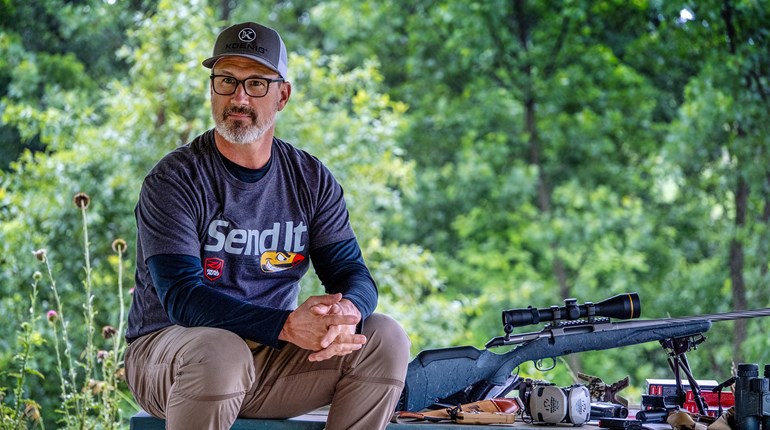
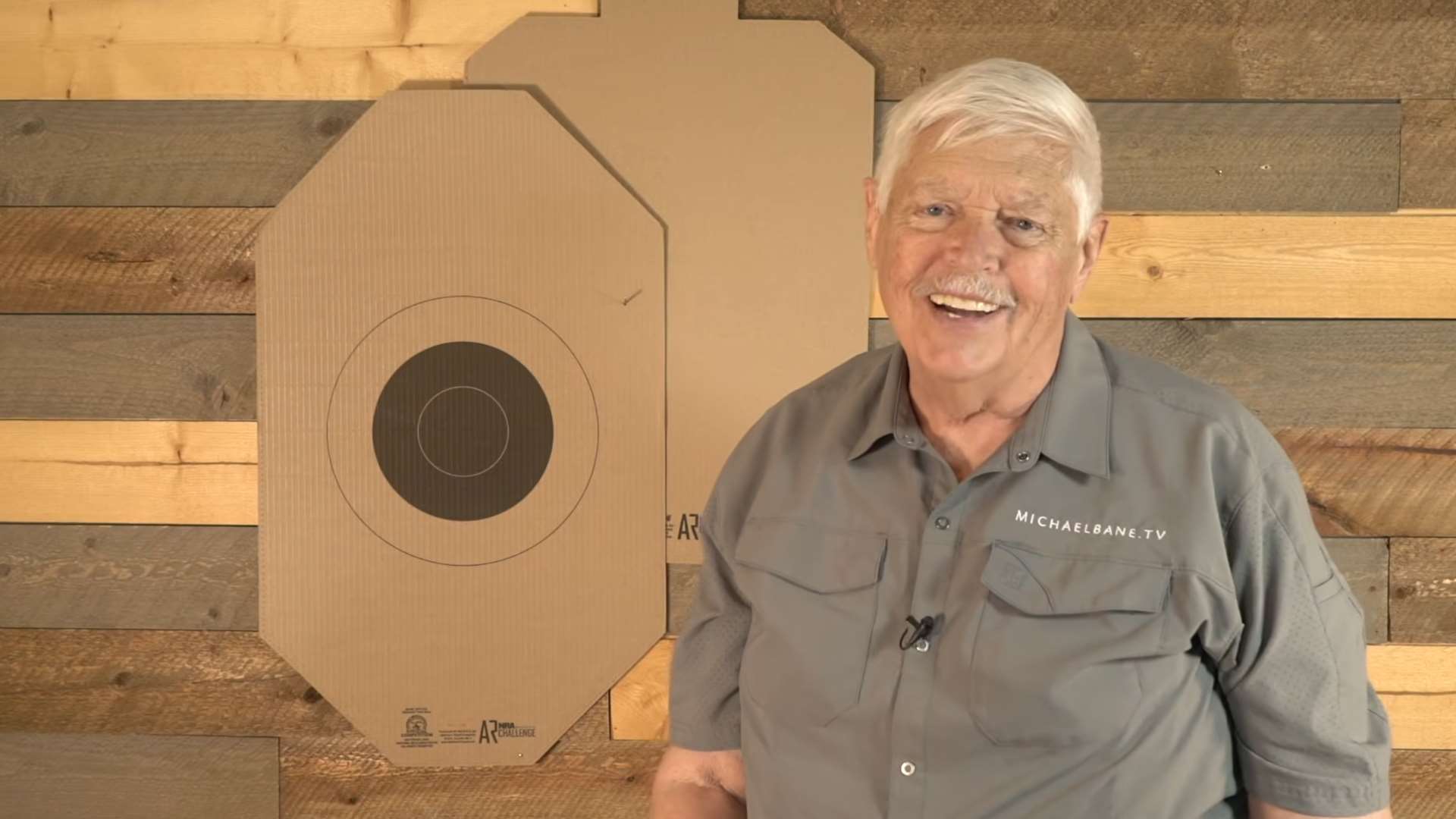
There’s a moment in the latest episode of Michael Bane’s “Triggered” where the veteran broadcaster, standing on a sunbaked range in western Colorado, offers a one-sentence verdict on NRA America’s Rifle Challenge, it’s not just a competition, it’s a crash course in really learning how to run an AR-15. Coming from a guy who has called the play-by-play on shooting sports for the better part of three decades, that is not a throwaway line. It’s the thesis of an episode titled “ARC Takes Off!”—and the roughly eight minutes that follow make a convincing case. Watch the full episode above.
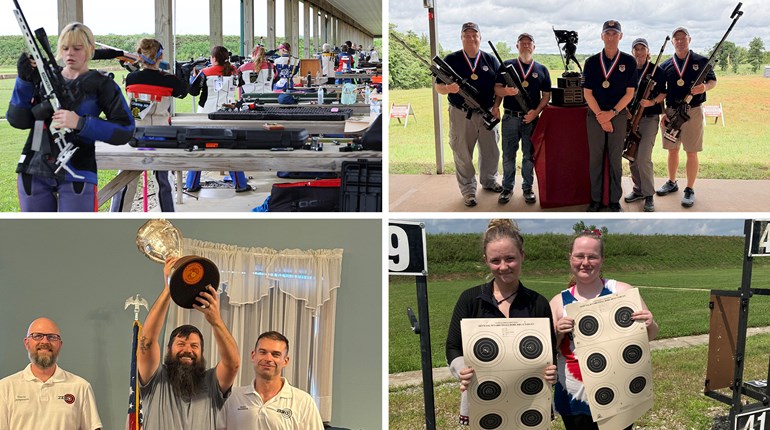
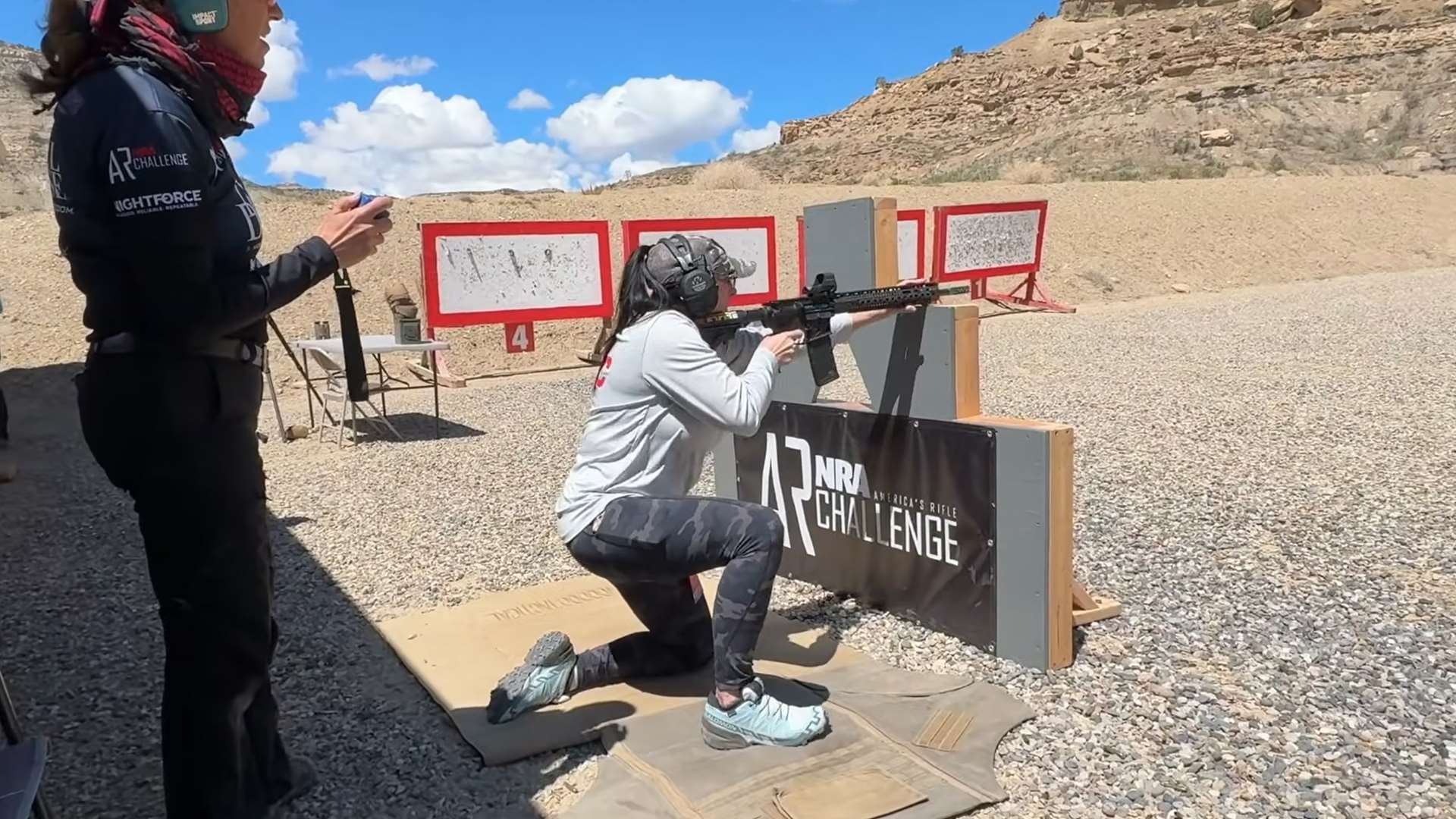
The episode opens at the A Girl & A Gun National Conference at Cameo Shooting Complex in Grand Junction, Colorado, a sprawling event that ran 65 training sessions simultaneously for 700 women participants. Bane is there with multigun pros Dianna and Ryan Muller, who are running NRA ARC barricade and movement stages for a crowd that, by and large, has never seen the program before.
Dianna Muller breaks down reverse kneeling at the barricade with the kind of clear, no-nonsense coaching that makes a complicated position feel approachable—elbow to knee, pointed contact, use the barricade to support the front of the rifle. By the end of the session, she is all smiles. The women are more confident, more capable, dialed in and ready to go shoot their first ARC match, she tells the camera. The barricade and the moving stage they practiced are both part of ARC Level 1 competition, which is rolling out at clubs across the country.
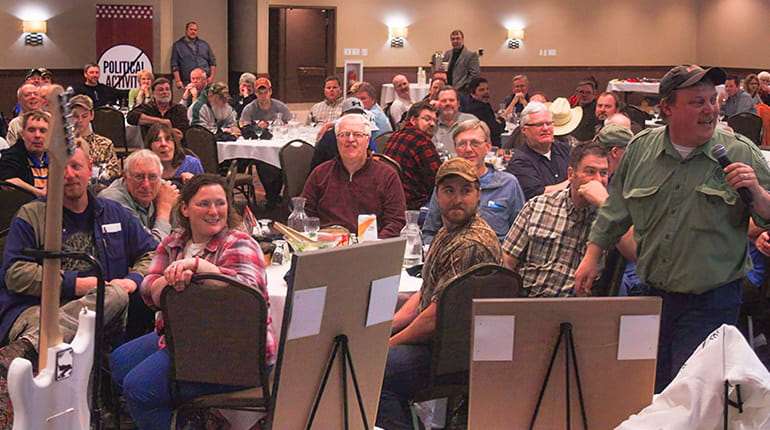
From there, the episode cuts east to Camp Atterbury, Indiana, where 37 match directors representing 25 states have gathered for the inaugural NRA ARC Match Director Summit—three days of classroom instruction and live-fire range training designed to ensure that as the sport scales, the experience stays consistent. Bane, a former match director himself across multiple disciplines, calls it an idea he wishes someone had given him when he started. The point is not just teaching people to run a match. It’s standardizing everything from stage design to scoring to the specific commands range officers use, so that a competitor who shoots ARC in Pennsylvania and then travels to a match in Nevada encounters the same sport both times.
The summit footage also offers an inside look at what ARC Level 2 will bring. Where Level 1 builds foundational skills—prone, barricade, movement, close-range and 100-yard shooting on a shared firing line—Level 2 opens up the playbook. Moving barricades, vehicles, dynamic courses of fire, extended distances out to 150 yards and the option to add pistol for Two-Gun stages. The match director’s imagination becomes the limiting factor. It’s a significant step up in complexity, and the summit gave attendees from across the country their first hands-on look at how to build and run those stages safely.
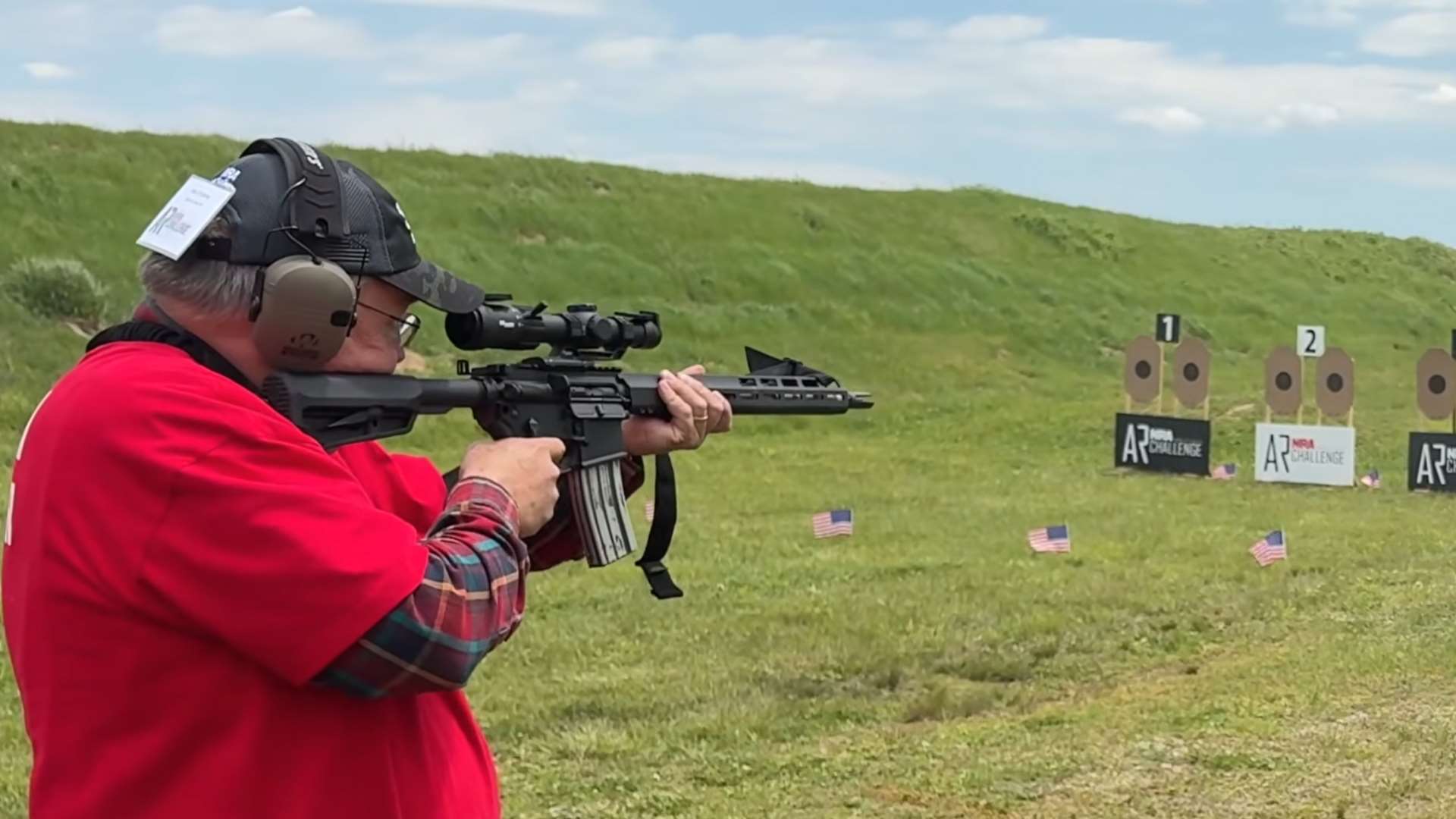
Bane makes one more point worth repeating: NRA America’s Rifle Challenge is designed to meet ranges where they are. Not every club has 100-yard bays, and plenty of shooters train indoors or at 25-yard facilities. The program accounts for that with scaled paper and cardboard targets for both Level 1 and Level 2, so a shorter range does not mean a lesser experience—just a different one. Between that flexibility, the minimal gear requirements and a Level 1 format built to feel more like a training day than a pressure cooker, ARC is removing the barriers that have kept many AR-15 owners from ever shooting a match.
Watch the “Triggered” episode here. For more information on NRA America’s Rifle Challenge, visit arc.nra.org.