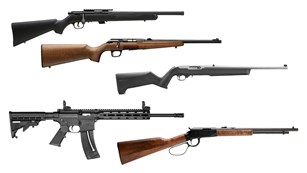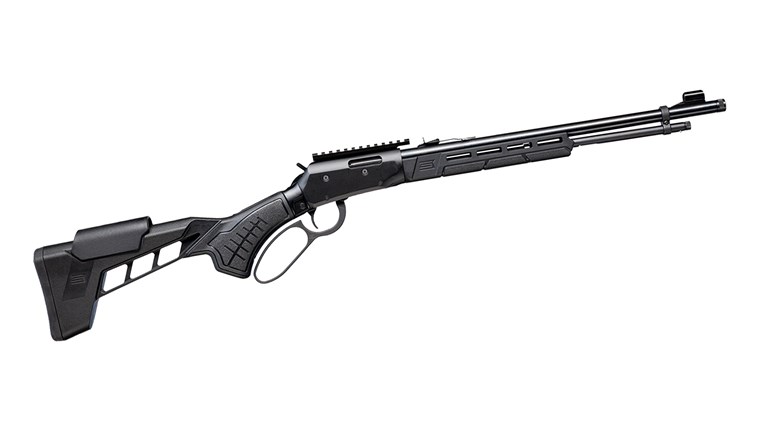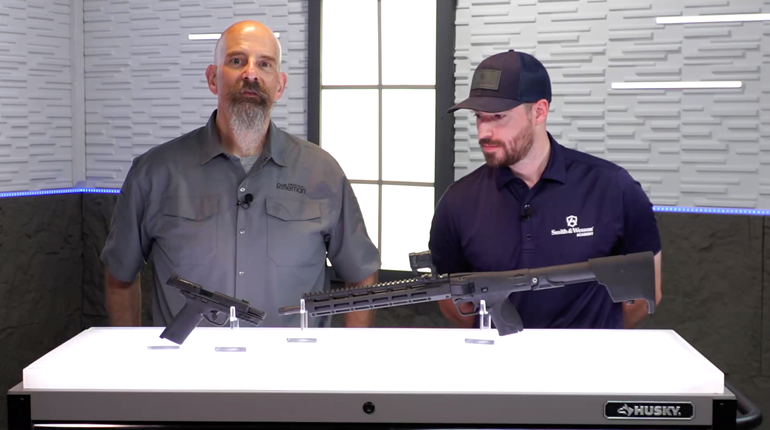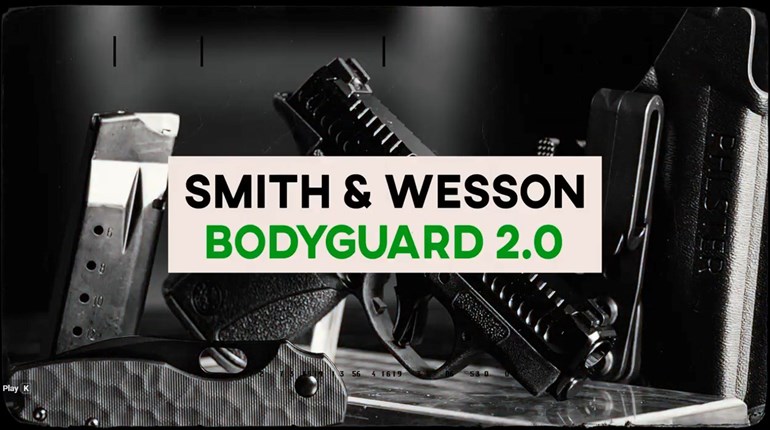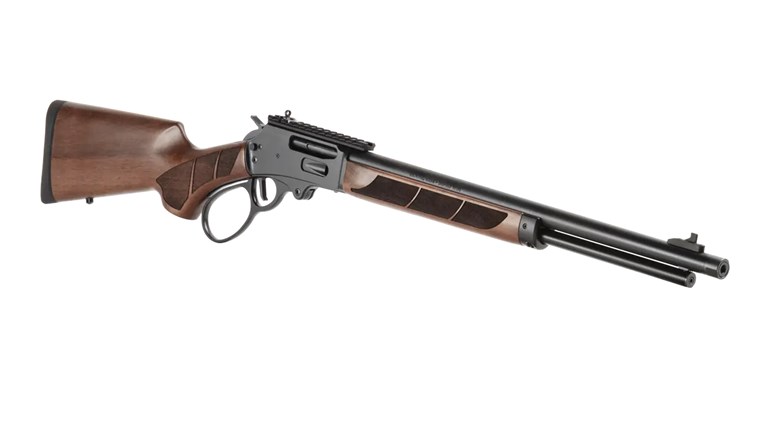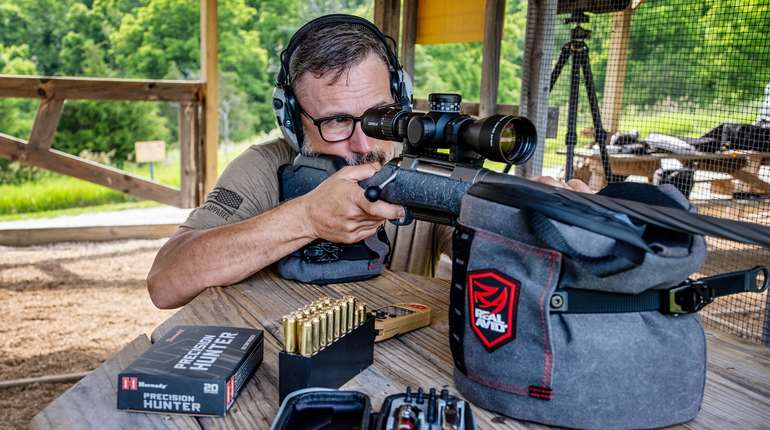

MARYVILLE, Tenn. (Oct. 21, 2026) — Smith & Wesson’s rifle lineup had plenty of punch with guns like the M&P15 and the Model 1854. What it didn’t have was a bolt gun. On Wednesday, it bought one of America’s most famous.
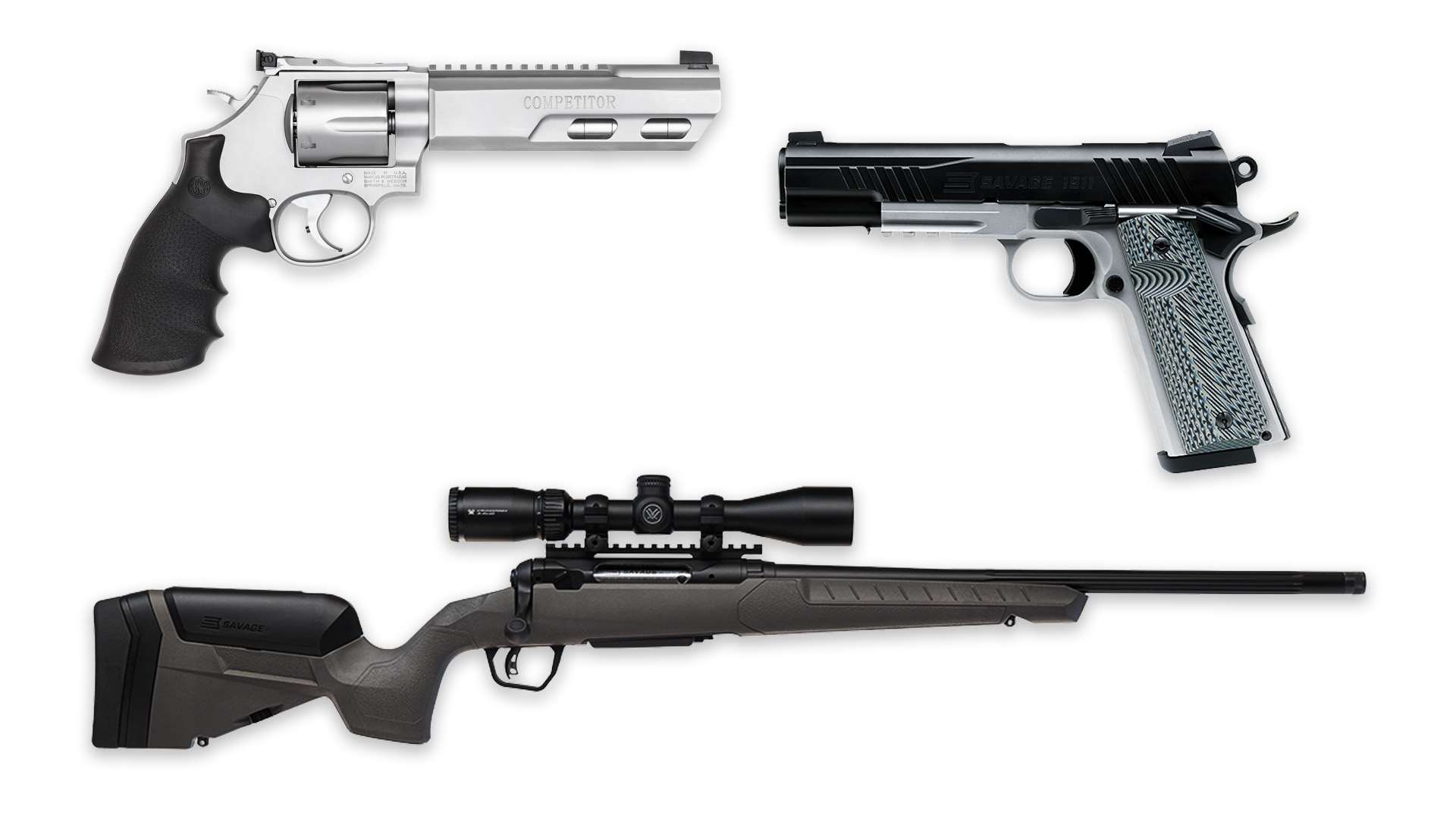
Smith & Wesson Brands Inc., headquartered in Maryville, Tennessee, since 2023, acquired Savage Arms from an affiliate of Houston investment firm JDH Capital in a stock-and-cash deal valued at $160 million. With it come the Model 110 bolt-action and the AccuTrigger, plus a deep bench of rimfire rifles and shotguns. By the company’s count, the combined operation now ranks as America’s No. 1 commercial firearms producer.
Savage posted roughly $160 million in net sales for the 12 months ended Sept. 30. Smith & Wesson expects the deal to add about $18 million a year in earnings before interest, taxes, depreciation, amortization and stock-based compensation. Excluding acquisition accounting, full-year accretion comes to 7 cents a share, rising to about a dime once the combined company captures an expected $2.5 million a year in early savings. Factoring those in, the price works out to roughly 7.9 times Savage’s adjusted EBITDA, and it still lands under the $170 million Vista Outdoor got for the brand in 2019.
A Wednesday SEC filing shows how the check was written. Smith & Wesson issued 8,993,968 new shares at $13.62 apiece, equal to 19.99% of its pre-deal share count and a hair less than the 20% threshold that would have triggered a shareholder vote under Nasdaq rules. Another $42.4 million went out in cash, with the total adjusted to roughly $164.9 million for Savage’s estimated cash, debt and working capital.
With those shares, JDH is Smith & Wesson’s largest stockholder at 16.7%. JDH Managing Director Michael Fertitta fills a vacancy on what is now a seven-member board, and the stock comes out of lockup in thirds over the next year.
“Savage’s brand heritage, culture, and longstanding reputation for performance and innovation align closely with our own, and the business meaningfully expands our presence in the hunting category,” said Mark Smith, president and CEO of Smith & Wesson Brands Inc.
Smith & Wesson’s investor presentation argues the two catalogs barely touch, putting product-line overlap at less than 1%. Combined, the company counts about $711 million in annual revenue on 1.6 million guns shipped. More than 2,200 people work across five plants in Tennessee, Massachusetts, Maine and Ontario. GearFire sales data cited in the deck ranks the new Smith & Wesson second in bolt-action rifle unit share.
Coming a day after Beretta Holding finalized its tender offer for Sturm, Ruger & Co., the deal gave the week the feel of a trade deadline. Beretta bought more than 2.4 million Ruger shares for $44.80 each, roughly $107.5 million, and now holds about 25% of Smith & Wesson’s main rival among listed gunmakers. Ruger investors had offered up more than 6 million shares, about 2.5 times what Beretta would take.
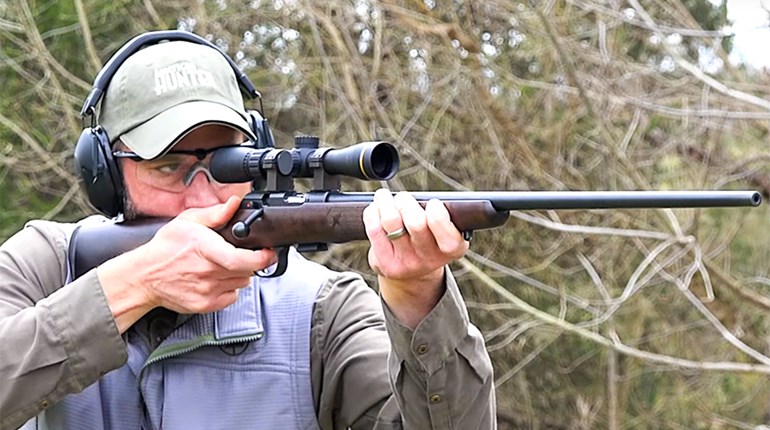
Smith & Wesson hasn’t said what, if anything, changes at Savage’s Westfield, Massachusetts, headquarters or its Lakefield, Ontario, plant. Savage’s financial statements and pro forma figures are due to the SEC by early January. Until then, the Model 110, in production since 1958, simply answers to a new boss in Tennessee.
Most Popular