Vision, when concerning NRA bullseye (precision) pistol competition, is unique to every shooter. According to 12-time NRA National Pistol Champion Brian Zins, what many people don't realize is that depending on your age and current state of vision, there's a chance that you need more than one set of glasses. It all depends on your eyes and what kind of gear you use.
For example when using a red dot, you want to be able to see your target down range clearly, thus you need a prescription that allows you to do this all while keeping the dot from becoming blurry, fuzzy or otherwise unusable. The opposite is true with iron sights, where you want to have a crystal clear view of the front sight without obscuring the target. And, when shooting precision pistol and service pistol simultaneously, it's possible that you will require three different sets of glasses for the different yardages—depending on if you are using a red dot or iron sights.
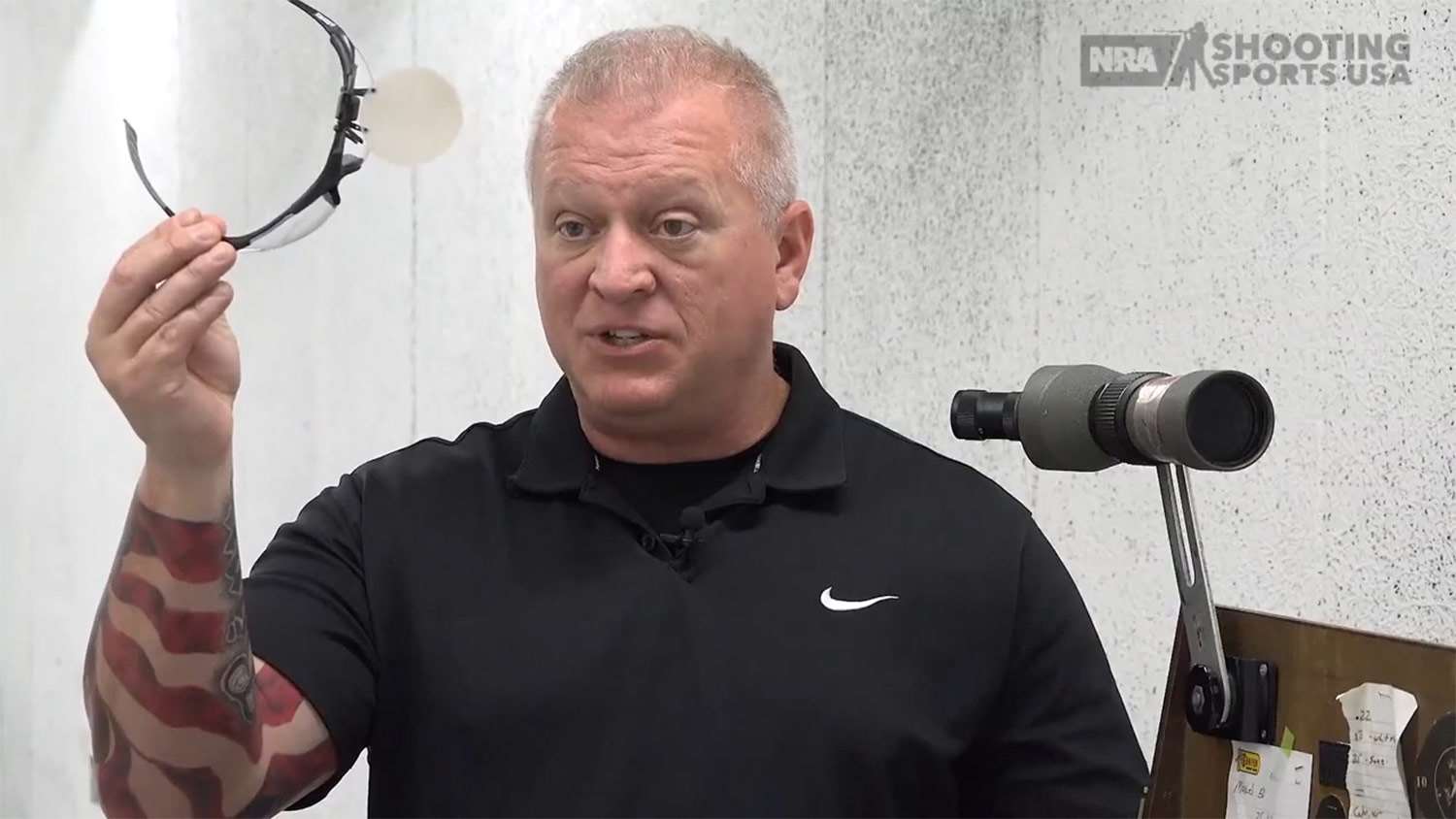
Zins' own prescription is .75 when shooting with a red dot. He finds this to be an effective compromise to see the target clearly without distorting the dot. If he is shooting outside with irons, he might bump it up to 1.00 or 1.25.
He references a timeless Dr. Norman Wong vision article that includes tips on how to work with your optometrist to get the ideal prescription for your needs.
"We all experience different things with our vision," says Zins. "I had the opportunity to teach a bullseye class with Dr. Norman Wong among my students, so I had an opportunity to learn about the human eye as it pertains to shooting."
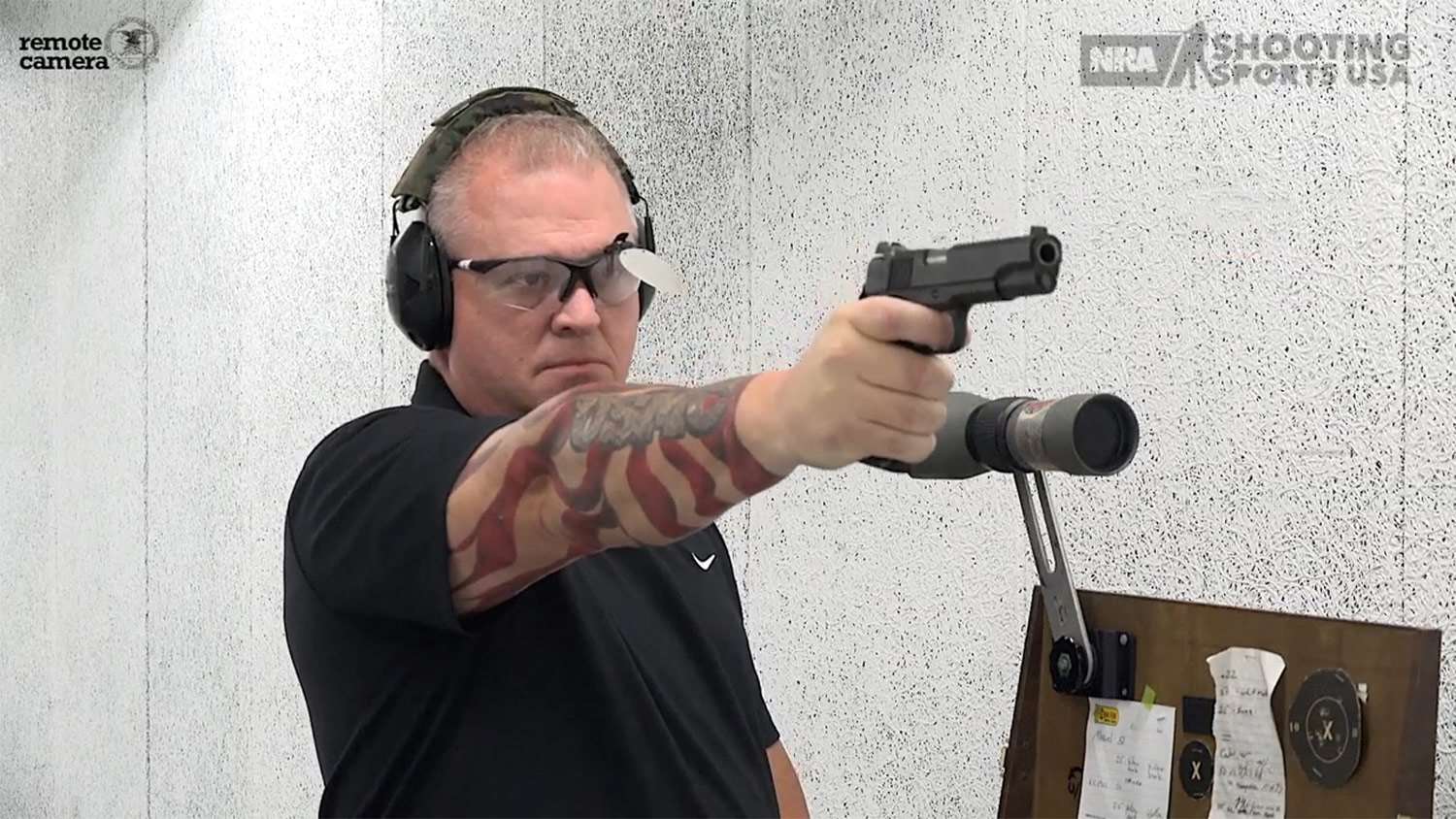
As for colored lenses, Zins says that really depends on the individual's eye. Eye color can affect how you perceive your sights while wearing colored lenses. Trying a variety of different lenses and colors is a good idea.
"Your best bet is to get a good set of colored lenses and try all of them, looking at dots and iron sights to determine which one work best for you." says Zins. "Everybody's vision is a little bit different."
Finally, to shoot well in competition, it's ideal to train using your good glasses on, so that you can can clearly see the sights, and master your pistol grip. Ideally, when your guns come up, it will naturally align to the eye.
This video is the sixth installment in our bullseye pistol series featuring Brian Zins. Below are links to the previous videos.
The next video in the series will cover how to tie together everything we've learned so far into a successful shot process. To learn more about Zins’ pistol training classes, please visit his Facebook page here.
See more: Tips On How To Find Your Natural Aiming Area