At my home club, friends often ask, “Why do you work major matches?”
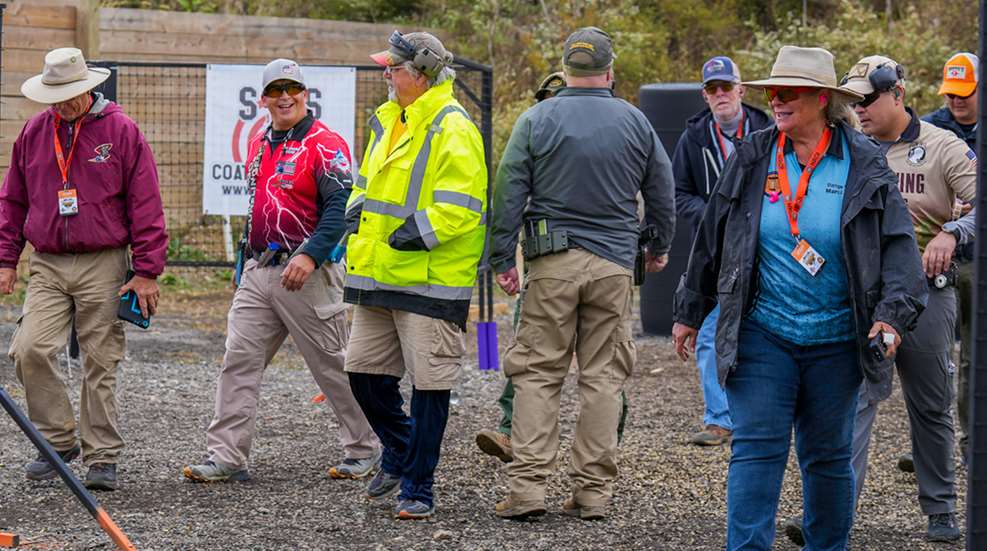
It’s a good question, and one that doesn’t have a specific answer that I can give. It’s not for the fame and glory (there isn’t any), the relaxing hours (there are a lot of them and they aren’t relaxing), the five-star range food (usually good, but eaten in the brief break we have between morning and afternoon squads) or the weather (it can go from freezing to sweltering to a downpour in the course of a day).
There are several other reasons that I enjoy working major matches.
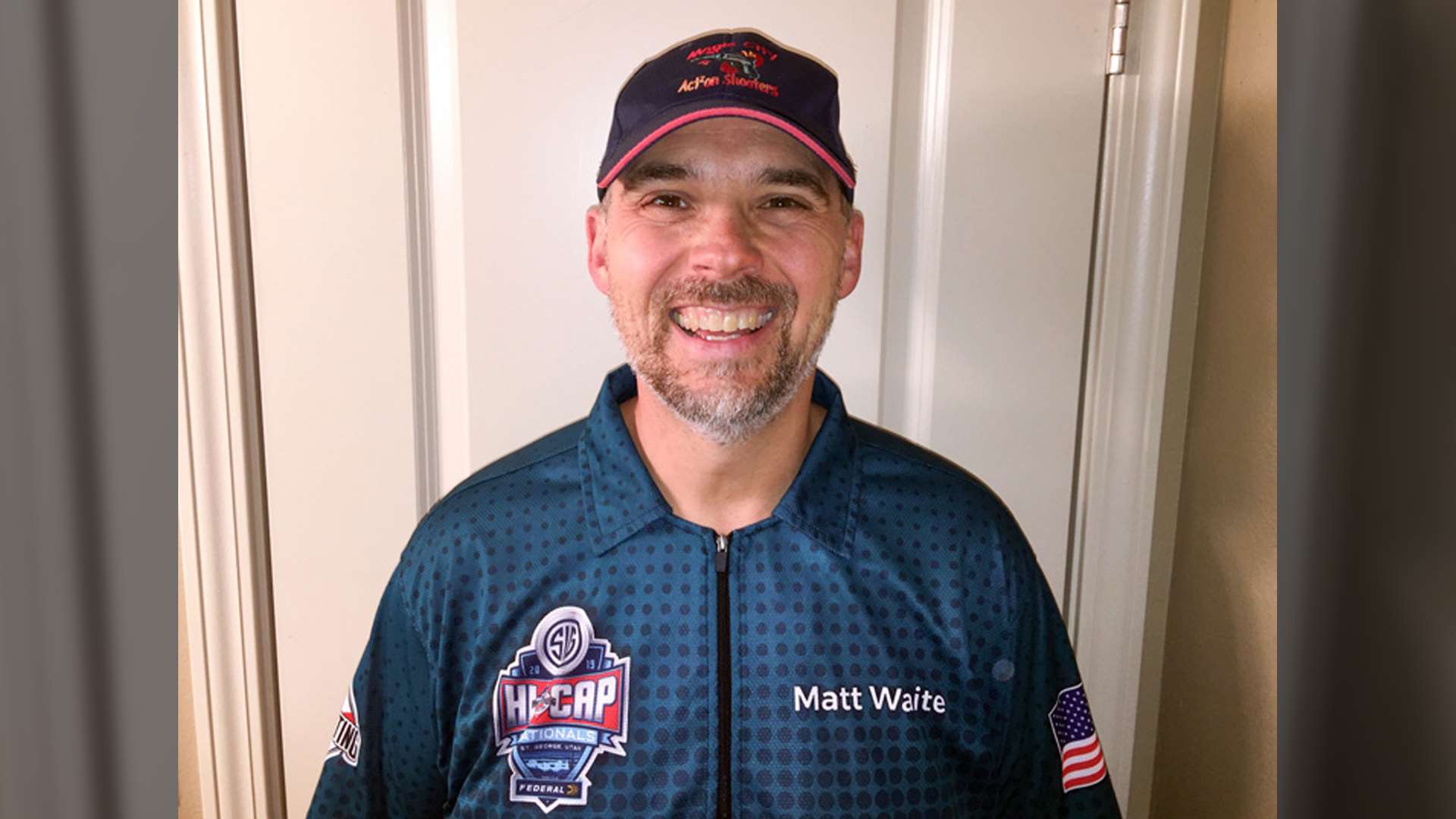
For one, I am not likely to become a better shooter than I am now. Age, available time to practice and dry fire, as well as natural ability are all against me at this point. Working matches is something that I enjoy doing almost as much as I enjoy shooting and it allows me to spend more time on the range than I would if I was solely a competitor at the match.
I also enjoy getting the chance to visit with friends that I see at major matches. There are some people that I only catch up with once or twice a year at an area match or at the USPSA Nationals. Staff working large matches, especially at the Nationals, travels from all over the country and such an event is the only time I can see these far-flung friends. Being able to go out to dinner or spend an evening shooting the bull with them is priceless.
There are some financial incentives to work major USPSA matches. Typically, the match entry fee is waived for staff and often a stipend is paid by the Match Director. Financially, it may still be a losing proposition, but a little bit to help offset hotel and gas expenses is appreciated. If I am traveling a few hundred miles—or more—to shoot a match anyway, why not stay for a few more days and work the match?
Another reason I enjoy working large matches is to see how other clubs do things. The ideas and tricks that I have picked up at other clubs has only helped me at my home club. Maybe another club has a different way to store and stage walls and other props, or uses a different type of moving target arrangement, or has a different toolkit for building stages. Anything that I can find to benefit my home club will only make our matches better and keep our helpers coming back.
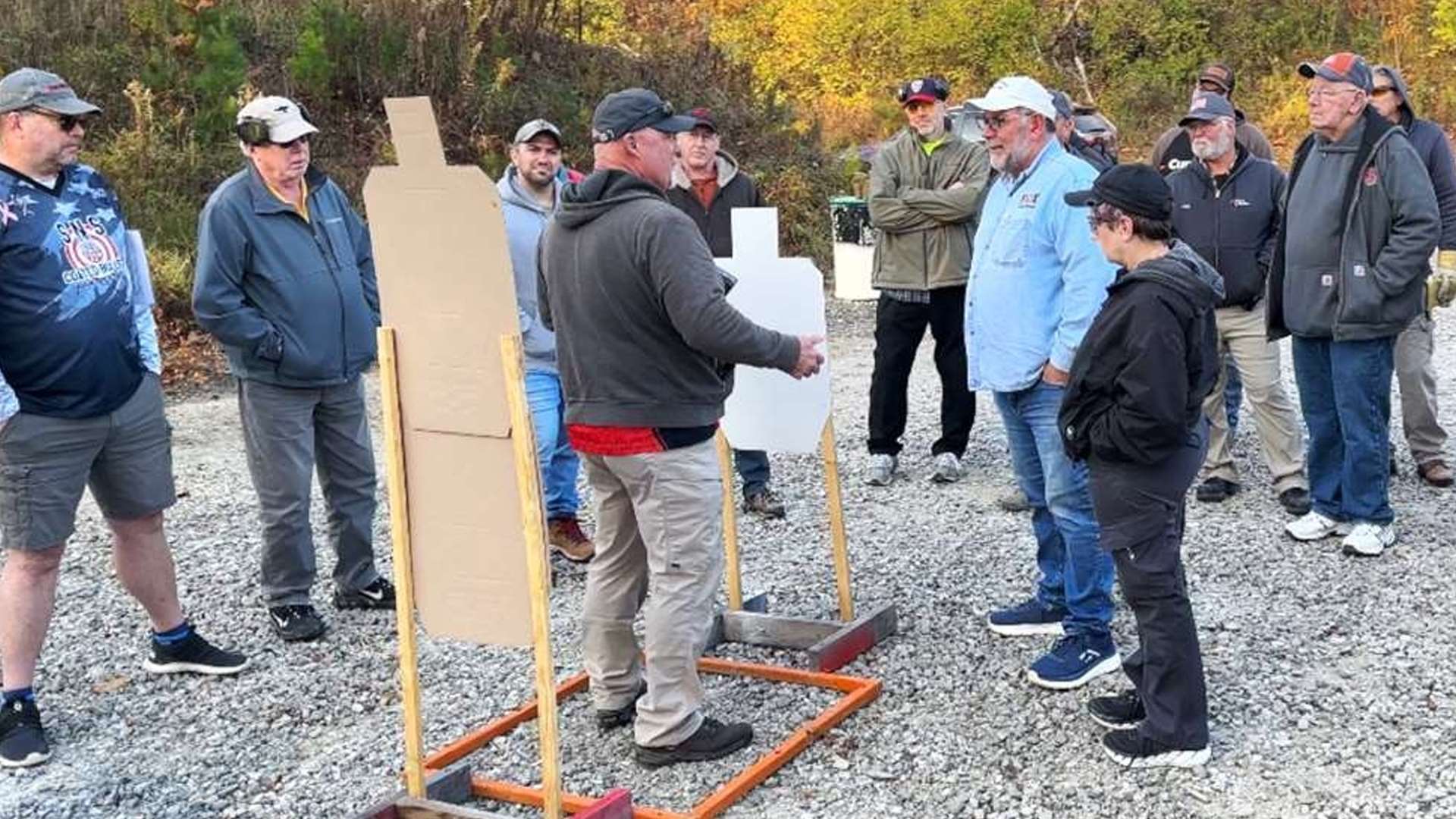
It is also fun to be able to watch all the really great USPSA competitors shoot the stage that I am working. I can tell myself that I shot the stage just like the national champion did (only a lot slower with less accuracy). I enjoy visiting with the competitors and think that USPSA is the best group of people that I’ve ever been around. As a range official, I may be on the opposite side of a scoring call from a competitor, but that doesn’t mean that we aren’t still friends. As I tell the Range Officer and Chief Range Officer classes that I teach—we, competitors and officials, are all out there to have fun. If it wasn’t fun, we wouldn’t do this, right?
Probably the biggest reason that I work major matches is to gain more experience as an Range Officer, Chief Range Officer or Range Master in a long weekend than I would in a month or more at home. The sheer number of competitors shooting a large match means that we see scoring calls, penalties and “what if” sorts of questions that we wouldn’t otherwise see. The more exposure that I get to these things, the better I am as a range official. Nationwide, more people working major matches means that more people are taking these ideas and experiences back to their home clubs and making every match better.
I am extremely lucky that my wife of almost 25 years also enjoys shooting and working USPSA matches. We have had the opportunity to travel all over the country together, shooting and working at many different ranges. For us, it is a vacation and one that we both enjoy.
In short, I work major matches for the same reasons that people shoot USPSA: fun, camaraderie, learning something new and taking a great memory back home with me.
Article from the March/April 2025 issue of USPSA’s magazine.