Among all the action-shooting sports, Steel Challenge has experienced one of the largest participation increases in recent years. Looking at the match itself, it’s not hard to see why.
Steel Challenge consists of eight different stages that always remain the same. Each stage features five white metal plates—either 18x24-inch rectangles, or 10- to 12-inch round plates. One plate is marked with a red post as the Stop Plate and must be hit last. They’re set in various arrays at distances of seven to 35 yards, and require a lot of lateral gun movement to engage. There are no scoring rings. Any hit on a plate scores.
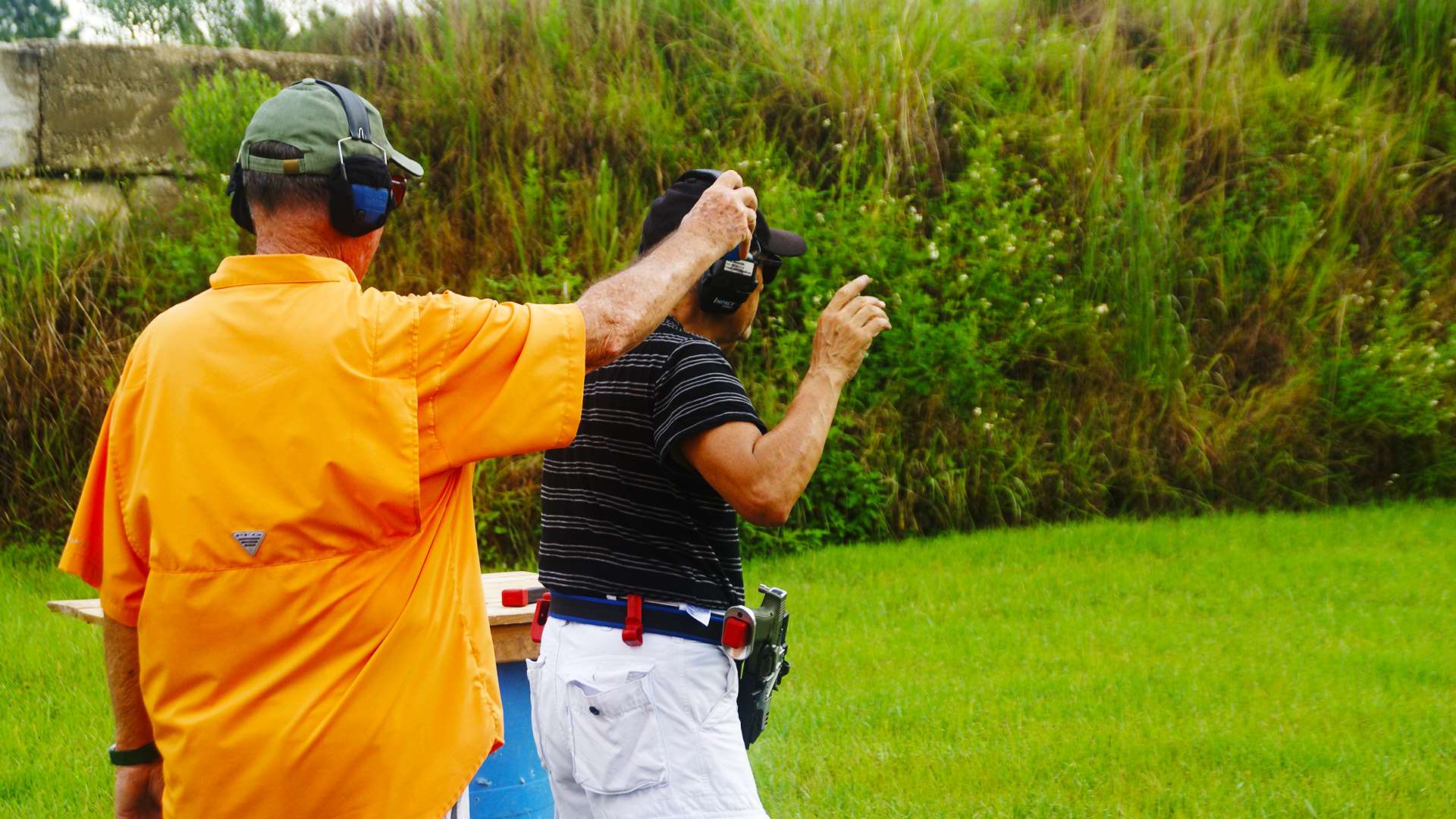
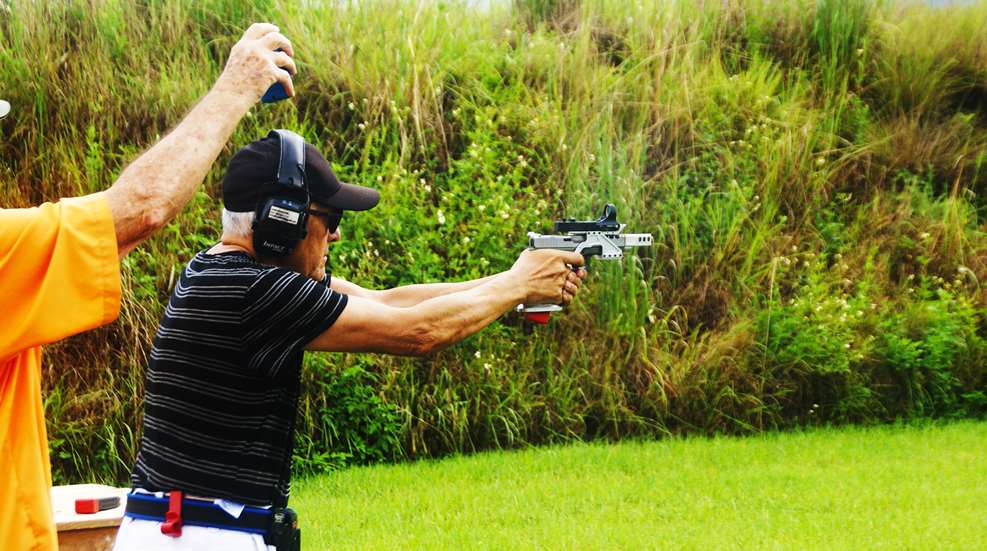
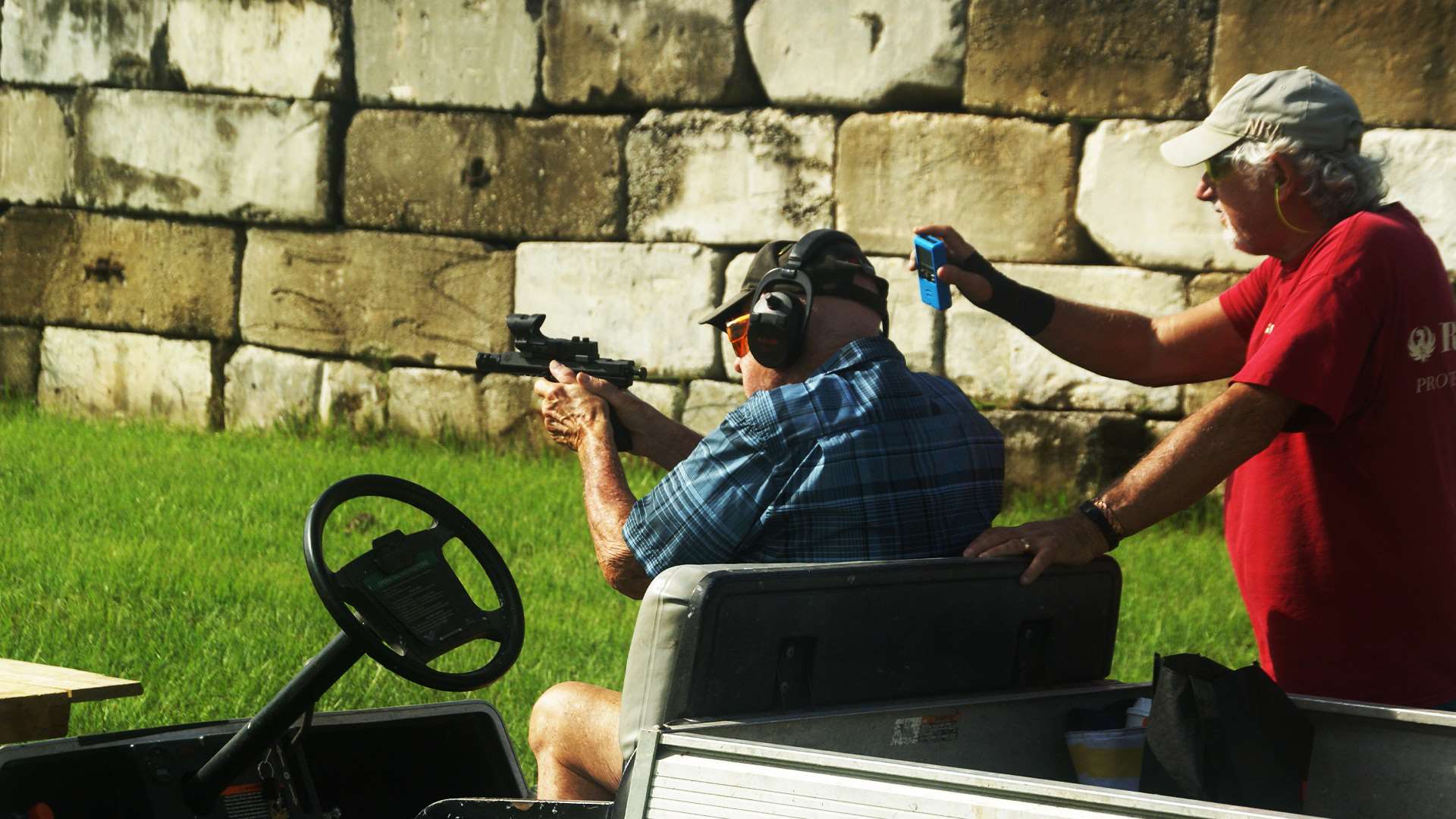
Targets are engaged from a marked shooting box with a Range Officer (RO) standing next to the shooter and timing the string. Six of the stages are shot from a single box. One stage, Showdown, has a shooter fire two or three strings from one box, and then move “off the clock” to a shooting box on the other side of the array to shoot their remaining strings.
These stages require the shooter to make five individually-timed runs through the plates (25 rounds minimum for the stage) with the best four runs being scored. The shooter’s score is the combined seconds (measured to 0.01) of each scored string, plus any penalties incurred. The exception is Outer Limits. Shooters will engage two targets from the starting box and then—with the timer running—move about six feet to a second box to engage the remaining three plates. Only four runs are required here, with the best three scored. For shooters with physical impairments, there are procedures that allow them to shoot their Outer Limits stages from the first box.
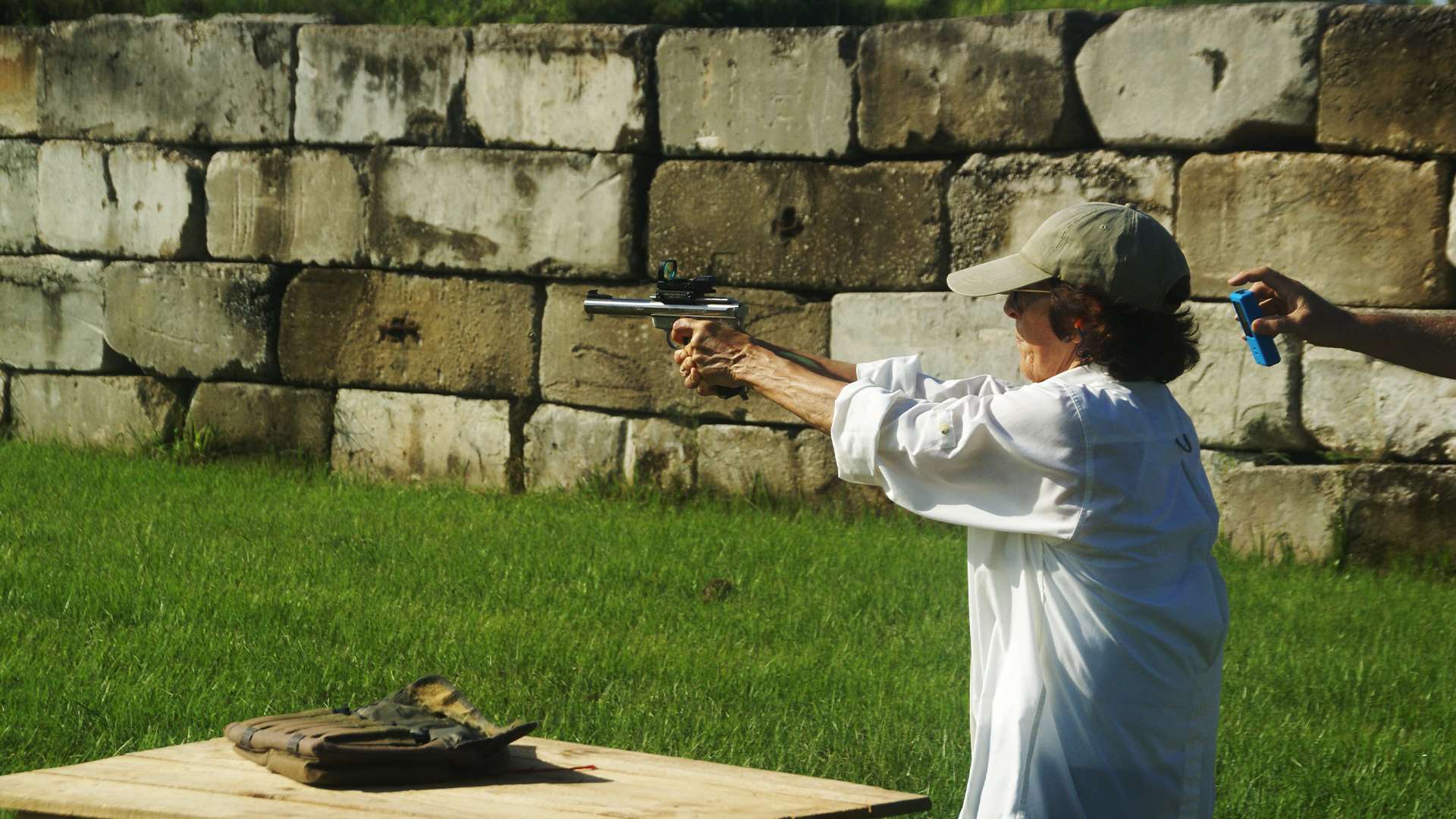
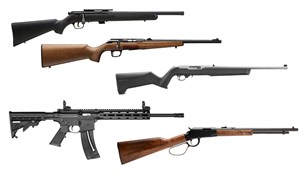
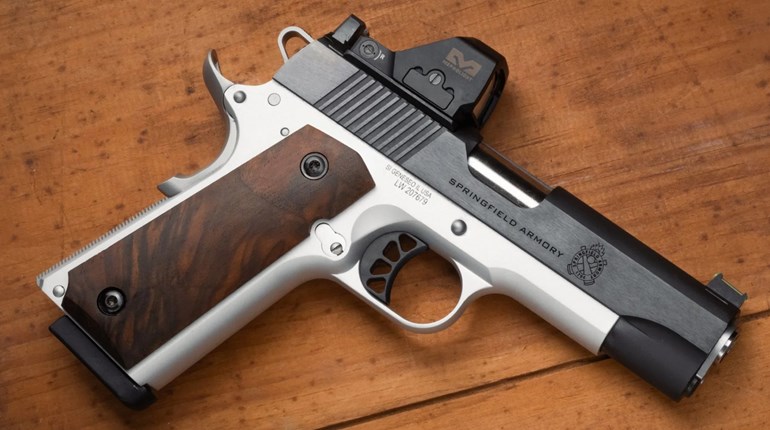
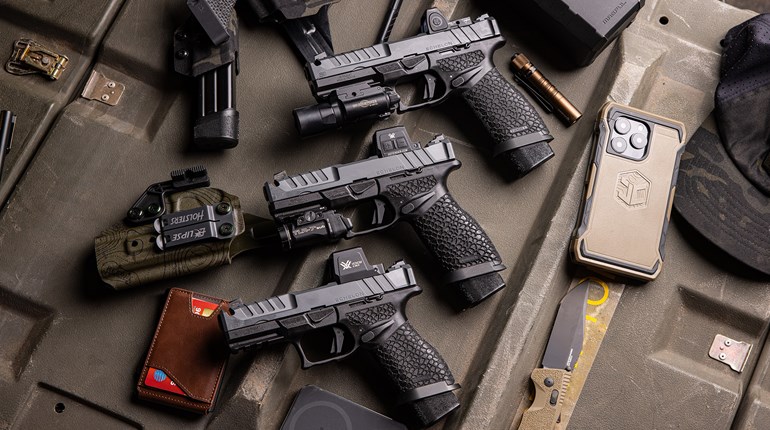
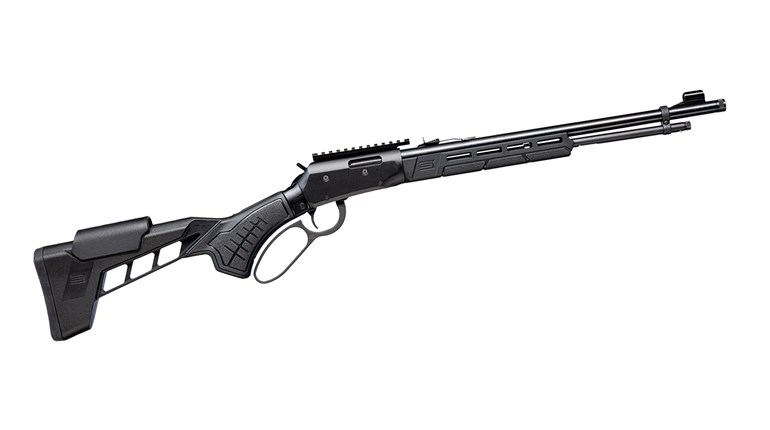
The allowable firearms selection is large, with 13 different divisions. Rimfire pistols and rifles (.22 LR only) have divisions for iron or optical sights. Pistol caliber carbines (PCC) and revolvers (six or eight shot guns are allowed) have the same iron or optical sight divisions. The remaining divisions are straight out of the USPSA Production rules, Single-Stack, Carry Optics and Open. The minimum caliber for semi-automatic centerfire guns is 9mm, and the minimum caliber for revolvers is .38 Spl. The chances are excellent that any shooter reading this has a suitable gun to compete. Specific equipment rules, as well as matches in your area may be found on the Steel Challenge website.
Matches may be six stages (150-round minimum) or eight stages with 200 rounds minimum. Misses do happen, so having an extra 50 to 75 rounds is recommended.
While the gun selection is vast, the actual match procedures are simple and rigid. Steel Challenge ranges are cold ranges. No loaded firearms may be handled anywhere but in the shooting box under the direct supervision of the RO. If a shooter needs to make adjustments to their firearm, safe handling areas are provided. Guns may be handled there, but not ammunition.
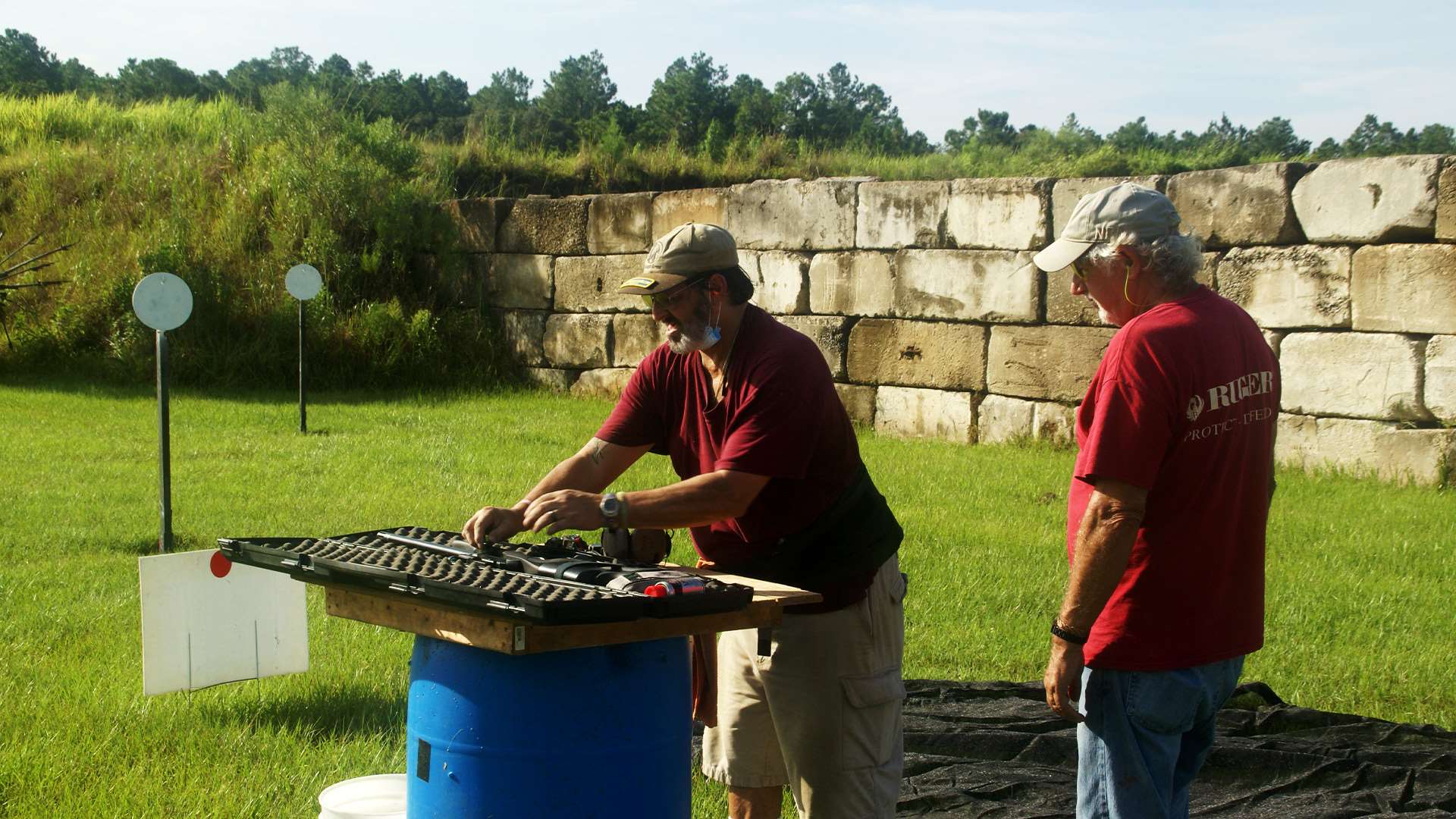
Rimfire rifles and PCCs are brought to the firing line in a hard case, soft bag or scabbard. They must have a chamber flag installed. Rimfire and centerfire handguns may be in a holster or case. Handguns do not require a chamber flag.
When a shooter is called to the firing line for their turn there will be a table to their left. They may place their gear on the table, lay out their magazines, but not handle their firearm or step into the shooting box until the RO gives the “Make Ready” command. Once that is given, they will enter the box and have two minutes to dig out their firearm, take a sight picture, swing through the targets, adjust foot position, and then load and take their starting position.
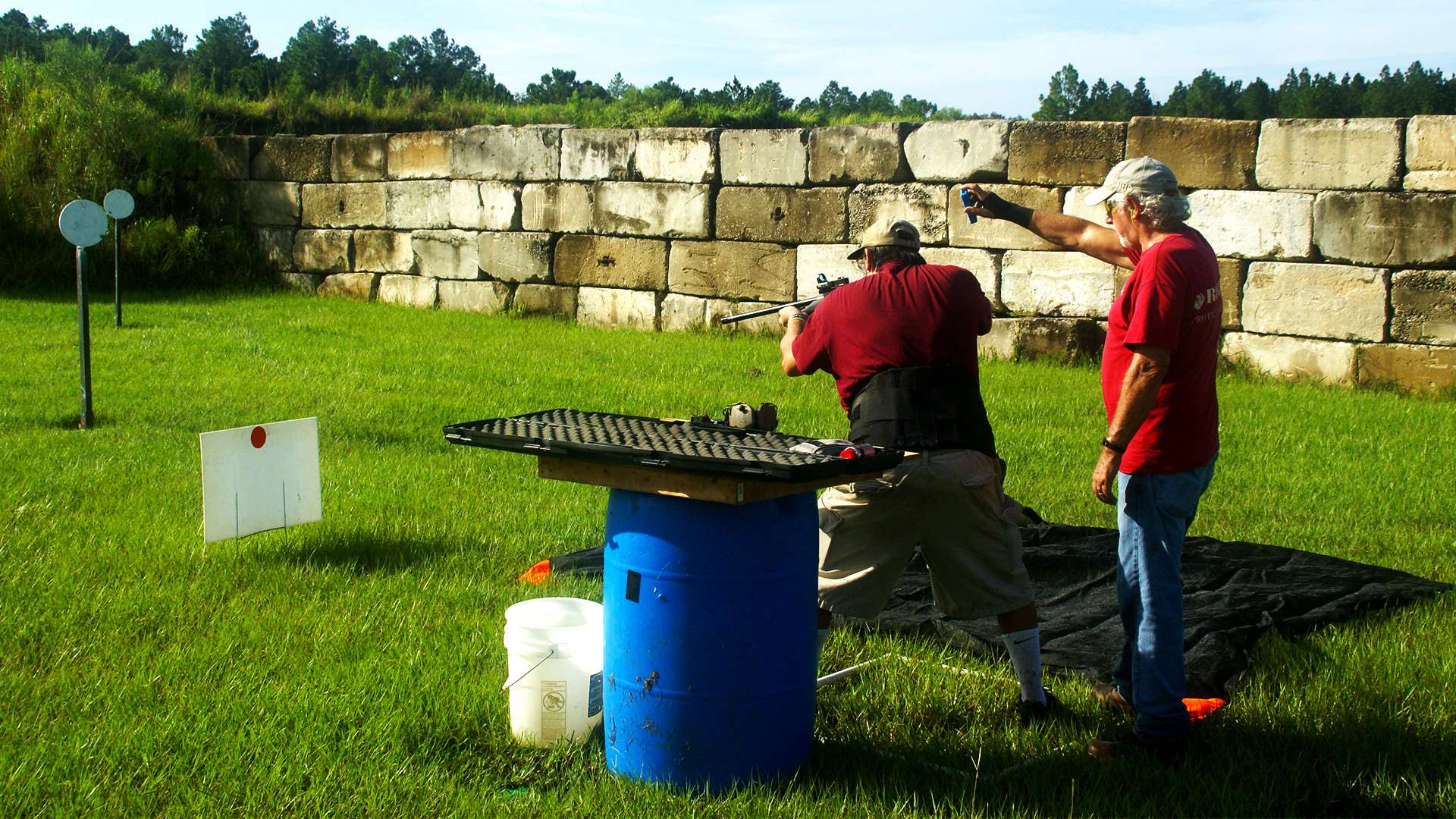
Rimfire pistols, rifles and PCCs start from the Low Ready position with the firearm pointing to a sign or cone about 10 feet directly in front of the shooter. Centerfire handguns start from the holster, with the shooter’s hands held with wrists above their shoulders in what is commonly called the “Surrender Position.”
Once the shooter assumes their starting position the RO will ask, “Is the Shooter Ready?” If the shooter isn’t ready, they should say so. If they say “Ready” or say nothing, while remaining in their start position, the RO will then say “Standby.” A couple seconds later comes the BEEP and the shooter engages the five targets. After one string the shooter will reload (if needed) on their own, assume the Start Position, and the process will repeat until they complete the stage. The RO will then confirm the gun is unloaded and properly bagged or holstered before calling the range clear to allow re-painting the targets for the next shooter.
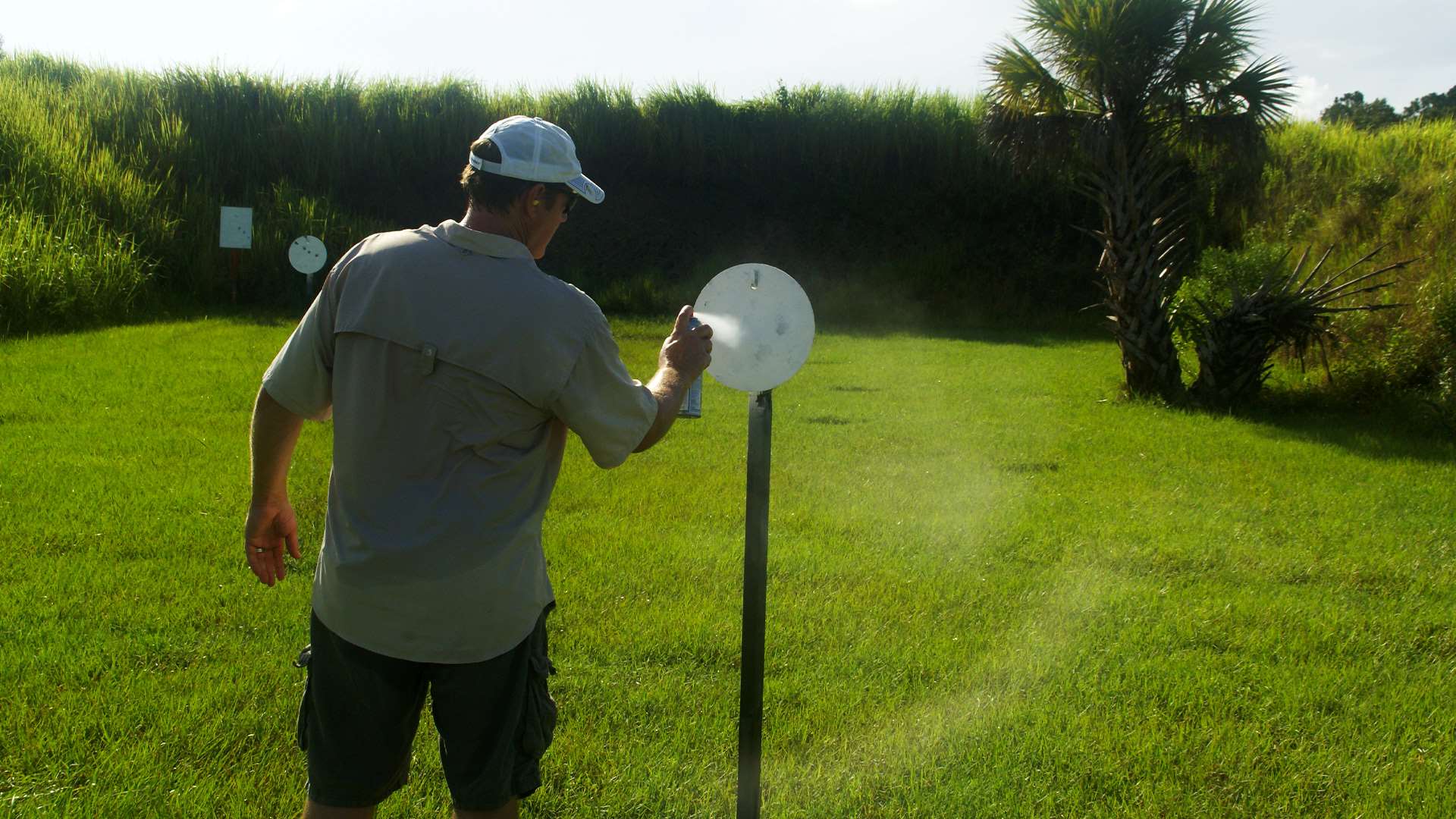
Squad members are required to participate in the re-painting of the targets. The only exception is the “On Deck” (next shooter) and when they finish their runs, in order to allow them to reload their magazines or speed loaders.
The limited physical movement appeals to older shooters. They don’t have to run—just shoot quickly and accurately. That, combined with the allowance of rimfire guns—and the close supervision—also makes it an excellent way to safely introduce younger shooters to the action games. It’s not surprising that Steel Challenge has increased in popularity.
See more: Chris Barrett Sets 3 World Records At 2020 World Speed Shooting Championship
Most Popular