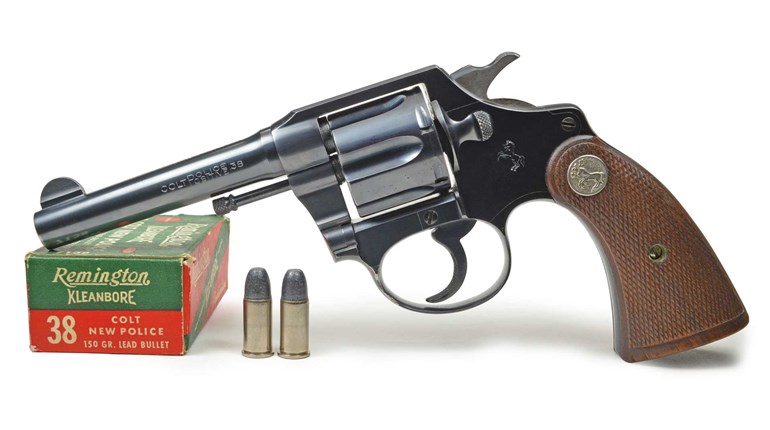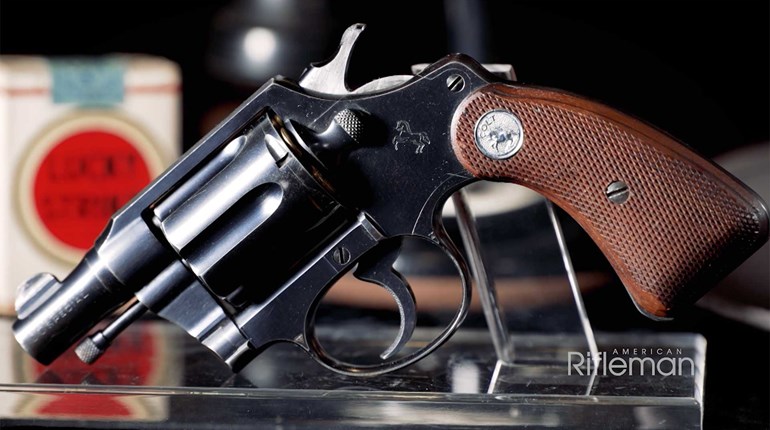
Whether it’s Bullseye, PPC, USPSA, ICORE, IDPA or Steel Challenge, the .38 Special revolver has a long history in competition. The humble revolver has lost some of its popularity in recent years, but there are still many who welcome the challenge of shooting a wheelgun.
Those who do will quickly discover they need to become reloaders. Economics is one factor. The biggest, however, is that highly-tuned revolvers with lightened trigger pulls require carefully-assembled handloads to assure a bang instead of click. Reloading is a fact of life for revolver shooters and it starts with the cases chosen.
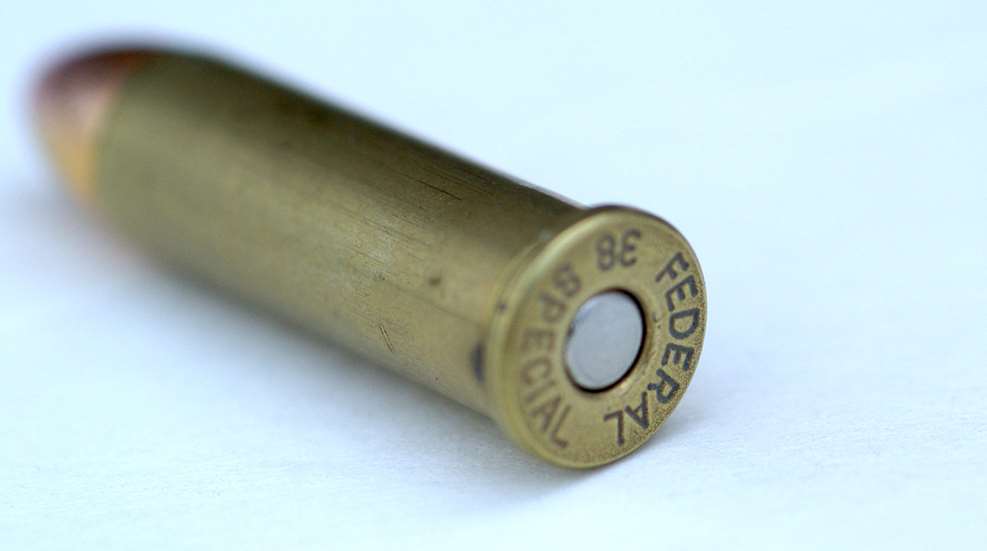
Cases aren’t cheap, so it pays to get the most out of them. Over the past few decades I’ve learned to avoid nickel-plated cases. I have yet to get more than three reloads before the cases split on resizing. I suspect it has to do with the plating process making the brass brittle. Brass cases, as we’ll see in a moment, have a much longer lifespan and are cheaper to purchase.
The primer chosen, and how it is seated, is critical. This is the major reason why revolver shooters need to be reloaders.
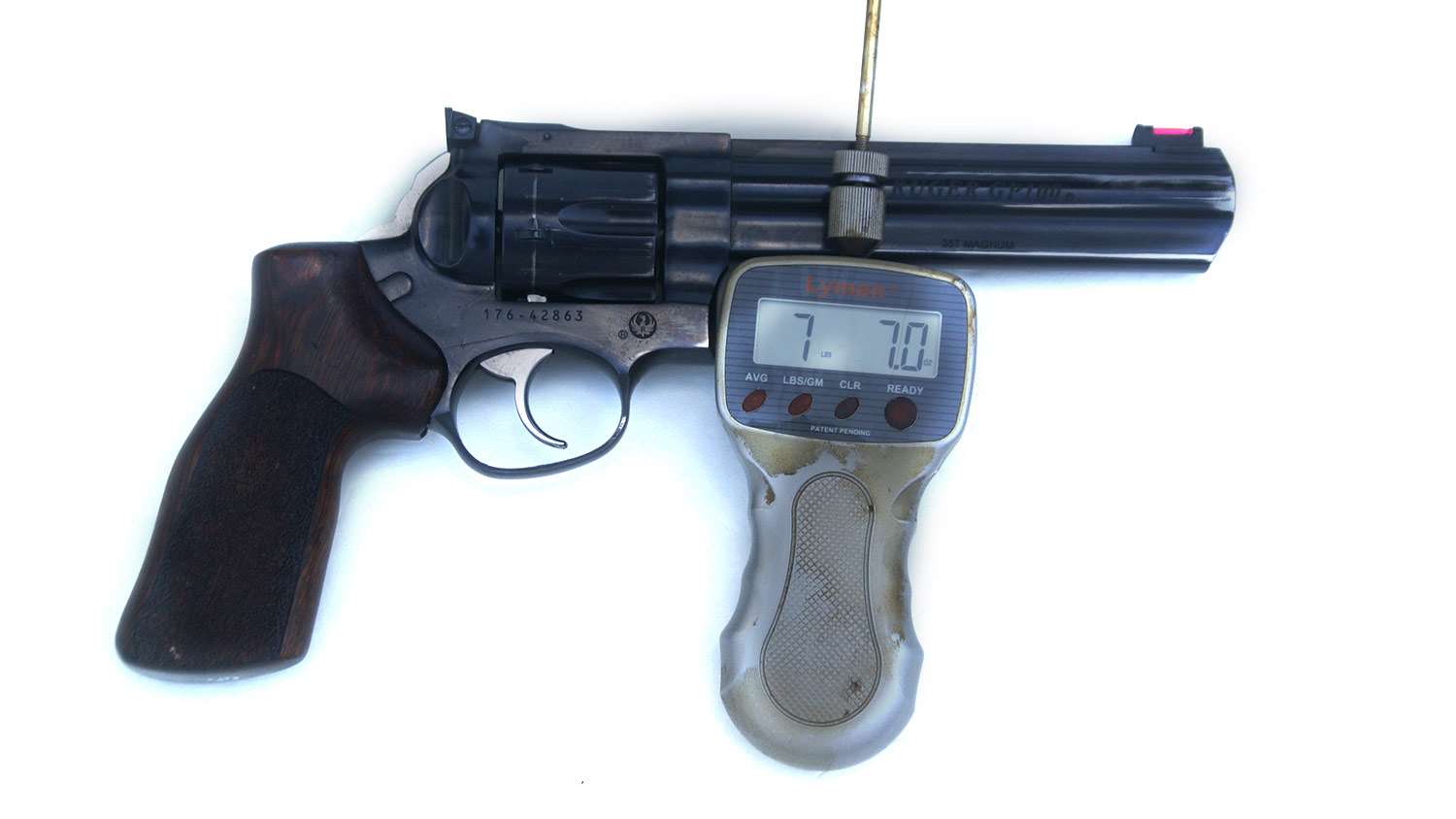
Revolvers from the factory have 12- to 14-pound DA trigger pulls. That’s because they have to fire any factory round fed into them or the gun maker starts getting Nastygrams. Competitive shooters aren’t going to deal with that and will have trigger work performed to reduce the pull to the six- to eight-pound range. That reduced hammer force will not reliably light every manufacturer’s primer. Competitive shooters have learned that Federal primers are the softest and most reliable for reduced DA pull weights.
Even with Federal primers the seating depth is critical for trigger pulls in the six- to eight-pound range. They should be seated to a depth of 0.006- to 0.008-inch below flush in the primer pocket. This is commonly called a Crush Fit, and when running a fingertip across the cartridge base that dip must be felt. Some progressive presses require considerable adjustment to achieve this, but the time is well spent. It means the difference between a bang and a click at the buzzer.
If a high primer is felt after the round is loaded, it’s dangerous to try to seat it further in a loaded round. If the seating effort ignites the primer you have a grenade in front of your face and injury can result. Drop those rounds in the practice bin and re-adjust the press.
Powder choice is another consideration. There are many that will make the proper PF (Power Factor) loads. Not all are good choices. Some burn hot enough to cause extreme discomfort when grabbing the cylinder on a reload. Others are dirty and deposit a lot of fouling in the chambers that can significantly impede ejection of the cases when reloading. That adds time to the stage score. I haven't used all of the current powders, but of those that I have VihtaVuori N310 and N320, Alliant BE-86 and Hodgdon Clays are my choice. All have let me run 100-plus round IDPA and ICORE matches without having to clean chambers. Loading data for these powders is available on their respective websites.
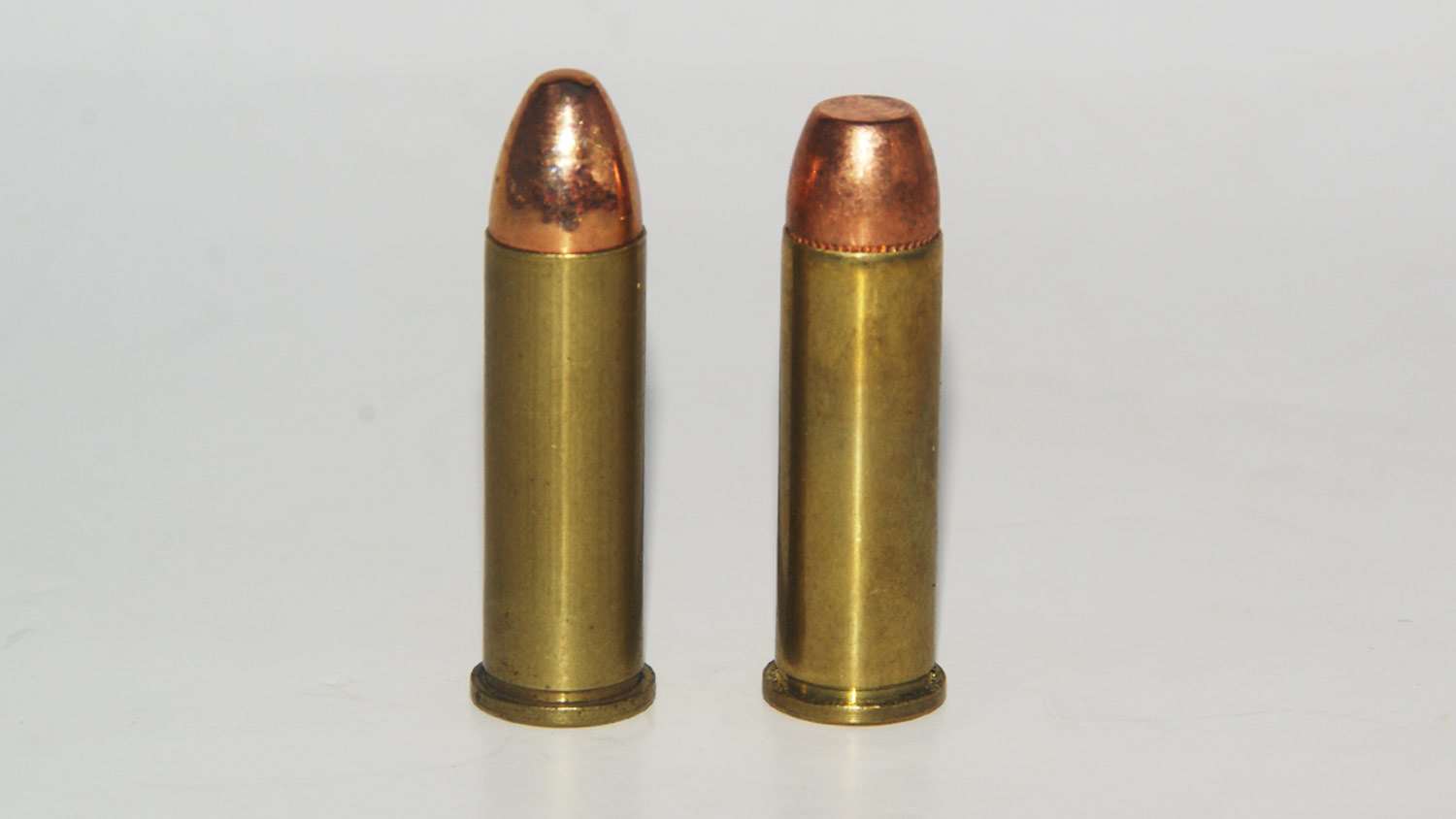
Crimping the bullet is the final step. There are two ways to do that: a roll crimp or a taper crimp. A lengthy test I conducted years back showed me there is a significant difference between the two regarding accuracy and case life.
I took 24 once-fired factory brass cases from the same manufacturer and separated them into two clearly-marked 12-case groups. One group was reloaded with a taper crimp and the other with a roll crimp. The load was listed to propel a 158-grain lead RN bullet to 770 fps (121 PF).
The first firing was over a chronograph, with the 12 rounds of each group shot onto their own target for an accuracy group. The taper crimp loads produced about a 20 percent increase in accuracy over the roll crimp, but 35 fps less velocity. I added 2/10ths of a grain of powder to subsequent taper crimp loads to bring them up to the velocity of the roll crimp loads. I then reloaded and fired the two case groups until the cases died.
The first roll crimp case developed neck splits on resizing at round 11. By round 16, all the roll crimp cases were not reloadable. The first taper crimp case showed neck splits at round 26, and the last one died at round 34.
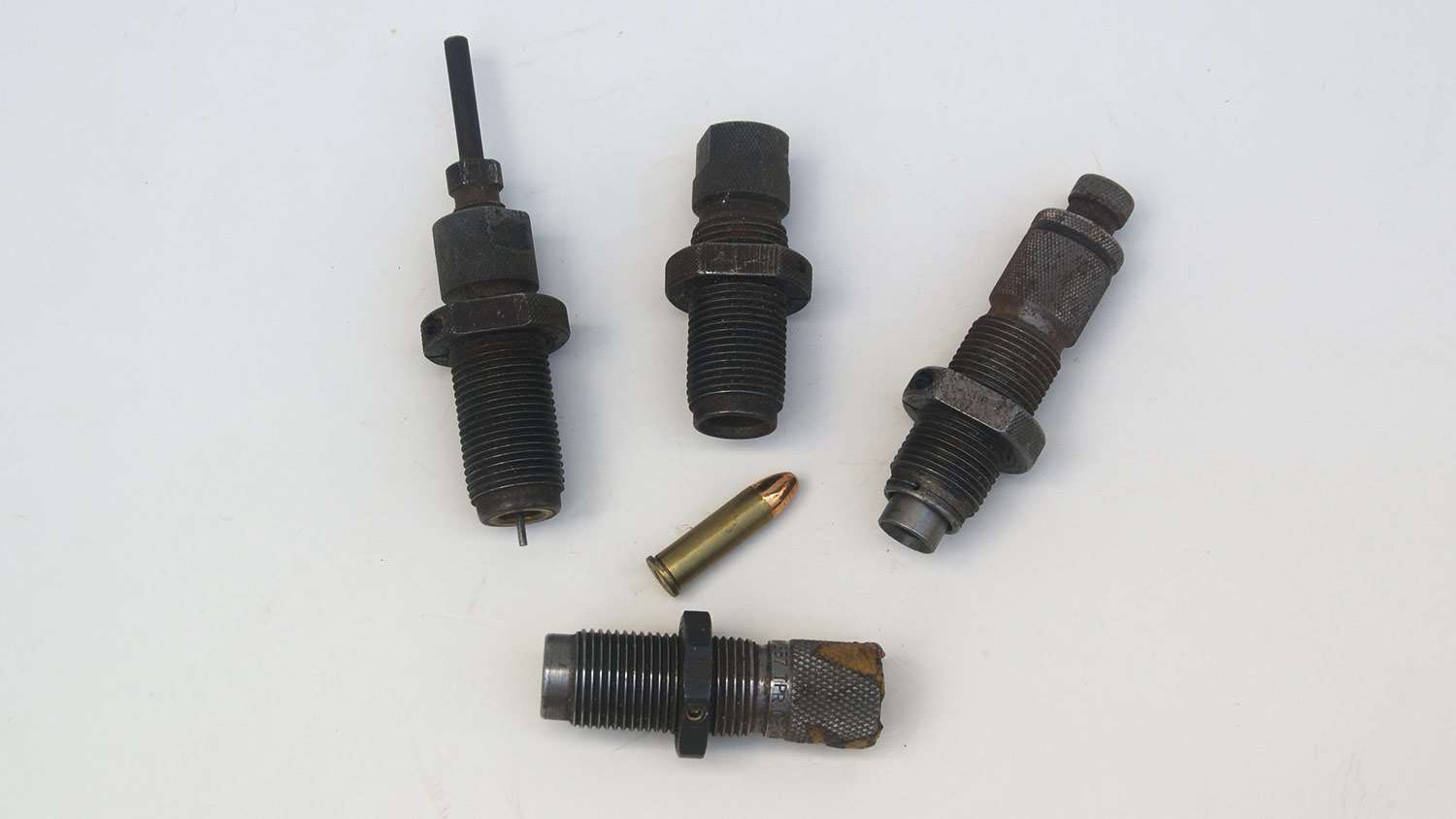
The standard three-die .38 Special set will re-size/deprime with one die, bell with another, and seat and roll crimp the bullet with the third. The roll crimp feature is easily adjusted out to allow just bullet seating. Adding a taper crimp die makes a fourth reloading step. But given the double the case life and increased accuracy, at the cost of only one extra reloading die and a minuscule increase in powder, many feel it’s worth the extra step.
Regardless of how fast a revolver shooter can draw, get sights on target, and run the gun—successful wheelgunners know their match begins at the reloading bench. If their ammunition fails, so do they.
See more: