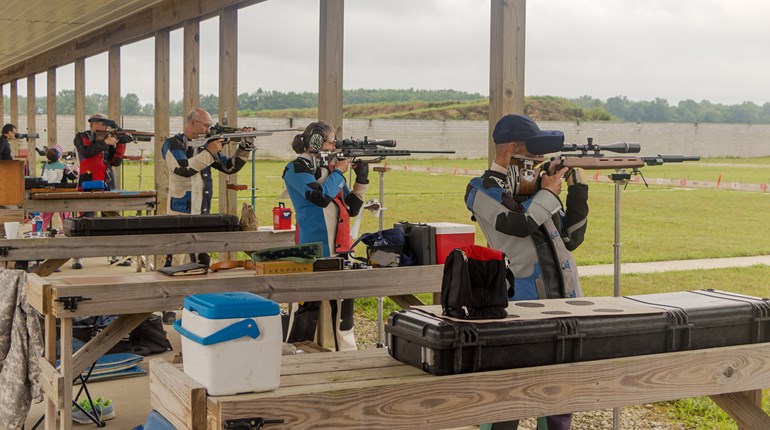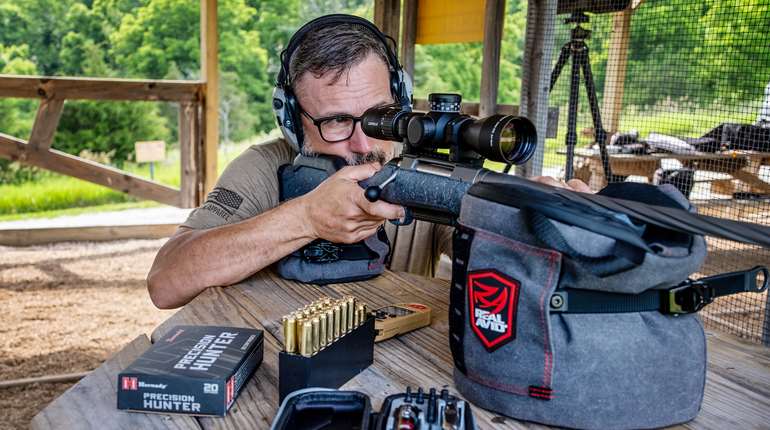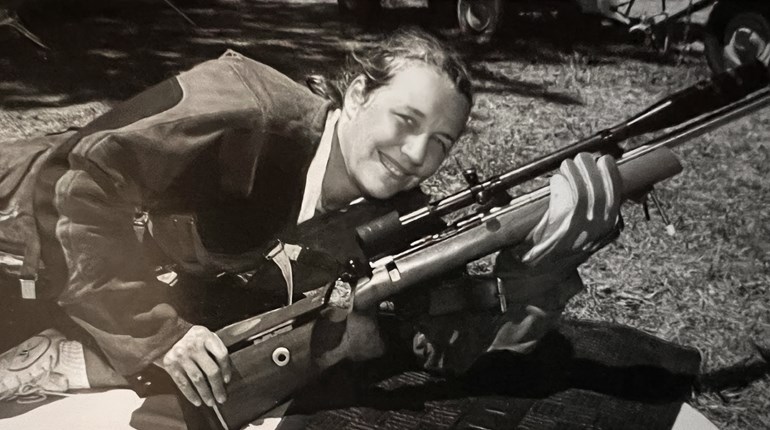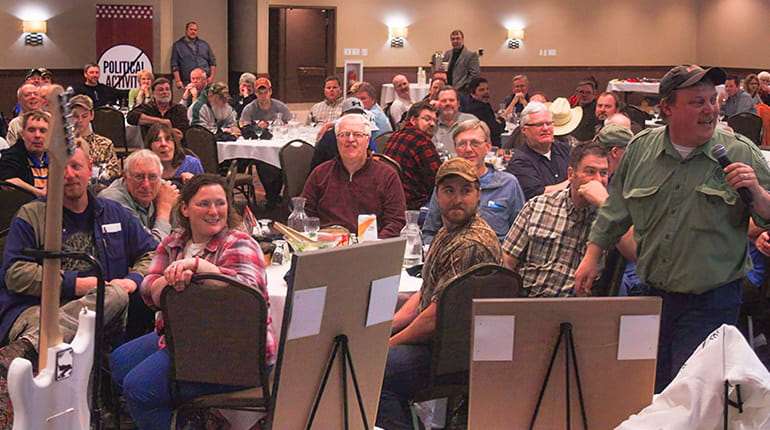
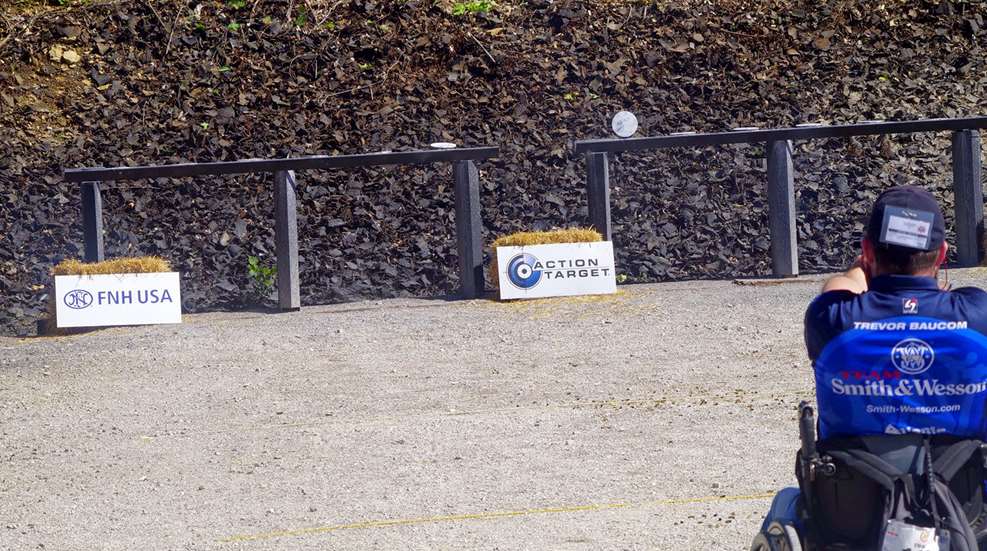
The NRA Adaptive Shooting Program has seen many changes over the years since its debut in 1992. Some changes resulted from advancements in technology and elevated public awareness, while others were driven by conditions internal to the program. Through it all, however, the mission remained the same: improve access to the shooting activities and sports for people with disabilities. This mission was strengthened through partnerships with instructors, coaches, members of industry and competitive organizations such as USA Shooting and the Paralympic Shooting Teams. While there were many positive results—the individual with disabilities making the air gun team or the family finding the creative outlet their injured son so desperately needed—they were typically on the micro scale. What the NRA wanted was an impact on the macro scale.
The expansion of scope resulted in the program you find today. Starting last summer, the Disabled Shooting Program—renamed the Adaptive Shooting Program—moved from the Competitive Shooting Division to the Education and Training Division at NRA. Moving divisions within the NRA is significant to the changing vision of the program. The former program managers were accomplished competitive shooters and drew on their vast experience in that arena to craft projects and activities to engage competitors with disabilities. Each achieved success to varying degrees by working with small groups of athletes and individuals to fine tune someone’s technique or equipment. They provided an amazing service and had a profound impact on many people’s lives. However, their target demographic was limited to those interested in competing in the shooting sports.
While competitions and competitors remain an area for growth, reaching the average citizen interested in hunting or self-defense firearm training required a broader presence within the organization. The Education and Training Division creates the majority of the education materials produced by the NRA, establishing and maintaining the credentials for 200,000 plus instructors in all disciplines and offering guidance to other organizations such as local and state law enforcement and the Boy Scouts of America. Thus, it is the perfect platform for enabling the Adaptive Shooting Program to reach nearly every member of the shooting community.
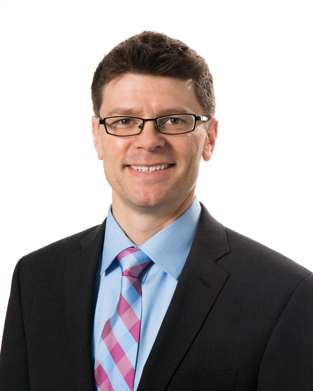
To reach members of the shooting community that either have a form of disability or know someone who does, the NRA addressed a common denominator. Disability, in its many forms, is that denominator. When the call was sounded for the new National Manager, it was essential for the candidate to have a background that provided that critical insight. As a Doctor of Physical Therapy with over ten years of experience in physical medicine and rehabilitation, a lifelong interest in shooting and years as an NRA-certified Pistol Instructor, I bring something to the table that was missing in the past. A comprehensive medical perspective will allow the Adaptive Shooting Program to take a unique position among the many great programs offered by the NRA. It has the potential to impact many of the other programs through the development of best practice guidelines and the enhancement of existing training modules.
“Best practice” is a method of continued process improvement through the combined application of experience and research. An example from the Adaptive Shooting Program’s current workload is the development of guidelines to assist range designers and developers in making outdoor trap and sporting clay ranges more accessible for people with disabilities. While this project specifically targets shotgun sports, there is a clear benefit for those interested in hunting and personal protection, since they will be using those same ranges that incorporated the program’s recommendations. Training modules focusing on the learning experience for people with disabilities are currently in development and will be inserted into the existing pistol, rifle and shotgun courses, with the ultimate goal being the development of an Adaptive Shooting course with a specialized rating for Instructors and Coaches. These projects are moving steadily ahead but will not be rushed. Taking the extra time up front will assure that a quality product is presented to the NRA’s discerning members, instructors and coaches.
While it is impossible to know exactly where it will lead, it is clear that the program faces significant challenges that will require an adaptation of the current dogma surrounding firearms and firearm training. Historically, the gravity of safety required all education and training efforts to focus on a solid core composed of the gun and the shooter. To enhance this focus and develop a standard, there needed to be a basic expectation of performance for both components. There has always been little room for interpretation, but even that slight freedom of expression ends where safety begins. It is within this finite range of individual expression that the Adaptive Shooting Program will grow. That space will be clearly defined by the unforgiving frame of safety while being colored by the near limitless hues from the spectrum of physical ability. A paradigm shift of this magnitude will not come easily or quickly, but it will all be worth it when the formerly listless teenager has to contend with an activity packed schedule to make room for a movie, for the peace of mind afforded to the grandmother living alone and for the butterflies in the stomach of the first time competitor.
Readers should also check out Dr. Logar’s first article in SSUSA featuring the NRA Adaptive Shooting Program.
Most Popular