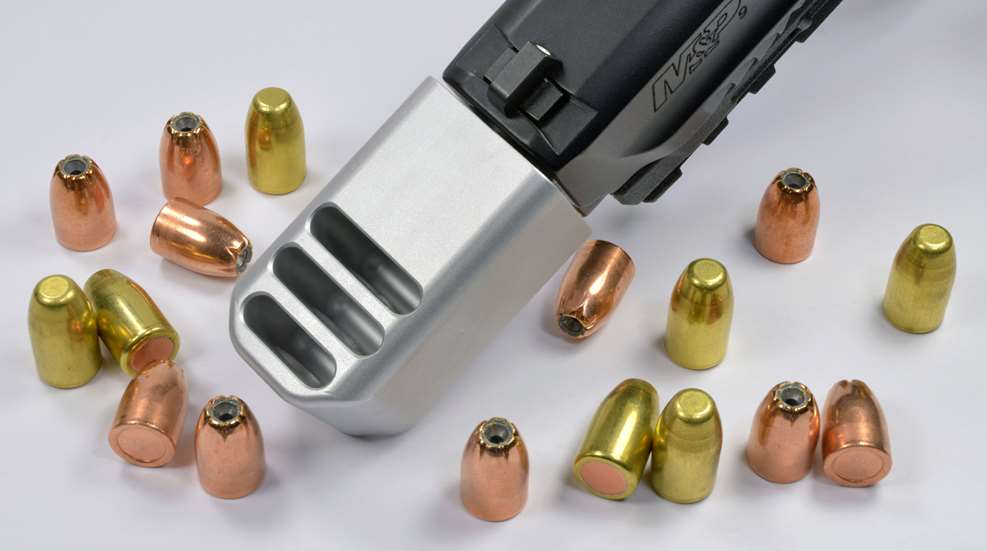
Compensators are becoming more common on pistols. While they have mostly been associated with pistols used in practical competitive shooting, compensators have gained favor for carry guns and range guns.
For reducing felt recoil and muzzle rise, compensators are quite effective. Even a single-port compensator can reduce muzzle rise by about 30 percent. Less muzzle rise means getting the sights back on target faster.
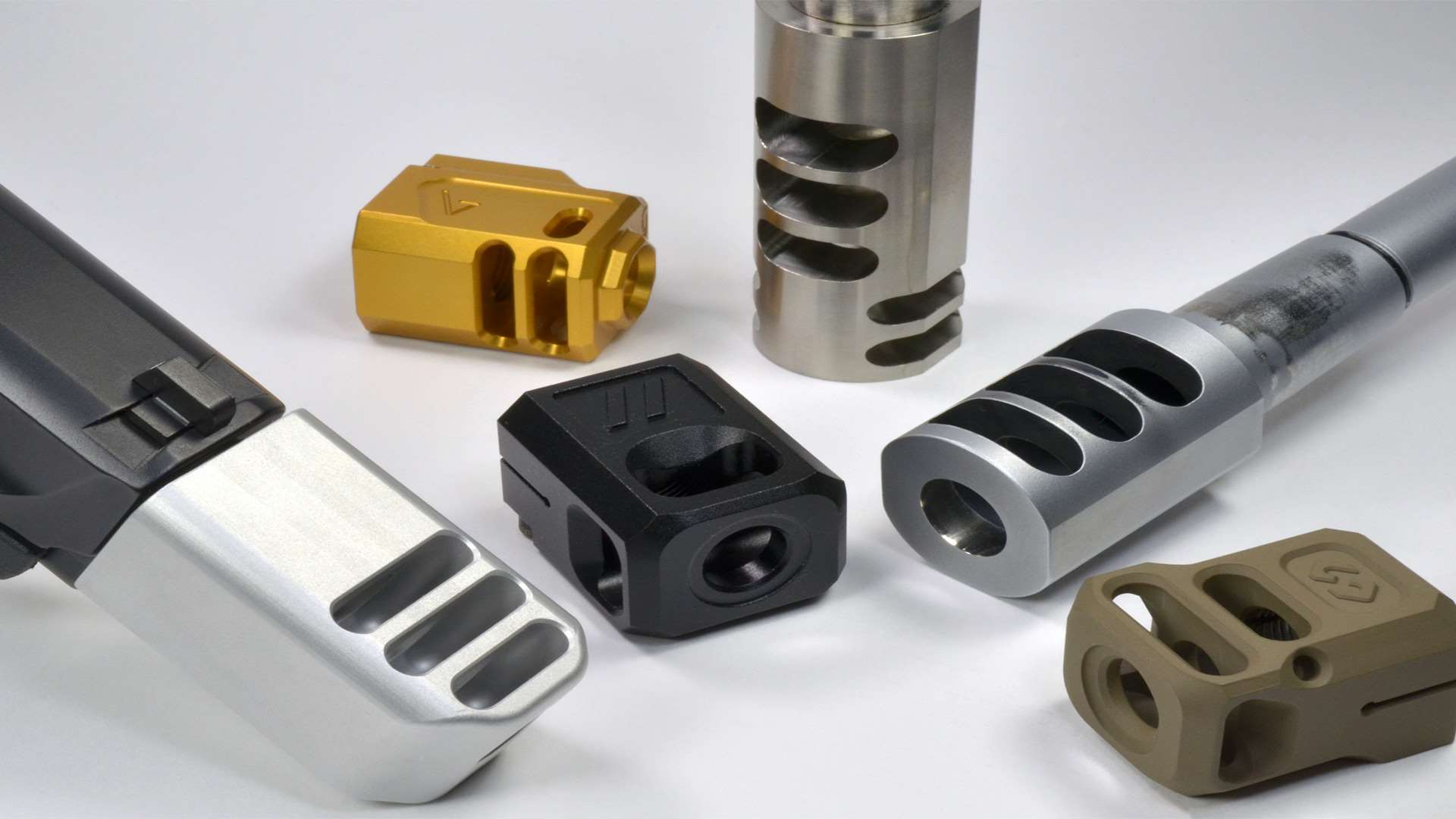
One thing common to all compensators is choosing the type of bullet that is best to shoot through them. Compensators collect crud—black residue generated by burning gunpowder—which accumulates in same way it does everywhere else on the gun. It’s usually worse at the compensator because that’s where the majority of gas exits.
Some bullets leave residue in the compensator that can be difficult to remove, because hot gas exiting the barrel will contain more than gunpowder residue. If the bullet has exposed lead at the base, the gas also contains small amounts of vaporized lead. The burning gunpowder is hot enough to aerosolize some lead from the base of the bullet. Airborne lead accumulates in the compensator, and sometimes requires being dug out with a tool or sand- or bead-blasted out.
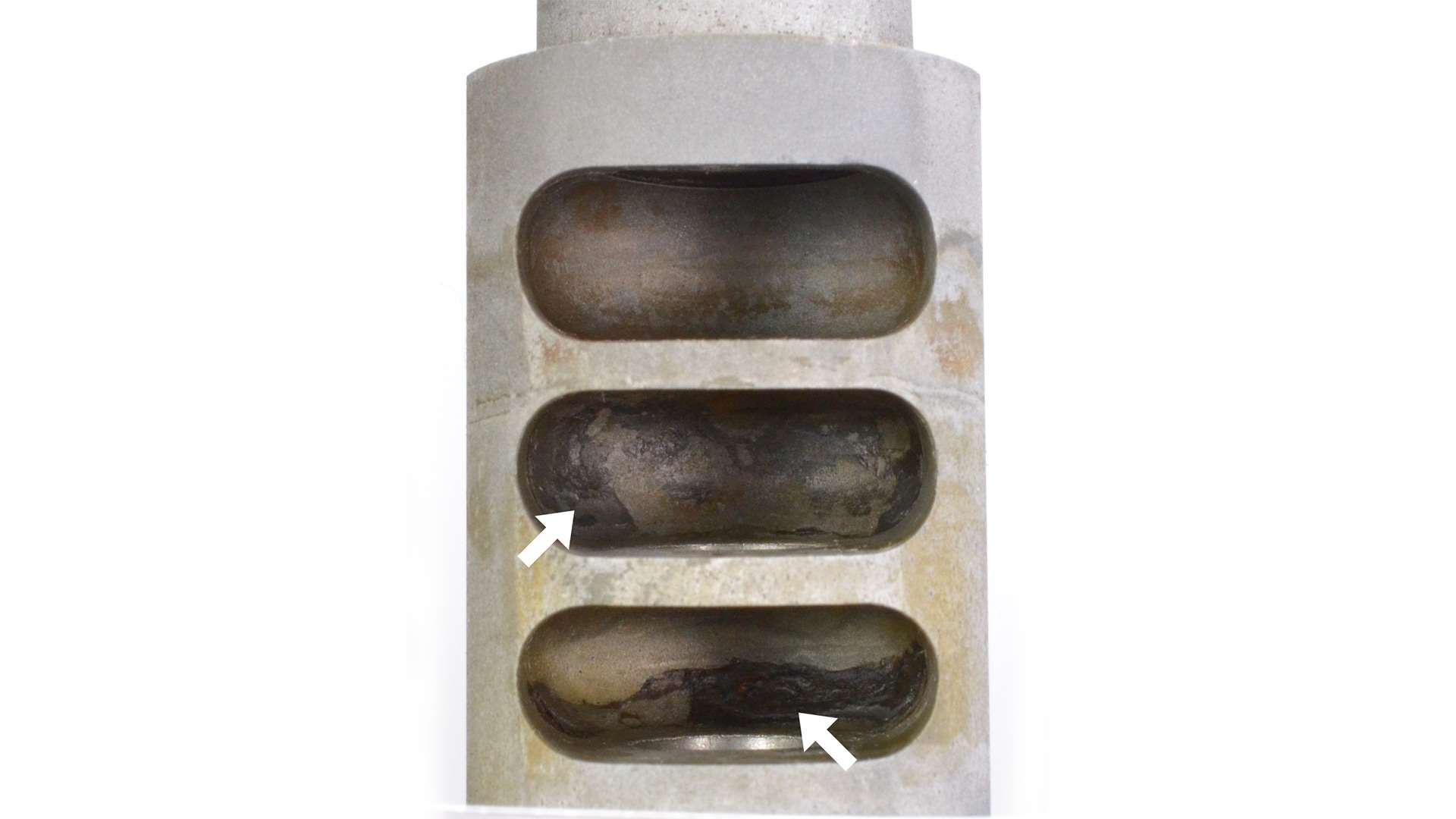
That’s why it’s best to avoid bullets with exposed lead at the base, such as traditional full metal jacket (FMJ) bullets. The metal jacket wraps around the nose, but the lead has to be put into the jacket from somewhere, and that’s the base. This exposed region is where the lead is vaporized from. It’s a minuscule amount of lead from each round, but it builds up in the compensator over time.
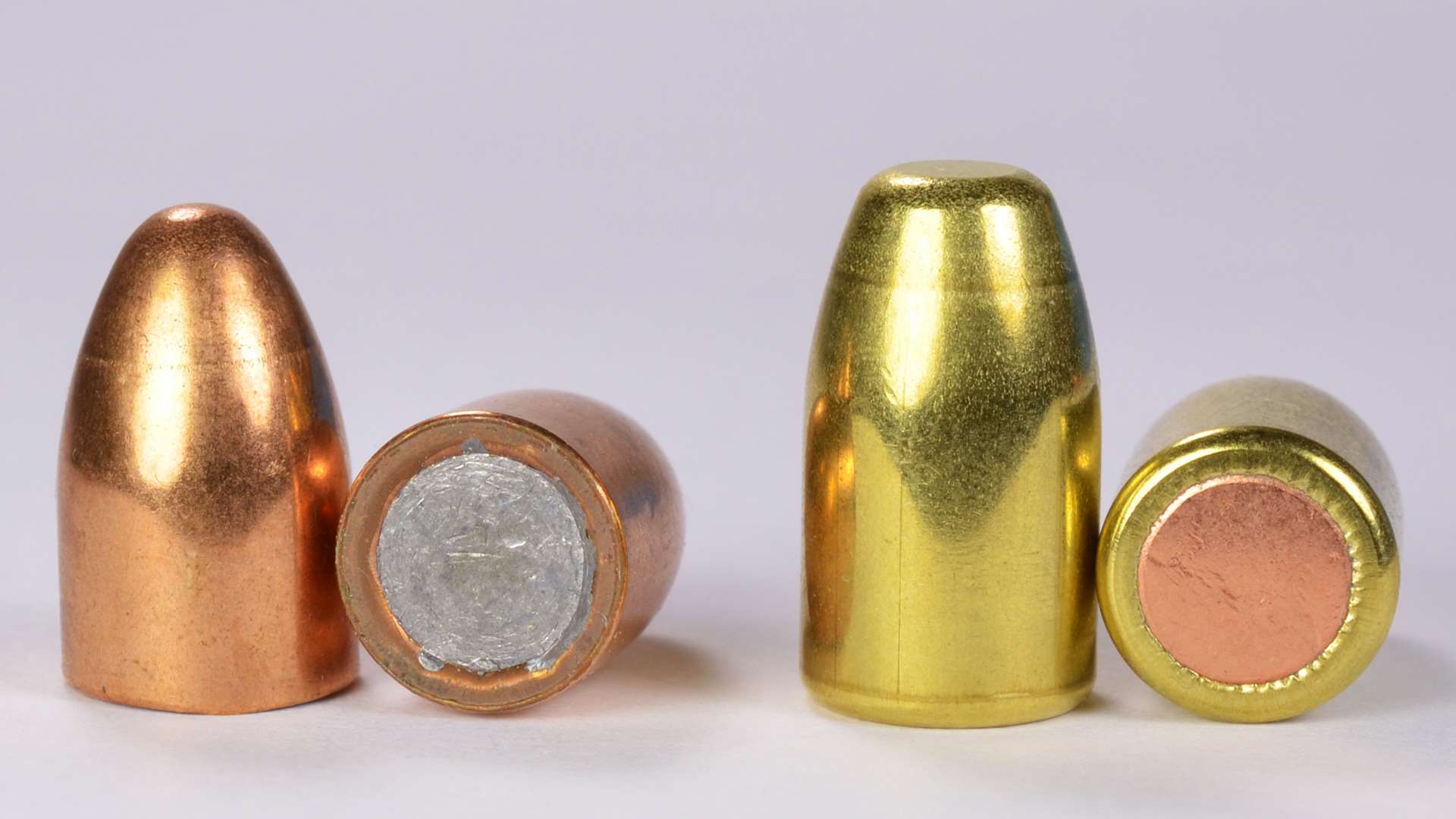
Some FMJ bullets have a thin metal plate covering their base, usually made from copper. This effectively eliminates vaporized lead and prevents lead buildup. They are usually given different names, such as FMJ encapsulated or complete metal jacket (CMJ). These bullets are okay to shoot through compensators.
Lead bullets—both swaged and cast—have exposed lead at their base and they will leave vaporized lead deposits in the compensator.
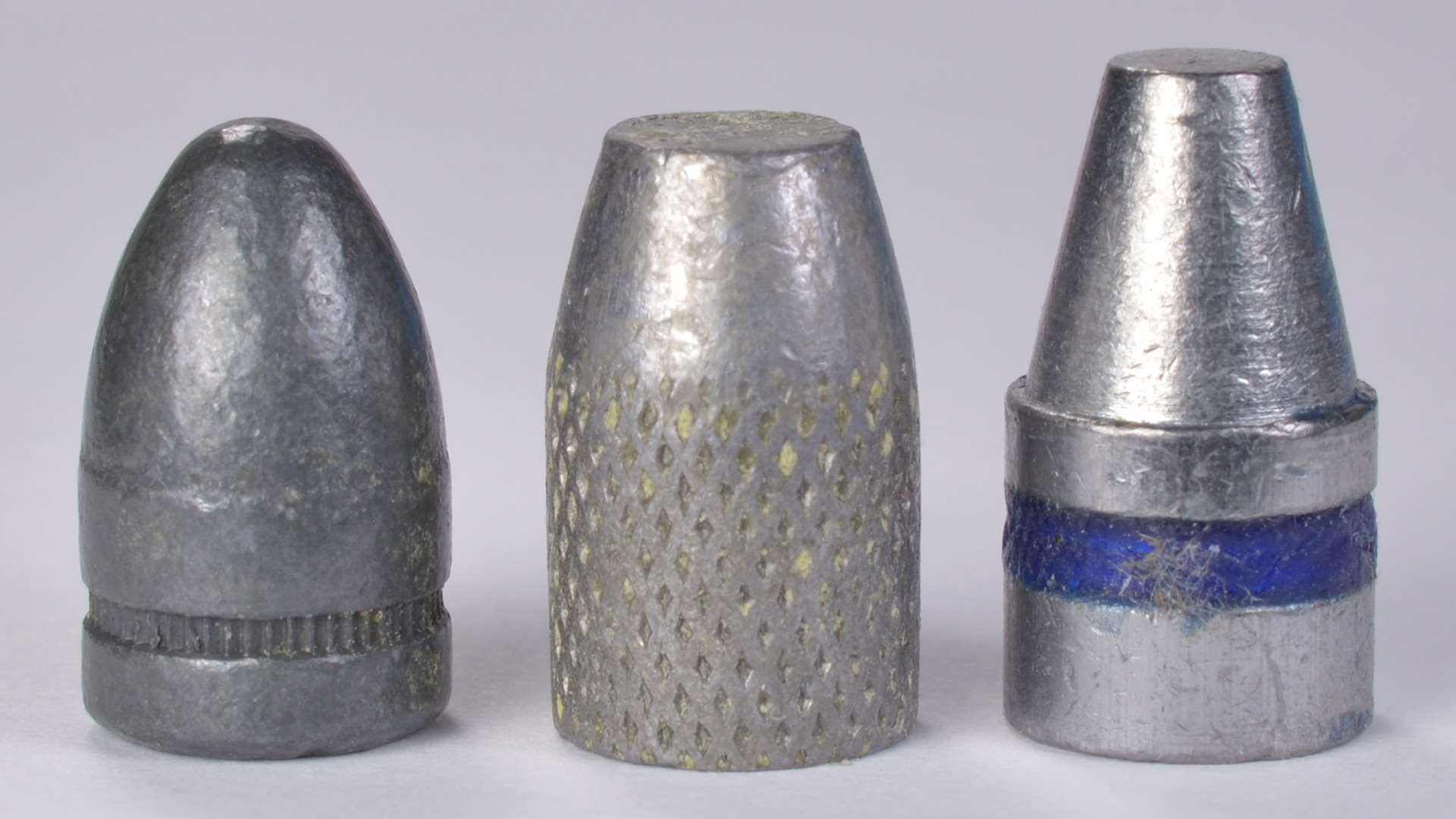
Today, many lead bullets are coated, usually with a polymer which acts as a lubricant. This covers the lead and reduces or prevents vaporizing lead from the base. Some coated bullets still have an exposed lead base because of how they are coated—standing up in a tray, but most all other coating processes coat the entire bullet.
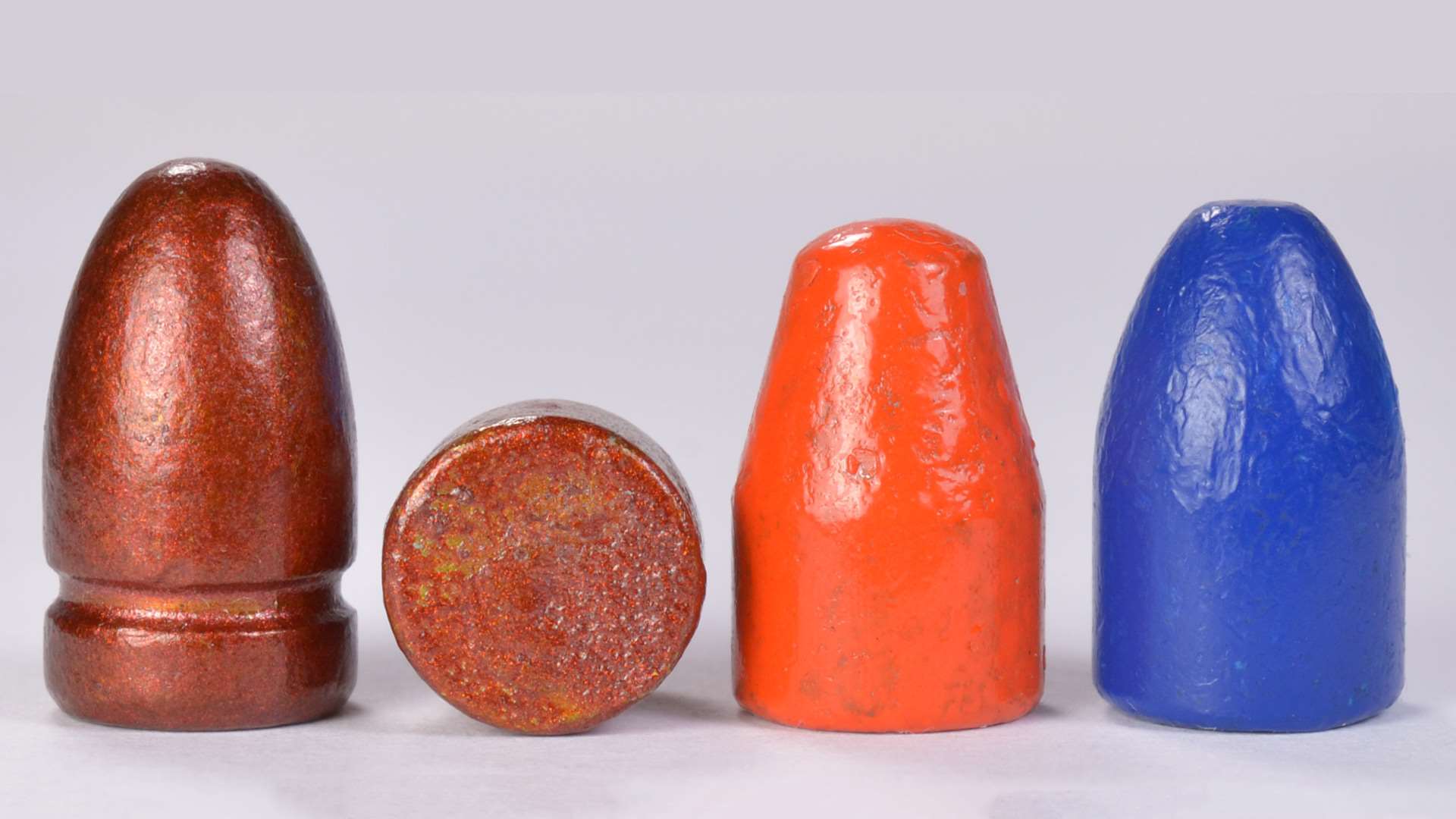
Do coated bullets leave coating residue or lead in the compensator? The jury is still out on this. Some folks on online forums claim they leave no coating residue or lead buildup, while others claim they do. If you’re interested in using coated bullets, check with the manufacturer for their thoughts on using them through a compensator.
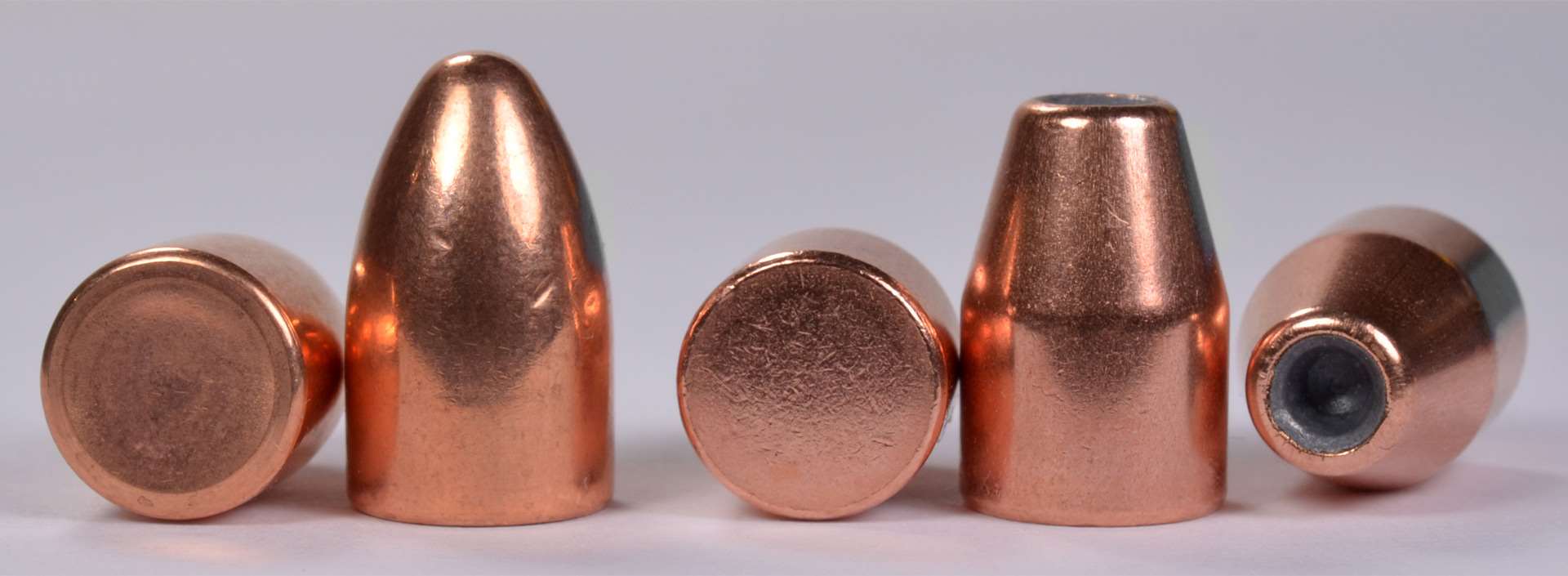
As for the type of bullets that are best for a compensator, the ones that have a covered base, such as jacketed hollow point (JHP) or jacketed soft point (JSP) are ideal. Plated bullets are also good for compensators because the copper plating covers the entire bullet. These are often called total metal jacket (TMJ) bullets. Frangible bullets made from powdered metal are also okay since they are lead-free. For the same reason, solid copper bullets are okay.
You’ll still get carbon fouling in your compensator even with the right bullets, so it will have to be cleaned. Some things are inevitable. The primer compound also contains lead in the form of lead styphnate. However, this seems to be in such small amounts or in a form that easily cleans up with a good solvent. To keep your gun even cleaner in the first place, use lead-free primers. The mixture in these primers significantly reduces the amount of black residue.
There you have it. To keep your compensator free of lead build-up, use bullets with a covered base. It’s that easy.
Read more: 10 Of Our Best Articles On Handloading
Most Popular