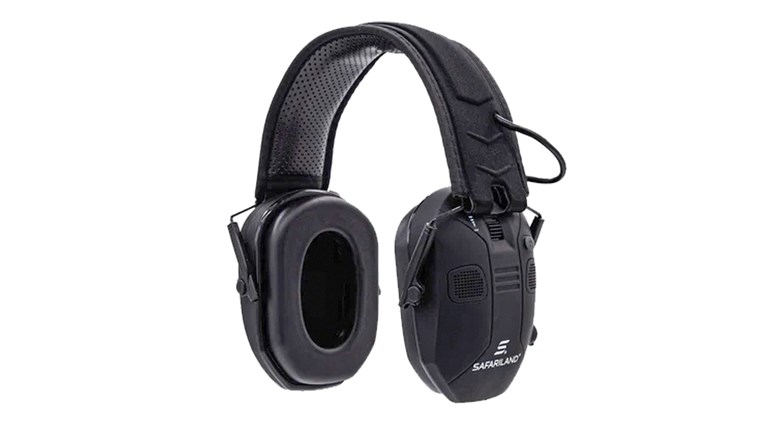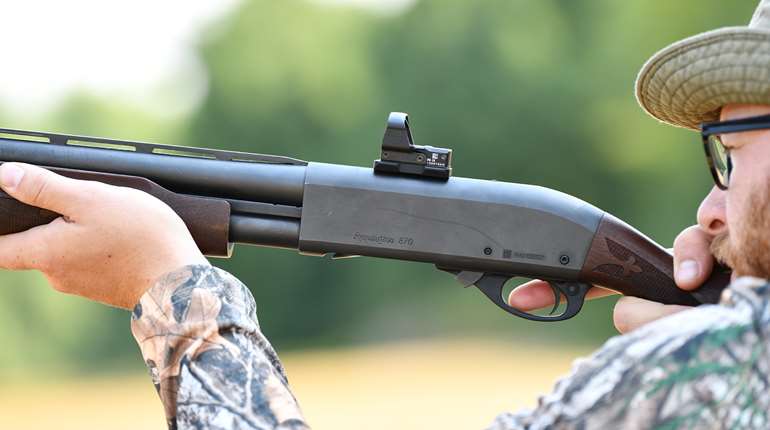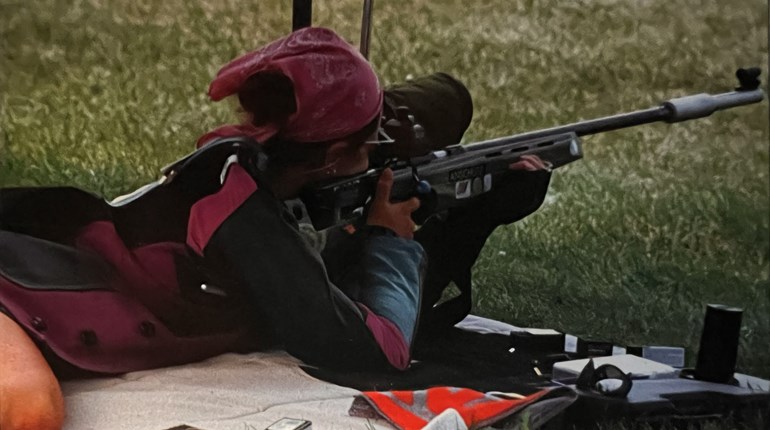
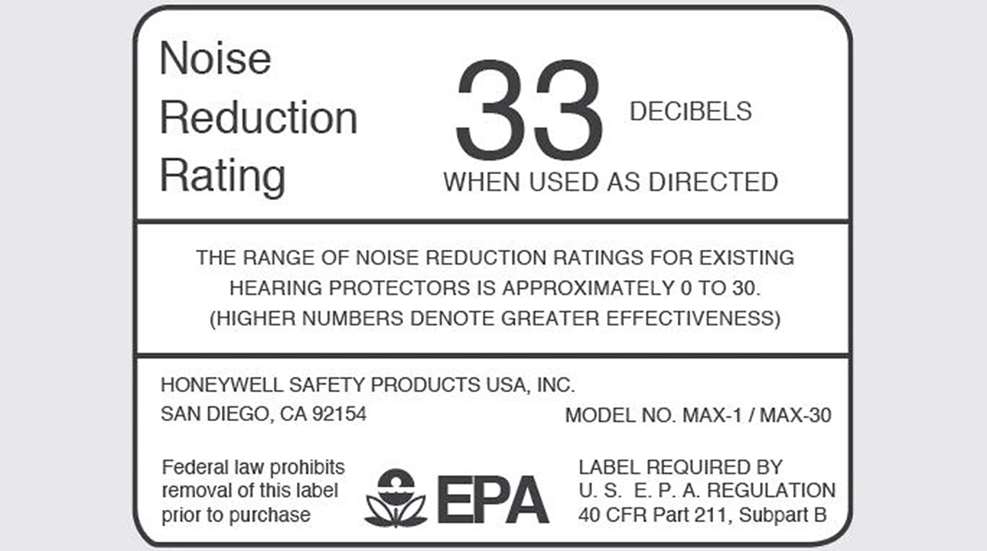
Are you familiar with the term Noise Reduction Rating, or perhaps its acronym NRR? These noise attenuation rating numbers are key selling points for purveyors of hearing protection, and are often the first thing a prospective buyer looks at on the box. Here, we review NRR and its global counterparts, and why you should care about these numbers.
Given in decibels, NRR for hearing protection products are based on lab tests that estimate the passive noise reduction of the hearing protection.
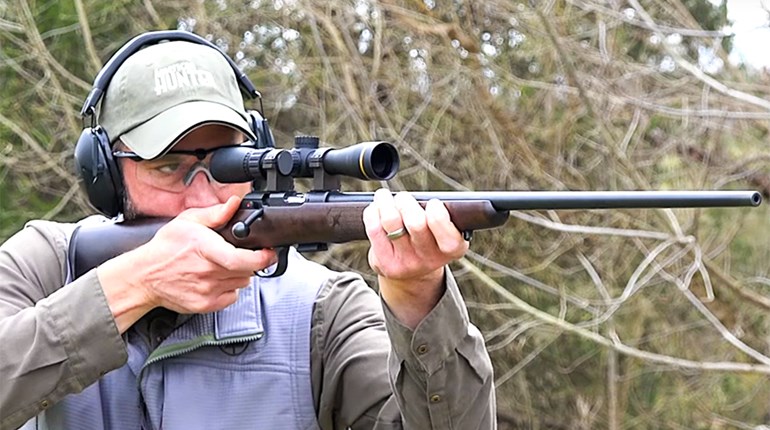
Since most firearms are capable of generating noises exceeding 130 decibels, ear protection is a must-have when venturing to the firing line. Just about every range that you encounter will require you to wear some kind of hearing protection that will keep your ears from receiving any noise that is harmful to hearing, which is anything past 85 decibels.
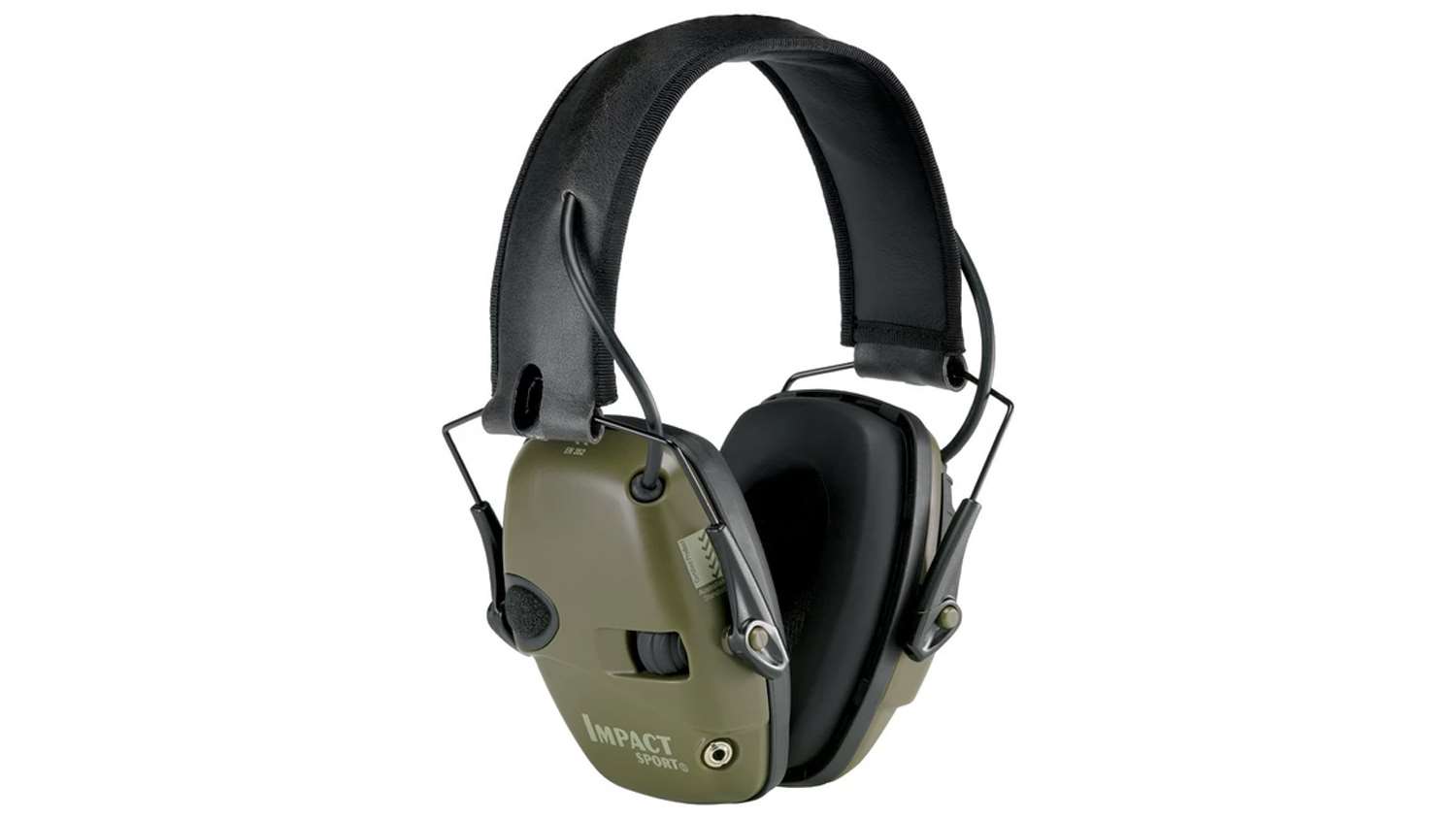
NRR numbers are regulated in the United States by the Environmental Protection Agency, who defines the standards used for testing, as well as labeling requirements for companies that sell hearing protection. If you want to dive into the details, look up the Code of Federal Regulations 40, Part 211, Subpart B-Hearing Protective Devices—where you can learn more than you ever wanted to know about the subject. Put simply, the higher the NRR number, the more effective it will be at reducing noise. But, the NRR does not measure the amount of decibels being reduced. To figure that out, subtract 7 from the NRR and divide by 2. For example, if your hearing protection has a 33 NRR, the actual amount of noise reduction you will experience is 13 decibels (33-7=26, 26/2=13). So, if you are at a place where 100-decibel noise is the norm, with 33 NRR hearing protection on, your noise level will be attenuated to 87 decibels.
NRR is the attenuation rating used in the United States and some parts of Asia, but it's certainly not the only system in use. For example, in Canada they use the Canada-Class system, which separates hearing protection into three classes (A, B or C) that are based on the attenuation levels. In Europe, the Single Number Rating (SNR) is used, which adds frequency weighting of the noise environments where the product will be used.
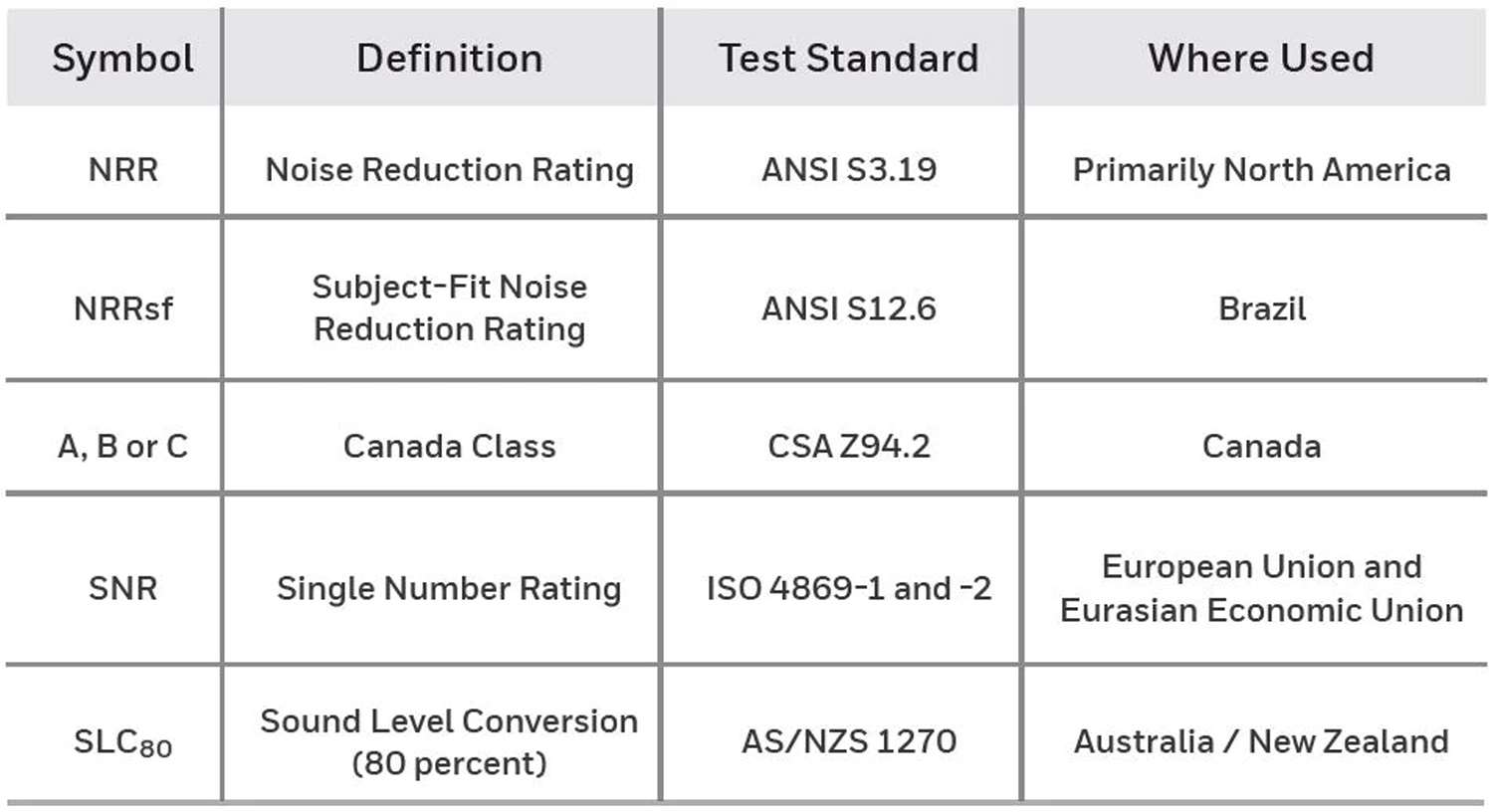
Our friends at Howard Leight have an online guide that has a wealth of information regarding hearing protection attenuation ratings. For example:
All attenuation rating numbers are given in decibels and are based on laboratory tests designed to emulate the passive noise reduction of the hearing protector. They are not designed to predict the amount of protection an individual user will achieve. Higher numbers represent a greater potential for the protector to attenuate noise, when tested under laboratory conditions.
Some final thoughts, whether NRR, SNR, or any other system, the rating number is a sample statistic only. It's the estimate of attenuation an individual would receive if the hearing protection is worn properly, and in good working order.
Photos courtesy of Howard Leight.
See more: 10 Great Choices For Hearing Protection
Most Popular