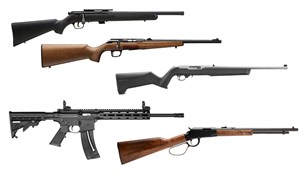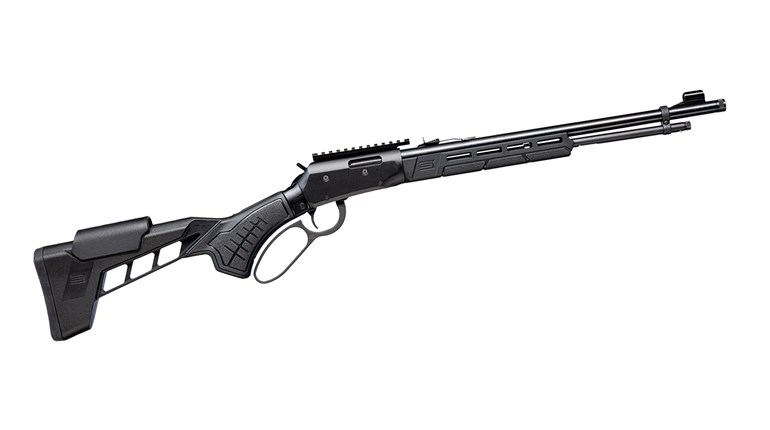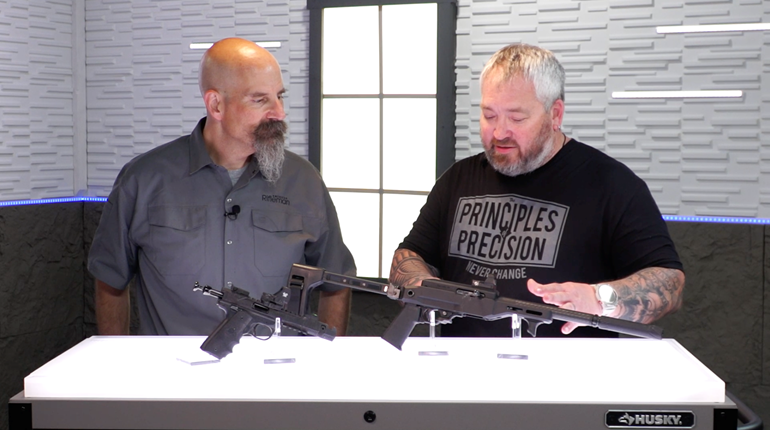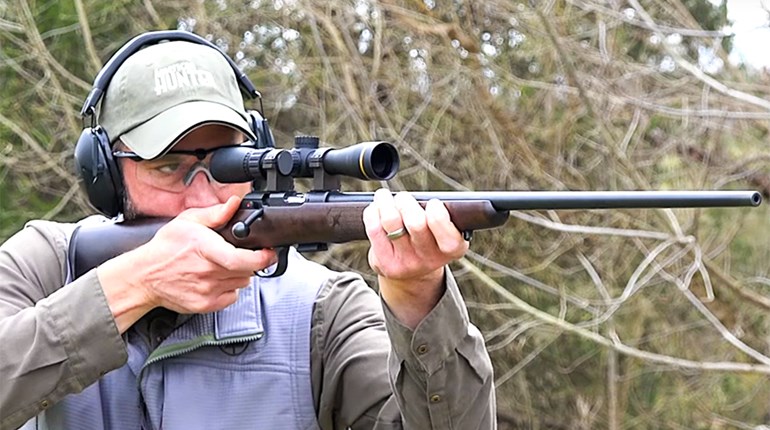
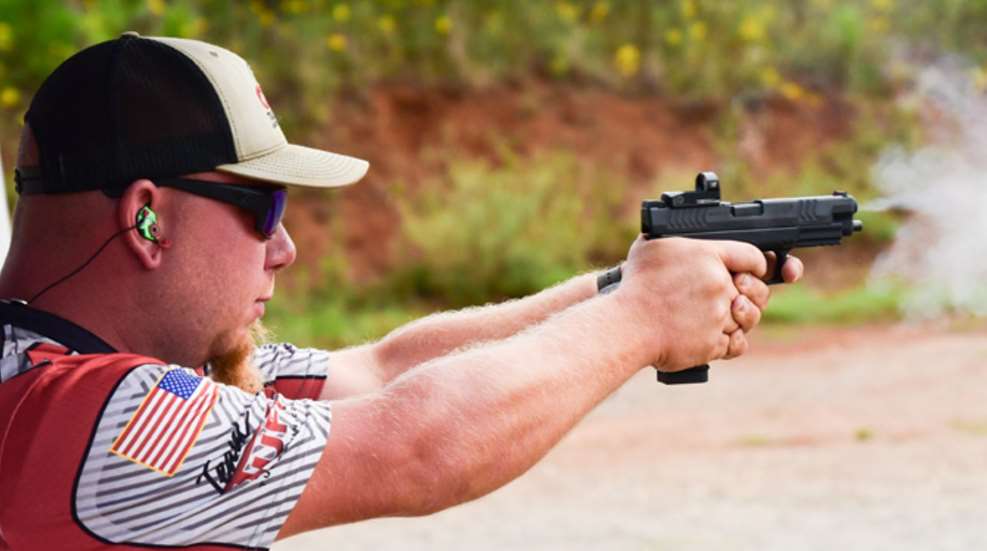
Fact: In the fastest division of the 2020 World Speed Shooting Championships—Rimfire Rifle Open—only 0.95 seconds separated first place from the runner-up? It probably took longer for you to read that sentence than it did for the time difference of who was crowned the World Champion.
Let’s break this down a little bit more. Over the course of eight stages of fire, there are seven stages where the fastest four strings are taken for score, with Outer Limits keeping three strings. Using a simple average across these 31 strings, the difference between first and second place was 0.03 seconds per string.
In Steel Challenge, consistency is key with the growing level of competition, because if you have more than one string with make-ups you can swiftly fall off the podium. Competitive people will find the extra 0.03 seconds or more per string to help give them a leg up on the competition. Some of these gains are technique along with the mental side of the sport, which is arguably the most important. There are others who have the insatiable need to try to find it with their equipment. Needless to say, most competitors that I know prefer to tinker.
Regardless, if you are trying a new rifle setup, the latest and greatest pistol setup or maybe a new colored lens, these changes have to be made in the off-season. Unique to this year is the World Speed Shoot is only seven months from the last one, which does not provide much time to make adjustments to our setups. The typical Steel Challenge shooting season kicks off with the Georgia State Steel Challenge Championship in March. This year, it is being hosted as the South Georgia Steel Challenge Championship and closes with matches held as late as November. This leaves a window of four months to work on new gear.
Four years ago, I learned the lesson I am talking about here. I made a change to an optic setup a week before a major match. Needless to say, it was enough of a difference that it compromised my performance. In this match, the top three spots were separated by less than one second. Unfortunately, I was significantly off my average times because of the visual change. If I were to have a few more weeks with the new optic, I would have been as fast, if not faster.
The process of making a change may seem insignificant, but untested results can be devastating. The important part is to have a testing plan. This plan should have three main components:
- What you plan to change
- A testing period
- How you will measure success
As an example, when I receive a new rifle, I will run 2,000 rounds through it without a malfunction before I make it my "match" rifle for the season. This period of time will be no more than four weeks, to limit environment impacts. If my new rifle performs flawlessly after this planned test, it will be considered a success. Simply going to the range and shooting 500 rounds with one malfunction is nowhere near enough vetting of the setup. If you have one issue, this may be a simple anomaly or it could be a sign of a larger inconsistency.
The cost associated to traveling to large matches can add up quickly; close proximity matches can be attended for a few hundred dollars while further matches can be a couple of thousand dollars. There’s no need to waste your time and hard-earned money because you did not have a proper testing plan for your new gear.
There is enough pressure going to the biggest stage in Steel Challenge and stepping into the box with confidence, or at least not wondering if your gear will run. As you prepare for the 2021 World Speed Shoot, make your necessary changes now and make sure your new gear is ready to run—fast.
The 2021 World Speed Shooting Championship will be held Apr. 14-18 at Talladega Practical Shooters.
Article from the March/April 2021 issue of USPSA’s magazine. Lead photo by Jake Martens.
Read more: Everything You Should Know About Barrels In Action Shooting
Most Popular