** When you buy products through the links on our site, we may earn a commission that supports NRA's mission to protect, preserve and defend the Second Amendment. **
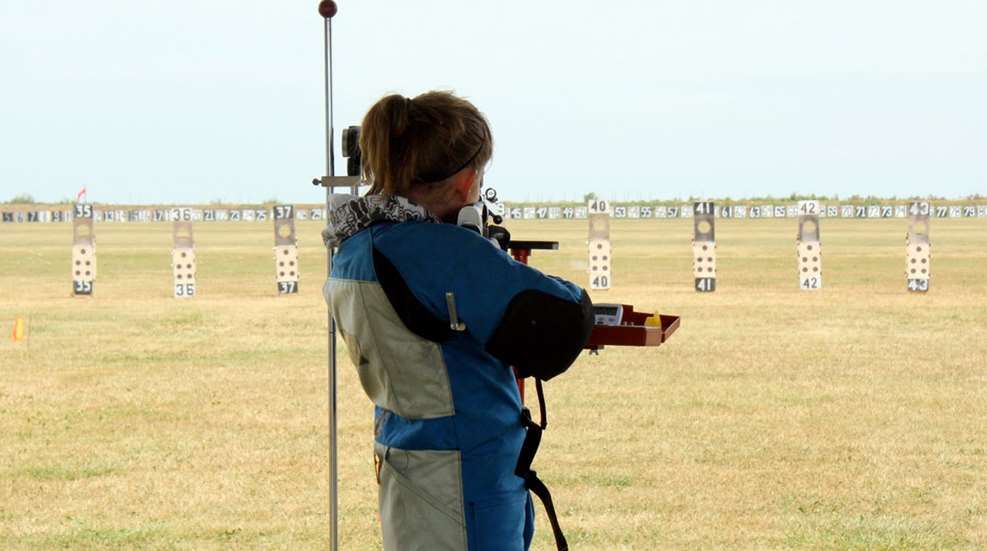
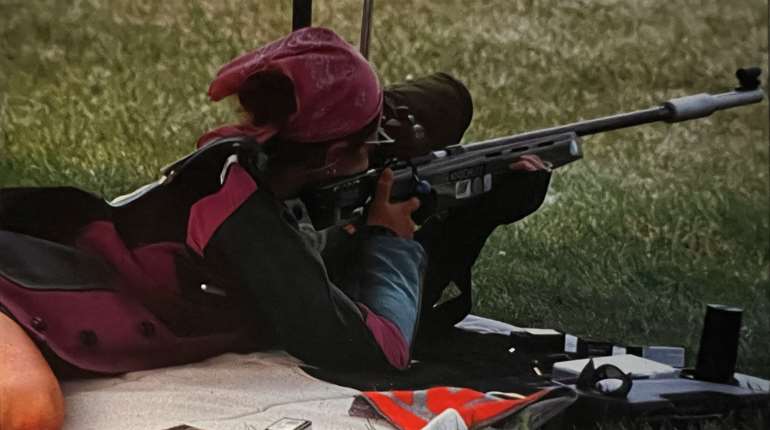
Mirage is the shimmering effect you see in the far distance as you drive down the highway on a summer afternoon. It's caused by the sun heating the ground, which in turn heats the air above, causing it to rise in shimmering, rolling waves. Shooting through a severe mirage is like firing at a target lying on the bottom of a swimming pool. While very distracting, mirage can also help you judge wind speed and direction. Viewing mirage is easiest when seen against a plain background with some high contrast detail, like the black and white of the target or the target numbers.
When there is little or no wind, the mirage seems to boil, wiggle or dance in front of the target. As the wind begins to pick up velocity, say to between two and five mph, the mirage begins to flow in the direction of the wind, and it will carry the apparent image of the target along with it. Thus, while the target appears to be in one spot, in reality it's actually in a slightly different place. For example, on a hot day with a light wind from the shooter's left at 900, the target will actually be slightly to the left and below from where it appears to be when viewed through the sights or scope, and you'll need to adjust your sights or hold slightly to compensate. Once the wind speed reaches about 12 to 15 mph, the visible mirage tends to flatten out and is no longer usable as an accurate indicator of wind speed or direction.
When there is little or no wind, the mirage seems to boil, wiggle or dance in front of the target. As the wind begins to pick up velocity, say to between two and five mph, the mirage begins to flow in the direction of the wind, and it will carry the apparent image of the target along with it. Thus, while the target appears to be in one spot, in reality it's actually in a slightly different place. For example, on a hot day with a light wind from the shooter's left at 900, the target will actually be slightly to the left and below from where it appears to be when viewed through the sights or scope, and you'll need to adjust your sights or hold slightly to compensate. Once the wind speed reaches about 12 to 15 mph, the visible mirage tends to flatten out and is no longer usable as an accurate indicator of wind speed or direction.