You’re working security at the fairgrounds, surfing the web on your smart phone while you’re keeping an eye on things. Suddenly, you hear screams and people start rushing out of the farmer’s market area. Some are bleeding profusely. Then you see the reason. A couple of people, armed with machetes, are slashing at anyone within reach, slicing them with the blades at random. You draw your department-issued handgun and start dodging the crowd to track down the assailants.
Your mission: Score 30 shots—two per “bad guy” target, preferably getting both shots in the most vital area of the body—while negotiating a crowd of innocent shoppers, to clear the market area without shooting any bystanders.
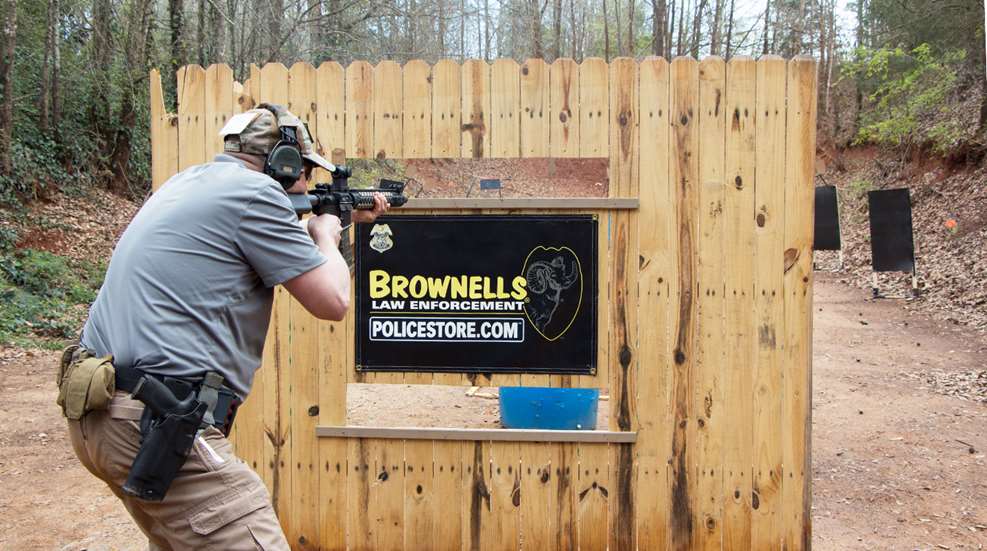
Such was one scenario that was set up during the NRA’s Tactical Police Competition (TPC) in Anderson, SC, earlier this year. About 80 law enforcement officers competed in the weekend event, one of several held each year, designed to provide practical, live-fire opportunities for police and sheriff’s deputies.
A TPC match is one NRA law enforcement training option that follows the philosophy of “bringing the street to the range,” according to Marc Lipp, the NRA’s law enforcement competitions manager.
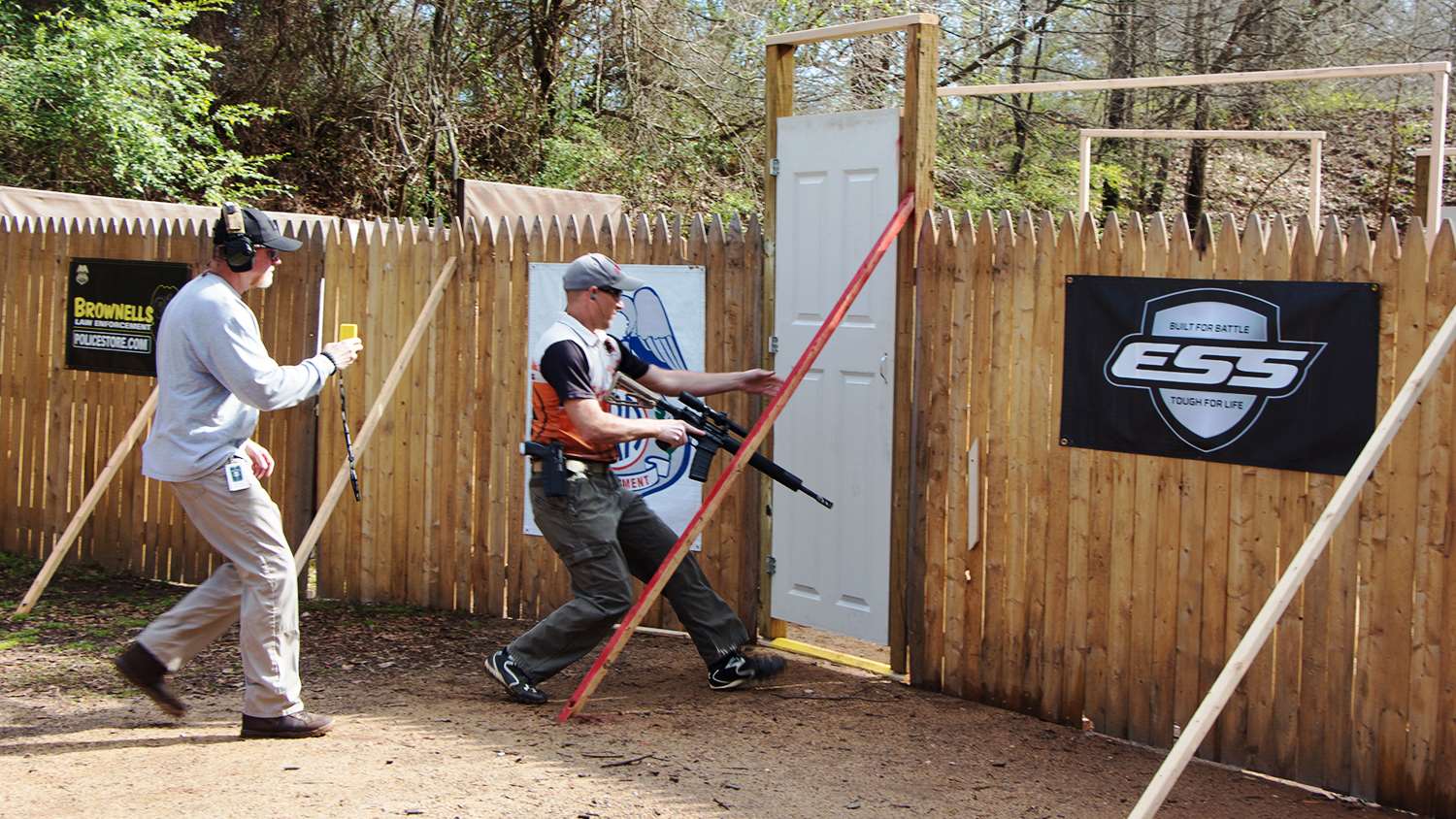
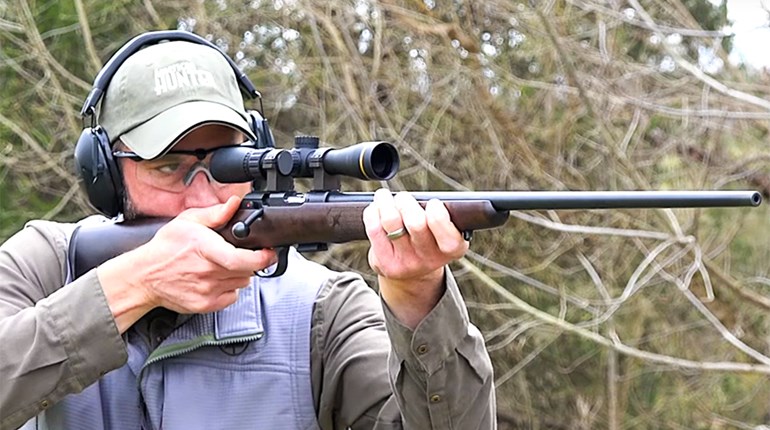
TPC matches typically include four to 10 courses of fire, each of which calls on participants to abide by certain procedures. Sometimes, the directive calls for using a handgun only; sometimes, the shooter has to switch off between a rifle, shotgun and handgun to complete one course; sometimes, you start with a rifle but there is a designed transition to your handgun as a back-up.
The objective is to challenge the officer’s skills, not just in terms of hitting a target, but also with respect to assessing threat situations, firing from unusual shooting positions, deciding how best to navigate a course in the fastest time with the greatest chance for hitting all targets with disabling shots, skirting obstacles, moving from cover to cover and managing ammunition. All those aims go toward the goal of instilling in law enforcement officers the ability to balance the paramount need for accuracy with speed, Lipp said. And according to the participants, the TPC achieves its objective, partly because of the variety of scenarios that the match offers.
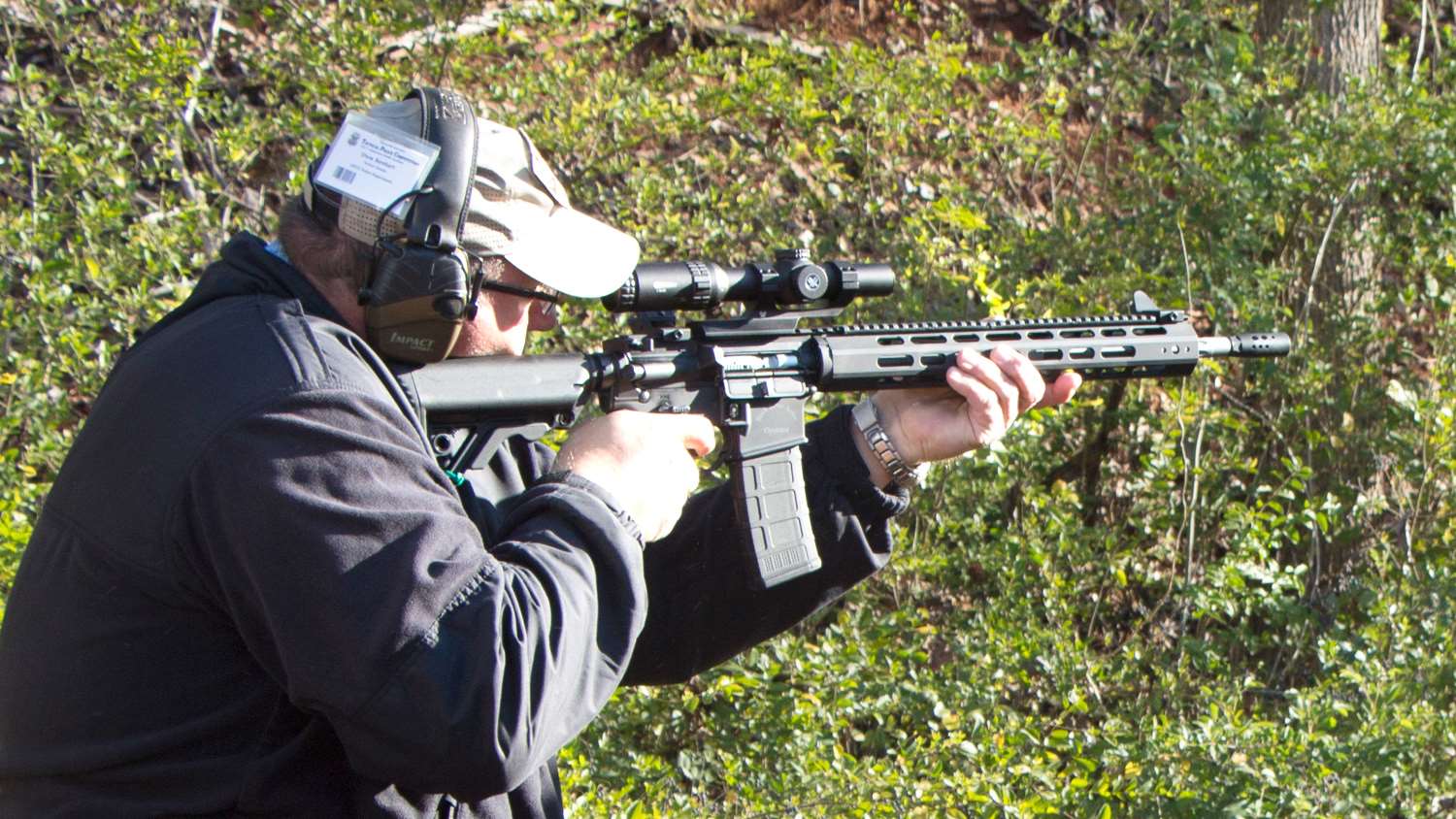
One law enforcement officer (LEO) from Georgia talked about his favorite course, which was a blind stage, where competitors were not allowed to do a walk-through that helps in planning their tactical approach. Rather, the shooter was set up with a maximum of 28 rounds in a patrol rifle, though they could transition to their duty handgun if they ran out of ammunition. This set-up called for the officer to act as first LEO on the scene of an active shooter at an office building, with backup at least 10 minutes away. Upon hearing gunfire, the participant knows they can’t wait for others to arrive, so they have to go in blind and track down the threats.
“That was probably closest mock scenario to the type of situation we might encounter,” the Georgia LEO said, “because we had to enter the unknown, figure out the situation and make it [clearing the building of ‘bad guys’] happen.”
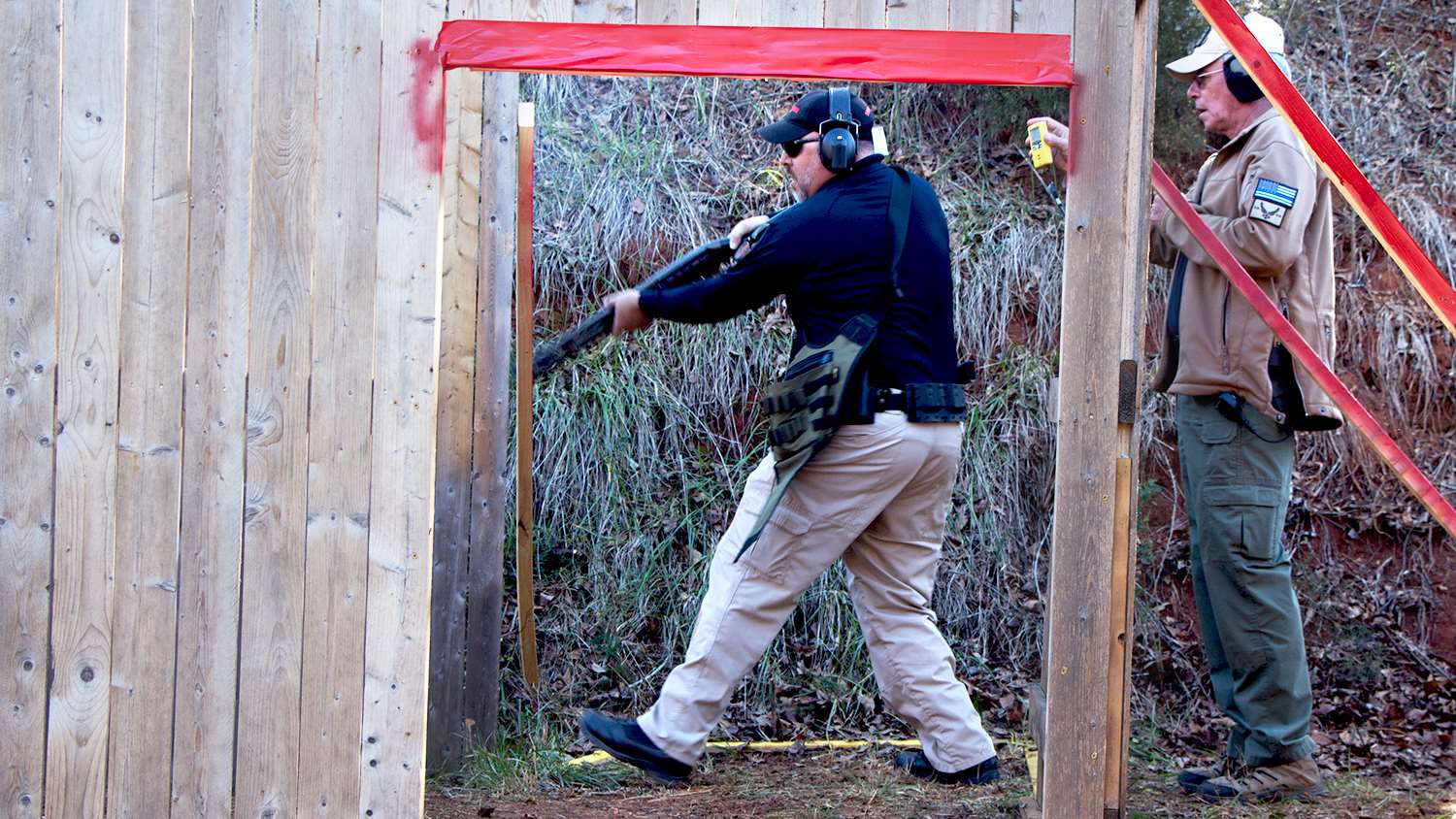
More than that, though, are the practical skills that the officers get to hone. One of the courses was designed to force shooters to fire their rifle from both their dominant and non-dominant sides. Not so important if you’re just target shooting at a shooting range, but a key survival strategy on the streets, where you want to stay behind cover as much as possible and expose as little of your body to the thugs you’re going up against.
“I’ve used those skills in my career, definitely,” said one LEO who has been called upon to participate in tactical operations, “and the competitions like this really help me identify my weaknesses. They take you out of your element and give you the chance to learn what skills you have to train on.”
One LEO from an agency in a southern state said this was not his first shooting competition—far from it—but it was his first NRA TPC. He compared and contrasted this type of offering to similar ones that are open to civilians, like 3-Gun and USPSA events.
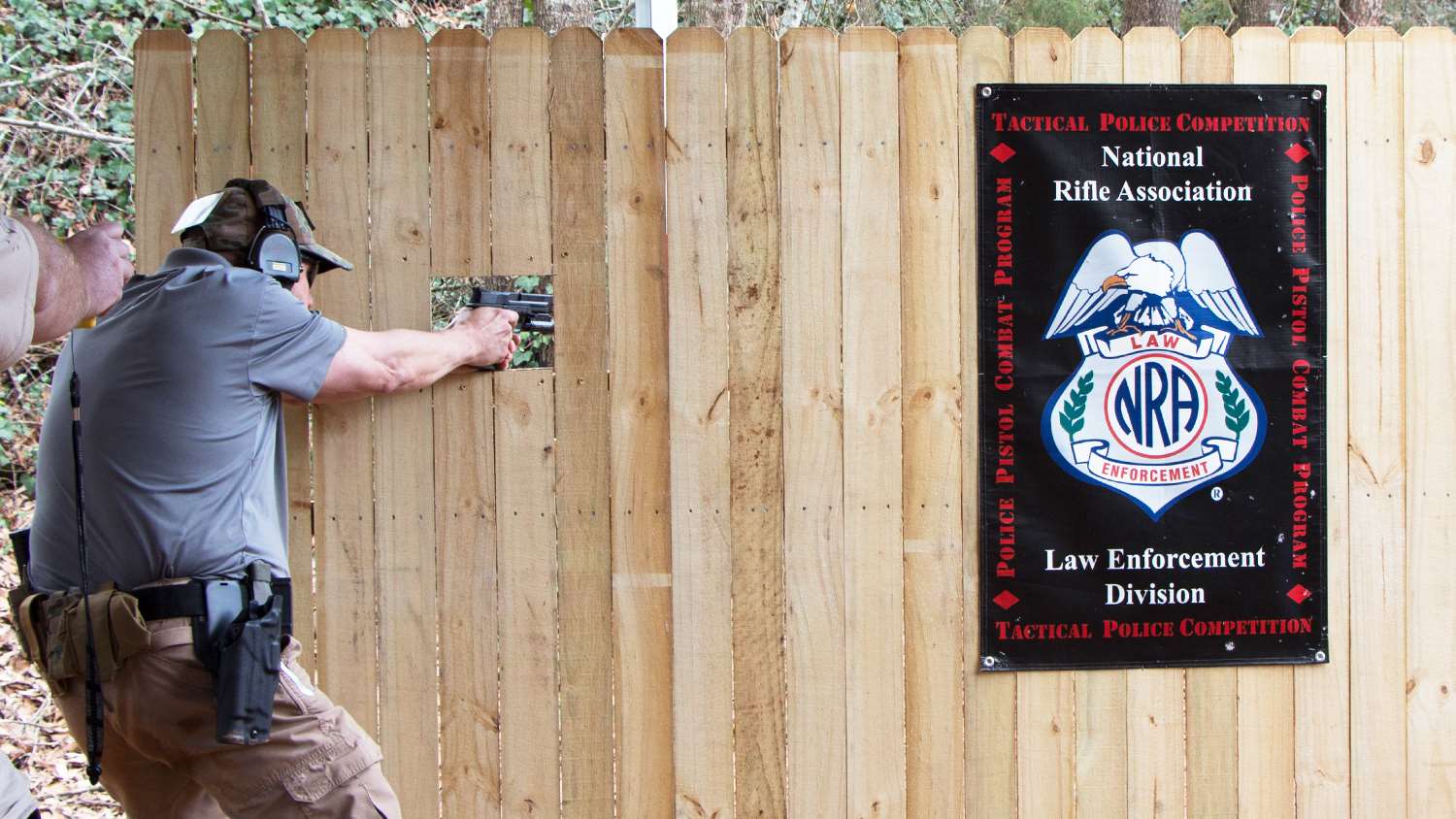
“First, the scenarios are more LE-based, like what you might encounter on the job,” he said.
“And you have to use your regular [department issued] handgun and rifle. That makes a big difference, because it levels the playing field. It takes away any advantage that some of the race guys, who typically compete where speed is most important, might have."
The NRA’s Law Enforcement Division offers an array of training programs and competitions. To learn more, visit le.nra.org.
Most Popular