If you haven’t already, please read the first part of “Climbing the High Power Ladder.”
Moving through Sharpshooter to Expert is quicker when there’s more effort put toward improving shooting mechanics. I don’t think it is possible to improve all that much solely via some sort of osmosis where it’s possible to get better through range time. No. You need to dig in and learn better ways, maybe even some different ways, to approach everything from the stance to the grip to body part positioning. You need to go more deeply into the “how-to.” “How-to” develop a stronger offhand position, how-to exercise better triggering mechanics, how-to build a sturdy, stable sitting position, and on down the list.
This is the experimentation phase. This phase may not end.
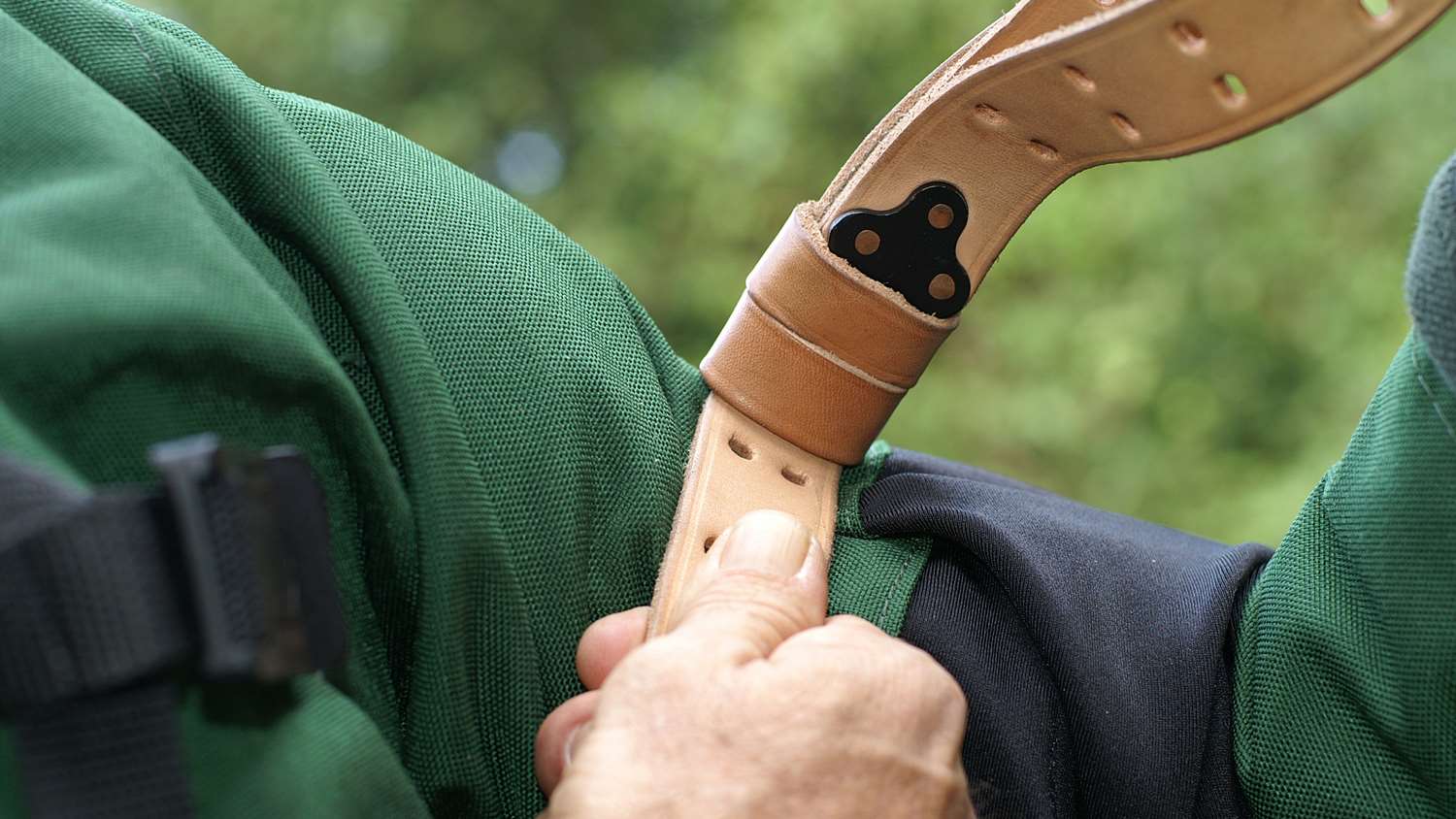
I’m not here to dictate any one set or sets of mechanics, although I surely could (set after set after set; I’ve tried a lot of different things) but the point is to first identify what it is that you do, and also what it is that you want to do! And then start working. It’s really as simple as watching sight location and movement, making an adjustment in shooting position, and the idea is to see a better and better hold, which is a hold that remains nearer center longer. Start feeling like you’re in the same position, always in the same position, that everything feels the same, and that it’s serving you well, on each shot. That means looking completely and critically at the current points of position mechanics you’re using.
As said, there’s a point where you have to define your shooting position mechanics. However, there’s never a point where those mechanics can’t change. The point is know what, specifically, it is that you do so you can find areas to improve and changes to try. You must have a “control” shooting position, something to work from making positive changes, and something to return to when the experiment didn’t return the wanted results.
I strongly suggest making one and only one change at a time. Some changes will require other ancillary compensations, but don’t throw too many things at yourself at once. Don’t decide to change right arm position, supporting hand position, and stance alignment concurrently, for example.
When you’re making changes in shooting positions, give them each some time, but not too much time. Something new may feel awkward the first time it’s tried, like going to a hip-supported standing position, or moving from a crossed-leg to a crossed-ankle sitting position. There are numerous nuances and shifts and adjustments that need to be made to settle in to something new. Work with it, but abandon anything that’s clearly not working for you. Try something else. We’re all different, and built differently.
I’m a big believer in visualization. For an essential description, that means being able to clearly “see” in the mind’s eye what you want. I strongly believe that if you can see it you can do it, and the biological mechanisms that support this are undeniably influenced. We operate from nerve impulses that control movements, so seeing something over and over again—perfectly clear (and that’s a key)—is the same effect as rehearsing it “physically.” I recollect David Tubb sharing the value of visualization to his skill development. In one of many, many hours of conversations we had preparing a book manuscript, David said: “I can shoot an offhand string right in the middle of a conversation …” His visualization skills are honed to the point that he said he visualized shots he would, in reality, take even if they weren’t perfect (meaning 10s along with Xs). The point is that David didn’t in essence make any distinction between what he imagined and what he did. When those things become the same things—when they are equitable and congruent—that’s a powerful component in improving scores.
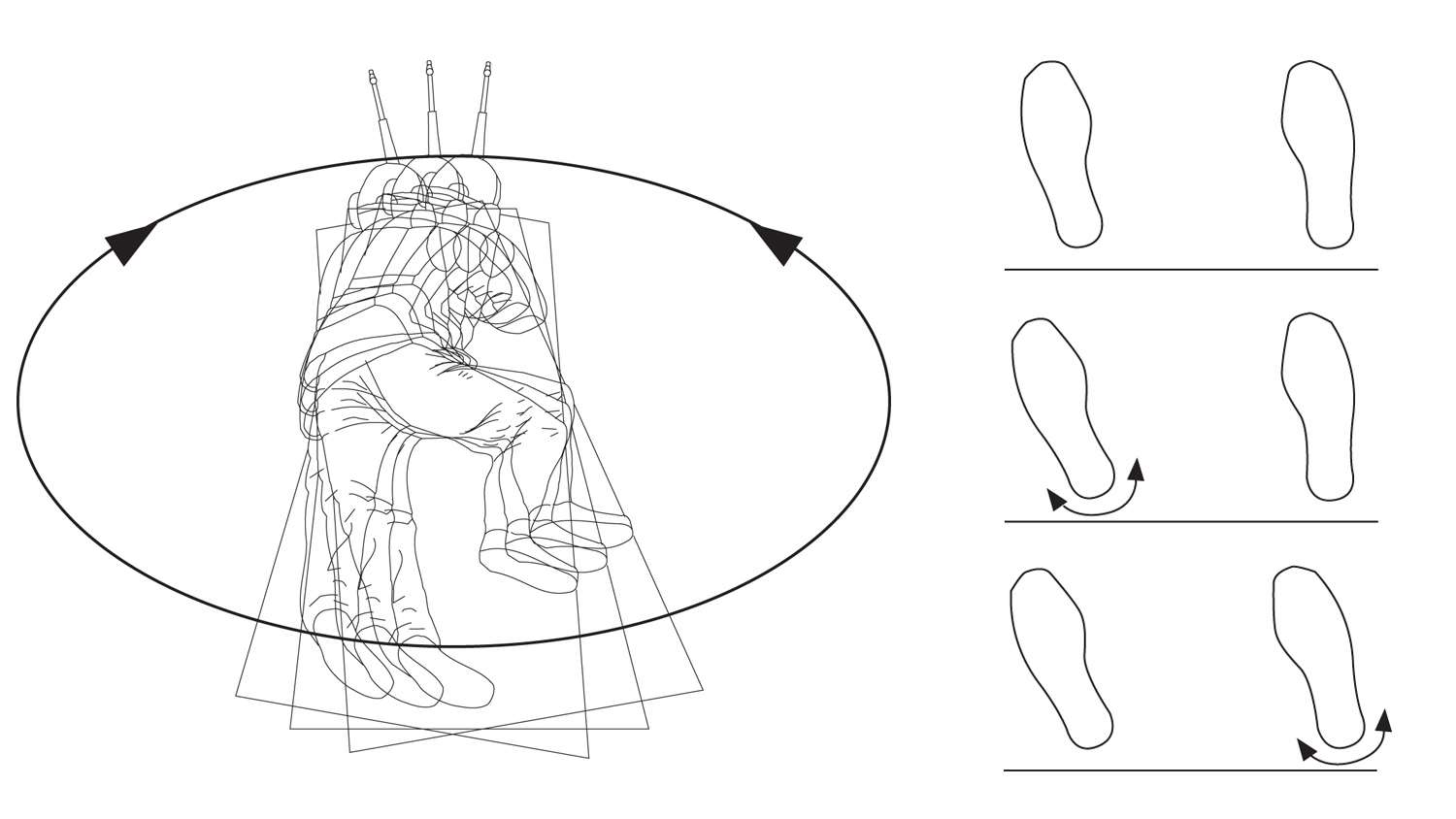
After you clear Sharpshooter and move toward Expert, it’s more of the same. Improving the hold and the consistency of each shot attempt. You work on developing and defining your personal set of mechanics. Things that start to matter more making the shift up to the 90 percent range include being keenly, continually aware of natural point of aim. Each position, each shot, every time. Natural point of aim (NPA) is where the sights naturally “look” when the shooting position is neutral (static and unforced). The most accepted means to determine NPA is to close your eyes, get settled, then open your eyes and see where the sight is. If it’s not on the target where you want it, then shift body alignment until it is. This is very important. Correcting lateral NPA is an alignment issue, not a position mechanics issue. Again, it’s where your position is locating the sight. Rotate left or right, as if you were on a phonograph turntable, to get centered left and right. Vertical NPA correction often requires a position adjustment. Altering supporting hand positioning or even the amount of air held during a shot attempt held settles vertical NPA.
“Hold” is where you put the sight. Hold and NPA need to coincide. If they don’t, NPA wins out every time. When NPA wins, it’s the little, subtle shift that often occurs just at the moment of firing. Watch for it.
A big part of this now is sorting out the equipment, and ultimately settling on it. This can also be the “much-more-expensive” phase! Chances are that you might have entered competition with “starter” gear or you made equipment choices based only on the advice of others, observations of what others were using, and so on, but the choices you made were not, at this point, based on personal experience. Now go out and get that experience.
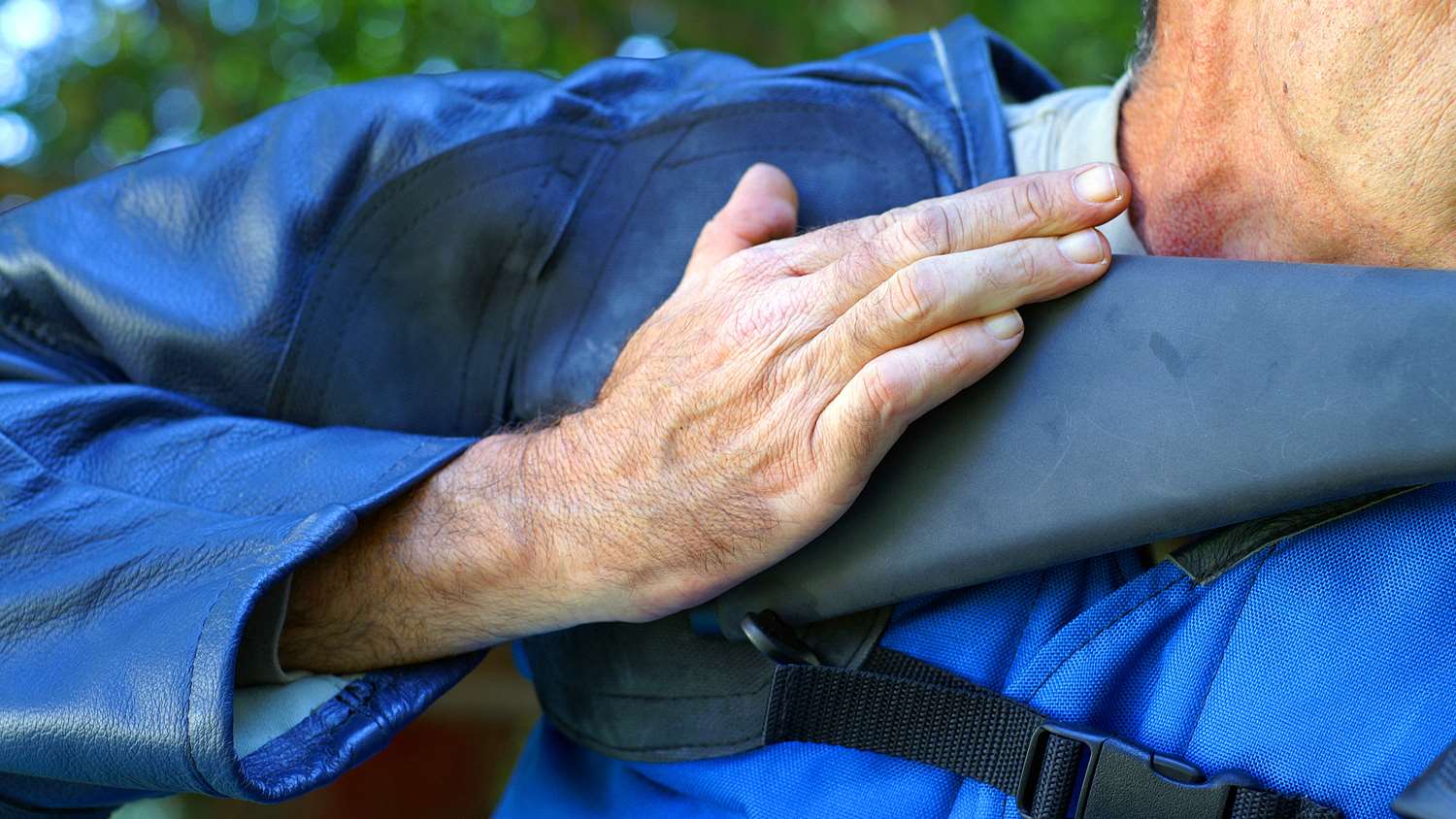
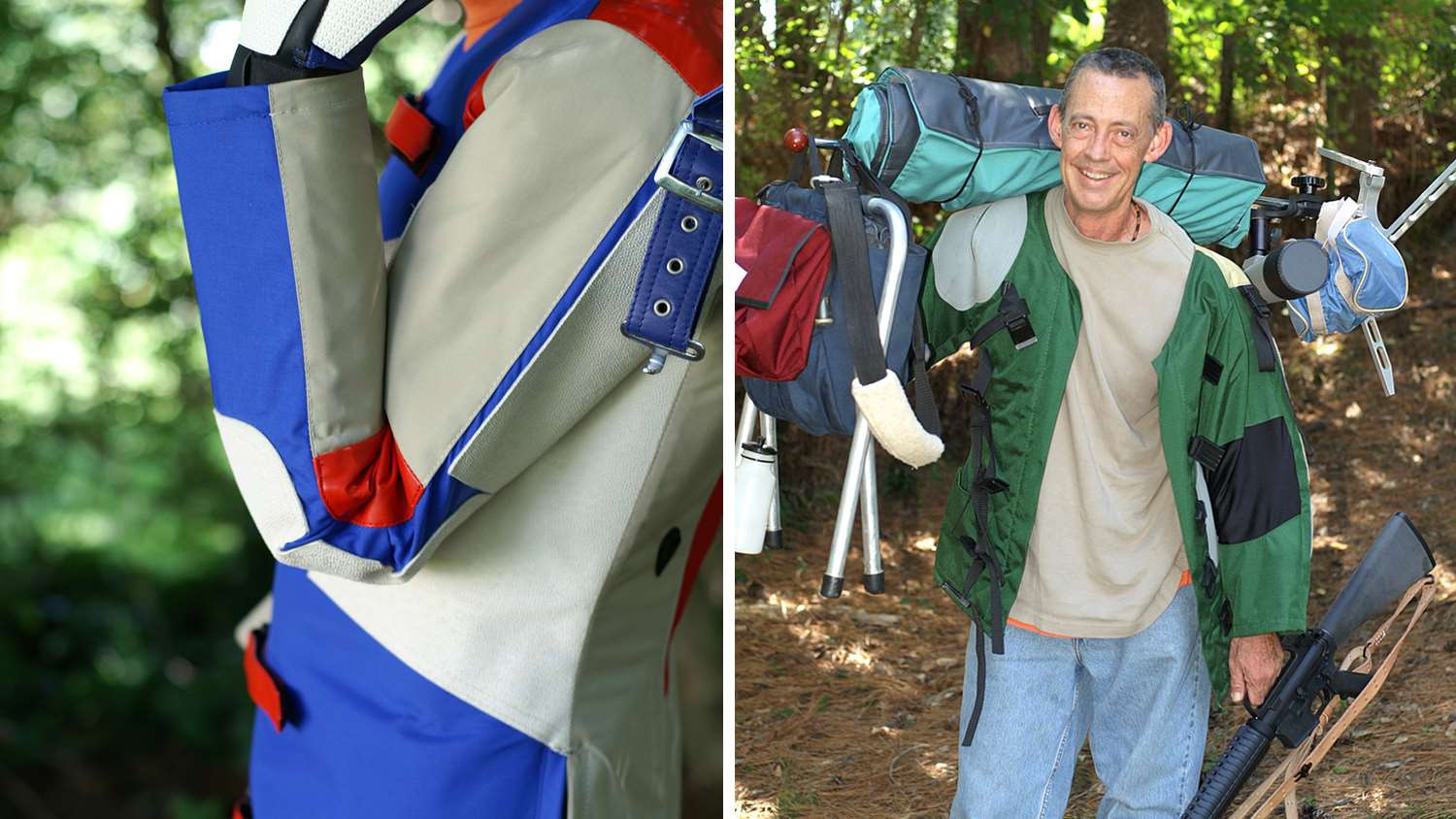
I wrote an entire book on the topic of High Power Rifle kit, but still cannot tell you exactly which specific brands and models to get. It really depends. Not all coats are the same, they’re not all cut the same, shaped the same, and neither are slings, mats, gloves, and even hats. They’re all “good,” just different. And—no kidding and for instance—finding the right coat for you, for your build and position preferences, makes a major difference in how well you will be able to perform. That’s the same with other personal gear, like your gloves.
If there’s a good High Power Rifle community at your range, that’s a good chance to see and maybe use some of the options. Otherwise, and I’m sad to say, you might just have to buy-and-try a few things until you find the best matches. You also may become all too familiar with the tailgate-yard-sale routine.
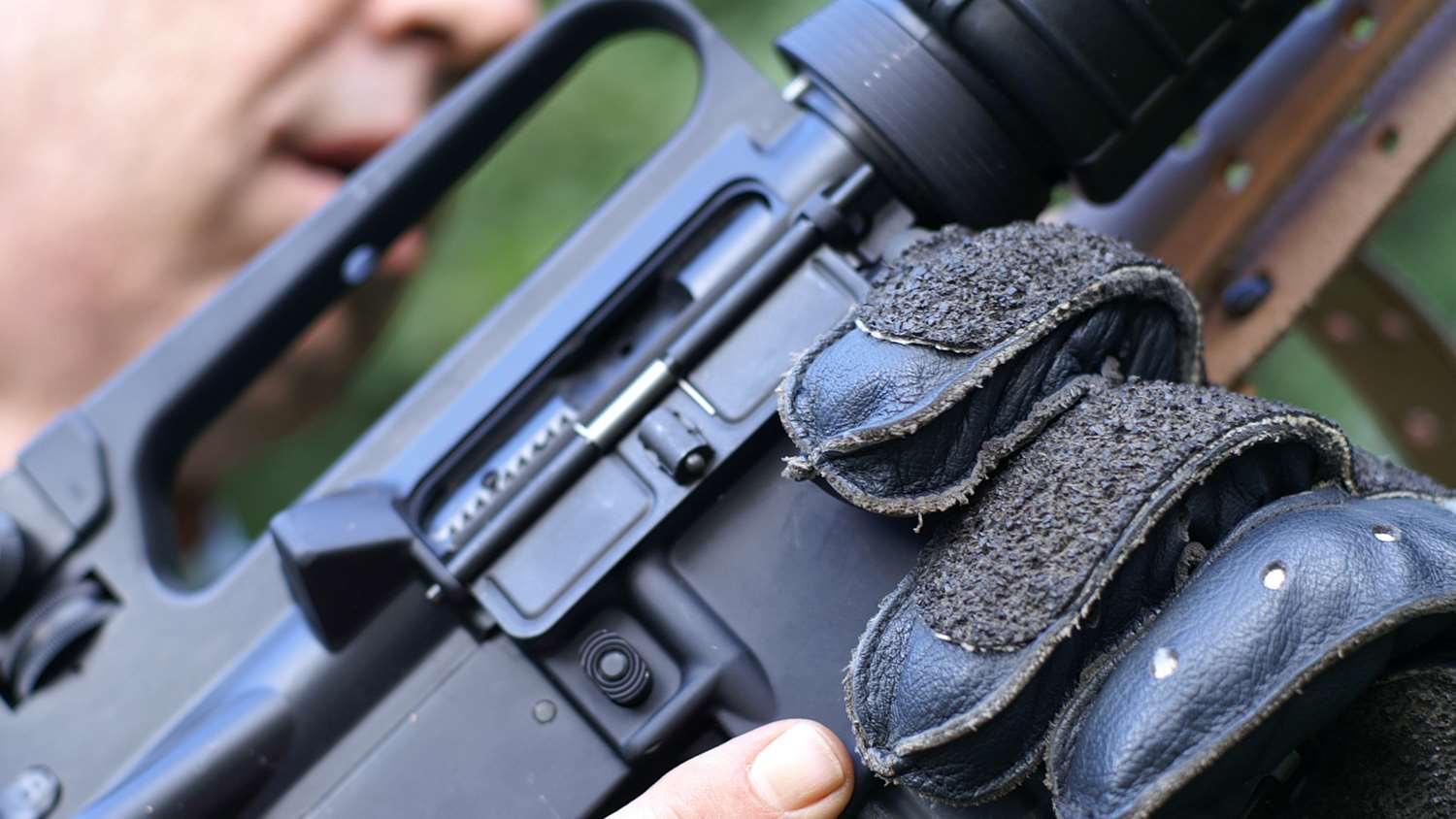
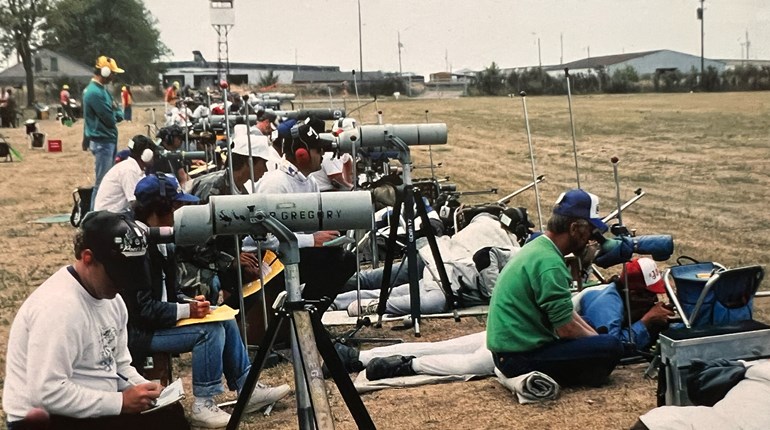
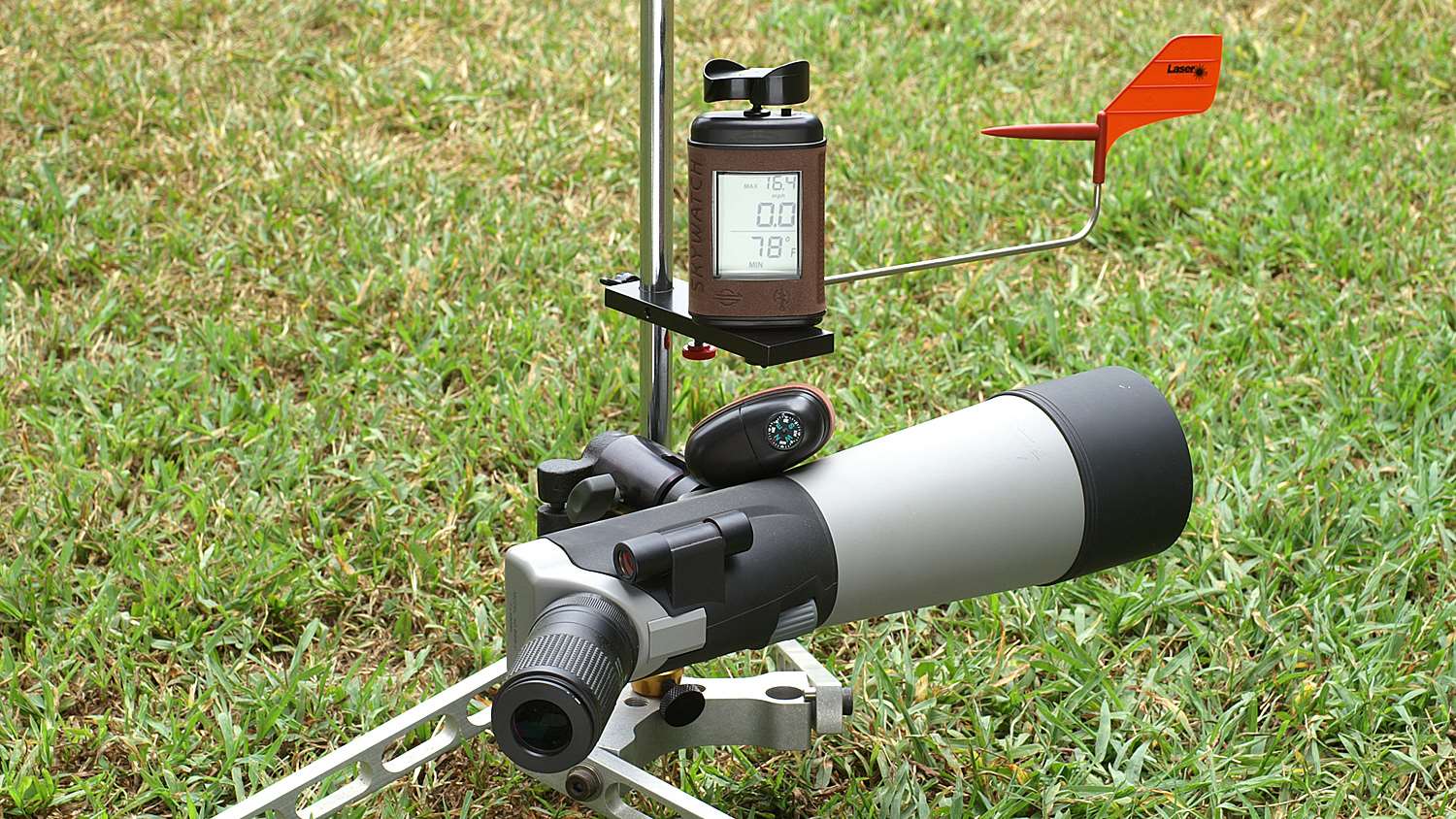
Many years ago, High Power Rifle legend Mid Tompkins told me that he thought a new shooter might be best served doing without an upgrade until the shooter could get the “final” upgrade: the piece of gear the heart is set on. Too many people do waste enormous amounts of money, and time, “waiting” out the final purchase. A spotting scope is a great example: good scopes are not cheap, not even a little bit, and they are also noticeably better than less-expensive models. Stick with the “starter” scope until you can get that Kowa, or whichever model you place as a pinnacle. Good gear, most pieces at least, lasts a very long while. I’ve said this about a hundred times in my books and articles, “Don’t spend the same dollar twice.” Skip the “mid-grade” items all together. Shop used if you can, and keep in mind that good gear does last a long time.
Don’t neglect the self. I’m not saying that you have to train like an athlete but it sure helps to take healthy steps to be in good physical condition. A lot has transpired between the morning’s standing shots and the afternoon’s final round at 600 yards, and conditioning keeps you nearer to early morning energy levels later into the day.
Pay attention to vision. Especially for those over 40 years, it can make a whopping, sometimes amazing difference to get a tuned-up sight picture. This has been one of the most experimented with and also changed elements in my personal pursuits. That is without a doubt a separate article. I am referring to corrective lenses and aperture-adjustable sight inserts.
Next up? A few more pointers for a few more points. That’s all that’s left!
Part Three of “Climbing the High Power Ladder” will be in the February digital issue of Shooting Sports USA.