** When you buy products through the links on our site, we may earn a commission that supports NRA's mission to protect, preserve and defend the Second Amendment. **
Question: How do I make a personal eye blind?
Answer: First, all shooters should wear some sort of eye protection while shooting. Depending on the type of glasses worn, a shooter can make his or her own eye blind with little effort and a very small budget.
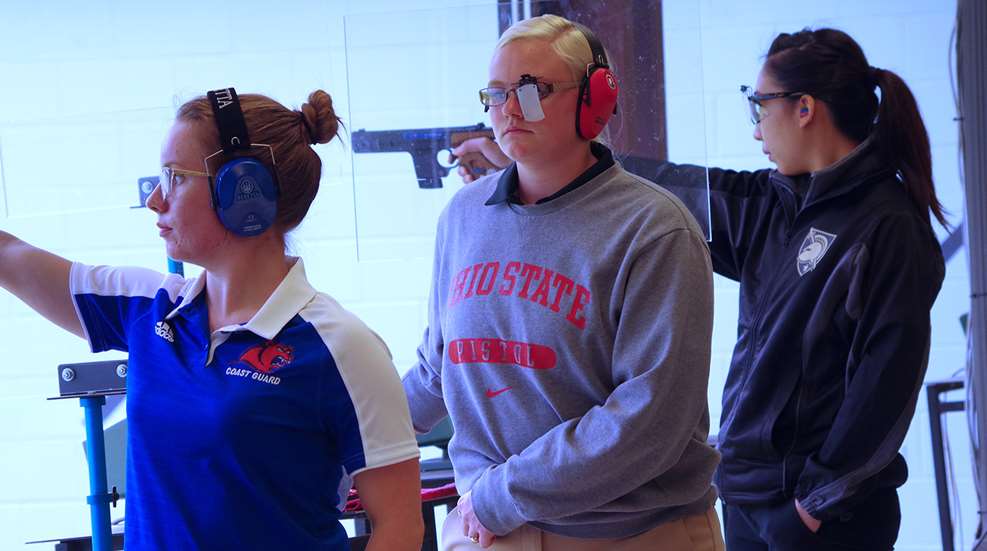
When making an eye blind the first thing to keep in mind is the purpose of the blind. An eye blind should not block out light, but only the vision of the non-shooting eye while not sacrificing the view of the shooting eye.
The easiest way to make an eye blind is also the cheapest. To begin, measure the width of the lens of your non-shooting eye. Cut a piece of tape—plastic medical tape works best—to the precise measurement of your lens. Then get into your shooting position. Once in position, determine where your non-shooting eye focuses through the lens and place the tape horizontally over the lens in that exact same spot. The tape should completely block the vision of the non-shooting eye without disrupting the shooting eye. If the tape does not do this, place additional tape where needed.
Using one piece of tape to block the vision of the non-shooting eye still allows the shooter to use the top and bottom of the lens for safety reasons. While some shooters prefer to cover the entire lens with tape, we recommend that you take safety into consideration first and foremost when deciding how much of the lens to cover.
If you are not interested in putting tape on your glasses you can affix the eye blind to a baseball cap. To do this, take a piece of cardboard and cut out a 2 x 3-inch piece—always check the rulebook of the discipline you are shooting for regulations on the size of eye blinds. Take your baseball cap and attach the cardboard to the bill fo the cap with a binder or bulldog clip. Allow the cardboard to hang down over the non-shooting eye.
To ensure the eye blind is hanging in the correct place, get into your shooting position. Open both eyes, then close only the shooting eye. If the eye blind is in the correct position, the cardboard will block the vision in your non-shooting eye completely. If it is not, then move the cardboard and clip until the view is completely blocked.
With your new eye blind in place, the muscles in your face will be allowed to relax while still receiving enough light for your shooting eye to see a clean, crisp image of the front sight.
Have a competitive shooting question? Please email [email protected].
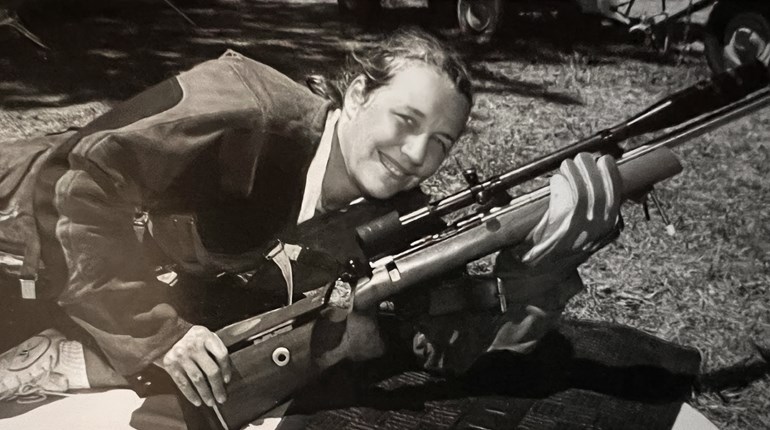
Lead photo by John Rickards
Answer: First, all shooters should wear some sort of eye protection while shooting. Depending on the type of glasses worn, a shooter can make his or her own eye blind with little effort and a very small budget.
When making an eye blind the first thing to keep in mind is the purpose of the blind. An eye blind should not block out light, but only the vision of the non-shooting eye while not sacrificing the view of the shooting eye.
The easiest way to make an eye blind is also the cheapest. To begin, measure the width of the lens of your non-shooting eye. Cut a piece of tape—plastic medical tape works best—to the precise measurement of your lens. Then get into your shooting position. Once in position, determine where your non-shooting eye focuses through the lens and place the tape horizontally over the lens in that exact same spot. The tape should completely block the vision of the non-shooting eye without disrupting the shooting eye. If the tape does not do this, place additional tape where needed.
Using one piece of tape to block the vision of the non-shooting eye still allows the shooter to use the top and bottom of the lens for safety reasons. While some shooters prefer to cover the entire lens with tape, we recommend that you take safety into consideration first and foremost when deciding how much of the lens to cover.
If you are not interested in putting tape on your glasses you can affix the eye blind to a baseball cap. To do this, take a piece of cardboard and cut out a 2 x 3-inch piece—always check the rulebook of the discipline you are shooting for regulations on the size of eye blinds. Take your baseball cap and attach the cardboard to the bill fo the cap with a binder or bulldog clip. Allow the cardboard to hang down over the non-shooting eye.
To ensure the eye blind is hanging in the correct place, get into your shooting position. Open both eyes, then close only the shooting eye. If the eye blind is in the correct position, the cardboard will block the vision in your non-shooting eye completely. If it is not, then move the cardboard and clip until the view is completely blocked.
With your new eye blind in place, the muscles in your face will be allowed to relax while still receiving enough light for your shooting eye to see a clean, crisp image of the front sight.
Have a competitive shooting question? Please email [email protected].
Lead photo by John Rickards