
Every year there are matches that people attend because they want awards, plaques or a chance to test themselves against the best shooters in the sport.
Then there are matches like the Gary “Doc” Welt Memorial Match.
The difference is that one is a competition. The other is an experience.
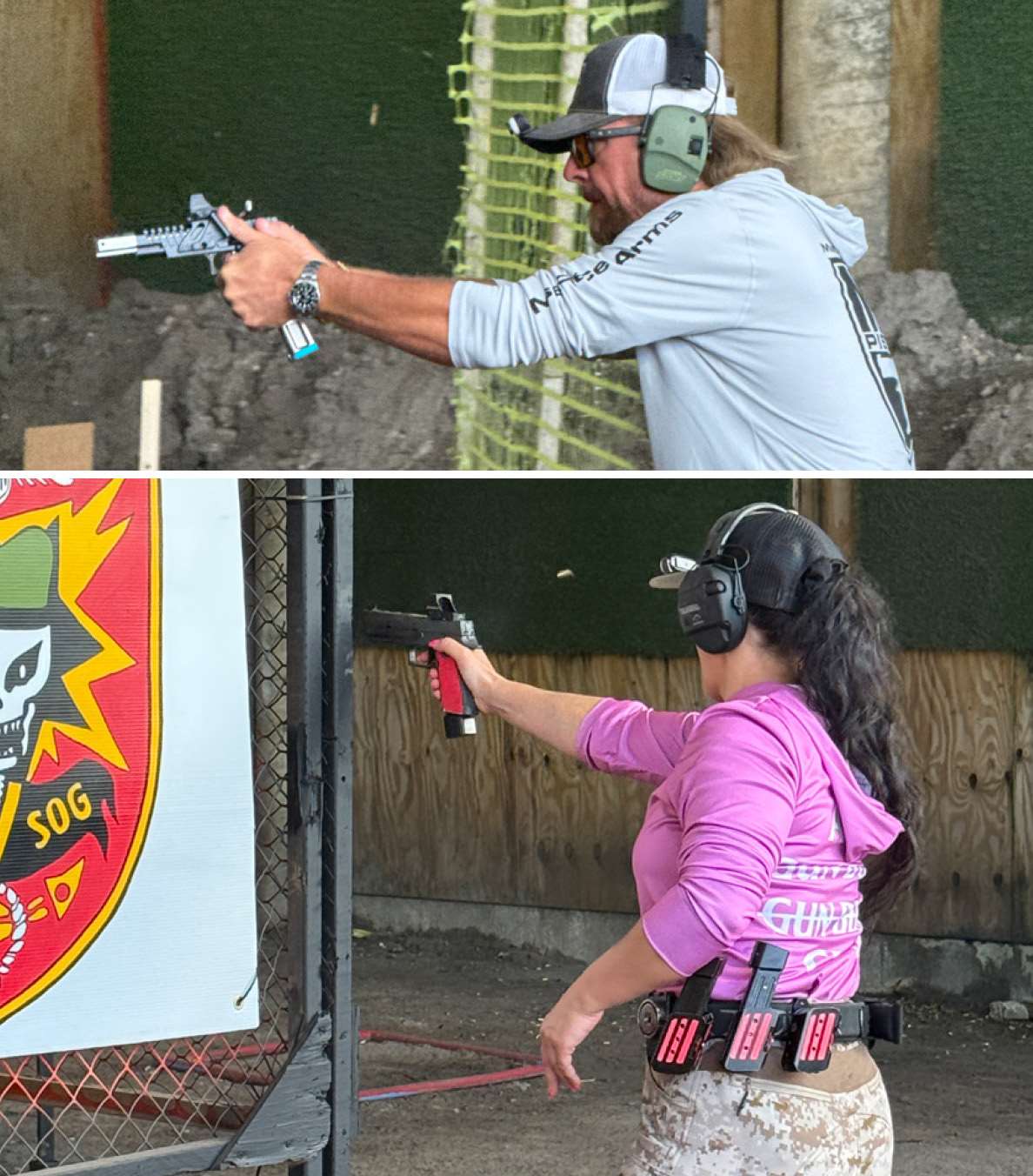
Earlier this year, competitors made their way to the Wyoming Antelope Club in Clearwater, Florida, for the 14th Annual Gary “Doc” Welt Memorial Match. Like most every year before it, the match sold out quickly. Like every year before it, the volunteers at the WAC spent countless hours building stages that most shooters will never see duplicated anywhere else. And like every year before it, social media lit up with comments from people who had never attended the match, questioning the props, the physicality or whether certain stage elements belonged in USPSA.
Those comments always make me smile. Because if you know the history of this match, you understand that the props are not the story.
The story is the man.
Gary “Doc” Welt was a retired Navy SEAL Master Chief whose career reflected a lifetime of service. Before becoming a SEAL, he served as a Navy Corpsman, earning the nickname “Doc” that would stay with him throughout his military career. He served as a medic, operator, leader and mentor, eventually retiring after a distinguished career that included assignments supporting Special Operations Forces around the world. Those who knew him describe him not as someone who talked about his accomplishments, but as someone who simply showed up and did the work. The quiet professional. The teammate everyone trusted. The kind of person who saw a problem and moved toward it instead of away from it.
When Gary was diagnosed with ALS in 2013, friends at the Wyoming Antelope Club rallied, creating a benefit match to help support him and his family. After his passing in 2014, that event evolved into the annual memorial match that continues today. That history matters. Because when you understand who Gary was, the stages suddenly make a lot more sense.
The Doc Welt Memorial Match has never tried to be a copy of every other major match on the calendar. It was never intended to be a collection of simple shooting boxes connected by straightforward target arrays. From the beginning, the stages have been designed to reflect challenge, problem solving, movement, teamwork, adversity and, occasionally, a healthy amount of discomfort. In many ways, they represent pieces of the experiences Gary encountered throughout his military career.
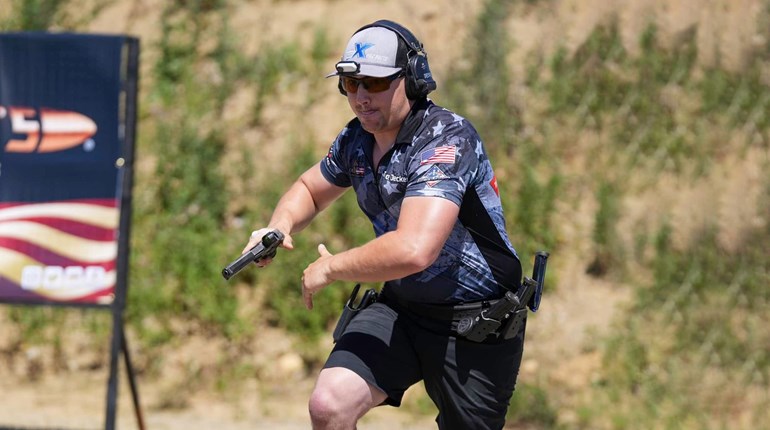
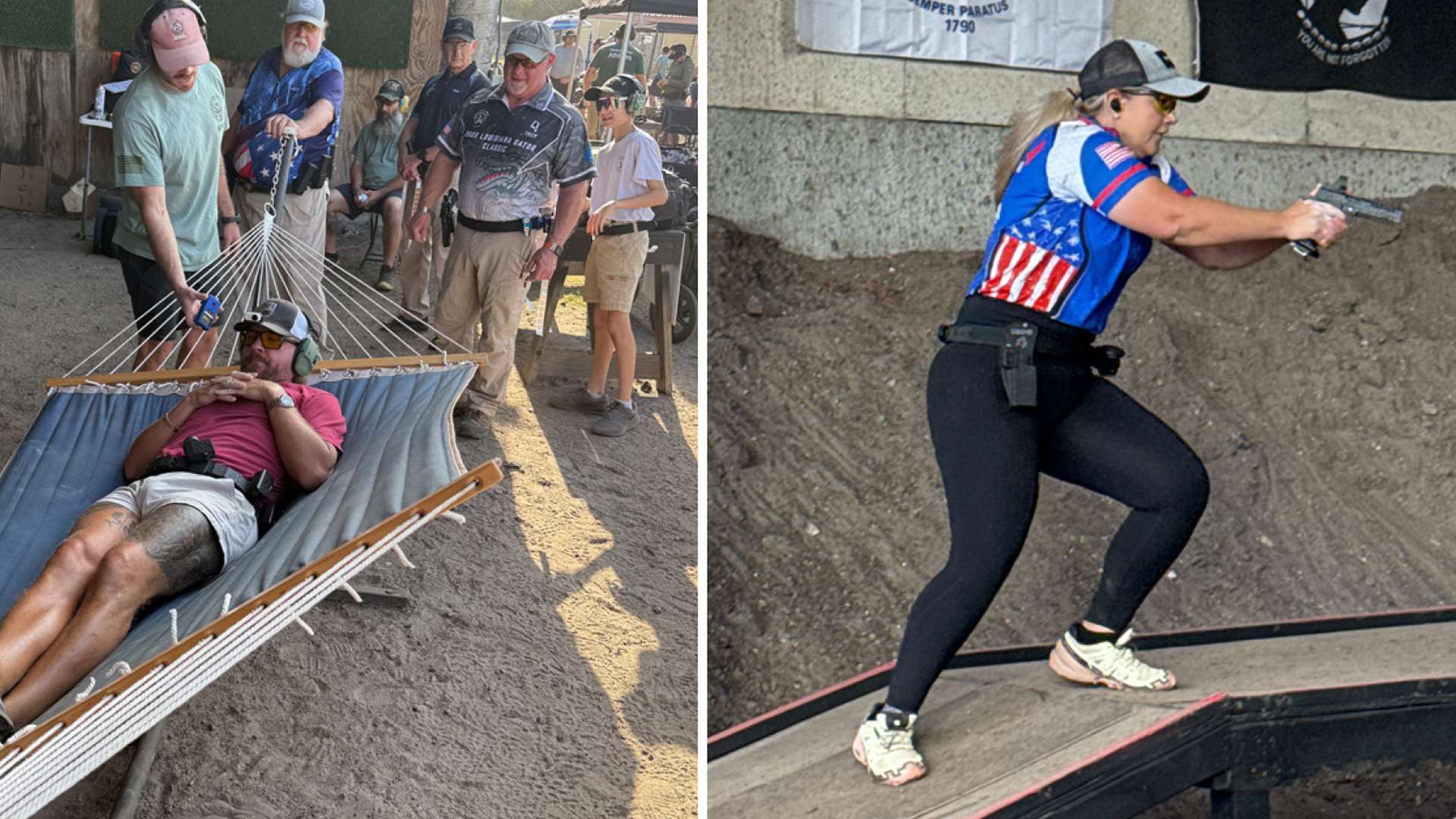
At the Doc Match, you might find yourself balancing, maneuvering, ascending, descending, swinging, stepping carefully around penalties disguised as land mines, or navigating props that require both physical and mental commitment. The stages often look more like movie sets than competition bays. Massive themed structures, military inspired artwork, hand built props, ramps, hammocks, obstacles and moving elements transform the range into something completely different from what competitors are accustomed to seeing. The attention to detail is remarkable and has become one of the defining characteristics of the event.
That is also where some of the criticism comes from.
Every year a few videos find their way onto social media. A balance beam. A rope swing. A hammock. A prop that requires physical effort. Inevitably someone comments that it is not practical. Someone says it is not USPSA. Someone else decides the entire match can be evaluated from a 30-second clip viewed on a phone.
The reality is usually much simpler. Most of those people have never attended the match. They have never walked the stages. They have never talked with the match staff. They have never heard the stories behind why those props exist.
And they have never stood on the range while hundreds of competitors spend an entire weekend smiling, laughing, challenging themselves and celebrating the memory of a man who spent his life embracing difficult things.
The irony is that USPSA has always been about solving shooting problems. The Doc Match simply asks competitors to solve a few additional problems along the way.
What makes the event special is that the physical challenges are not there for shock value. They are not there because someone wanted to make a viral video. They are there because the match has always been built around a central theme. The stages are intended to capture pieces of military experiences, special operations concepts and the mindset of overcoming obstacles. They are designed to make competitors think, adapt and occasionally step outside their comfort zones.
That philosophy is exactly why the match has developed such a loyal following. People do not return year after year because it is easy. They return because it is memorable.
In a shooting sports landscape where many matches begin to blend together over time, the Doc Welt Memorial Match remains unique. Ask anyone who has attended and they can probably tell you about a specific stage, a specific prop or a specific moment from years ago that they still remember. Very few matches leave that kind of lasting impression. That does not happen by accident.
It happens because an army of volunteers pours their hearts into every detail. It happens because stage builders spend months creating experiences instead of simply assembling target arrays. It happens because artists transform bare walls into immersive environments. Most importantly, it happens because a community continues to rally around the memory of a friend 14 years after his passing.
At its core, the Doc Welt Memorial Match is not really about shooting.
It is about remembering. Remembering a husband, father, grandfather, teammate, mentor and warrior. Remembering the values he represented.
Remembering that the best matches are often about much more than scores and trophies. And remembering that sometimes the people commenting online are only seeing a prop, while the people standing on the range are experiencing a legacy.
Fourteen years later, that legacy is still alive and well at the Wyoming Antelope Club. And if you have never been there, perhaps it is time to stop judging the match from a video clip and come experience it for yourself.
The staff at Wyoming Antelope Club, led by Match Director Dan Bernard and his lovely wife Terrisa, who painted the props and walls, have continued to honor their friend and colleague but going to painstaking measures to make this match not only incredibly exciting and challenging, but doable for everyone. If you can’t swing from the rope there are other options to take on the stage. If you can’t make it over the balance beam, there is another path that can be taken.
It helps that the WAC has many USPSA Range Masters as their regular match staff. Guys like Dan along with Mike Howell, Trent Cherin, Allen Terrell and JB Creech have countless hours on the range and at matches across the country. They bring those experiences back to this range and this match.
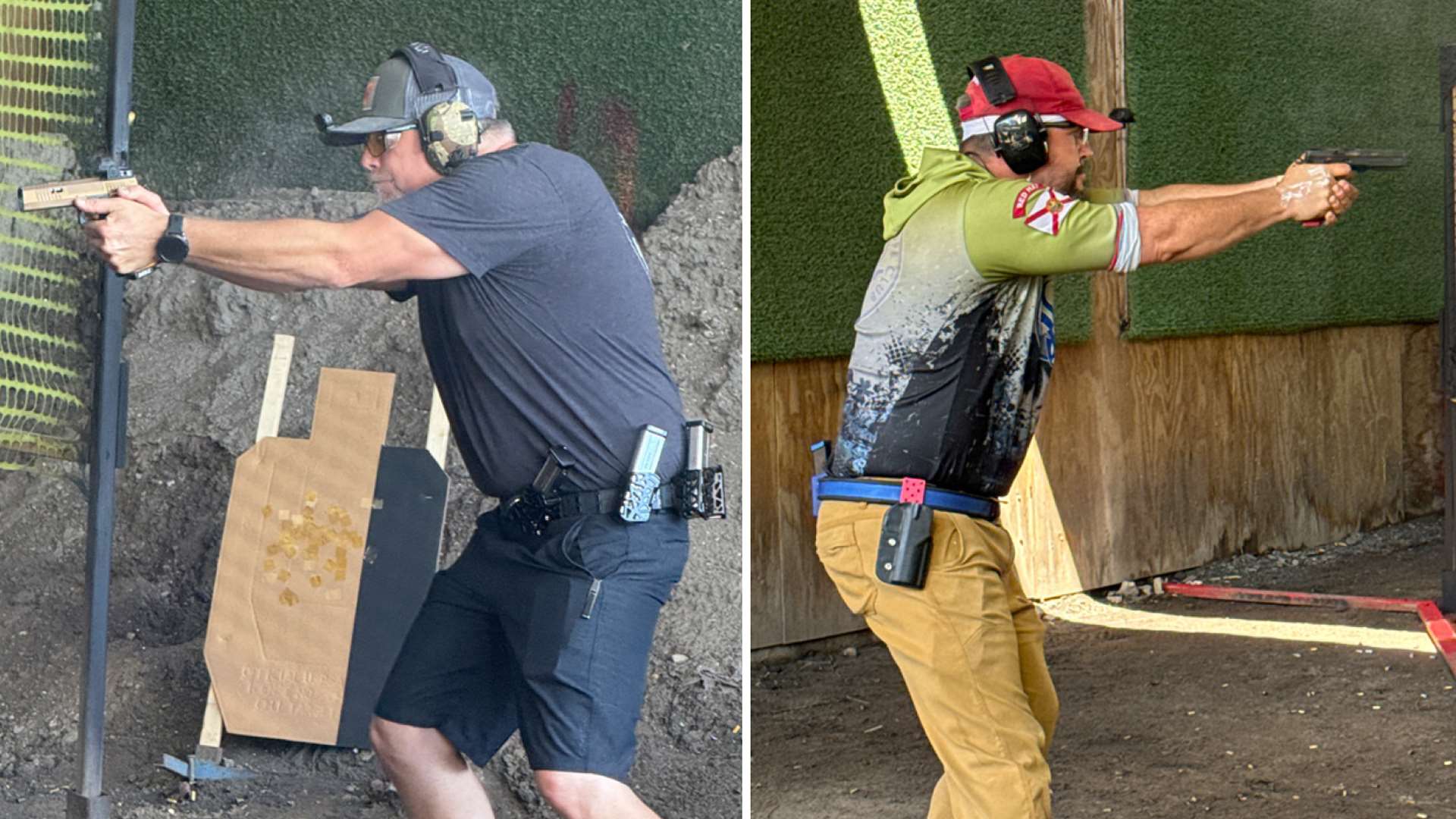
The match was only eight stages, less than 200 rounds, which is smaller than many club matches. But that isn’t what makes this match so unique. While many people, unfortunately, judge a match by how many stages and rounds before they ever get to the match, the Doc never disappoints.
A total of 221 competitors took on the challenges of this year’s event the last weekend in March. Limited Optics was the most populated division with 89 competitors, followed by Carry Optics with 54. Open had 39 shooters, 28 in Pistol-Caliber Carbine and Production had 5. There were three folks that were still holding onto their major power factor iron sight Limited guns, and a very nice husband and wife shot Single Stack.
Joseph Wyshel took the win in Limited Optics over JJ Racaza in second and Gorka Ibanez in third. Josh D’Eletto brought home the winners plaque for Carry Optics, with David Murphy in second and Clyde Birrey rounding out the top three.
Besides having more than a million views of his video swinging off the platform on a rope, Mike Pan crushed Open division for the win with Marcus Costa in second and Roberto Alvarado in third. Isrrael Guerrero had more than 125 points to win in Pistol-Caliber Carbine division ahead of runner-up Nestor Cruda, with Jay Staude in third place.
What do Dan and crew at the WAC have in store for the 15th year of this match? I have no idea what else they could think up, but I have faith that whatever it is, I will be there, and that it will be an experience that you do not want to miss.
Article from the May/June 2026 issue of USPSA’s magazine.