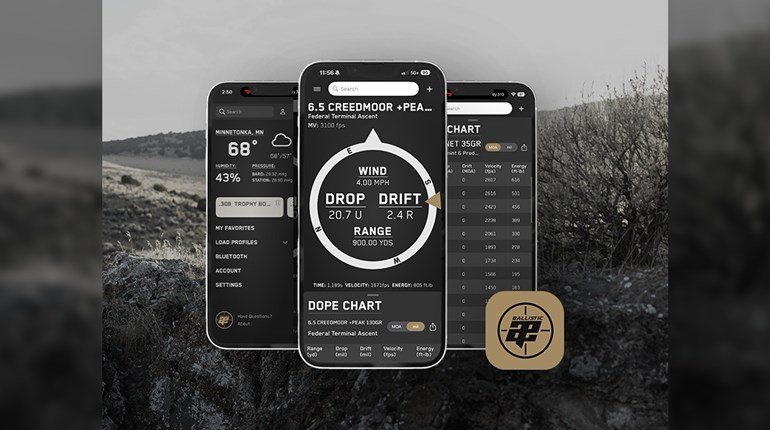
One problem many beginning F-Class and precision shooters will have is getting zeroed for 600 to 1000 yards using the local 100- or 200-yard range. All you’ll need to do this is a chronograph, ballistics software or app, a large target and a tape measure.
First chronograph at least five rounds of your load, and average the velocities. Next, use this average velocity, along with your bullet’s ballistic coefficient (BC), to develop a trajectory table for your load using your ballistics software of choice. Some programs include BCs for many bullets. Other programs may require you to enter a BC value, which can be obtained from the manufacturer’s website or catalog.
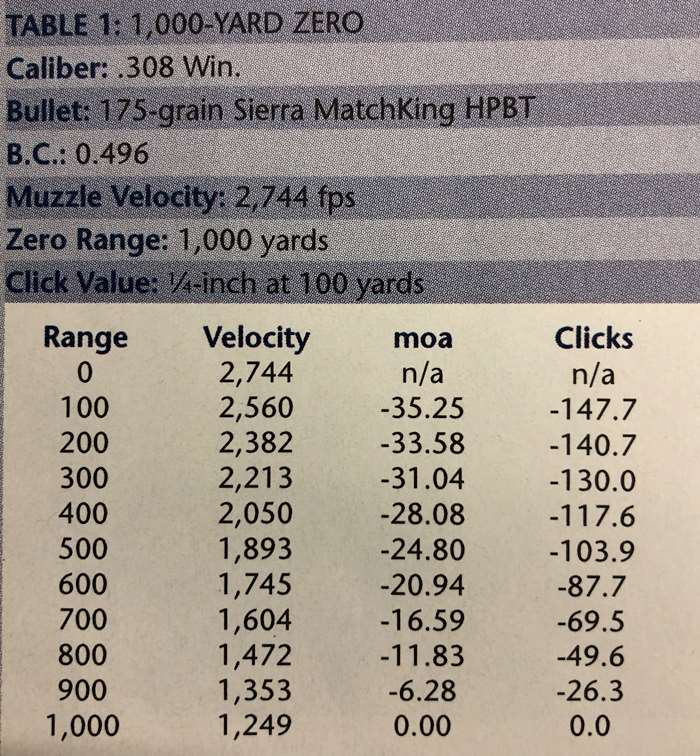
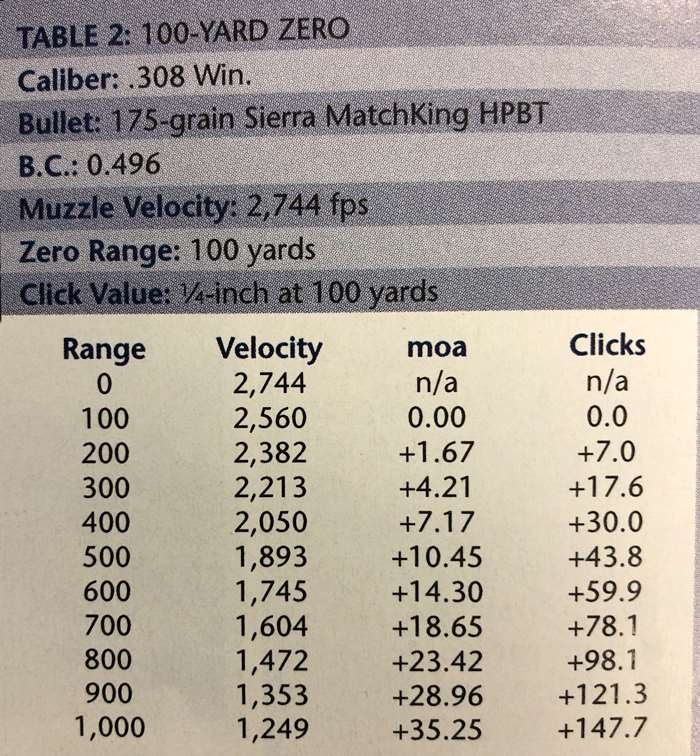
Generate this table in 100-yard increments, with the zero range at the target distance (usually 600 to 1000 yards). This will give you the height of the bullet trajectory at the shorter distance (say, 100 yards) of your local range. Thus, if you adjust your scope to put the bullet impact at that height at 100 yards, you’ll be zeroed at the longer distance (see Table 1). Alternatively, you can zero dead-on at 100 yards, and use your trajectory table to tell you how many minutes of elevation you’ll need to get dead-on at longer distances (Table 2). Either method should at least get you on the target paper at long range.
If you have a chance to shoot at 600 to 1000 yards before your first match, you’ll be able to verify your calculated zeroes with actual firing. Much of the time, you’ll be lucky enough to have folks working in the pits who will indicate your hits; but if you range is simply a big berm or the side of a hill, start your zeroing by firing at clods of dirt or clumps of vegetation in the impact area. Your shooting partner can use a spotting scope to tell you where you’re hitting. In only a few shots, you should be within a few inches of dead on, and at that point, you can shift to the paper target. Using a six-inch orange dot on a tan piece of target paper, my Bushnell Elite 15-45x spotting scope can resolve .30-caliber bullet holes out to 600 yards. When I’m using a target with a black bull, I often put a 12- or 18-inch Birchwood Casey adhesive target in the center. The large yellow-green splash made by a bullet impact can be seen through the scope at 800 yards or more.
With no other alternative, you can refine your zero at the match, during a practice session or—in the worst case—using the spotters that precede record fire in a match. However you arrive at the actual windage and elevation settings, you should make note of them in your logbook for future reference.
Once you’re zeroed, don’t change anything—not your load, your scope fore-and-aft position, nothing. Even changing stock-screw tension on some guns will alter the point of impact at extended range.
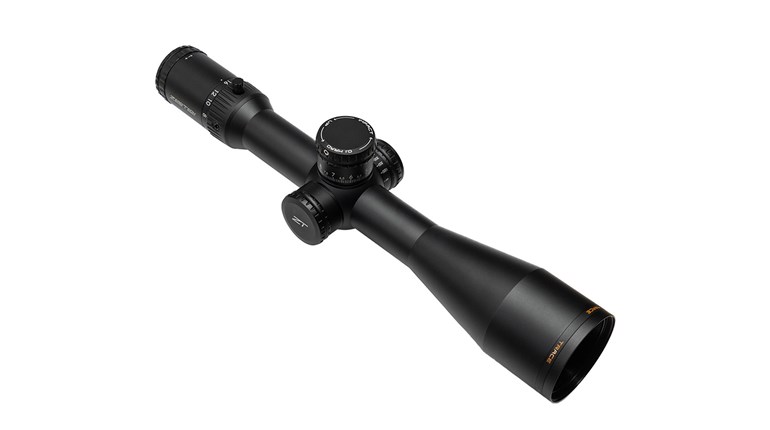
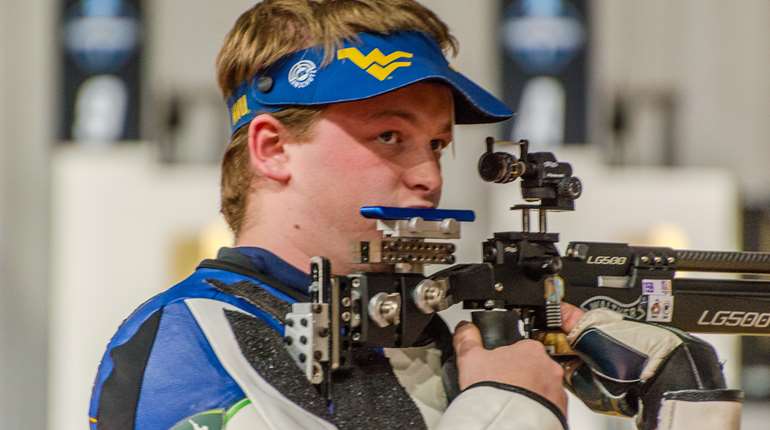
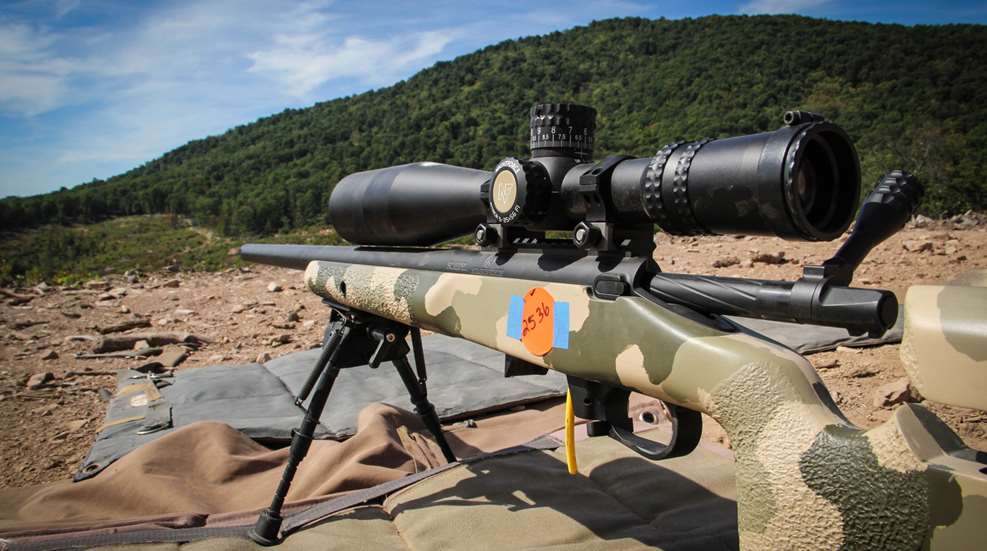
Lead photo by Nightforce, from the 2015 NRA World Shooting Championship.
Most Popular