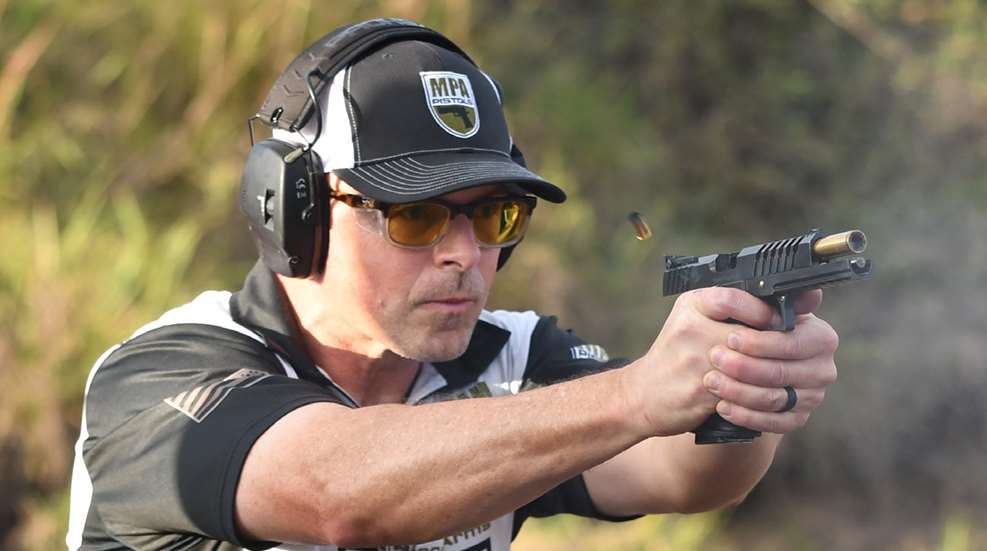
Speed, power and accuracy. Blend these three elements, and you have the most dynamic shooting sport ever devised—USPSA. Practical shooting was established as the International Practical Shooting Confederation in 1976 to organize the various independent efforts to build shooting skills and train for self-defense. The sport’s early days date back to the 1950s, with quick-draw “leather slap” matches popular in the desert Southwest. USPSA was incorporated in 1983 and has grown to more than 38,000 members by 2024.
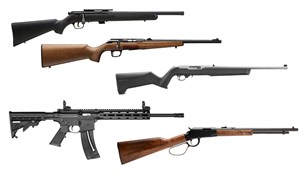
Early practical shooting challenged established techniques, training practices and equipment standards. IPSC pioneers developed scenario-based competitions to accurately assess the effectiveness of their shooting techniques and gear. The rapid, shooting-on-the-move stages led to the term “run and gun,” which is commonly used to describe the sport today. True to its origins, USPSA continues to offer divisions that employ state-of-the-art firearms and support equipment. Competitors wield everything from revolvers and the classic 1911 auto pistol to modern service pistols, custom race guns, rifles, shotguns and carbines.
SCORING
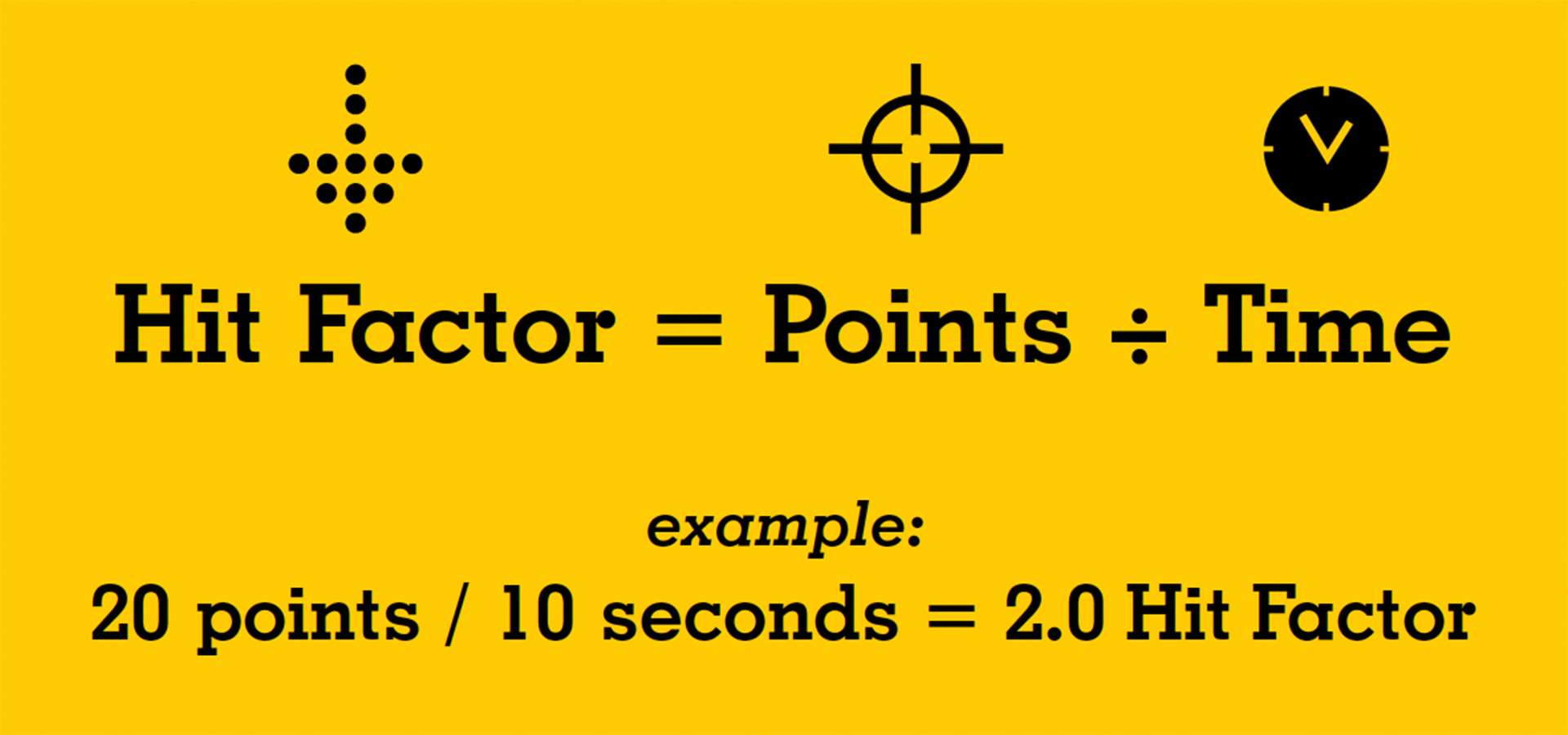
USPSA shooting hinges on a concept called hit factor, which is a points-per-second measurement. It considers three factors: speed, powera and accuracy. Competitors shoot the course of fire timed against the clock. Afterward, range officers record the shooter’s time (speed), note the shots impact on the targets (accuracy) and tally any penalties. They assign points to the hits based on the ammunition used. Then, by dividing the total points by the time taken, we arrive at the hit factor. Local club matches usually feature four to six stages. Shooters receive a separate hit factor for each, which scoring officials compare later. They award maximum points to the shooter with the highest hit factor. Points for other competitors are granted relative to this score. For example, achieving 90 percent of the top hit factor earns 90 percent of the available points. The sum of points across all stages determines the winner. While the math may seem daunting, scoring programs are available to simplify the process.
DON’T MISS!
Speed might seem crucial, but as USPSA shooters often say, “You can’t miss fast enough to win.” Missing a shot or hitting a penalty target results in rapid point loss. An “A” hit on the target scores five points. However, a miss incurs a 10-point penalty, so you not only forgo the potential five points but also lose an additional 10 points. Penalty target hits also carry a 10-point deduction. This scoring emphasizes the importance of accuracy in USPSA shooting.
MUCH MORE THAN “SHOOTING”
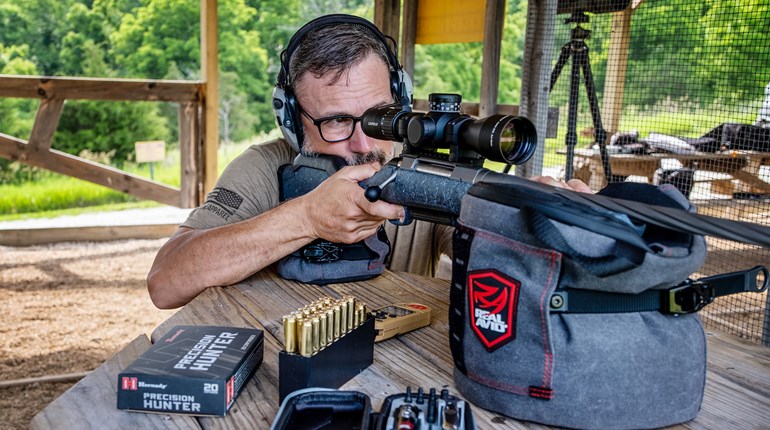
USPSA competition involves more than firing a gun. It requires shooters to draw, move, reload, navigate obstacles, analyze the course and shoot, all while the timer runs. The clock stops only when you’ve completed all tasks and fired the last shot. If your gun malfunctions or you need to reload, a quick, safe resolution is on you—there are no breaks, except for range equipment failure or safety concerns. USPSA places as much emphasis on gun handling as on shooting, ensuring a thrilling experience that is sure to be enjoyable.
SAFEFY FIRST
Safety is paramount in USPSA. At a match, unless you are shooting or working on your pistol in the safety area, your pistol must remain unloaded and holstered. Breaking this rule results in immediate disqualification, as does pointing a firearm, loaded or not, at oneself, another person or up range of the firing line. Two range officers supervise each shooter, and strict adherence to safety rules contributes to USPSA’s exemplary safety record. Despite the high stakes, new shooters need not worry. Before your first match, the host club provides a safety orientation or check, verifying your gear and familiarizing you with the necessary protocols through shooting exercises. Success and enjoyment are the goals.
To find a local club, visit the USPSA website or call (360) 855-2245. With more than 730 affiliated clubs located across the United States and around the world, we’re eager to connect you with local shooting enthusiasts.
Article from the 2024 Annual edition of USPSA’s magazine.
Most Popular