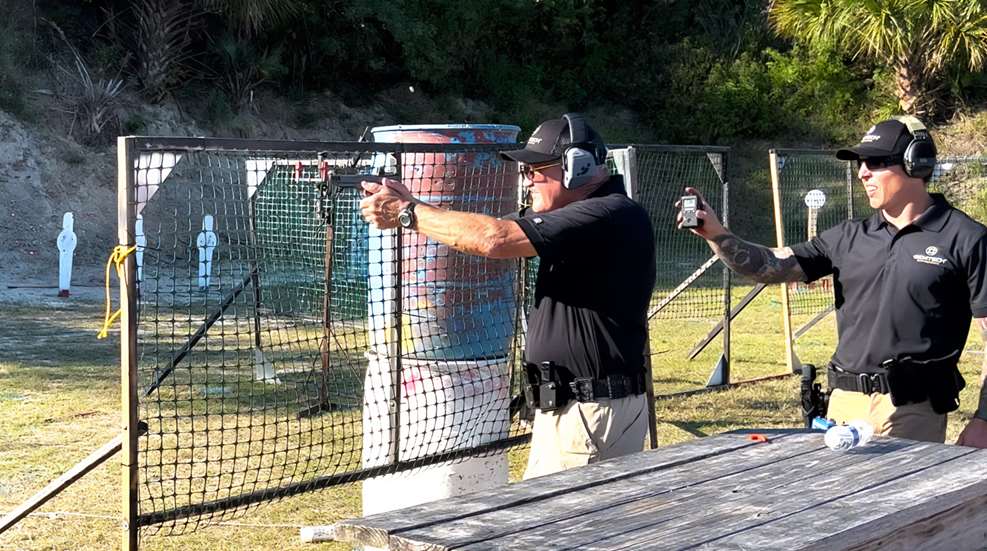
Shooting is not a quiet sport. Every time the gun fires there’s a sharp, potentially harmful sound wave transmitted to the shooter’s ears. Competitive shooting is noisier because even when the shooter is not actually shooting plenty of other folks on various squads are. And that can go on for most of the day. This continuous onslaught of high-noise levels can cause cumulative—or even immediate—hearing loss.
Medical science measures the strength of sound waves in decibels (dB). These sound waves strike the outer ear and vibrate the ear bones. That vibration is transmitted to the fluid-filled inner ear (cochlea) where the fluids transmit the vibrations to tiny hairs (cilia), which send the electric signals to the brain. It has been determined that an unprotected ear exposed to sound levels of 85 dB for an eight-hour period can experience damage to those tiny hairs and begin hearing loss. That’s not an abnormal occurrence for unprotected ears during a full-day match.
Sudden high dB impulse sounds are worse, and can cause immediate hearing loss. Even a relatively quiet round (like a .22 Long Rifle fired from a rifle) can reach 105 dB. Centerfire guns are in the 140- plus dB range. High-impulse sounds can actually shear off some of the cilia. Not only is that damage cumulative, but can create some degree of immediate hearing loss. In fact, it’s not at all uncommon for military personnel to emerge from a combat action where rifles, machine guns, grenades and artillery were exploding all over the place, and then spend the next hours answering “What?” to anyone who speaks to them.
Hearing protection is obviously important. In fact, many ranges mandate that both competitors and spectators wear ear protection. Unfortunately, not all forms of hearing protection are a good choice for competitive shooters.
Inexpensive in-the-ear foam plugs are readily available, but their noise attenuation record is not good. They will provide some relief from low-level gun fire but are lacking the attenuation required for high-impulse dB. Adding a set of passive ear muffs over the foam plugs (called double plugging) will protect the ears from high-impulse dB waves.
The drawback to this arrangement is that it will greatly impede one’s ability to hear. For competitive shooters, this isn’t ideal, because in addition to having their ears protected, they still have to be able to hear.
There are a number of range commands the shooter will be presented with as they prepare to shoot—“load and make ready,” the buzzer, “if the shooter is finished,” and then the unload and show clear procedures appropriate for the gun the shooter is using. Failing to hear, comprehend and act upon these commands will not endear the shooter with the Range Officer or Safety Officer. Other commands deal with safety. These include “muzzle,” indicating the shooter is about to break the 180-degree rule and be disqualified. “Stop” is another. It’s called when an unsafe range condition exists, and requires every competitor to immediately freeze. Failing to properly respond to these will get a shooter disqualified. Additionally, Steel Challenge shooters also need to hear the “ting” of a bullet impact on the plate to fully confirm a hit.
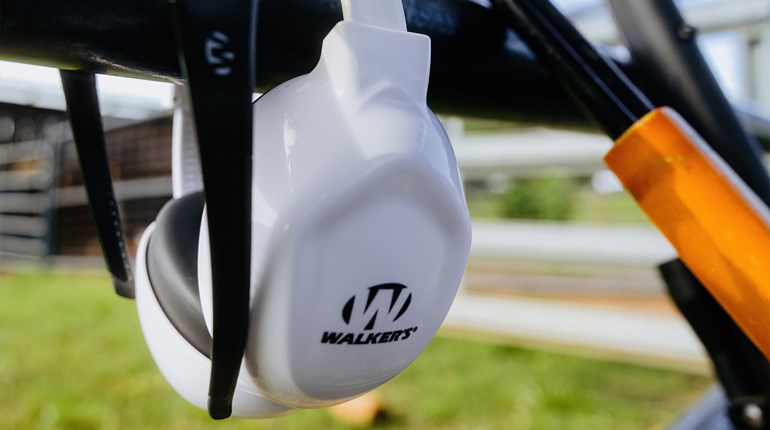
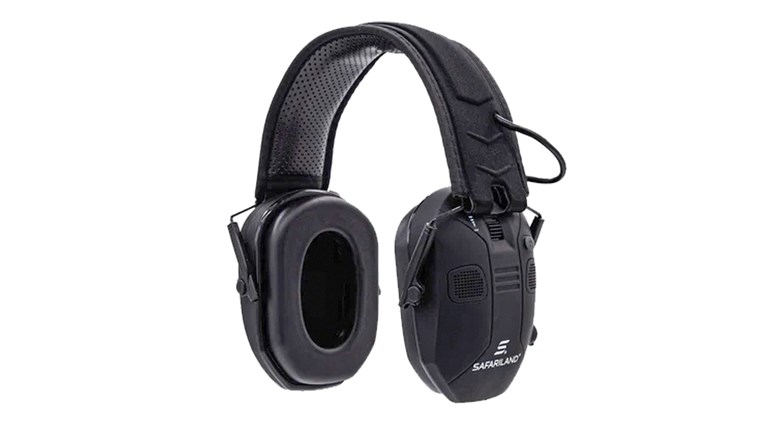
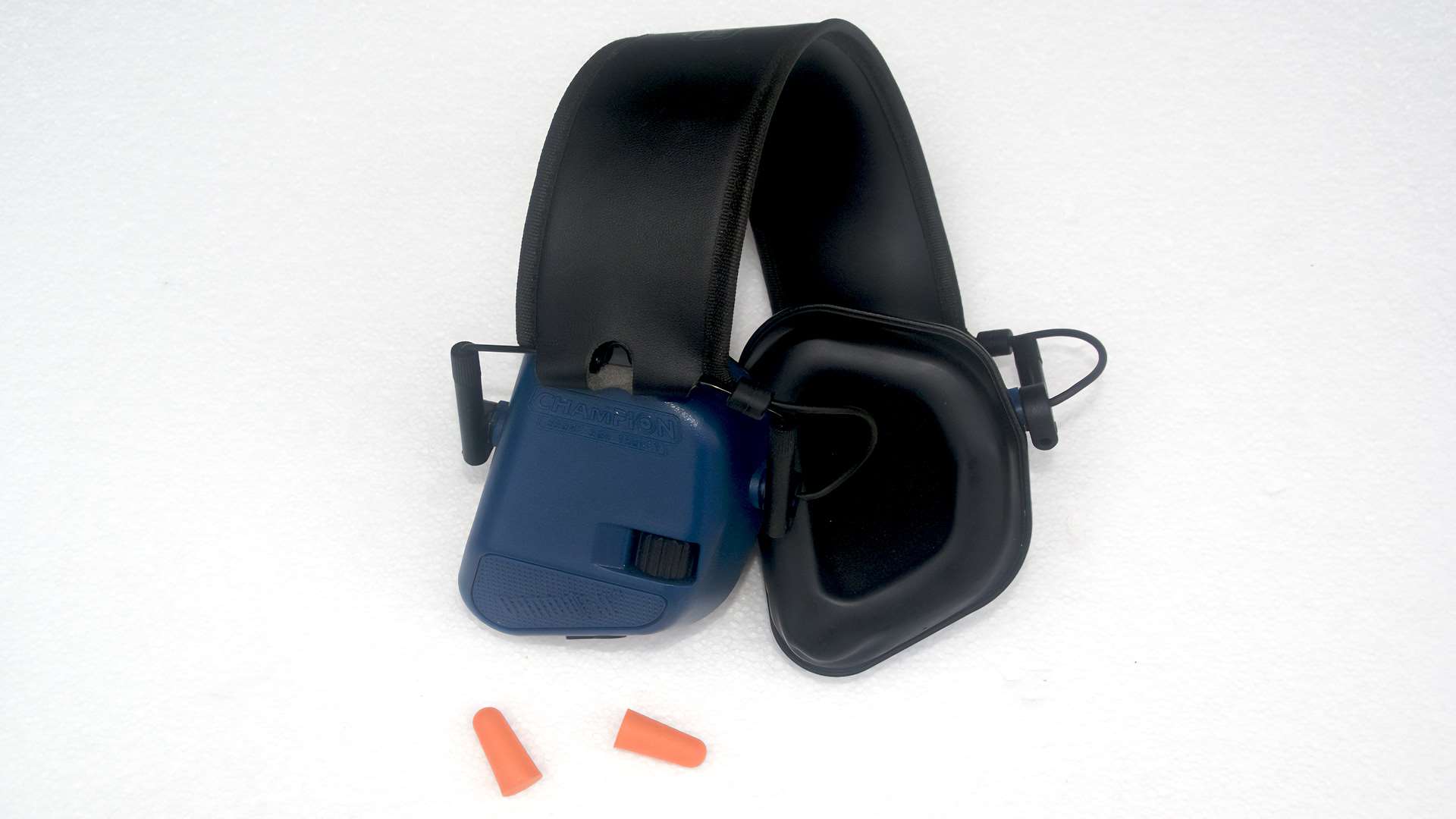
Battery-powered active hearing protection, whether over-the-ear muffs or in-the-ear plugs, can eliminate these problems. They operate by using internal noise canceling circuitry that blocks high-impulse sounds while actually amplifying normal conversation. They have a volume control that can be used to regulate conversation volume, or be turned off completely to make them no different than passive ear protection. With active ear muffs, this actually makes double plugging a viable option. Inserting foam plugs into the ear, with active muffs over them—but turned off—is no different than double plugging with passive muffs. Yet, when conversation must be heard, turning them on to high volume allows it to be heard.
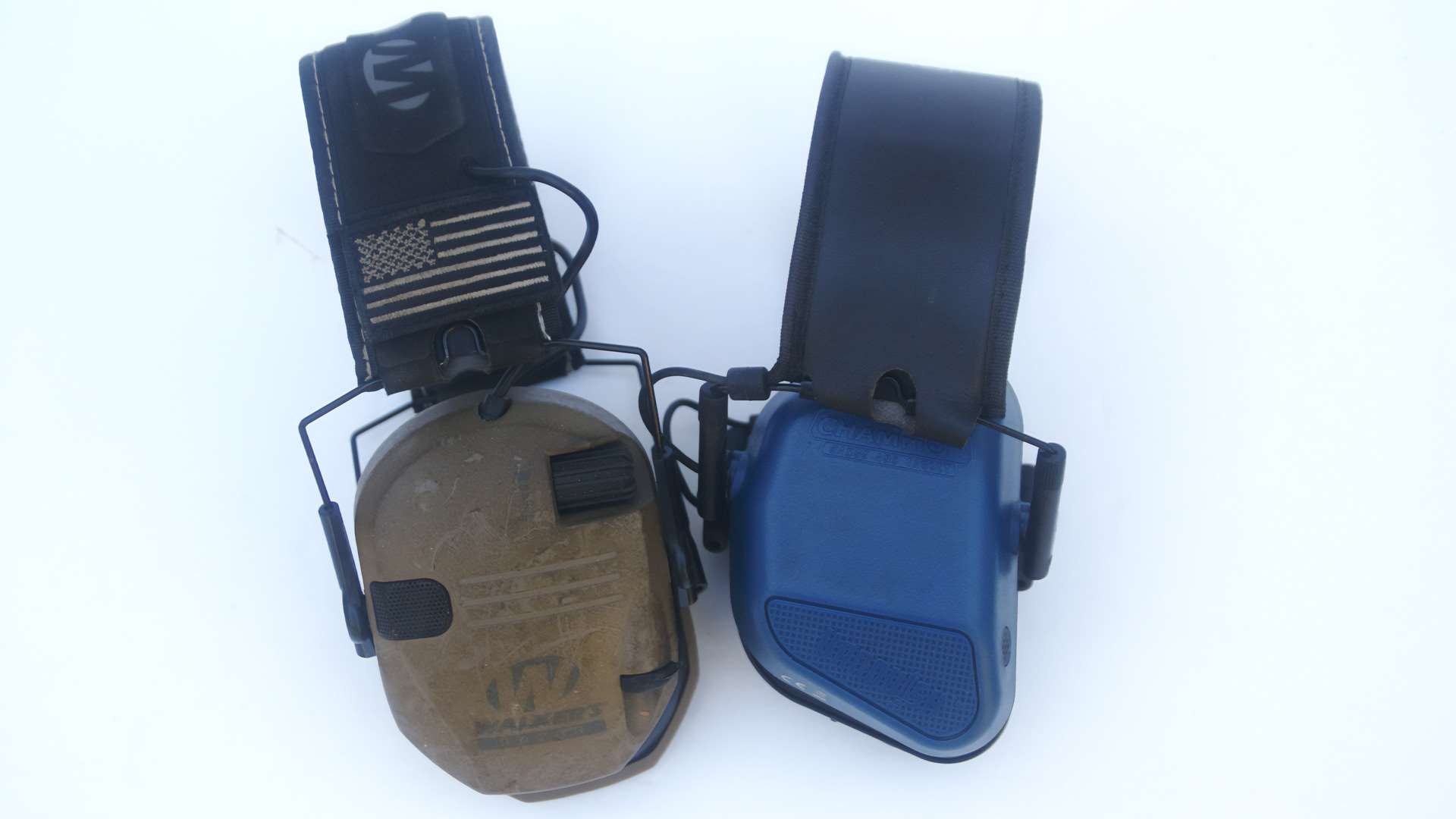
Active muffs are made by several companies, and they don’t have to be expensive. For the last half-dozen years, I have been very satisfied with the Walker Razor Patriot ($79.99) and the Champion Vanquish ($82.45). Careful online shopping can slash those prices by about 20 percent.
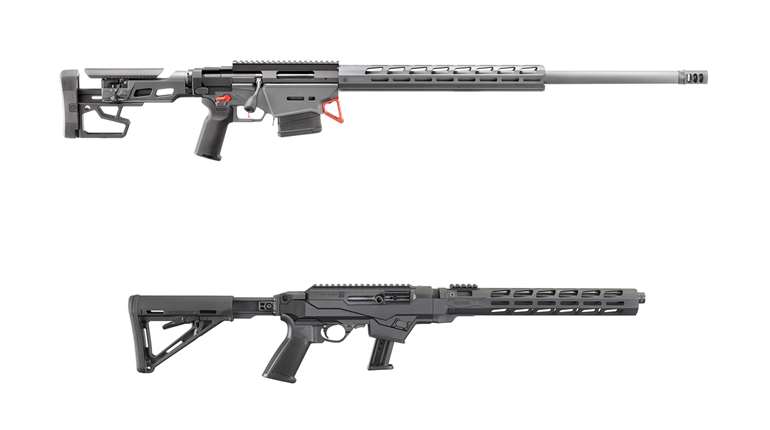
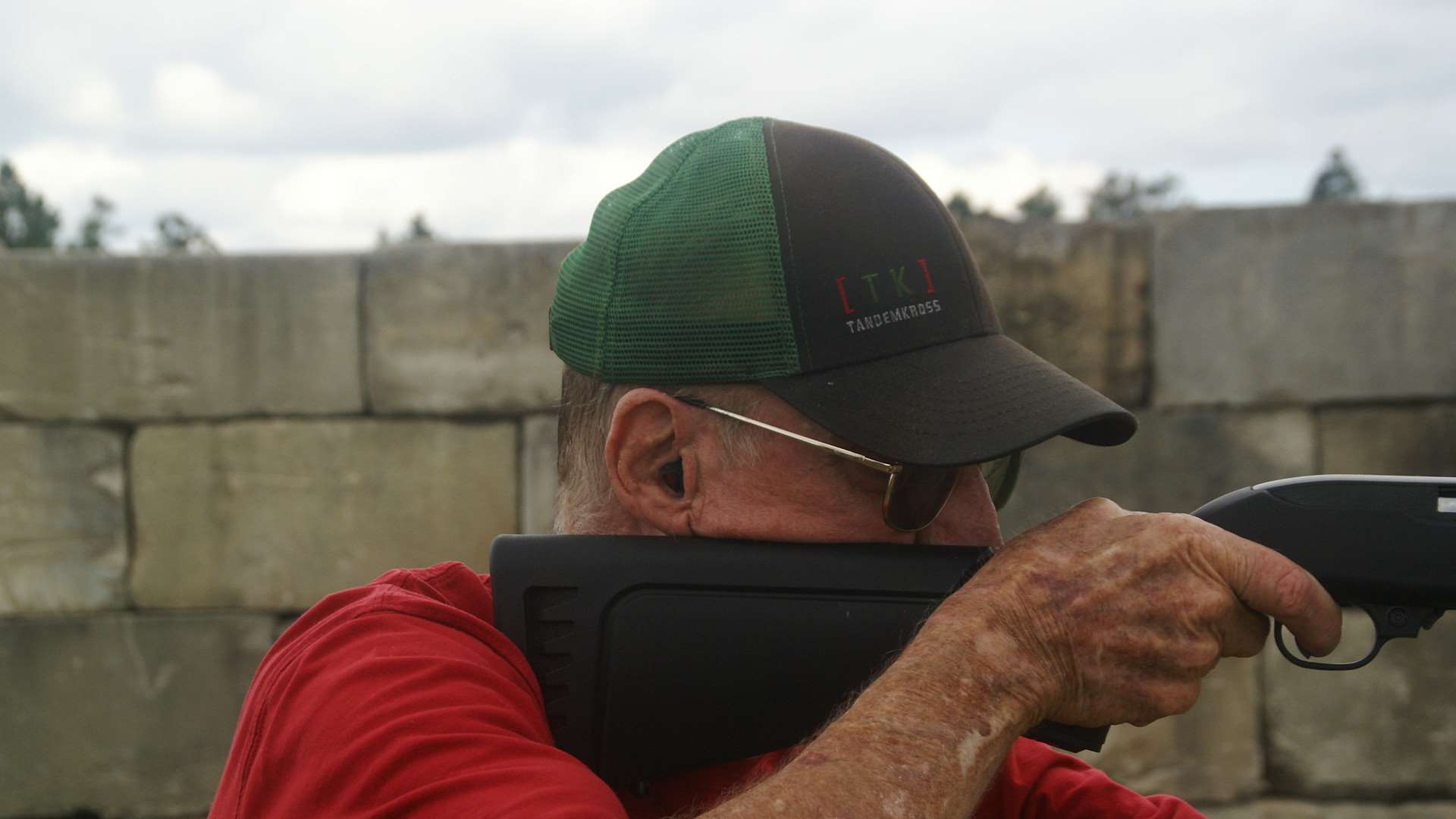
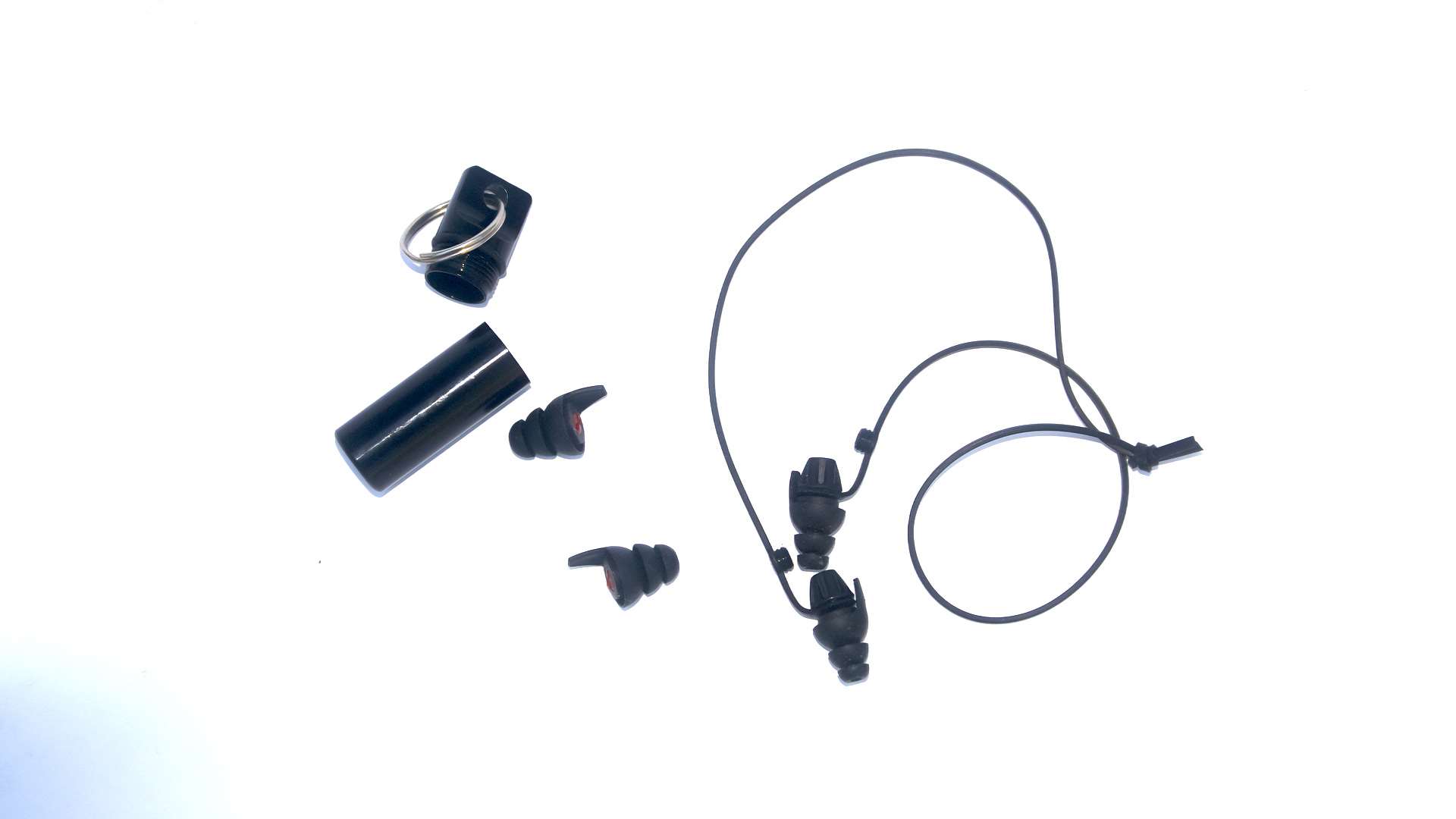
The drawback to ear muffs is that they can significantly interfere with getting a proper cheek weld on a long gun. I shoot both rimfire rifle and pistol-caliber carbine divisions in Steel Challenge and negated that issue with Safariland’s TCI Impulse in-the-ear plugs. They’re available as ear buds or soft foam plugs. In either case they don’t use batteries, instead employing a noise-canceling insert that blocks high dB, but still allow you to hear the “ting,” as well as conversation. They’re inexpensive, in the $20 range, but have worked well for me.
Protecting one’s hearing is important. But, at a match, so too is the ability to hear. That’s why competitive shooters need active hearing protection.
Most Popular