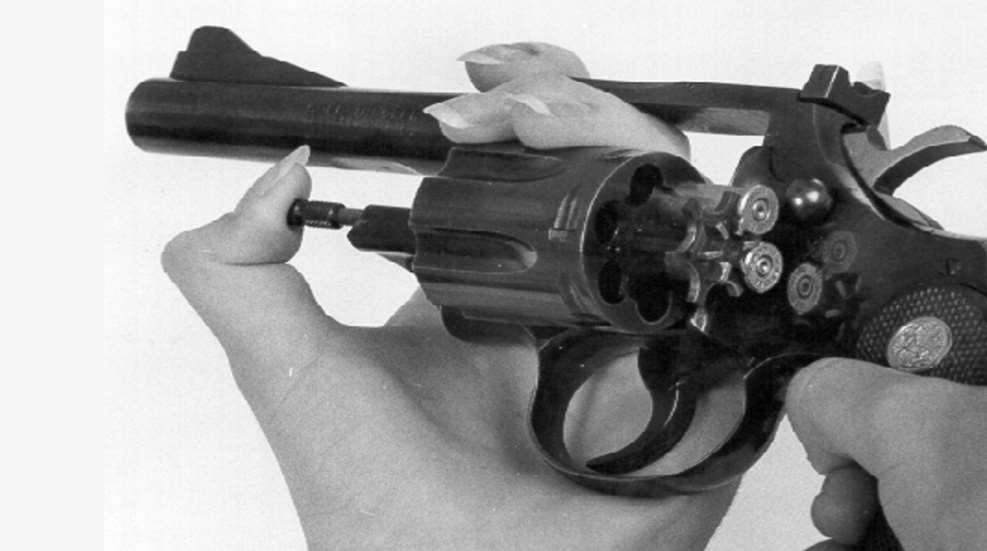
The mechanisms of double-action and single-action revolvers require unloading procedures that are very different. (Be sure to read these beginner's guides covering revolver loading and firing processes.)
Unloading Double-Action Revolvers
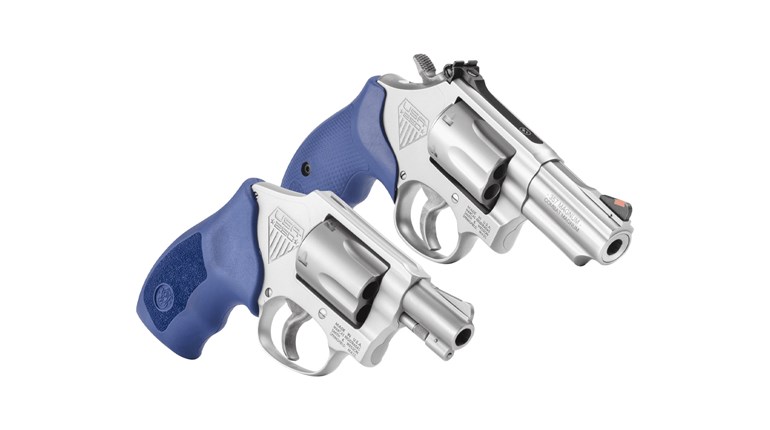
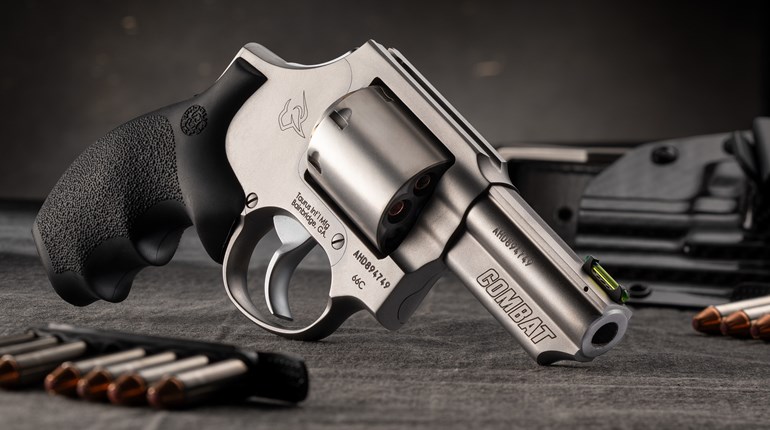
With the revolver held in the right hand, the trigger finger outside the trigger guard and the muzzle pointing in a safe direction, the right thumb disengages the cylinder latch (except in those in models where the latch is on the crane, which requires the use of the left hand). The fingers of the left hand encircle the frame and push the cylinder out of the frame, to the left. With the cylinder fully open, the shooter may choose two methods of removing spent cases and live cartridges from the chamber. With the revolver's muzzle pointing slightly downward, the shooter may push rearward on the ejector rod, raising both the brass cases and live cartridges out of the cylinder. This allows them to be removed, one by one, from the chambers using the right hand (while the left hand supports the revolver).
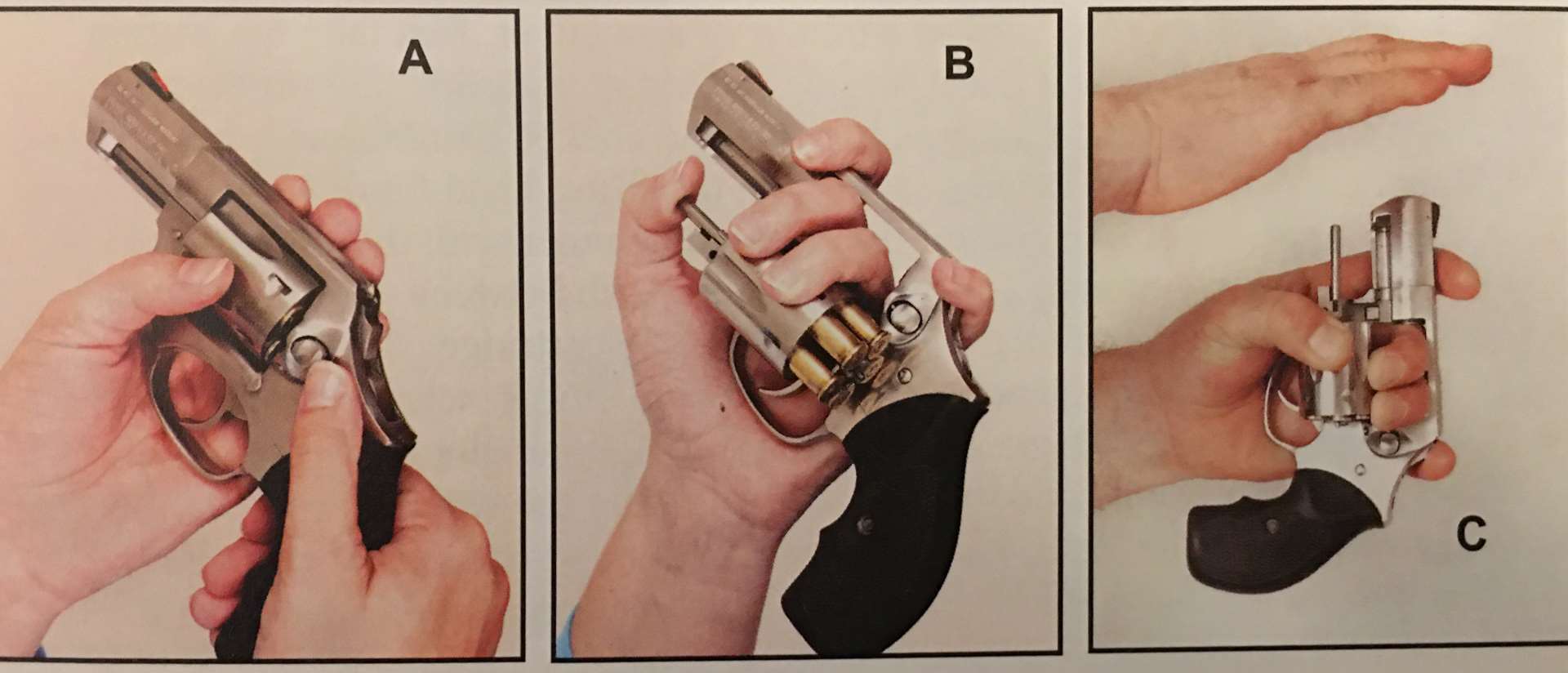
Alternatively, the shooter may hold the gun in the left hand with the cylinder open and the left hand fingers through the opening in the frame that is normally occupied by the cylinder. The muzzle is then pointed straight up, and the left-hand thumb forcefully pushes the ejector rod downward. If hard extraction is encountered, the ejector rod may be hit sharply with the palm of the right hand. Either technique will have the effect of forcefully extracting all the brass and live cartridges from the chambers and dropping them simultaneously out of the cylinder. This technique is used when the shooter wishes to reload the revolver quickly.
Unloading Single-Action Revolvers
As with the loading process, the single-action revolver can be unloaded with the revolver in held in either hand.
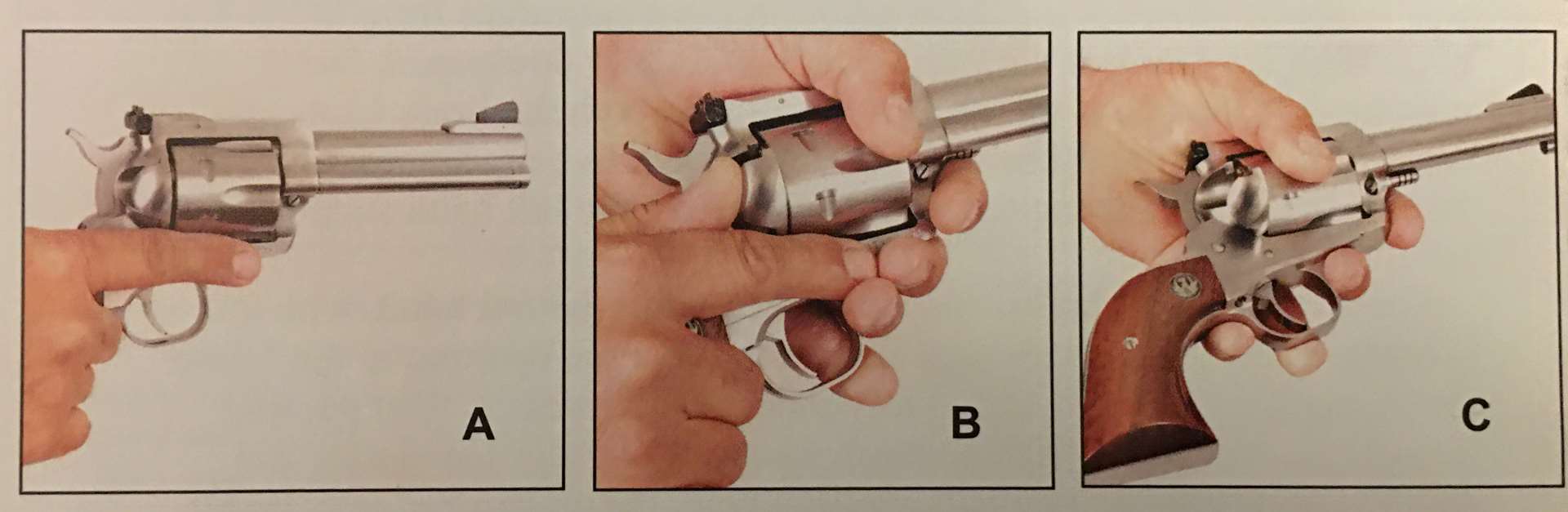
With the revolver held in the right hand, the trigger finger outside of the trigger guard and straight alongside the frame, and the muzzle pointed in a safe direction, the hammer is put in the half-cock position (with some models), and the loading gate opened with the right thumb. The cylinder is rotated until a cartridge case head is fully visible, and then the ejector, located under the barrel, is pulled to the rear, pushing the live round or empty brass out of the chamber. The ejector is allowed to return forward, the cylinder is rotated to the next chamber, and the process is repeated until all chambers are empty.
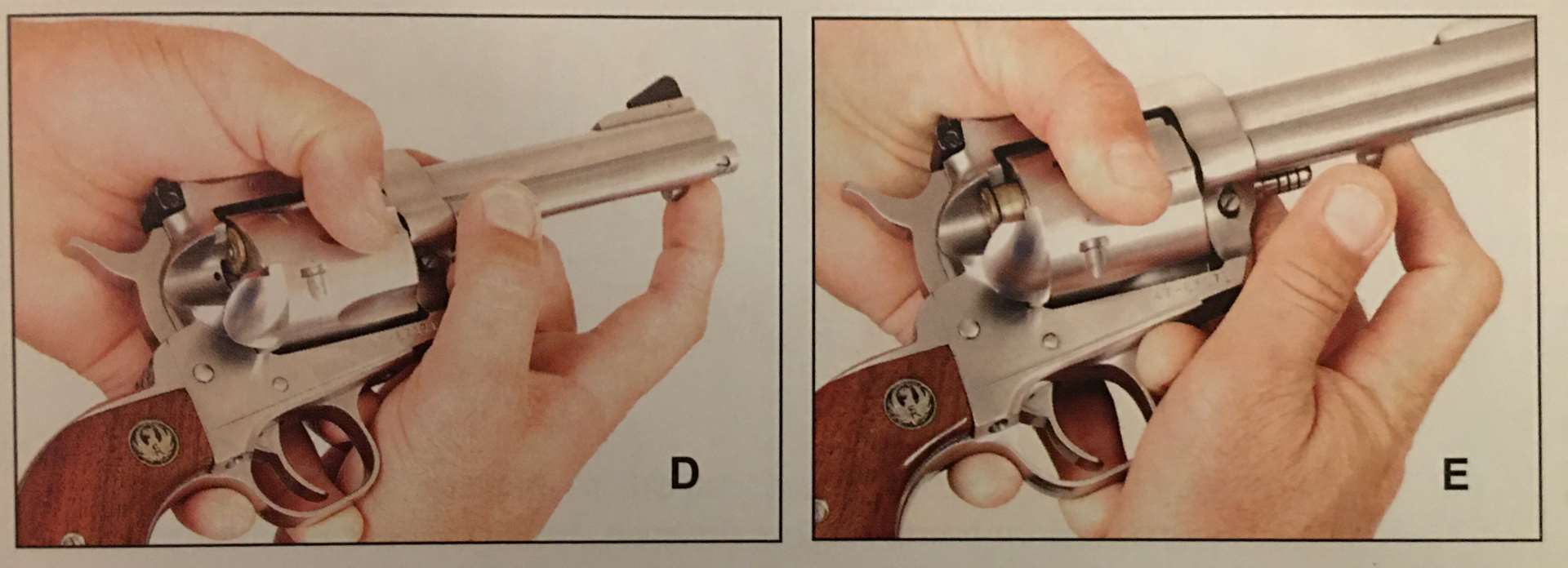
For left-handed shooters, the unloading process starts with the revolver in the left hand. With the trigger finger outside of the trigger guard and straight alongside the frame, and the muzzle pointed in a safe direction, the hammer is put in the half-cock position (if necessary), and the loading gate opened with the right hand. The cylinder is rotated until a cartridge case head is fully visible, and then the ejector, located under the barrel, is pulled to the rear, pushing the live cartridge or empty brass out of the chamber. The ejector is allowed to return forward, the cylinder is rotated to the next chamber, and the process is repeated until all chambers are empty.
Decocking
For a variety of reasons, it may become necessary for a shooter firing a single-action revolver, or a double-action revolver in single-action mode, to lower the hammer on a chamber containing a live cartridge.
To properly lower the cocked hammer of a revolver, first take the trigger finger off the trigger and put it outside the trigger guard, along the frame. Place the support-hand thumb in between the cocked hammer and the frame, and engage the hammer spur with the firing-hand thumb. Pull the trigger, being careful to control the released hammer with the firing-hand thumb. The placement of the support-hand thumb between the hammer and frame prevents the hammer from setting off the cartridge, if it slips.
When the hammer contacts the support-hand thumb, release the trigger and place the trigger finger outside the trigger guard, alongside the frame. Then, with the firing-hand thumb still controlling the hammer, remove the support-hand thumb from between the hammer and frame, and ease the hammer the rest of the way down. The revolver may be unloaded.
Read more: Accurately Calling Your Shots