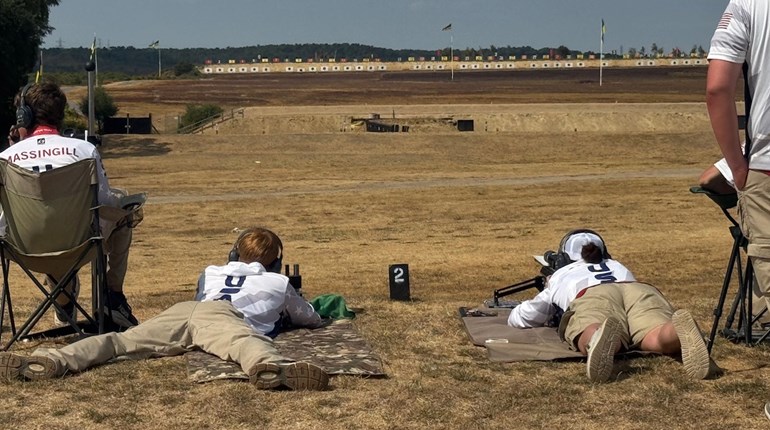

BISLEY, England — Four F-T/R teams sat on their bipods at 1,000 yards on the final afternoon of the 2026 F-Class World Championships, watching a wind that wouldn’t settle and a clock that wouldn’t stop.
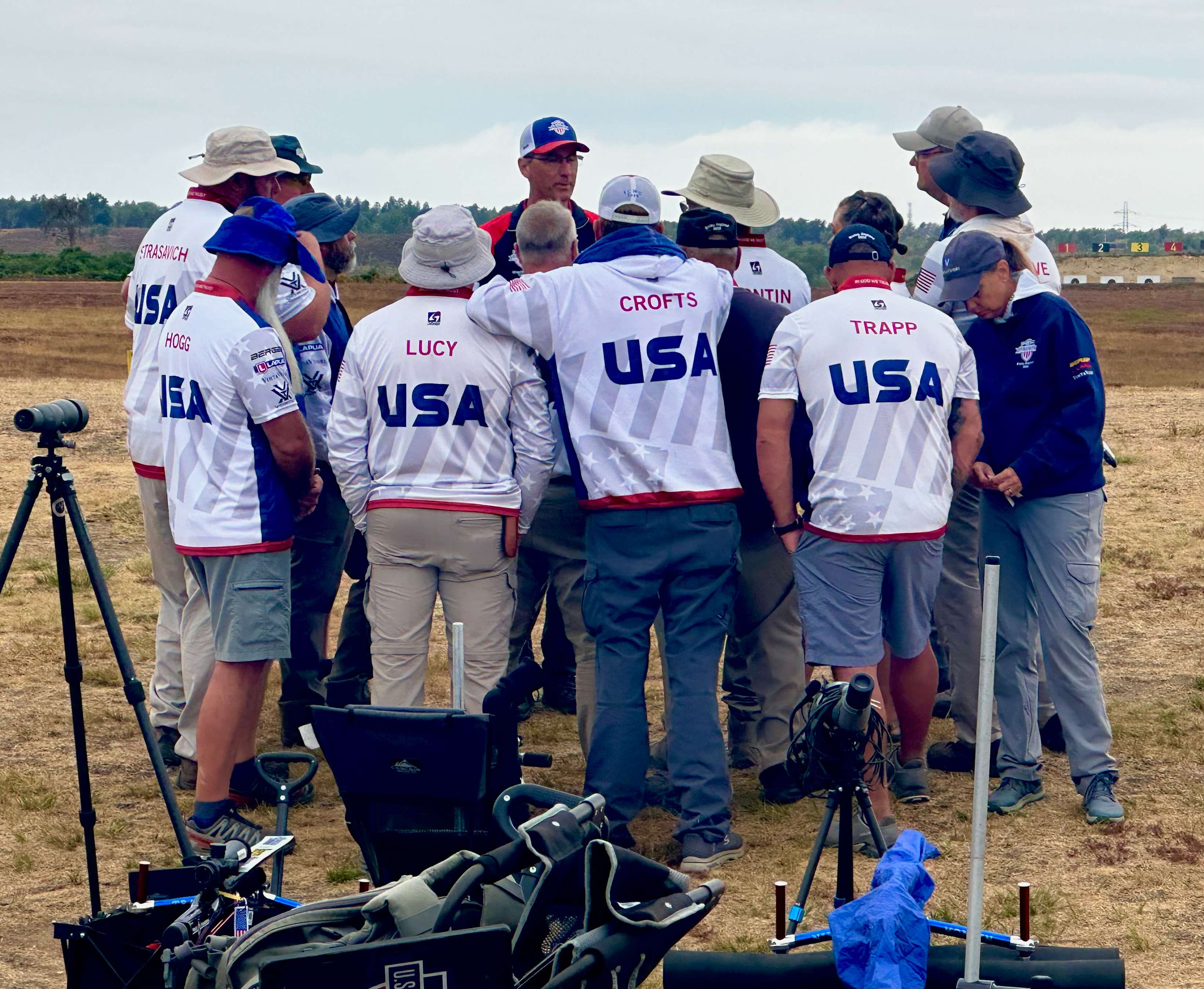
Great Britain, Pakistan, the U.S. and Canada were separated by a handful of points going into the final yard line of the 16-man Richardson team match. All tried waiting out the worst of the conditions, but none of them got the chance. The conditions deteriorated rather than easing, with all four eventually forced to fire in the middle of it. U.S. shooters finished with less than three minutes on the clock. British shooters ran theirs down to less than a minute, something almost nobody at Bisley can remember seeing.
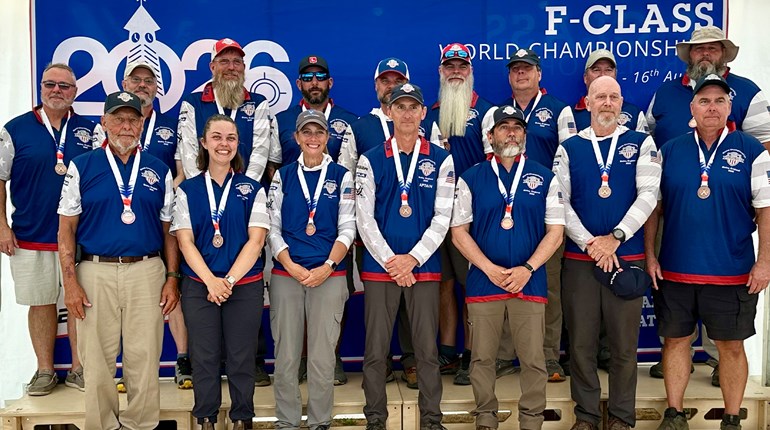
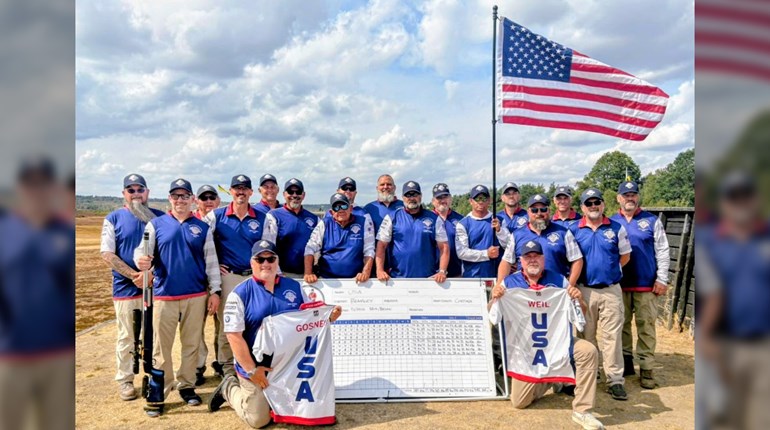
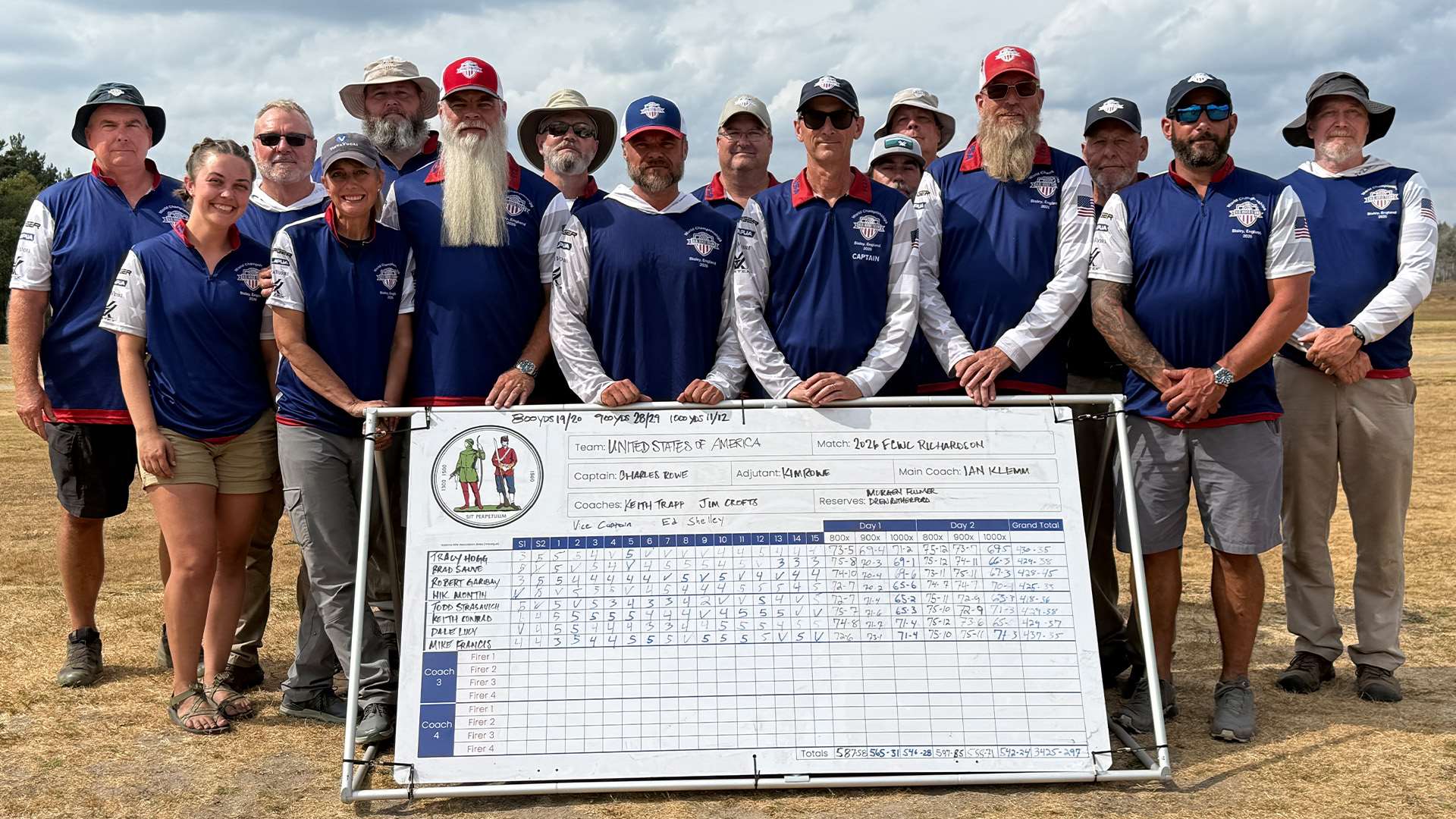
Great Britain held on, while the United States took bronze, a result that came at the end of a tour in which the U.S. F-T/R squad collected gold, silver and bronze across the individual and team programs, as well as sending five of its members home with NRA International Distinguished Rifleman’s Badges. As for the defending world champion South Africa squad, they finished sixth.
Anyone who packed for English rain wasted the space in the bag. England had gone more than eight weeks without meaningful precipitation by the time the American squad arrived, and the championship ran hot and dry from start to finish. Nobody on the team saw a drop of rain, a reversal from the monsoon conditions that soaked last year’s European championships.
Recent fires had also burned across the Bisley ranges, stripping out vegetation and opening the ground between the firing points and the butts. Longtime locals told American competitors they had never seen the range behave the way it did. Pickups and let-offs arrived faster than anyone expected, direction changed without warning, and both wind values and brackets ran well above what shooters had learned to expect at Bisley.
For a discipline decided by the width of a wind call, that’s the whole match.
American F-T/R shooters had already made an impression during the British Open the week before.
Keith Trapp won the overall gold medal in the individual matches, with teammate Chris Fairbanks eighth. In the British Open team matches, the United States entered two squads and took both gold and silver.
Six in the Top 20
Six Americans finished inside the top 20 of the individual world championship, led by Brad Sauve in second and Jim Crofts in fourth.
| 2026 F-Class World Championships — U.S. F-T/R Individual Finishers, Top 20 | |
| Place | Competitor |
| 2 | Brad Sauve |
| 4 | Jim Crofts |
| 7 | Dale Lucy |
| 15 | Keith Trapp |
| 17 | Mike Francis |
| 19 | Ian Klemm |
United States F-T/R entered two squads in the eight-shooter team matches during the world championship week, as it had during the British Open, and again finished first and second.
Team competition in F-T/R culminates in the Richardson, contested over two days with eight shooters firing from a 16-person roster at 800, 900 and 1,000 yards each day, 15 shots per shooter at each distance.
Nothing separated the leaders by the time the field reached the final distance. What followed amounted to a standoff with a clock attached, four teams declining to fire into a condition that kept getting worse until the calendar made the decision for them.
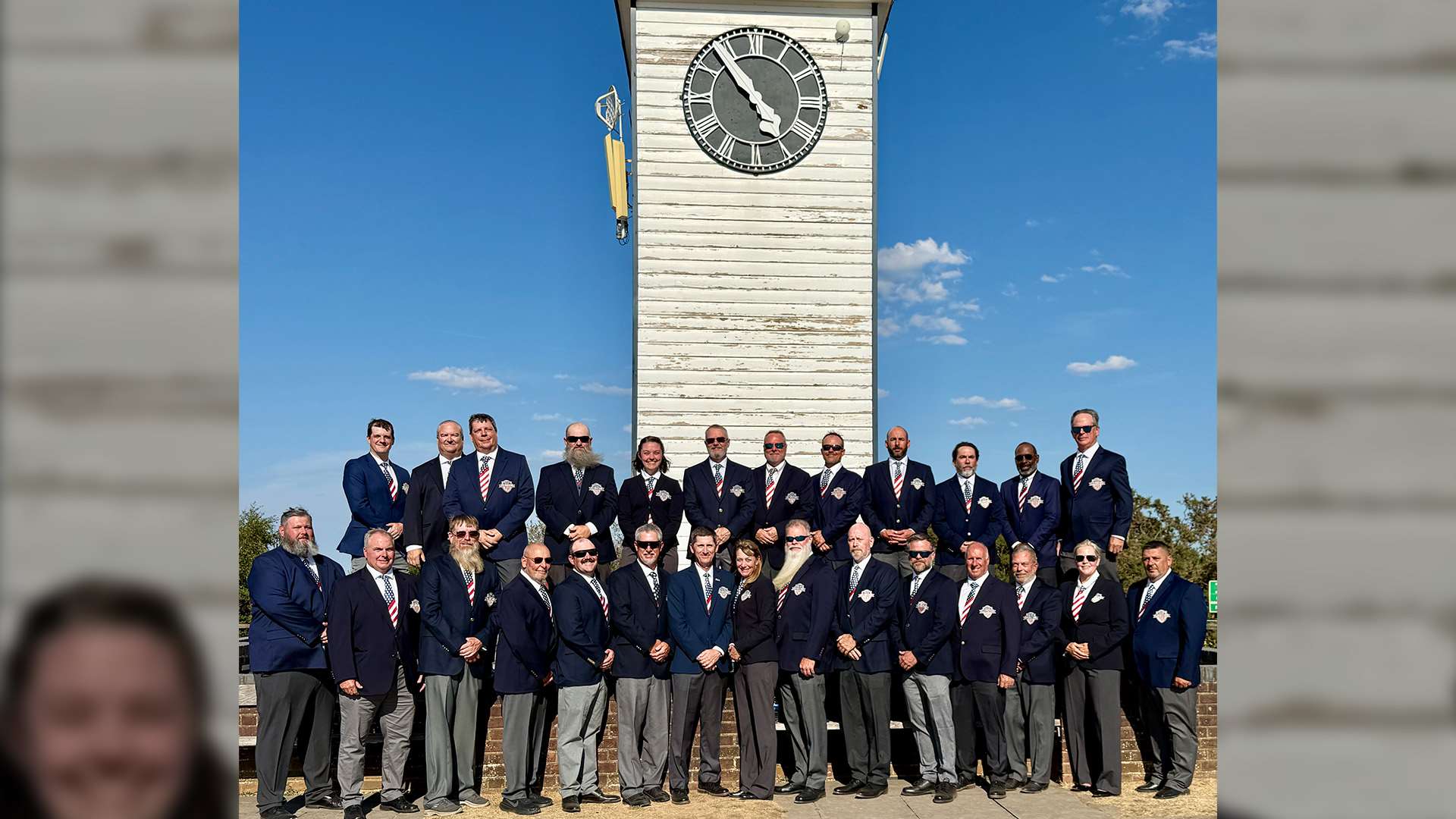
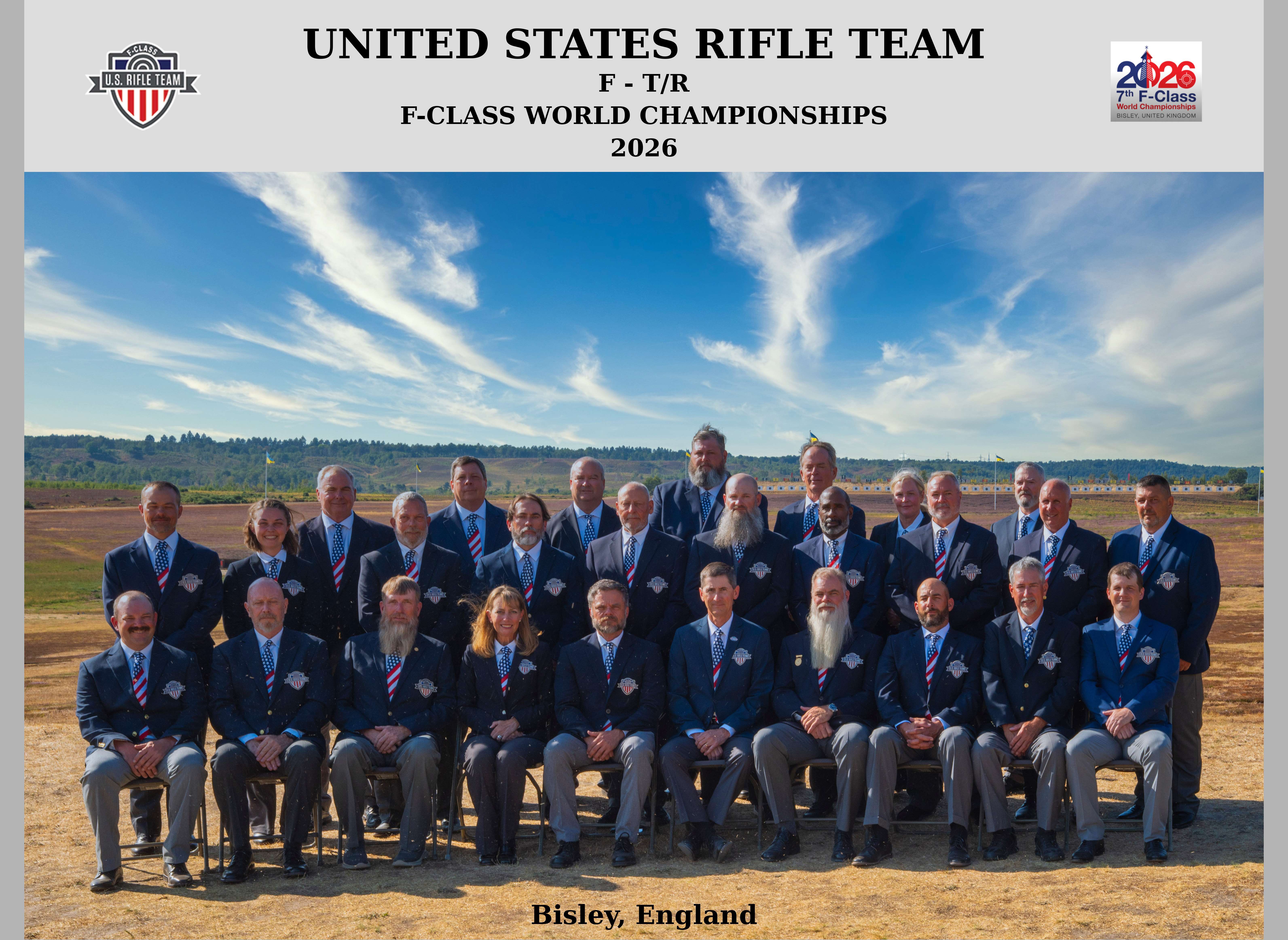
Twenty-seven team members made the trip to Bisley. Five members of the squad earned enough points across the tour to be awarded the NRA International Distinguished Rifleman’s Badge: Morgen Fulmer, Dale Lucy, Mike Francis, Kimberly Rowe and Charles Rowe.
Roughly 80 of those badges have been awarded in the history of F-Class. Five went to one American squad in one trip.
Sponsors Vortex Optics, Capstone Precision Group, which includes Berger, Lapua and Vihtavuori, plus SEB Rests, all supported the team throughout the cycle.
Australia hosts the next F-Class World Championships in 2030, with the U.S. set to host the event at the Ben Avery Shooting Facility in Phoenix in 2034.
Most Popular