** When you buy products through the links on our site, we may earn a commission that supports NRA's mission to protect, preserve and defend the Second Amendment. **
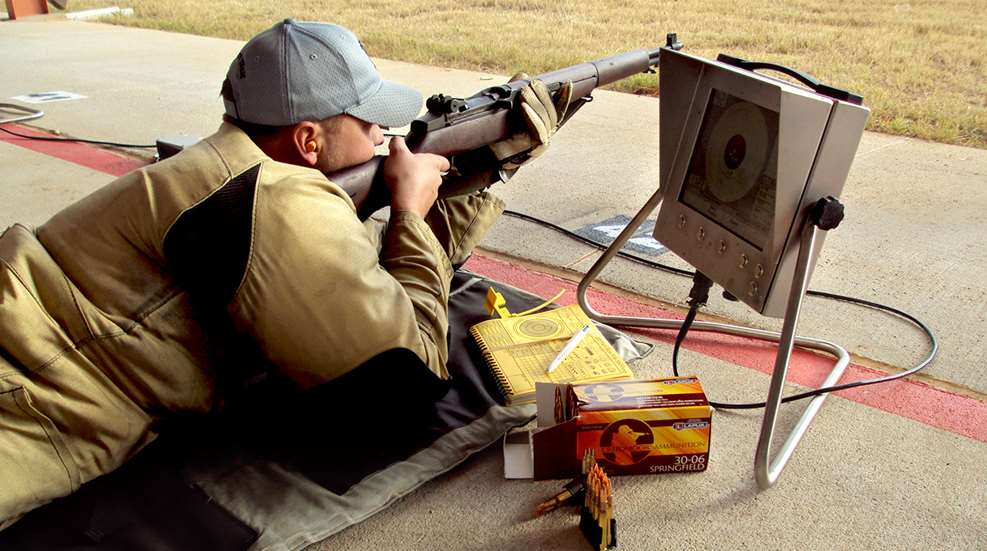
With the growing interest in Vintage Military Rifle competition, this is the first installment of a three-part series that chronicles the purchase, refurbishment and competition with a military surplus M1 Garand.
 The semi-auto, 8-round Garand was the standard issue U.S. infantry rifle of World War II, replacing the 5-round, bolt action, 1903 Springfield. Developed at the National Armory in Springfield, MA, French-Canadian born John J. Garand (pronounced Gar’-and) delivered his first military rifle design in 1929. Garand’s innovation of extraction was an important factor in the ultimate selection of his modified design. Where the Pedersen design relied on lubricated ammunition to ensure extraction of the expanded, spent cases, the Garand bolt rotated, thereby twisting the cartridge case during extraction without the need for lubrication.
The Garand uses a gas-rod, semi-auto action as used in the AK-47, M249 Squad Automatic Weapon and FN MAG rifles. After several years of trials, the first production model Garand was successfully function-fired at Springfield Armory in 1937.
The Garand was initially produced with a false muzzle to divert expanding cartridge gas rearward, through the gas tube, to cycle the operating rod and action. By 1940, these “gas trap” models were retrofitted with the more reliable design of drilling a gas port into the barrel. Both versions retained the M1 designation.
 As one of the most widely produced rifles in American history, more than 6 million M1 Garands were manufactured. To help meet the war demands placed on the Springfield Armory, Winchester was contracted to build Garands beginning in 1940, followed by Harrington & Richardson and International Harvester. Under President Roosevelt, what would eventually become the Civilian Marksmanship Program (CMP) was given authority by Congress to re-sell military surplus firearms and ammunition, including the Garand, to qualified civilians. Funds from those sales support many shooting sports programs including youth education and competitive shooting matches.
Thanks in part to diligent collectors and the NRA, the post-war destruction of surplus Garands was stopped in the mid-1990s, but only after hundreds of thousands had been destroyed. Our particular model came from the “cosmoline warehouse” at the CMP facility in Anniston, AL. With a serial number in the three million range, we determined that our Springfield model was manufactured in the summer of 1944. Few Garands escaped government rebuild and ours was no exception, with a barrel number that did not match the receiver.
The CMP has a 65,000 square feet warehouse that houses approximately 100,000 rifles, depending on import sources and demand, and 30 million rounds of ammunition.
The thorough rifle inspection process includes: separating wood from metal; placing the metal parts into an ultrasonic cleaning bath for eight minutes; a second bath of biodegradable cleaning solvent for six minutes; a final bath for two minutes; followed by a water-displacement oil bath and drain station that prevents rust for four months, during which armorers rebuild and test-fire the rifles.
Guns are rated based on their condition. Some are only good enough to serve as “drill guns” for parades and are modified to prevent firing. Ours was classified as a Field Grade rifle as pictured for this article. See the CMP sales website for more information.
Miscellaneous data:
• John Garand lived to be 86 and died in 1974.
• Garand worked at the Springfield Armory from 1919 to 1953.
• The M1 Garand weighs 9.5 pounds, .8 pound more than the 1903 Springfield it replaced.
• M1 Garand production ceased in 1957.
• The Garand was officially replaced by the selective-fire M14 in 1959, although M1s remained in the inventory for a time afterwards.
Part 2 of this series is upcoming. Can't wait to learn more now about Vintage Military Rifle competition? Read these articles:
• Vintage Military Rifle: Enjoy Competition While Avoiding the Arms Race
• Fix your U.S. Vintage Military Rifle
• Adapting to VMR Sights
• Which Oil is Best for M1 Garand Stock Refinishing?
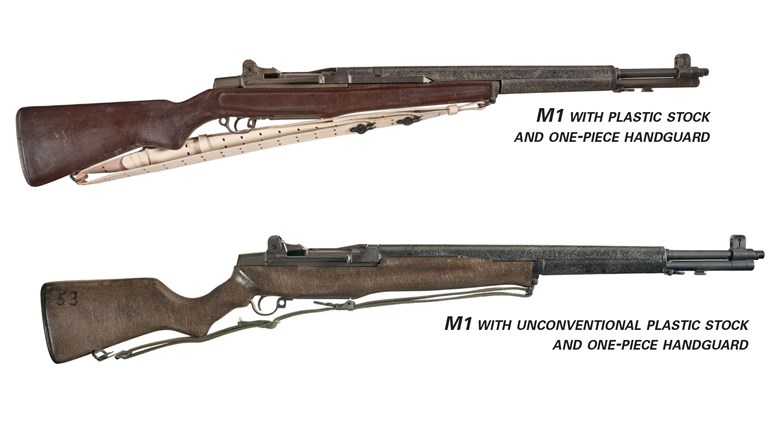
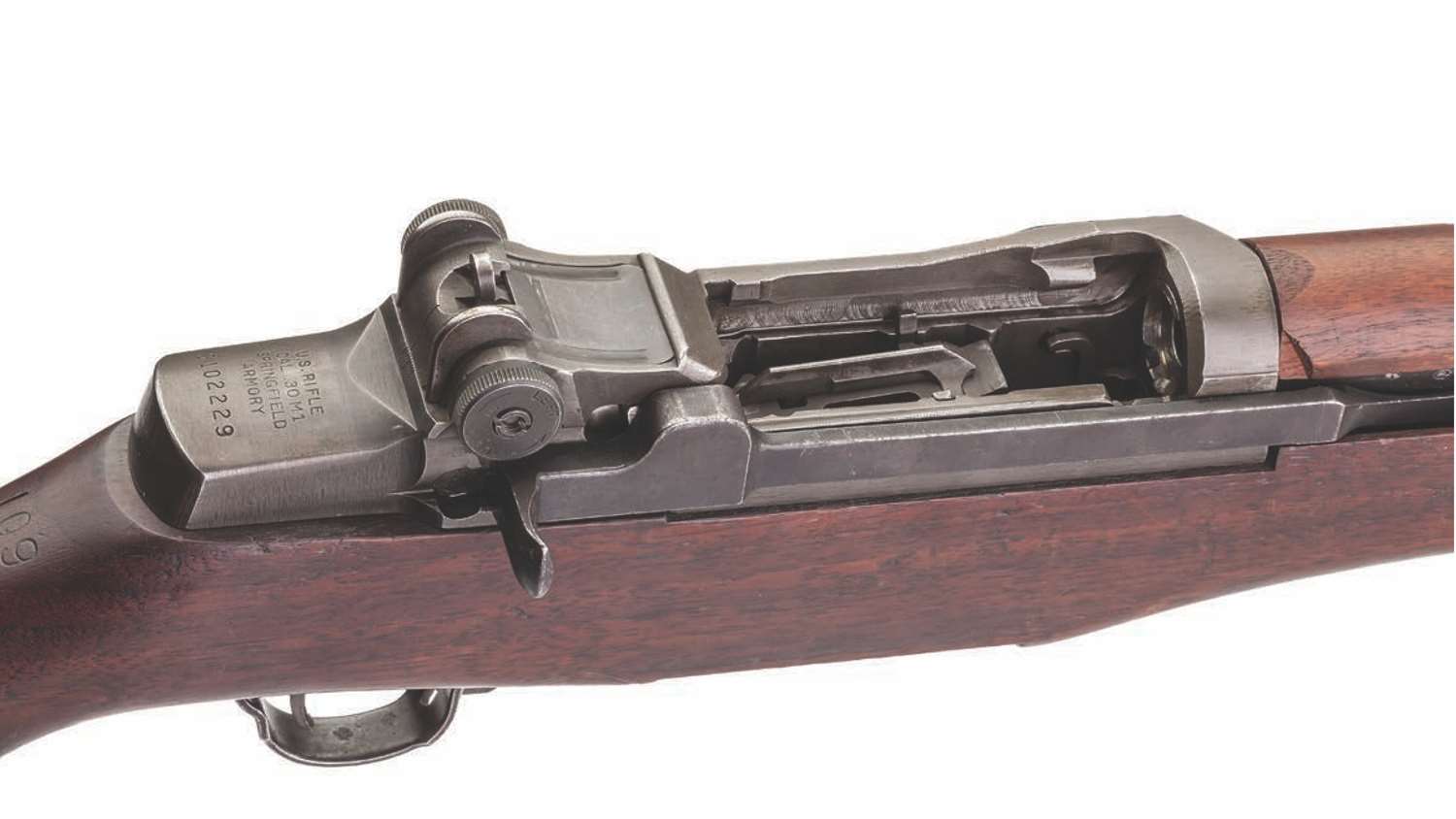
Our Field Grade M1 Garand rifle. The 3-million range of this rifle’s serial number suggests it was first put into service during the summer of 1944.
The Garand uses a gas-rod, semi-auto action as used in the AK-47, M249 Squad Automatic Weapon and FN MAG rifles. After several years of trials, the first production model Garand was successfully function-fired at Springfield Armory in 1937.
The Garand was initially produced with a false muzzle to divert expanding cartridge gas rearward, through the gas tube, to cycle the operating rod and action. By 1940, these “gas trap” models were retrofitted with the more reliable design of drilling a gas port into the barrel. Both versions retained the M1 designation.
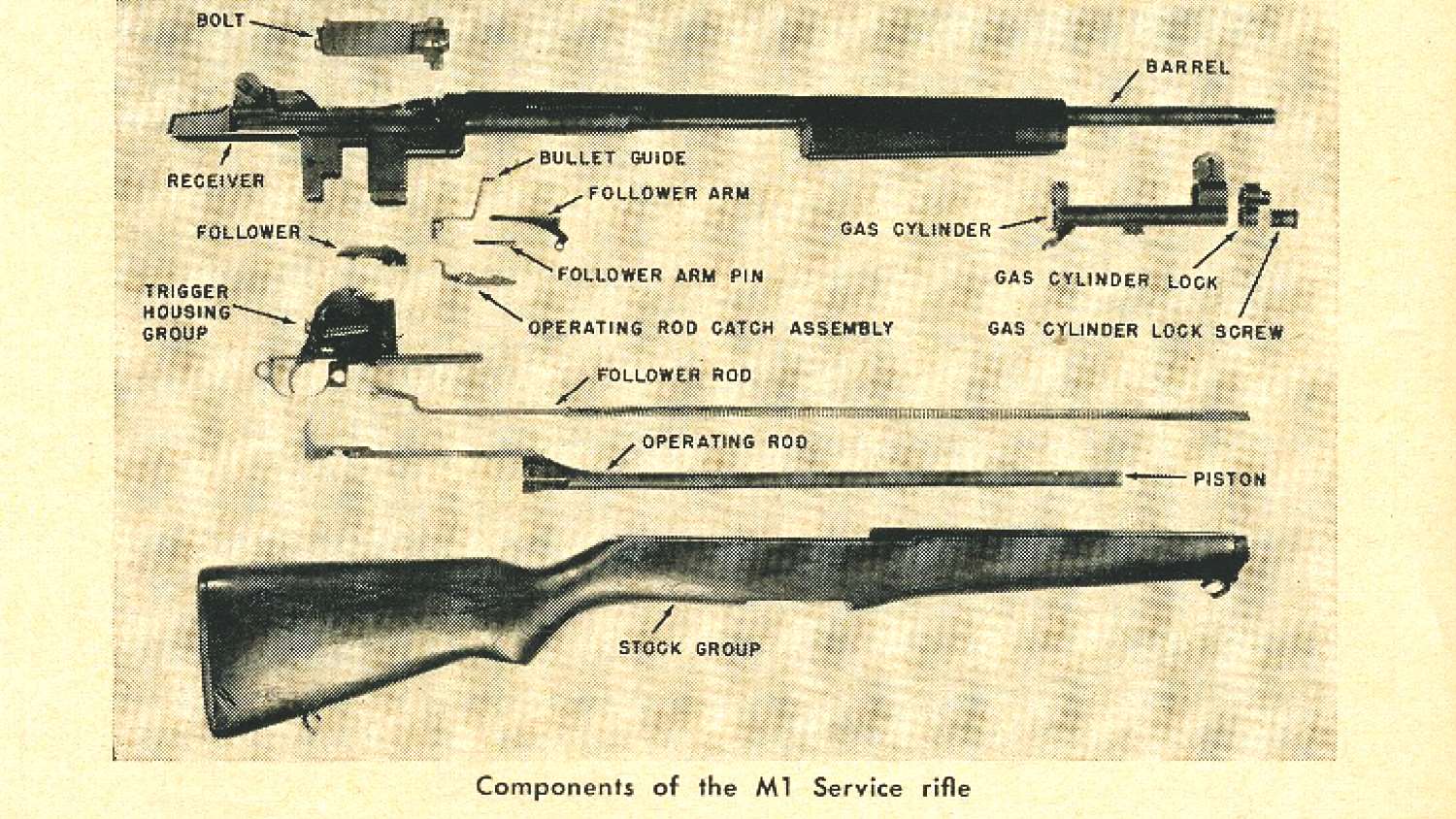
Vintage parts diagram of the M1.
Thanks in part to diligent collectors and the NRA, the post-war destruction of surplus Garands was stopped in the mid-1990s, but only after hundreds of thousands had been destroyed. Our particular model came from the “cosmoline warehouse” at the CMP facility in Anniston, AL. With a serial number in the three million range, we determined that our Springfield model was manufactured in the summer of 1944. Few Garands escaped government rebuild and ours was no exception, with a barrel number that did not match the receiver.
The CMP has a 65,000 square feet warehouse that houses approximately 100,000 rifles, depending on import sources and demand, and 30 million rounds of ammunition.
The thorough rifle inspection process includes: separating wood from metal; placing the metal parts into an ultrasonic cleaning bath for eight minutes; a second bath of biodegradable cleaning solvent for six minutes; a final bath for two minutes; followed by a water-displacement oil bath and drain station that prevents rust for four months, during which armorers rebuild and test-fire the rifles.
Guns are rated based on their condition. Some are only good enough to serve as “drill guns” for parades and are modified to prevent firing. Ours was classified as a Field Grade rifle as pictured for this article. See the CMP sales website for more information.
Miscellaneous data:
• John Garand lived to be 86 and died in 1974.
• Garand worked at the Springfield Armory from 1919 to 1953.
• The M1 Garand weighs 9.5 pounds, .8 pound more than the 1903 Springfield it replaced.
• M1 Garand production ceased in 1957.
• The Garand was officially replaced by the selective-fire M14 in 1959, although M1s remained in the inventory for a time afterwards.
Part 2 of this series is upcoming. Can't wait to learn more now about Vintage Military Rifle competition? Read these articles:
• Vintage Military Rifle: Enjoy Competition While Avoiding the Arms Race
• Fix your U.S. Vintage Military Rifle
• Adapting to VMR Sights
• Which Oil is Best for M1 Garand Stock Refinishing?