
There has been a lot of noise around USPSA Limited 10 recently. Questions, assumptions and speculation. So let’s make this simple and clear. Nothing changed in Limited 10 except one thing. An optic is now allowed. It is not required. That is it.
Limited 10 remains Limited 10. The scoring is the same. The equipment rules are the same. The holsters are the same. The guns are the same. Major and minor scoring remain. The capacity limit remains. The only addition is the option to run a red dot, slide-mounted or frame-mounted, if you choose.
Your scores are still in Limited 10. There is not a separate division for optics in Limited 10. There is not a split. If you bolt on a dot, you are competing in Limited 10. If you stay with irons, you are competing in Limited 10. Same division. Same results.
WHAT USPSA LIMITED 10 HAS ALWAYS BEEN
Limited 10 was built on the same equipment foundation as Limited. Race holsters are allowed. Custom guns are allowed. Aftermarket triggers, magazine wells, aggressive grip work, all same modifications in Limited, all fair game. The only major exclusions remain compensators and barrel porting.
If you open the USPSA rulebook and look at the equipment requirements, you will see that Limited 10 mirrors Limited in nearly every way, except for the magazine capacity restriction. Ten rounds in the magazine. That has always been the difference.
Major scoring remains. Minor scoring remains. Power factor thresholds remain. The structure is intact. The only change is optics as an option.
The addition of optics was not designed to reinvent Limited 10. It was designed to solve a structural issue inside the broader division ecosystem.
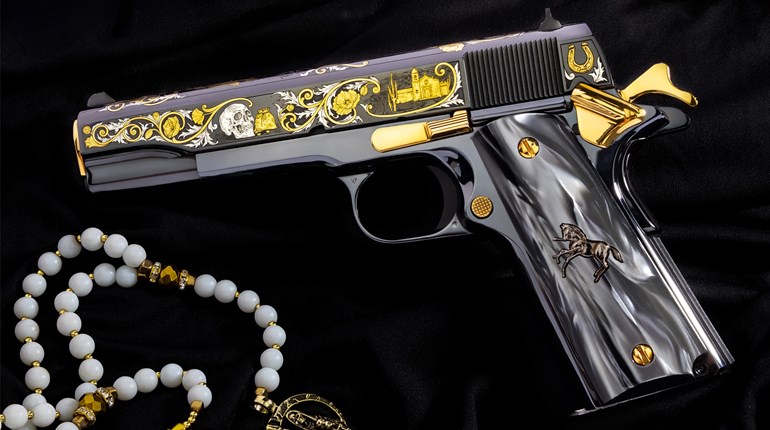
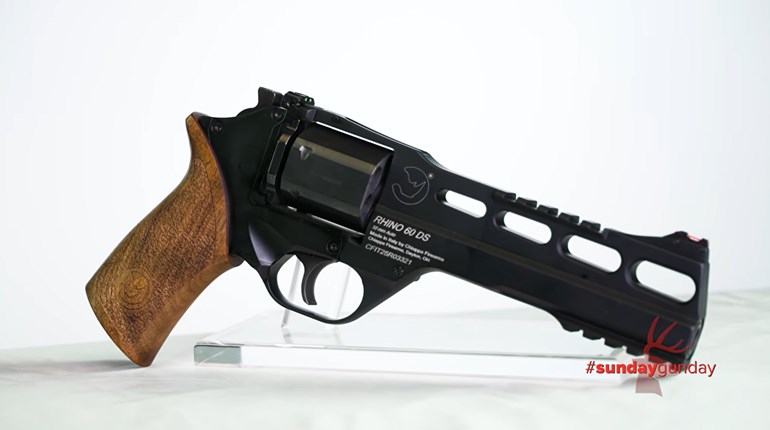
For years, USPSA shooters who wanted to run a 1911 with a dot had no place to really do so. Revolver shooters who wanted to mount an optic faced similar constraints. Classic single-stack guns, legacy platforms and certain other pistols did not always fit cleanly into a division once a dot entered the equation. Yes, they had the only option of shooting in Open division, but let’s be realistic here, an eight-shot revolver in Open?
So, now they have a more feasible option. You can run irons in Limited 10. You can run a slide-mounted dot in Limited 10. You can run a frame-mounted dot in Limited 10. All in the same division. That flexibility is the entire point.
PROTECTING SINGLE STACK AND REVOLVER
One of the most important outcomes of this change is what did not change. Single Stack remains Single Stack. Revolver remains Revolver.
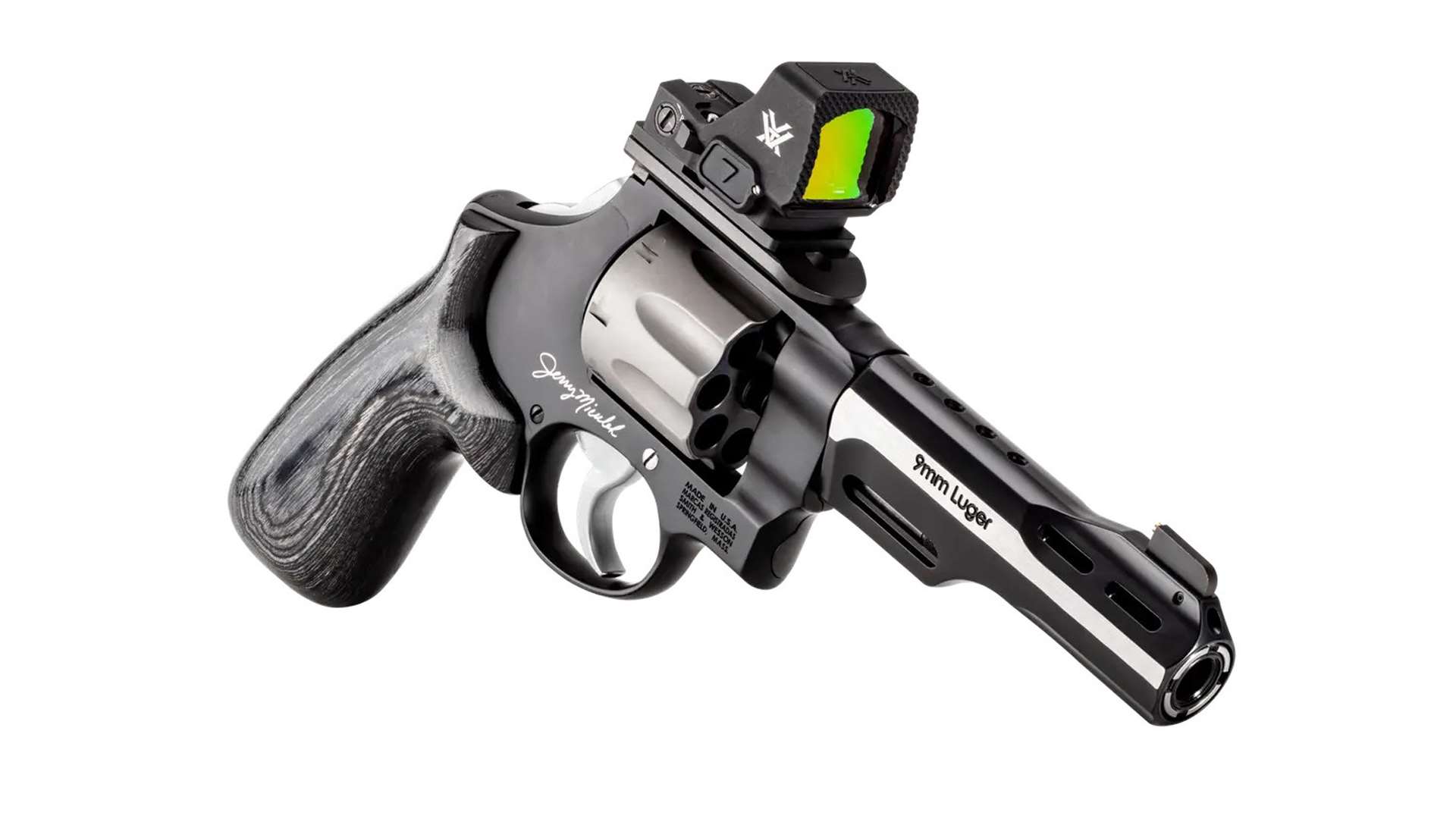
Those divisions were not forced to evolve into optic versions of themselves. They were not fractured. They were not rewritten. Instead, Limited 10 absorbed the pressure.
If a Single Stack shooter wants to experiment with a red dot, they can move into Limited 10 without rewriting Single Stack. If a Revolver competitor wants to mount a dot and see what that platform can do with modern sighting technology, they can compete in Limited 10 without forcing a rule overhaul in Revolver. The core identity of those divisions remains untouched. That was intentional.
THE CATCH-ALL DIVISION, NOW MORE THAN EVER
Limited 10 has always had a quiet strength. It has been the place where traditional guns have a fit. It has been the place for shooters in capacity-restricted states. It has been the place for major-caliber guns that did not quite belong elsewhere. Now it has become even more relevant. Want to run a 1911 in .45 with a dot and major scoring? Limited 10. Want to mount a slide-ride optic on a classic Browning Hi-Power? Limited 10. Want to compete with a SIG P220 in .45 ACP that does not fit neatly into Production or Carry Optics? Limited 10. Have an old Limited gun you want to cut for a dot? Limited 10. Want to put a dot on a revolver? Limited 10. Want to run your sub-compact carry gun, red dot or irons? Limited 10.
The division did not lose its identity. It expanded its accessibility. It is the same rule set with a wider door.
EQUIPMENT PARITY AND COMPETITIVE BALANCE
Because the USPSA core equipment rules remain aligned with Limited, competitors still have access to high-performance setups. Race holsters are legal. Aggressive grip textures are legal. Extended controls are legal. Custom triggers are legal. The only lines that remain firmly in place are the prohibition of compensators and barrel porting.
That keeps the division powerful but grounded. Major scoring still rewards those who choose to load for it. Minor remains a viable strategy. The hit factor system does not care whether your sighting system is iron or electronic. Points are points. Time is time. An optic does not create a new scoring structure. It simply changes how you see the sights. And if you prefer irons, nothing has been taken from you.
CLARITY OVER CONFUSION
The most important thing to understand is this: Limited 10 with a dot is still Limited 10.
There is no optic subclass. There is no parallel results sheet. There is no separate trophy. If you show up with irons and the shooter next to you shows up with a frame-mounted optic, you are competing in the same division. That clarity matters. It preserves the simplicity of the sport while giving competitors more flexibility in equipment choice.
USPSA continues to evolve, but evolution does not always mean replacement. Sometimes it means adding an option while protecting existing structures. Limited 10 did not become something else. It gained one additional pathway.
In doing so, it relieved pressure on Single Stack. It relieved pressure on Revolver. It created a legitimate competitive home for classic platforms with modern sighting systems. It gave shooters with legacy guns and creative setups a place to belong.
And it did it without rewriting the competitive DNA of the division. Limited 10 is still 10 rounds. Still major or minor. Still race-ready. Still uncompensated. Still grounded in the Limited equipment model.
Now, it simply allows you to decide how you want to aim. Irons or optic. Same division. Same scoring. Same foundation. That is not a reinvention. That is smart evolution.
Article from the March/April 2026 issue of USPSA’s magazine.